Why electric vehicles are having major issues in cold weather and how to prevent them
- EV owners are having issues with their cars in cold weather
- Some are complaining the batteries aren’t charging, while others say the cars die altogether
- Tesla released a note on its website giving drivers and owners useful tips
Published on Jan 18, 2024 at 4:18 AM (UTC-5)
by Alessandro Renesis
Last updated on Jan 19, 2024 at 9:09 AM (UTC-5)
Edited by
Adam Gray
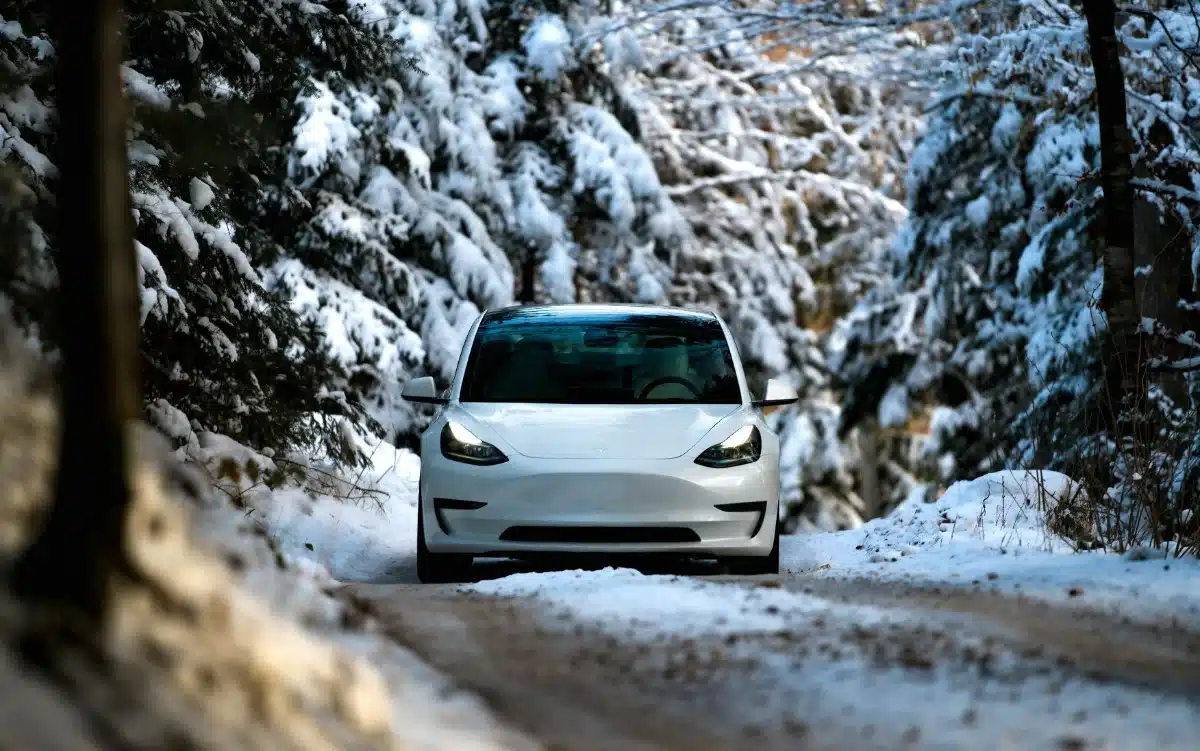

Winter is in full swing and EVs aren’t loving it.
From Teslas that aren’t charging to other EVs that aren’t even starting, owners are learning the hard truth.
EVs don’t do cold.
READ MORE: Why the Cybertruck may not actually have been faster than Porsche 911 while towing
EV owners across the US took to social media to complain about various weather-related issues with their EVs.
Several Tesla owners in Chicago, for example, discovered the battery had died in the night.
Others found out charging points were either not working or working too slowly.
And that’s including Tesla’s Superchargers.
“I’ve been here for over five hours at this point, and I still have not gotten to charge my car,” Tesla driver Brandon Welbourne told CBS Chicago.
“A charge that should take 45 minutes is taking two hours.”
Scott Case, CEO of a battery research startup called Recurrent, said this is the same thing that happens every winter with anything that’s powered by batteries.
“EVs definitely lose some of their driving range in extreme cold,” Case told CBS.
“If you go skiing with your iPhone, you might notice that the battery will burn through more quickly, so halfway through the day it might run out of juice, where normally it would last all day.”
Recurrent conducted an experiment with the 18 best-selling EV models in the US and found that sub-zero temperatures can reduce driving range by as much as 30 percent.
Broadly speaking, there are two reasons why EVs struggle in cold weather.
The first reason is physical.
The chemical reactions inside the battery require more time in cold weather and that’s why the car has less power to use.
The second reason is practical.
In cold weather, we need to start the car but we also need to heat up the cabin.
In a gas-powered car, the car can use the heat of the internal combustion engine to do that.
But the temperature of an EV’s powertrain and battery pack doesn’t really change when in use.
This is why an EV needs to use the available battery level to power the engine and the heating, and it just can’t cope when it’s too cold.
The good news is that extreme cold may affect our journey today, but it won’t do anything to the battery in the long run.

So what can be done about it?
Tesla shared a note on its website advising owners to keep the battery charge level above 20 percent in the winter.
“We have made several updates to improve your driving experience in freezing temperatures, including better overall thermal performance, quicker Supercharging and improved cabin conditioning,” the note reads.
As ever, reactions on the internet are mixed.
Some people aren’t happy.
But others, like the Rivian owner in the X post down below, don’t seem to be bothered.
Related


Alessandro is an automotive journalist with 10 years of experience covering supercars, automotive history, emerging vehicle technology, and luxury transportation. He wrote the first article published on SupercarBlondie.com when the website launched in 2022 and has since built a reputation for insightful reporting across the automotive and transportation industries. His expertise is grounded in hands-on experience. Alessandro has driven every Tesla model ever produced, from the original Roadster to the Cybertruck, and regularly covers the latest developments in electric vehicles and automotive innovation. His passion for transportation extends beyond cars, he has even flown a Boeing 787 Dreamliner simulator in Addis Ababa, Ethiopia. His reporting spans everything from classic American muscle cars and rare automotive discoveries to luxury yachts, private aircraft, high-end watches, and cutting-edge vehicle technology. Known for his deep knowledge of automotive history and ability to uncover the stories behind iconic vehicles, Alessandro brings readers a blend of historical context, technical expertise, and first-hand experience.