World's first electric G-Wagen has a soundbar under the hood so it sounds like a gas engine
- The new electric G-Wagen puts out 580 horsepower
- It is still a competent off-roader, capable of U-turning on the spot
- Mercedes also gave it a fake engine noise
Published on May 14, 2024 at 10:57 AM (UTC-4)
by Alessandro Renesis
Last updated on May 16, 2024 at 3:10 AM (UTC-4)
Edited by
Tom Wood
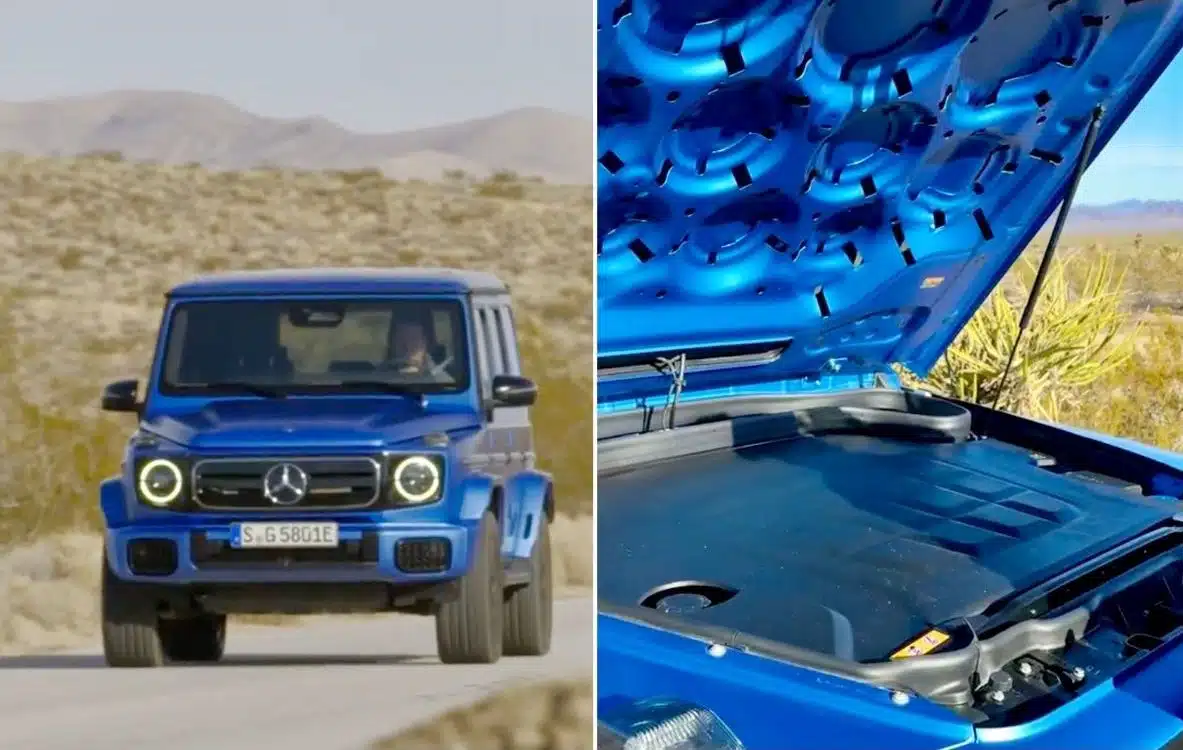

When it comes to the pros and cons of electric cars, there’s an elephant in the room that very few brands have actually tried to address.
Mercedes is one of them.
The German automaker thought of an ingenious solution to give its brand-new electric G-Wagen a cool – albeit fake – engine noise
READ MORE: New G-Wagen EV has tank-like 360-turn feature
Electric cars are virtually completely silent.
This is a potential safety issue across the board, but some people also think it’s a bit of a letdown when it comes to performance cars.
Translated, people may not care when it comes to sedans or SUVs, but they at least want their sportscars to make an exciting noise when they put their foot down.
So far, it seems only two brands have thought of that, BMW and Mercedes.
BMW teamed up with Oscar-winning score composer Hans Zimmer to develop a sound that the German brand wants to use for its electric cars, including for its concept.
Mercedes wants to reach the same goal but is going down a different route to get there.
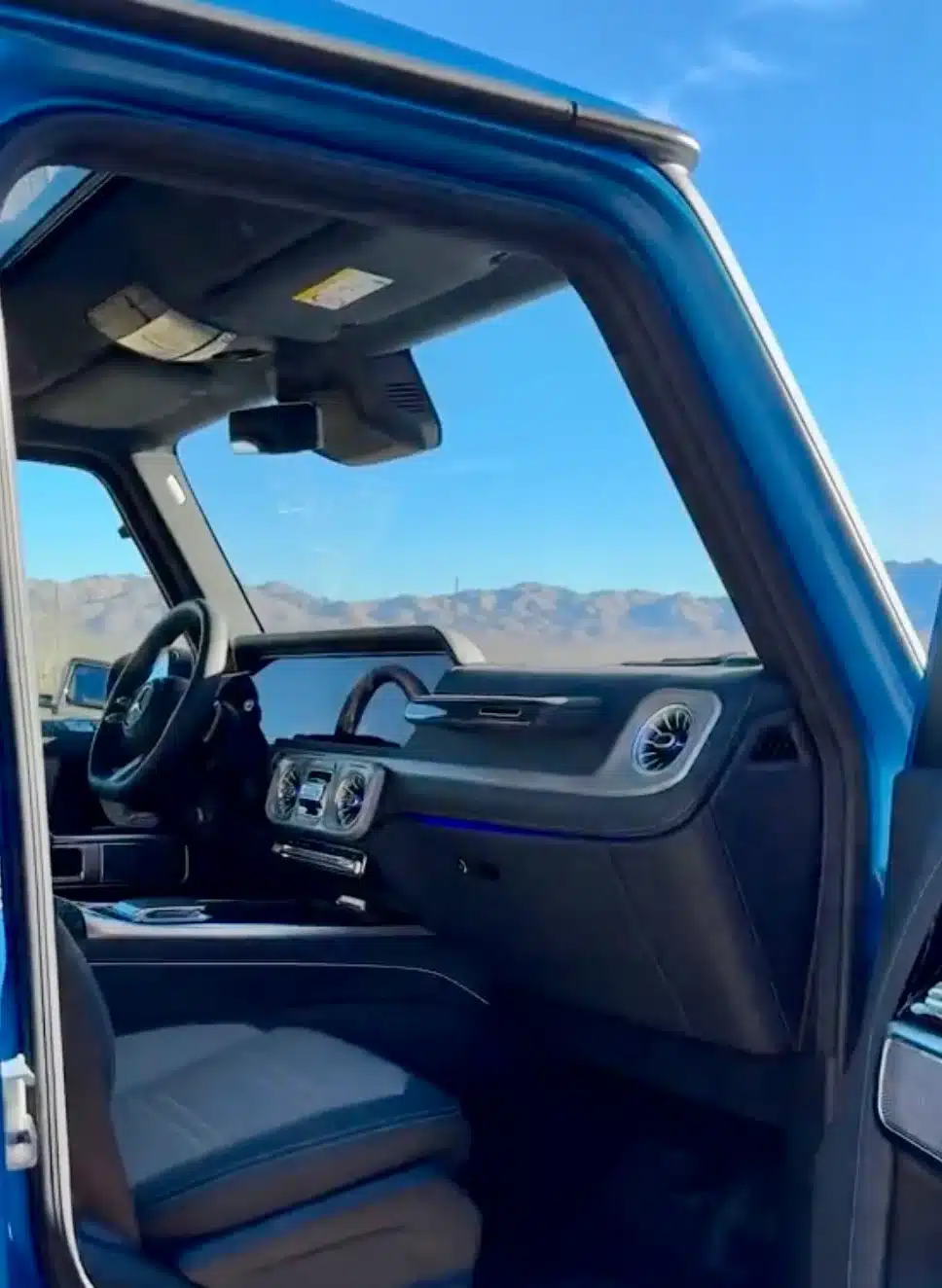
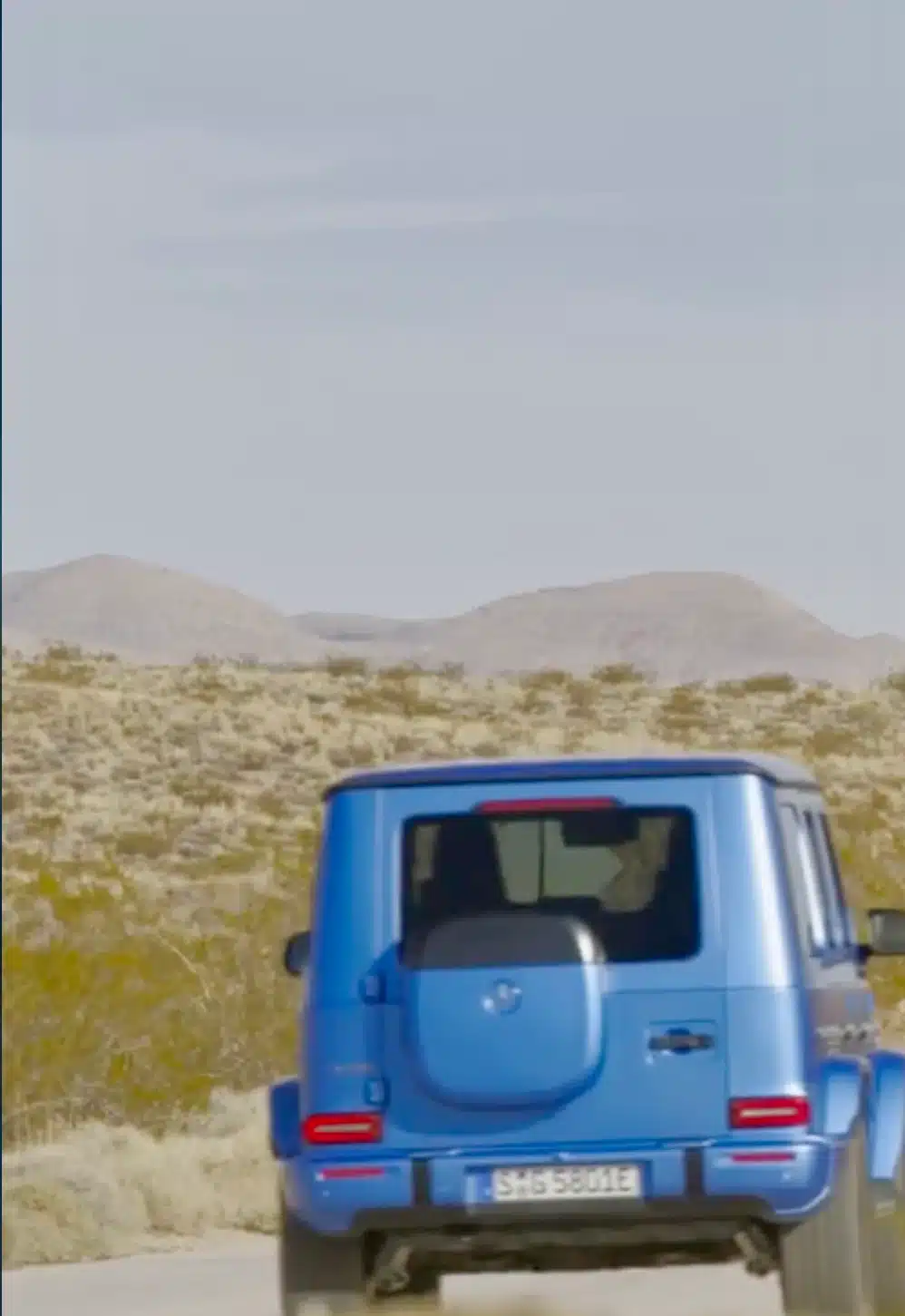
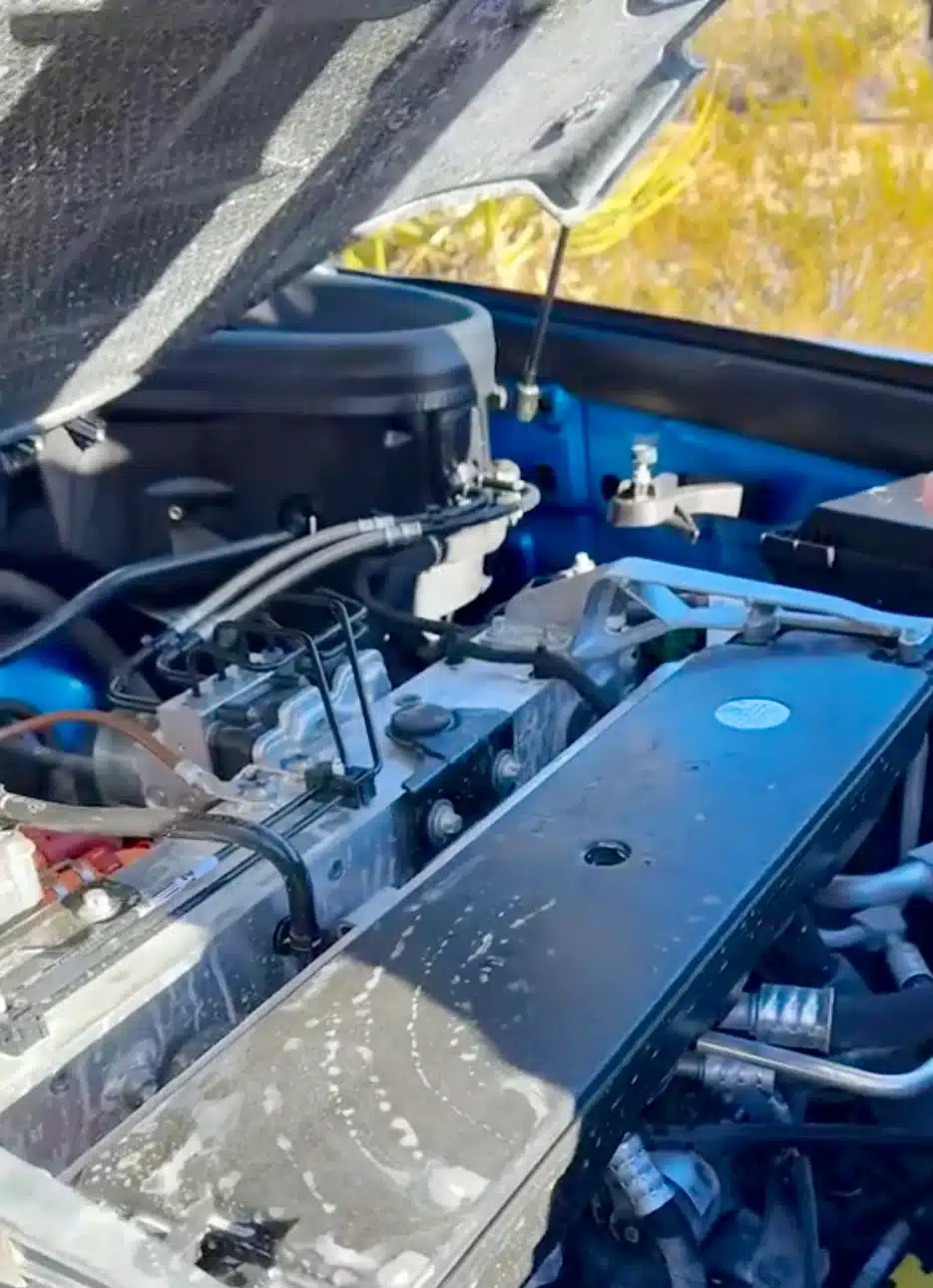
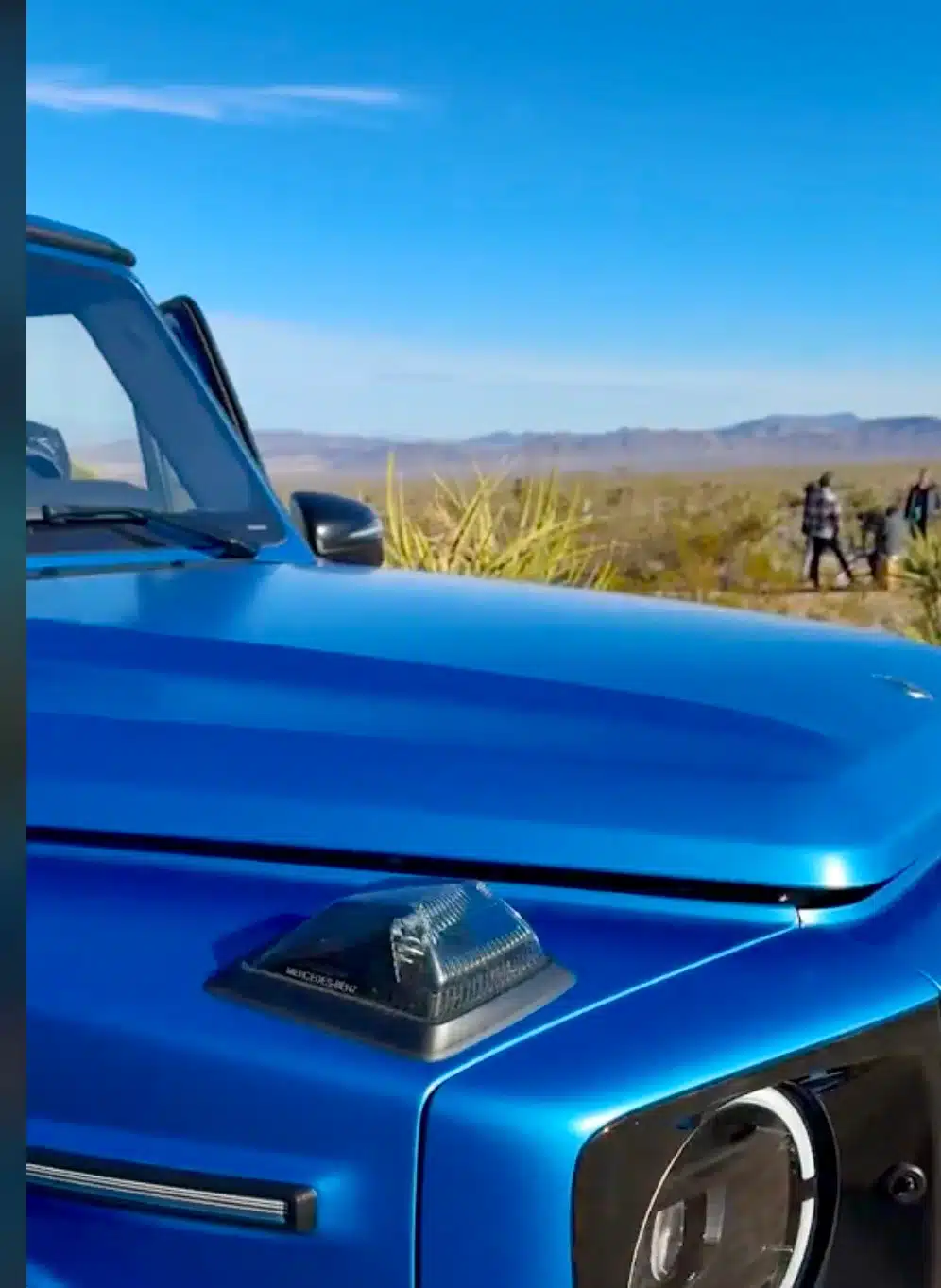
And that’s why under the hood of the brand-new Mercedes-Benz G580 Electric, you’ll find a literal soundbar that replicates the sound the V8-powered AMG G-Wagen makes.
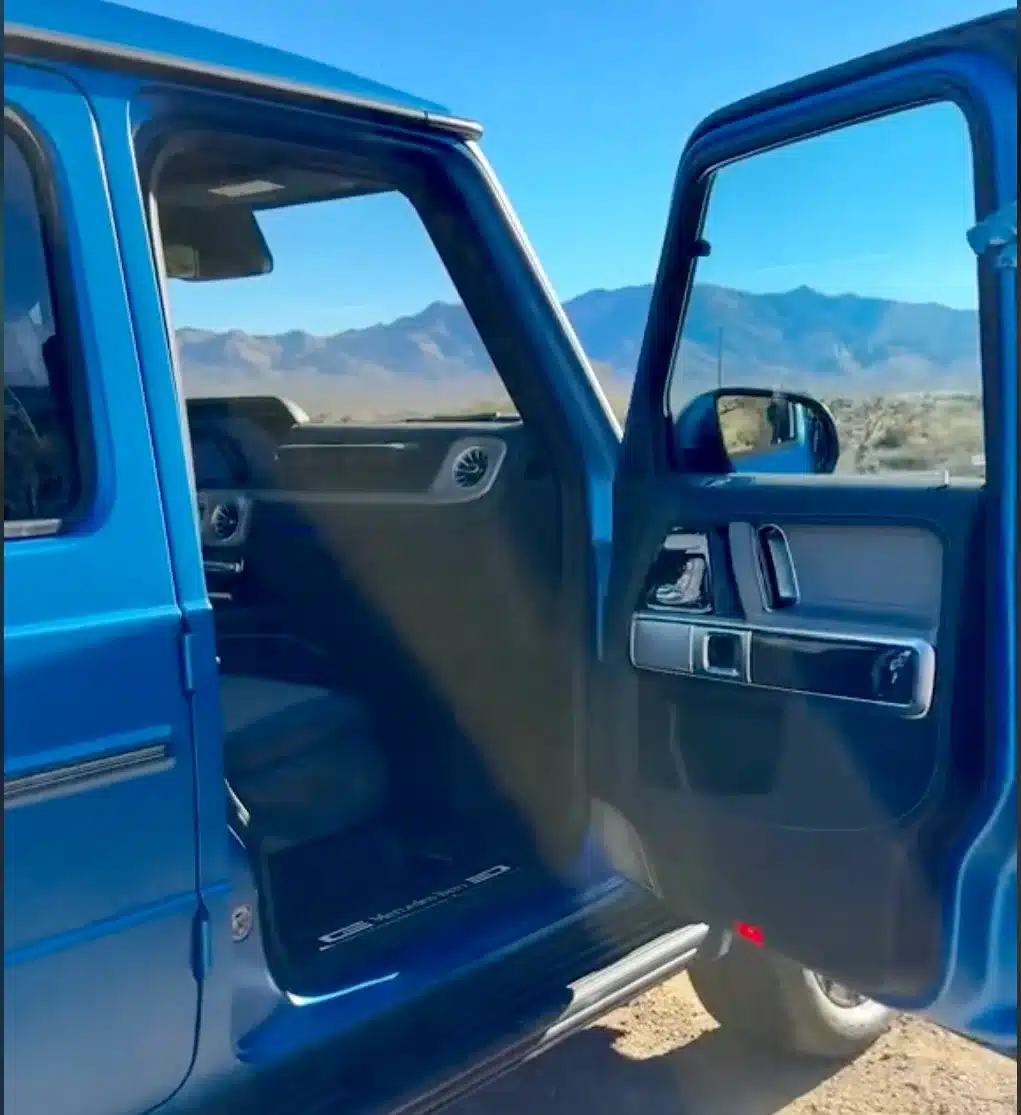
This is always going to be a contentious point when it comes to EVs.
This is because some might say this is all fake, just a ‘plastic’ sound that comes from an electronic brain.
And they have a point – sort of – but we should also remember that the sound that comes out of the exhaust pipes of most modern sportscars is also often fake.
Because even though it is generated by the mechanical movement of the combustion engine, it is enhanced and finely tuned by valves operated by the car’s ‘brain’.

Put simply, the sound generated by an EV such as the electric G-Wagen may be 100 percent fake, but the sound generated by a gas engine is still heavily influenced by software.
There are supercars that can be literally soundless up to a certain speed, so as not to wake the neighbors, only to then explode into a massive V8 or V12 roar at full chat.
And this is all software, not hardware.
The trend started about a decade ago, and it’s gotten worse – or better, depending on your point of view – chiefly due to noise pollution rules and regulations.
As for the electric G-Wagen, we’ll find out soon enough whether customers are on board with this solution or not.
Related


Alessandro is an automotive journalist with 10 years of experience covering supercars, automotive history, emerging vehicle technology, and luxury transportation. He wrote the first article published on SupercarBlondie.com when the website launched in 2022 and has since built a reputation for insightful reporting across the automotive and transportation industries. His expertise is grounded in hands-on experience. Alessandro has driven every Tesla model ever produced, from the original Roadster to the Cybertruck, and regularly covers the latest developments in electric vehicles and automotive innovation. His passion for transportation extends beyond cars, he has even flown a Boeing 787 Dreamliner simulator in Addis Ababa, Ethiopia. His reporting spans everything from classic American muscle cars and rare automotive discoveries to luxury yachts, private aircraft, high-end watches, and cutting-edge vehicle technology. Known for his deep knowledge of automotive history and ability to uncover the stories behind iconic vehicles, Alessandro brings readers a blend of historical context, technical expertise, and first-hand experience.