Footage from Perseverance rover of Mars surprised everyone for how similar it is to Earth
- NASA’s Perseverance rover has spent the last three years exploring Mars
- The tiny spacecraft is regularly sending back updates, images and videos
- Based on these images, Mars looks surprisingly like Earth
Published on Feb 27, 2024 at 4:18 AM (UTC-5)
by Alessandro Renesis
Last updated on Feb 27, 2024 at 12:12 PM (UTC-5)
Edited by
Adam Gray
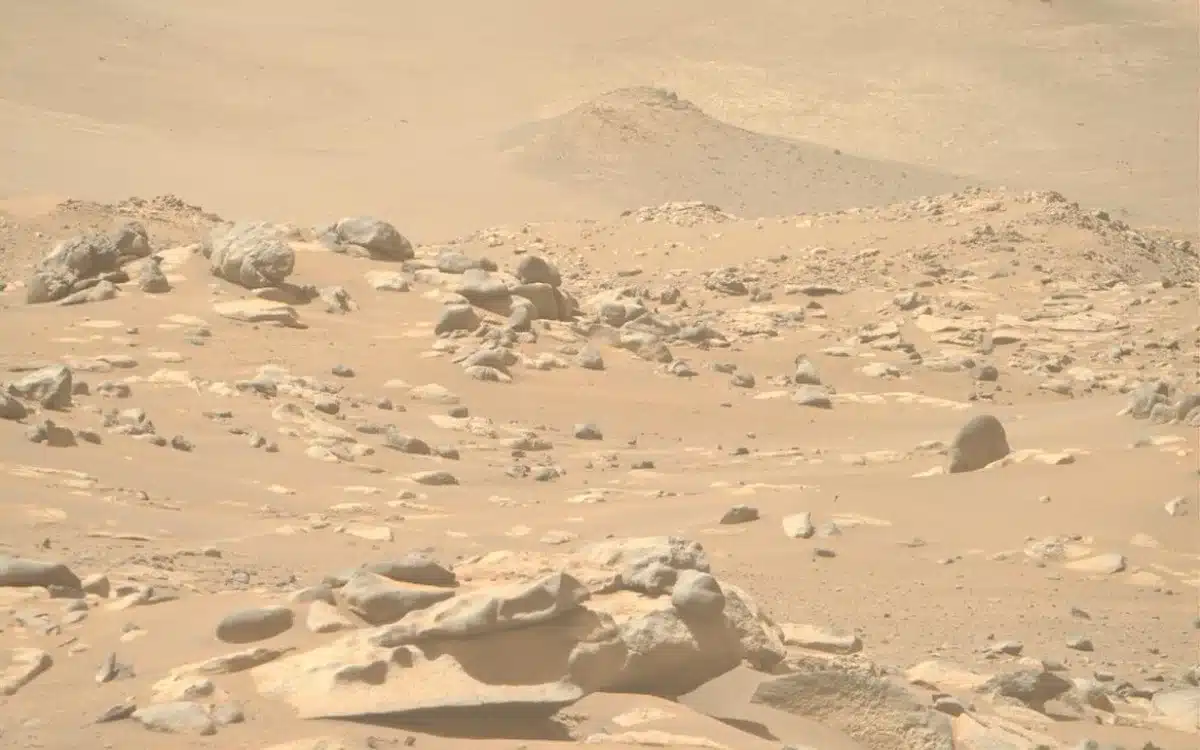

The Perseverance rover is exploring the surface of Mars, and it has been doing it for nearly three years now, sending images and footage back to Earth.
And the more we look at these images, the more we realize how similar it is to Earth.
READ MORE: Tesla Cybertruck spotted towing a gargantuan SpaceX rocket engine
The Perseverance rover landed on Mars in 2021 and it has been, well, ‘rovering’ around since.
It keeps sending back images and footage from Mars, and people correctly point out it looks so much like so many places on Earth.
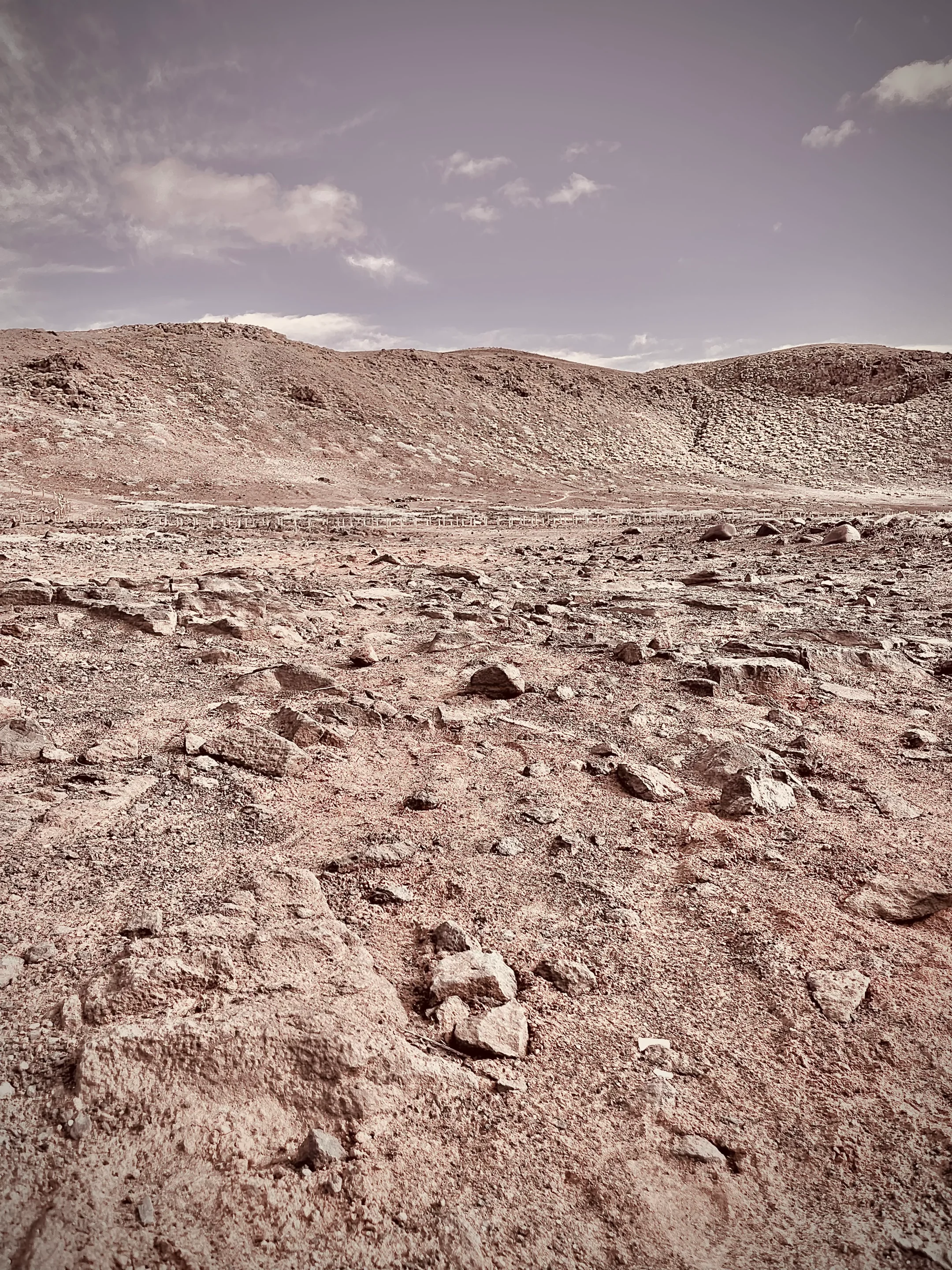
Deserted, arid and dusty, just like so many deserts in the US or ‘sierras’ in Spain.
The irony is that we tend to associate dry areas like a desert or a sierra with hot weather, but that’s definitely not the case on Mars.
It looks ‘baked’, but it’s actually frozen.
Pictured below – Left, desert in Las Palmas, Spain / Right, surface of Mars
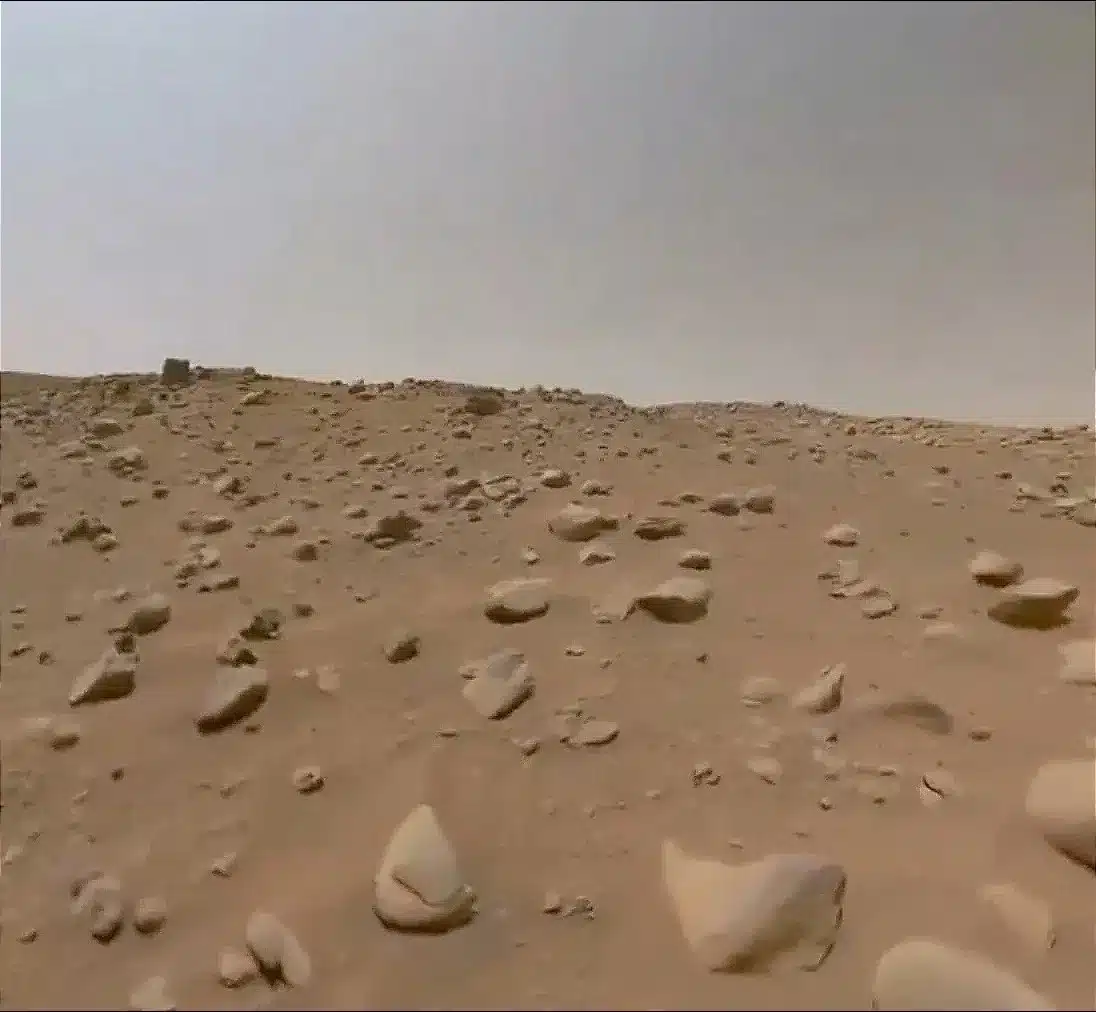
According to NASA, the surface temperature of Mars can easily reach -225 degrees Fahrenheit – or -153 degrees Celsius.
And even though it can also reach higher temperatures, as high as 70° Fahrenheit or 20° Celsius, the atmosphere is extremely thin, which means heat from the Sun easily escapes the planet.
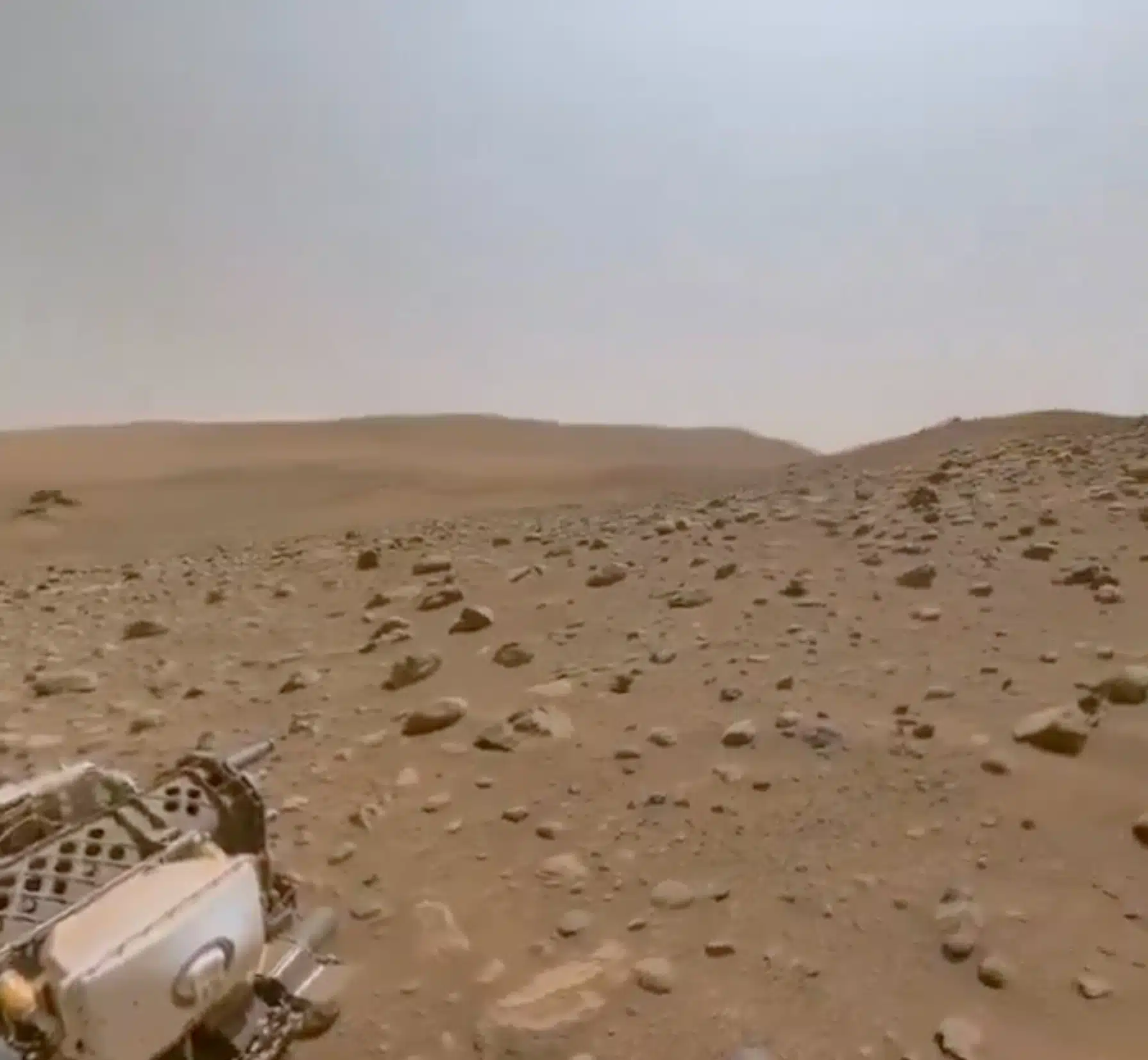
Mars is the next item on our ‘space agenda’.
NASA is teaming up with Elon Musk’s SpaceX to build a permanent human base on the Moon and after that, they want to take us, as in humanity, to Mars.
Setting foot on Mars would be a game changing achievement for humanity, but NASA was quick to quench the excitement regarding life on the Red Planet.
There are similarities, for example a full rotation takes around 24 hours, same as Earth rotation, but, according to NASA, “scientists don’t expect to find living things” currently on Mars.
“[Instead], they’re looking for signs of life that existed long ago, when Mars was warmer and covered with water”, NASA concluded in their statement.


Alessandro is an automotive journalist with 10 years of experience covering supercars, automotive history, emerging vehicle technology, and luxury transportation. He wrote the first article published on SupercarBlondie.com when the website launched in 2022 and has since built a reputation for insightful reporting across the automotive and transportation industries. His expertise is grounded in hands-on experience. Alessandro has driven every Tesla model ever produced, from the original Roadster to the Cybertruck, and regularly covers the latest developments in electric vehicles and automotive innovation. His passion for transportation extends beyond cars, he has even flown a Boeing 787 Dreamliner simulator in Addis Ababa, Ethiopia. His reporting spans everything from classic American muscle cars and rare automotive discoveries to luxury yachts, private aircraft, high-end watches, and cutting-edge vehicle technology. Known for his deep knowledge of automotive history and ability to uncover the stories behind iconic vehicles, Alessandro brings readers a blend of historical context, technical expertise, and first-hand experience.




