Hong Kong’s huge $19 billion bridge became known as a ‘ghost bridge’
- The bridge was designed to connect Hong Kong and Macau with mainland China
- It is roughly 34 miles (55 km) long
- It cost a whopping $19 billion to build
Published on Apr 09, 2024 at 4:24 AM (UTC-4)
by Alessandro Renesis
Last updated on Apr 11, 2024 at 4:39 AM (UTC-4)
Edited by
Kate Bain
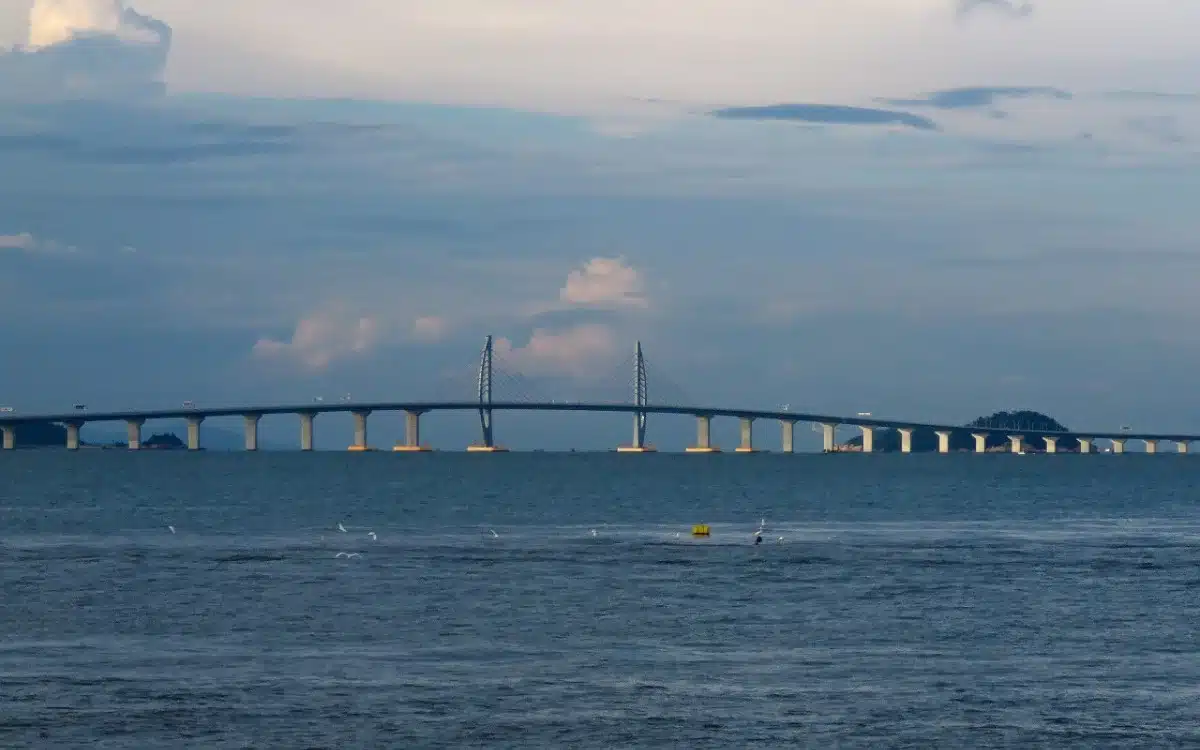

There’s a massive bridge in China that cost a fortune to build, but people have hardly ever used it since it was built.
The bridge connects Hong Kong and Macau with mainland China, and it only opened up a few years ago.
Because of the low traffic – although that may be changing – it had become known locally as the ‘ghost bridge’.
READ MORE: There is an entire town in Alaska that all live together under one roof
China has famously been spending a lot of cash on infrastructure for years, and it’s fair to say that not every project has worked out.
Sometimes they encounter unexpected issues, such as the bridge that’s literally built around a home because the homeowner simply refused to move.
Mind you, this isn’t simply China’s problem, other countries have similar issues, too.
Malaysia, for example, has a $100 billion city that’s now a ghost town.
This bridge is a bit different, though.
Sometimes, huge projects – such as the aforementioned ghost town – are built just to prove a point, or for marketing purposes.
But this bridge was built because it was deemed necessary.
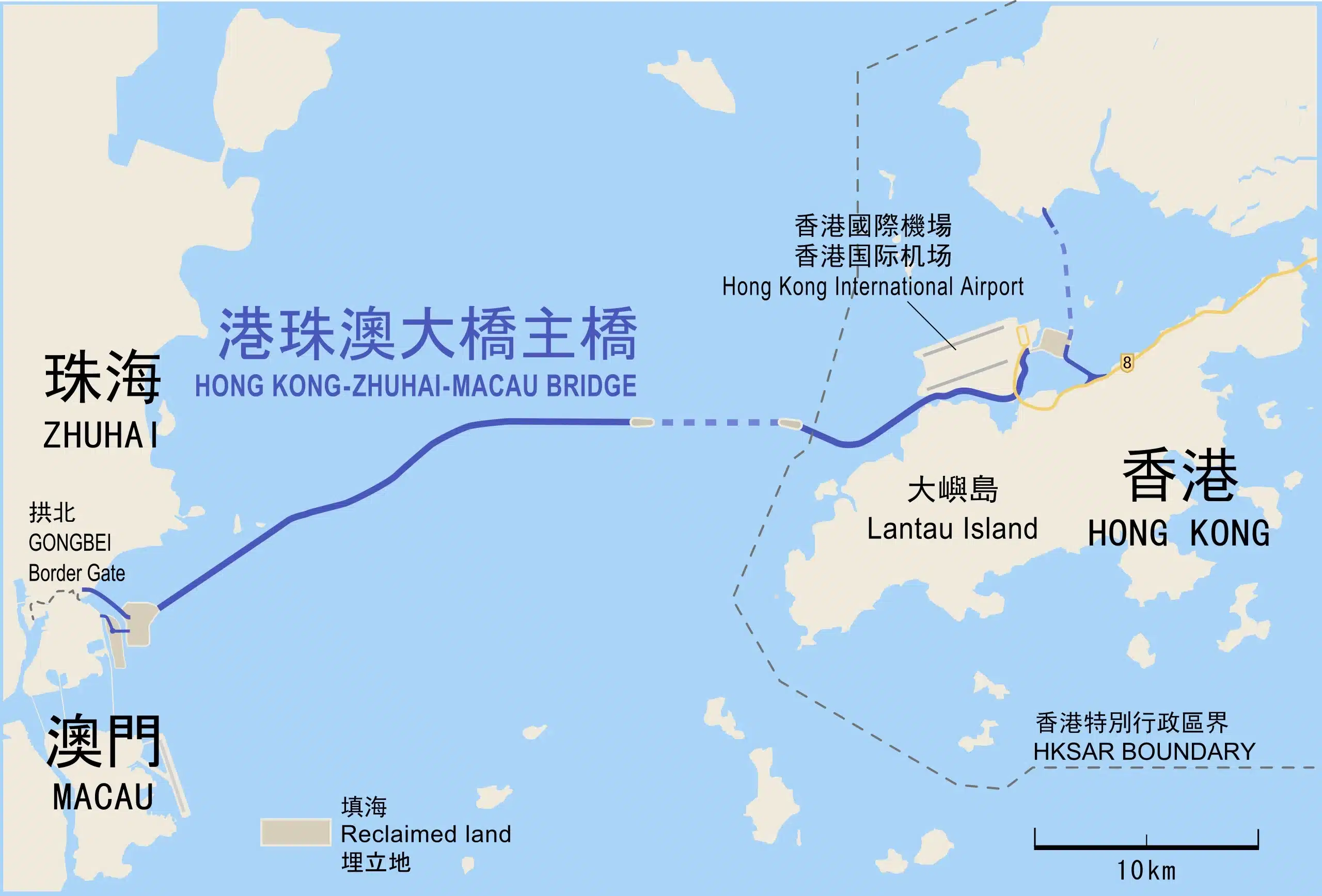
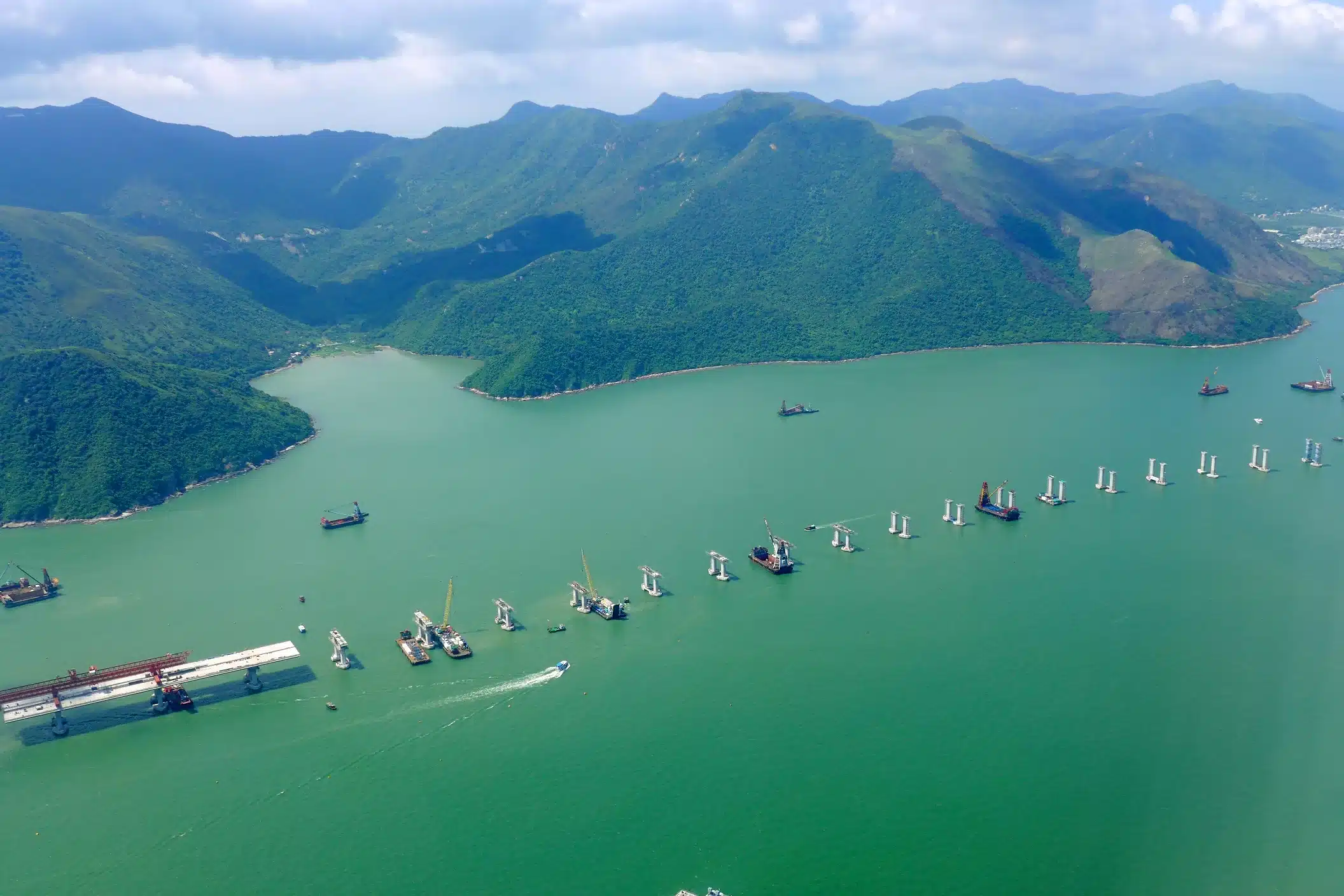
The Hong Kong-Zhuhai-Macau Bridge (HZMB) was inaugurated in 2018 and is 34 miles long – or 55 km.
The bridge crosses the Pearl River Estuary, connecting the enclave of Macau – the one that’s famous for its casinos – and Hong Kong, with the city of Zhuhai, which is located in what is known as ‘mainland’ China.
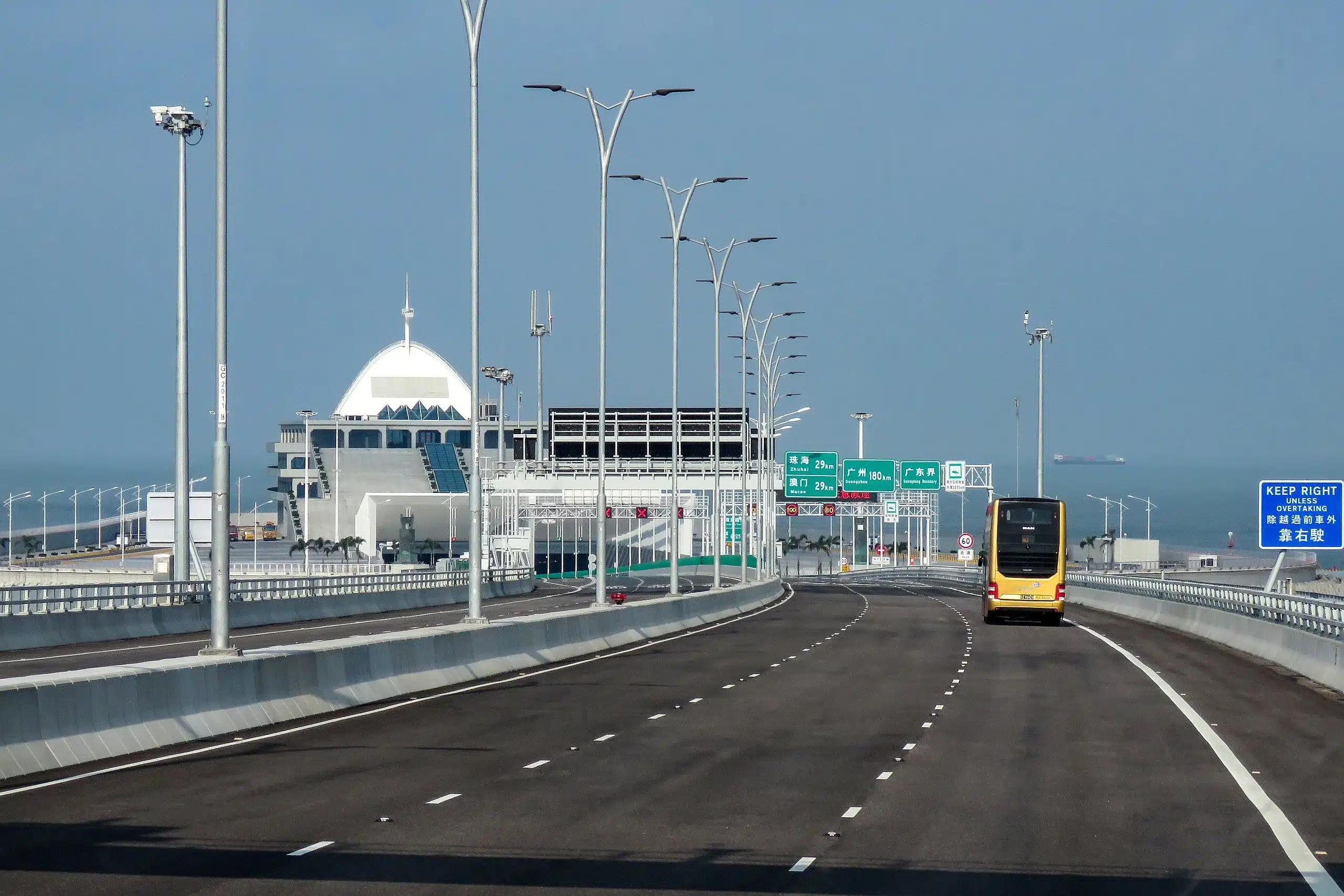
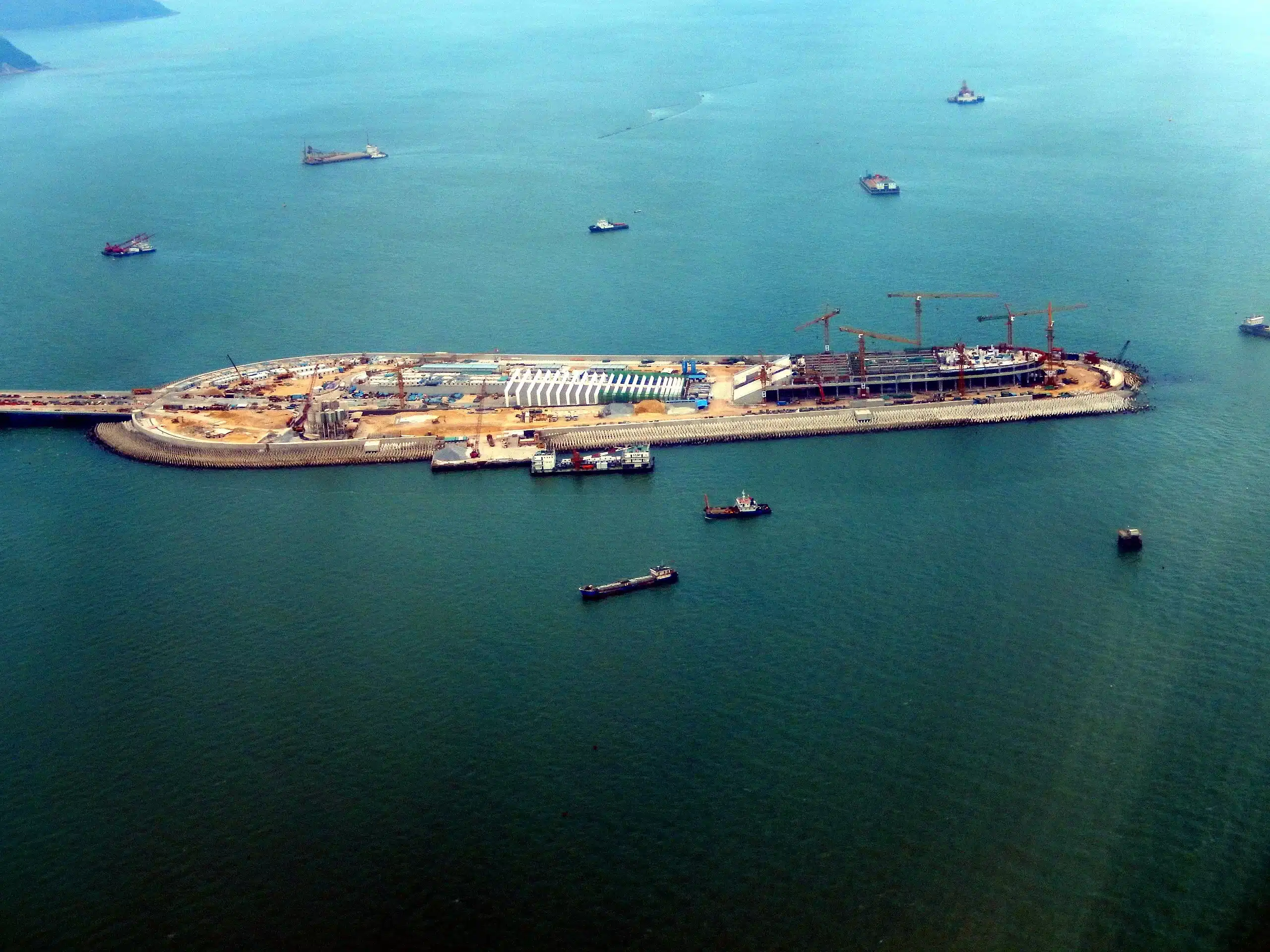
They even had to build an artificial island (below) to make building and crossing the bridge easier.
The bridge currently holds the world record for the longest sea-crossing bridge, as well as the longest open-sea fixed link.
Part of the reason why very few people have used it historically is that you can’t simply drive across it, you need papers in order to do that.
For starters, travelers must be permanent residents of Hong Kong and employed in Macau.
That specific limit is already narrowing down the potential pool of drivers who have access to the bridge.
But that’s only the first of many hurdles, including the fact applicants reportedly need to allow about two weeks – 12 working days – for the documentation process.
Even after that, there’s no guarantee they’ll be allowed to drive across the bridge, because entry has historically been limited to only 150 private cars per day – although the government says that has now changed.
So if you were 151st person that day, apparently you’d have been asked to go back and come again tomorrow.
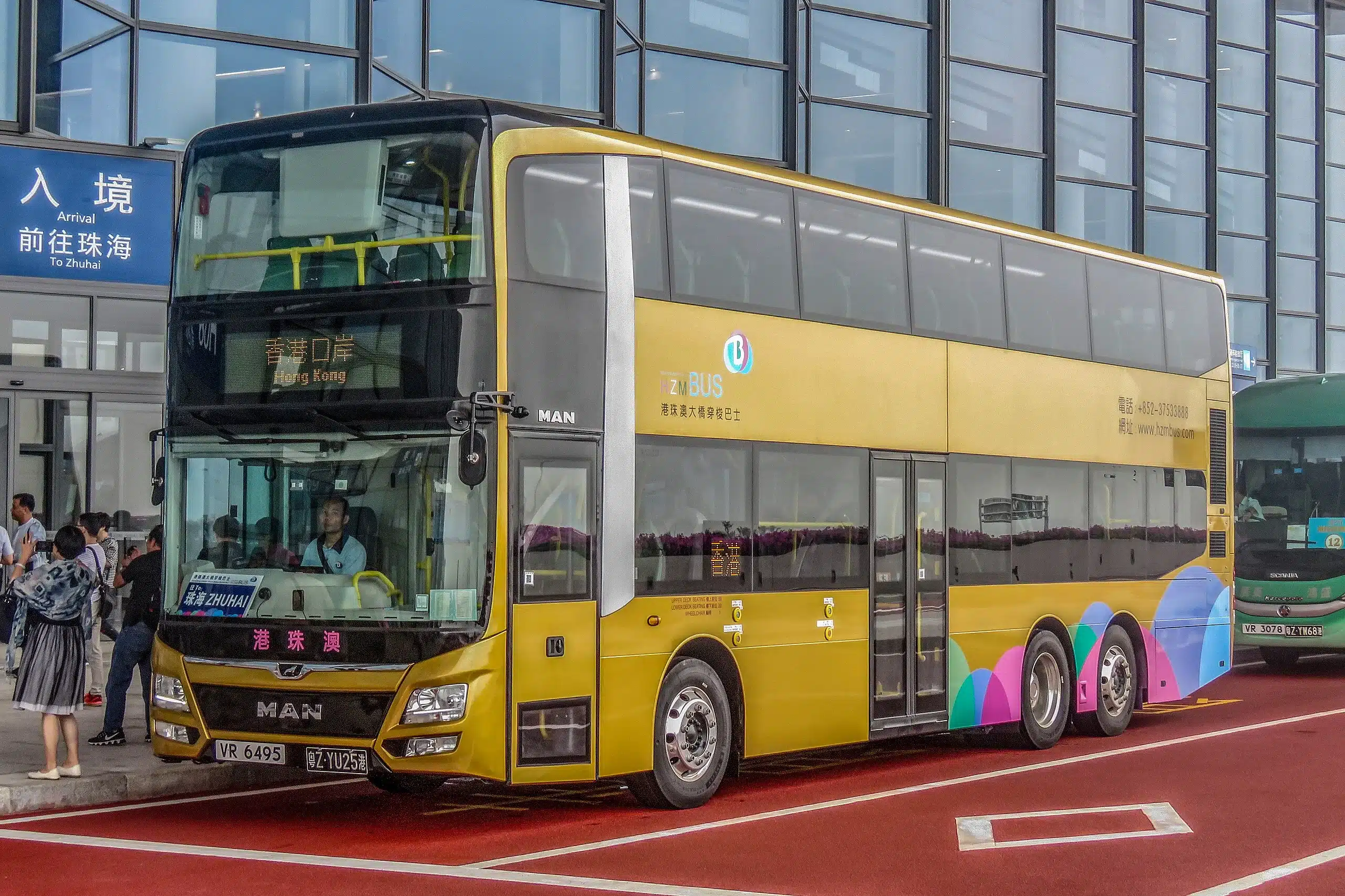
The ‘good news’ – so to speak – is that shuttle buses (below) carrying more passengers were also available.
Now, this all sounds very complicated but there’s actually more.
For example, say you’re a permanent resident of Hong Kong, employed in Macau, are willing to deal with the bureaucratic process involved, and get there early.
Even in that case, you’d have had to go through two border controls and adhere to a low speed limit, meaning the journey might have taken you a good while.
It’s a long bridge, remember?
It’s a pity, especially when you remember the bridge cost around $19 billion to build.
However, in recent times, the Chinese government has reported that the bridge has been enjoying record traffic, even logging 18,400 vehicles in one day.
A statement from the State Council Information Office on April 2 read: “From Thursday to Sunday, over 484,900 passengers and 68,700 vehicles, both inbound and outbound, passed through the port, as reported by the border inspection station of the HZMB, the world’s longest bridge-and-tunnel sea crossing.
“During the period, the total number of Hong Kong tourists exceeded 280,000, making up about 59 percent of the total passenger flow, with a daily peak reaching 80,000, according to the inspection station.”
Alessandro is an automotive journalist with 10 years of experience covering supercars, automotive history, emerging vehicle technology, and luxury transportation. He wrote the first article published on SupercarBlondie.com when the website launched in 2022 and has since built a reputation for insightful reporting across the automotive and transportation industries. His expertise is grounded in hands-on experience. Alessandro has driven every Tesla model ever produced, from the original Roadster to the Cybertruck, and regularly covers the latest developments in electric vehicles and automotive innovation. His passion for transportation extends beyond cars, he has even flown a Boeing 787 Dreamliner simulator in Addis Ababa, Ethiopia. His reporting spans everything from classic American muscle cars and rare automotive discoveries to luxury yachts, private aircraft, high-end watches, and cutting-edge vehicle technology. Known for his deep knowledge of automotive history and ability to uncover the stories behind iconic vehicles, Alessandro brings readers a blend of historical context, technical expertise, and first-hand experience.