How NASA astronaut Frank Rubio’s body changed after more than a year in space
- Frank Rubio is a NASA astronaut
- He spent a record-breaking 371 days in space
- During that time, his body changed quite a bit
Published on Apr 01, 2024 at 1:35 AM (UTC-4)
by Alessandro Renesis
Last updated on Apr 01, 2024 at 1:35 AM (UTC-4)
Edited by
Tom Wood
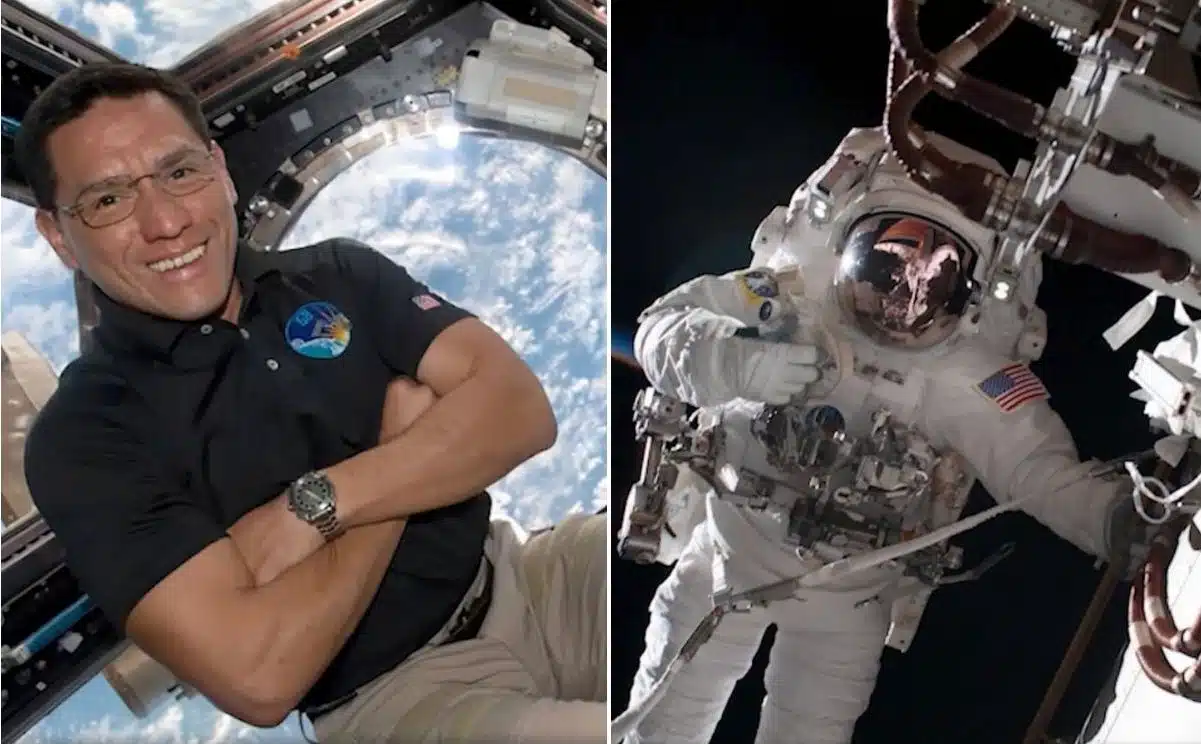

NASA astronaut Frank Rubio just got home after spending over a year in space.
The 47-year-old set the world record for the longest time spent in space by a US astronaut, but this comes at a cost.
READ MORE: NASA asteroid sample set to shed light on the solar system’s origins lands safely on Earth
Rubio was able to set foot on Earth for the first time in exactly 371 days at 7:17 ET on September 29 in Kazakhstan, according to a press release by NASA.
And this actually brings us to the first of many consequences of spending that much time in space.
When we say ‘he set foot’, we only mean this metaphorically.
NASA astronaut Frank Rubio returns home from space after a record-setting 371 days pic.twitter.com/LGTOAIQpEQ
— TIME (@TIME) September 27, 2023
Having lived for over a year in microgravity, Rubio will need some time to readapt to Earth’s gravity and even walking may take a few weeks.
The absence of Earth’s gravity also causes a decrease in muscle mass and bone density, too.
Dr. Jennifer Fogarty, a doctor from Baylor College who works with NASA, said the biggest changes in bone and muscle loss occur in the first couple of months of a mission.
After the first few months, the body adjusts to the new condition and things get better.
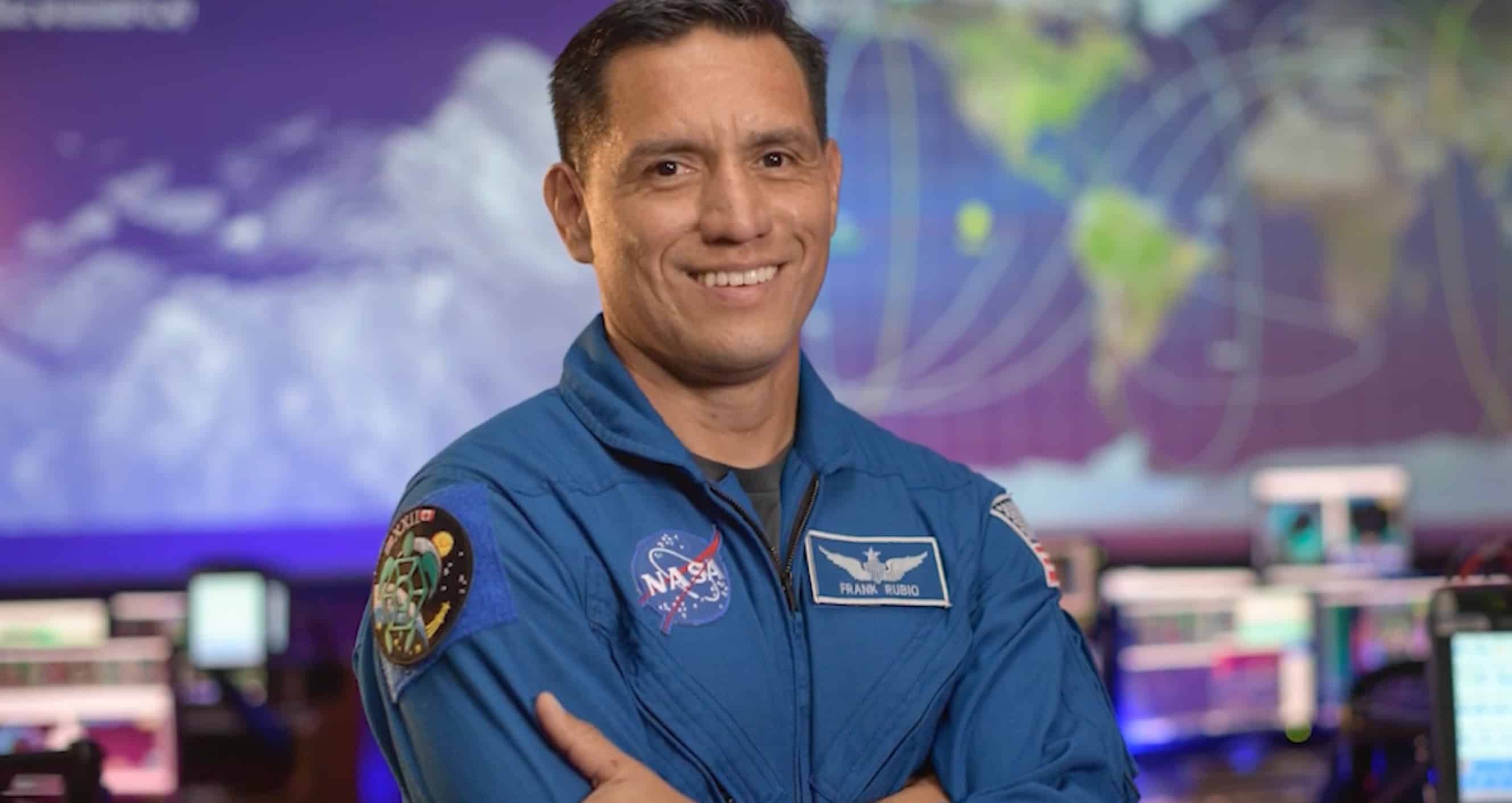
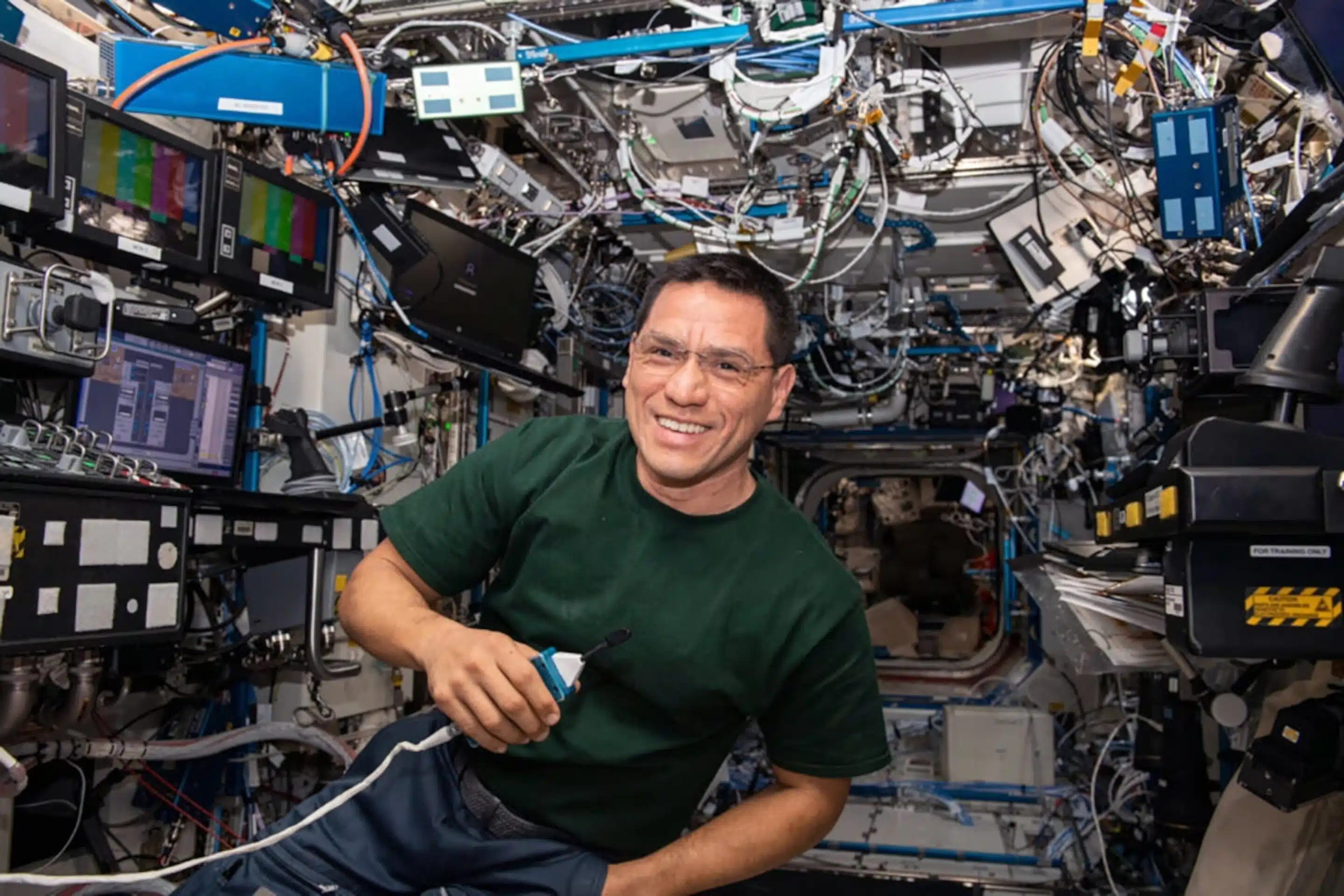
“How do you coordinate movement like walking, which you haven’t done for a long period of time, and then the idea of balance? When you put those two together, it can create a precarious situation,” Dr. Fogarty said.
Furthermore, Dr. Fogarty explains how your blood flow changes when living in weightless microgravity, which can cause eye swelling or blurry vision.
“Existing in a weightless environment is one of the most foreign things biologically that the body has to deal with,” Dr. Fogarty added.
NASA astronaut Scott Kelley spent 340 days in space between 2015 and 2016 and his physician said said 90 percent of these changes were resolved within a few months of Kelley’s return.
However, in addition to physical changes, which are generally temporary, astronauts also have to deal with psychological effects that come from being isolated for an extended period of time.
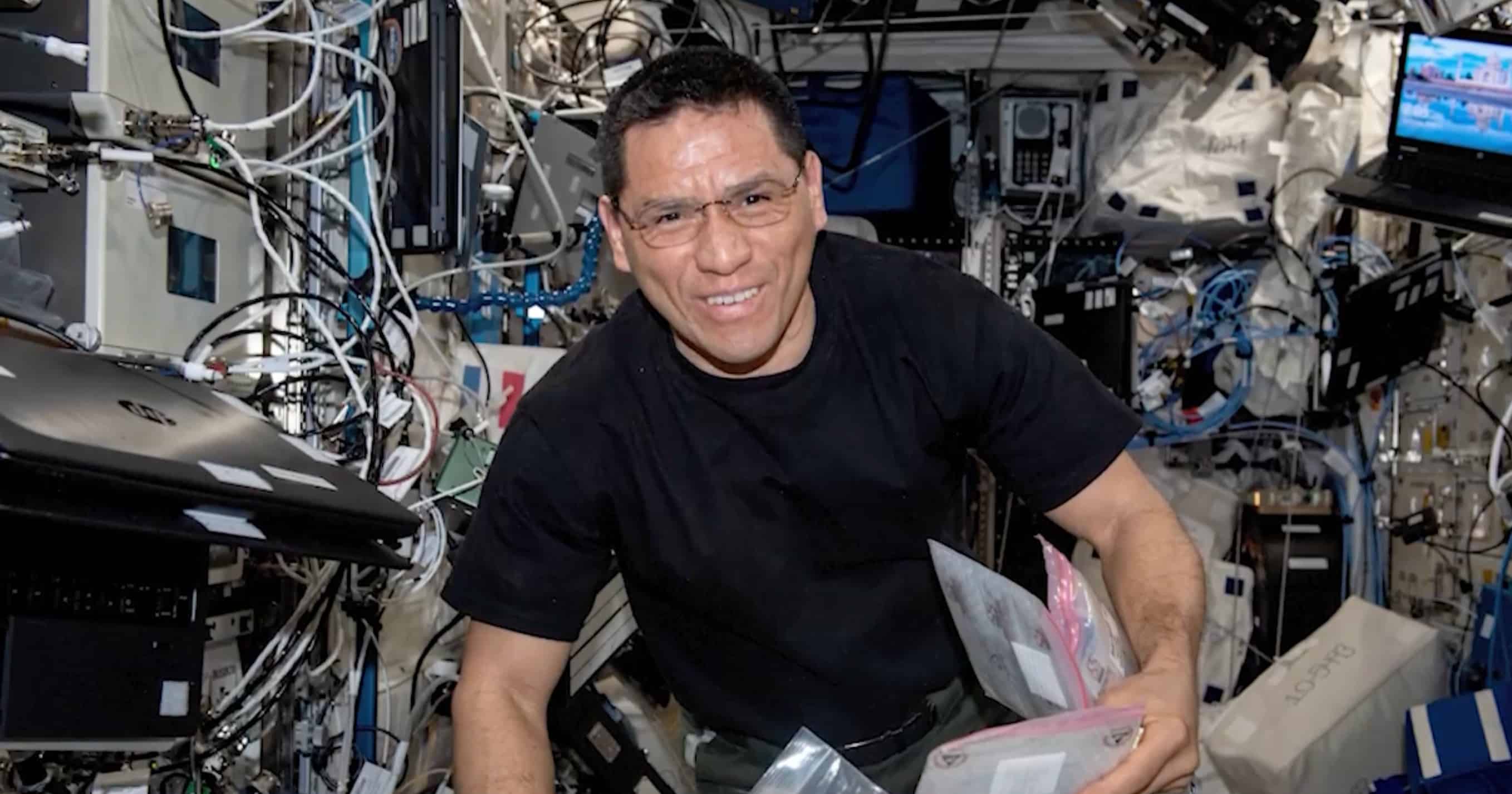
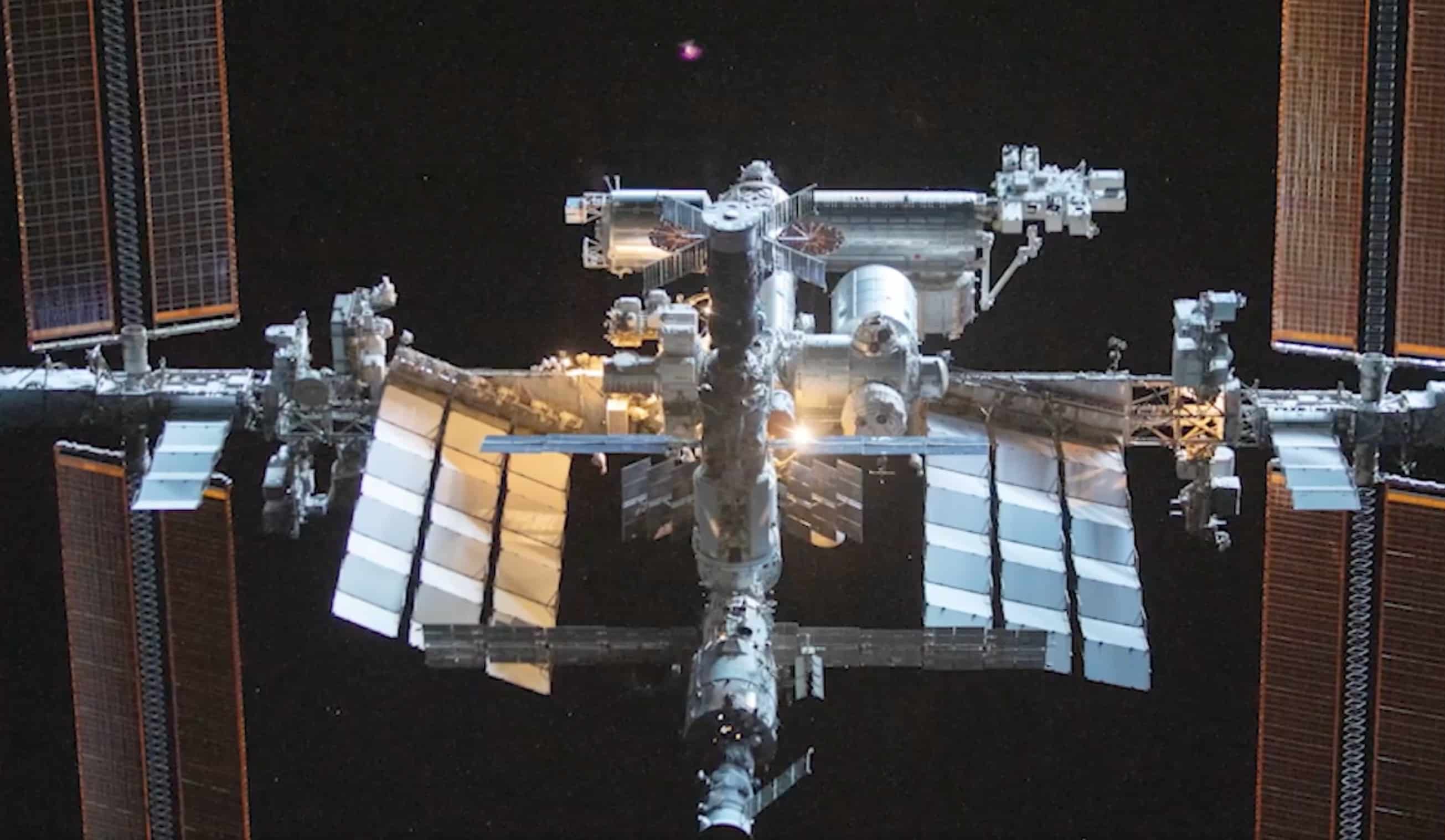
Psychologically, the biggest issue is sensory deprivation, which can cause anxiety and sleep loss.
Fogarty added that the unexpected can always occur, so the best thing NASA can do is make sure astronauts are well-trained and prepared.
“We can select people, train them and make sure they’re very healthy before they go,” Fogarty said.
Now that the space race is back in full swing, we can expect to learn more on that front.
And it’s not just NASA either as new ‘space superpowers’ are emerging.
Not that long ago, India became the fourth country to land on the Moon, and the first to ever reach the South Pole of Earth’s satellite.
Related
Alessandro is an automotive journalist with 10 years of experience covering supercars, automotive history, emerging vehicle technology, and luxury transportation. He wrote the first article published on SupercarBlondie.com when the website launched in 2022 and has since built a reputation for insightful reporting across the automotive and transportation industries. His expertise is grounded in hands-on experience. Alessandro has driven every Tesla model ever produced, from the original Roadster to the Cybertruck, and regularly covers the latest developments in electric vehicles and automotive innovation. His passion for transportation extends beyond cars, he has even flown a Boeing 787 Dreamliner simulator in Addis Ababa, Ethiopia. His reporting spans everything from classic American muscle cars and rare automotive discoveries to luxury yachts, private aircraft, high-end watches, and cutting-edge vehicle technology. Known for his deep knowledge of automotive history and ability to uncover the stories behind iconic vehicles, Alessandro brings readers a blend of historical context, technical expertise, and first-hand experience.