The Isuzu VehiCROSS is a forgotten car but showcased incredible offroad skills
- The Isuzu VehiCROSS was fitted with advanced technical features for its time
- It was available with either a 3.2-liter V6 or a 3.5-liter V6
- Isuzu sold around 5,900 units
Published on Mar 22, 2024 at 8:28 AM (UTC-4)
by Alessandro Renesis
Last updated on Mar 25, 2024 at 5:20 AM (UTC-4)
Edited by
Tom Wood
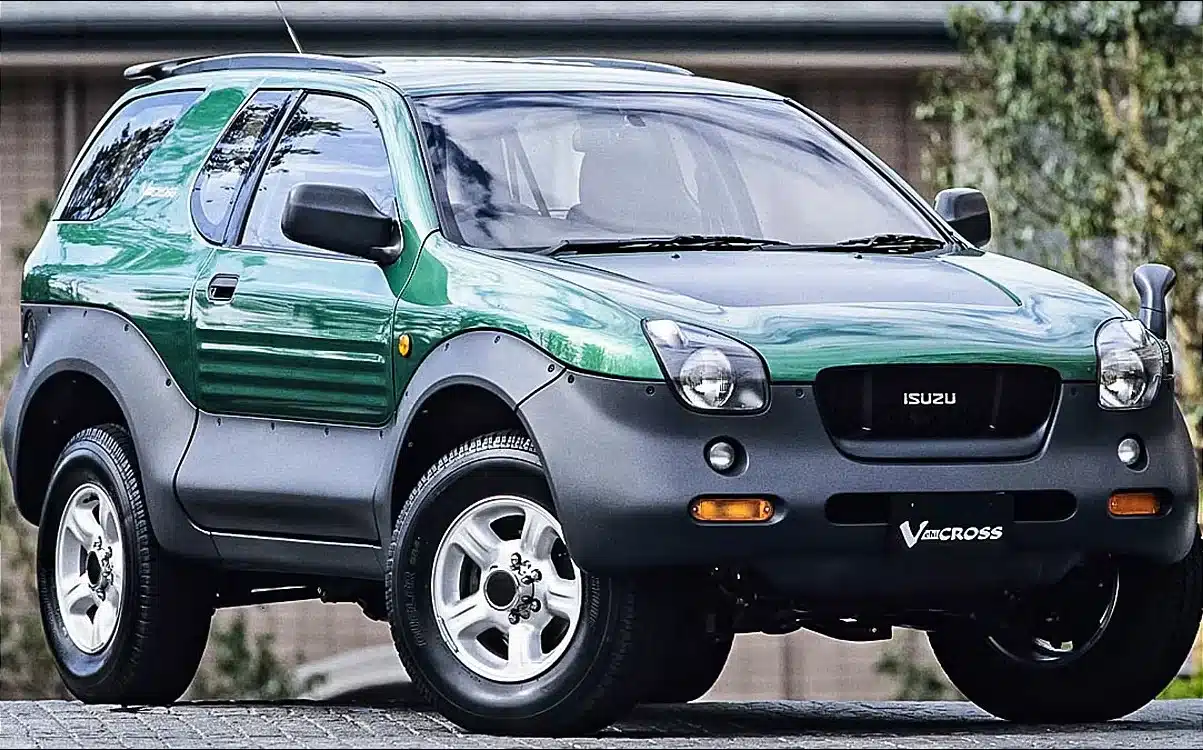

Isuzu is a brand we often forget about, but we probably shouldn’t.
This, for example, is the Isuzu VehiCROSS and it’s one of the most underrated off-roaders ever.
READ MORE: 3 supercars have been locked in abandoned Chinese dealership for 12 years
Isuzu VehiCROSS was unveiled as a concept for the first time in 1993, and the production model followed a few years later, in 1997.
A compact SUV with three doors and some quirky design cues, the VehiCROSS was first and foremost relatively lightweight for an off-roader, and that always makes a difference.
The VehiCROSS tipped the scales at just under 1,800kg.
The Cybertruck, for reference, is nearly twice as heavy, even though it is actually lighter than originally predicted.
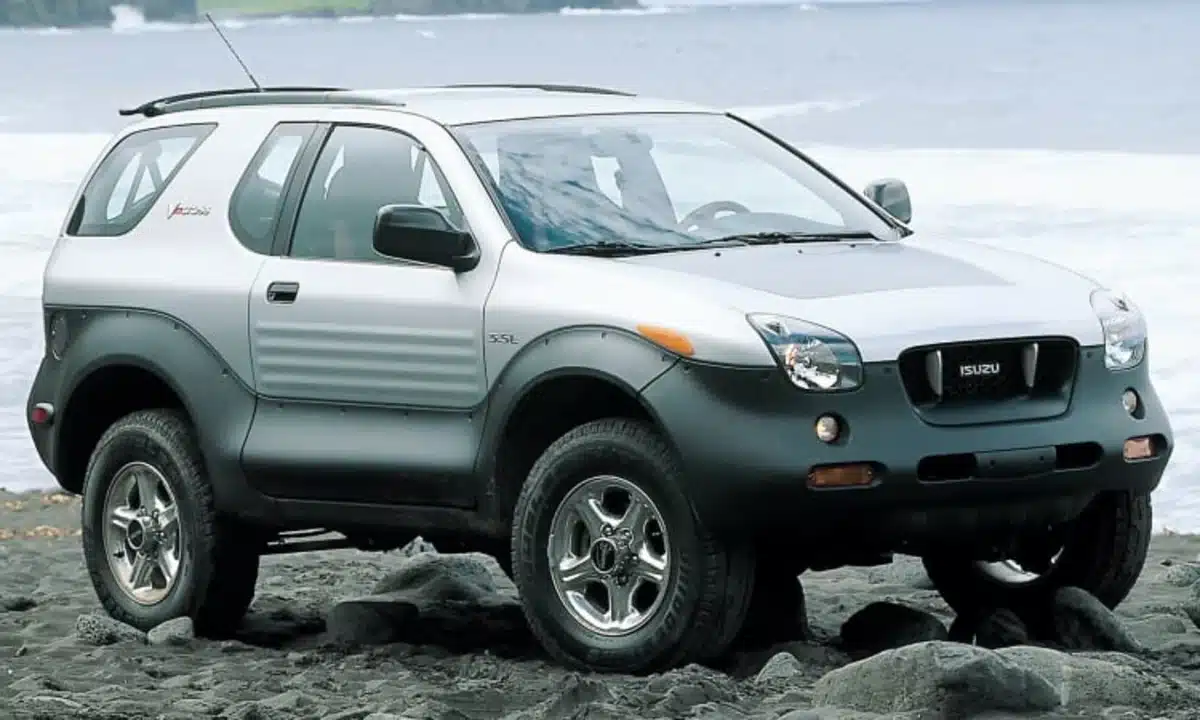
In terms of its powertrain, the VehiCROSS was available with two different types of V6, a 3.2-liter and a 3.5-liter, with the latter producing 215 hp.
More importantly, it was already pretty clever and advanced for its time.
Among other things, it was fitted with titanium ‘teeth’ at the front – like Kanye West, apparently – which strengthened the grille to protect the radiator and the chassis.
It also had 12 independent sensors for detecting wheel spin and redirecting power and torque as and when necessary.
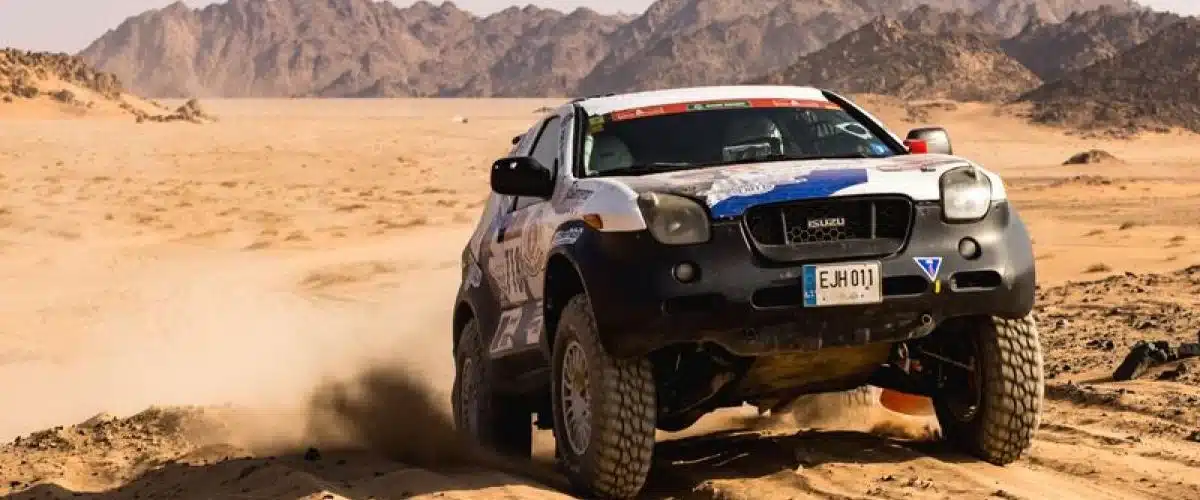
In fact, the VehiCROSS is so good that even now, 23 years later, there are race teams that still use it for the world’s famous Dakar Rally.
Unfortunately, it didn’t really do much for Isuzu in terms of sales.
For some reason, Isuzu decided to market the VehiCROSS as a limited-edition vehicle – so to speak – by deliberately keeping production numbers low.
Only 5,900+ units were delivered between 1997 and 2001, and the car was exclusively available in the US, which was its main market with roughly 4,500 units sold, and Japan.
It’s a pity, but that’s the way things are.
Related
Alessandro is an automotive journalist with 10 years of experience covering supercars, automotive history, emerging vehicle technology, and luxury transportation. He wrote the first article published on SupercarBlondie.com when the website launched in 2022 and has since built a reputation for insightful reporting across the automotive and transportation industries. His expertise is grounded in hands-on experience. Alessandro has driven every Tesla model ever produced, from the original Roadster to the Cybertruck, and regularly covers the latest developments in electric vehicles and automotive innovation. His passion for transportation extends beyond cars, he has even flown a Boeing 787 Dreamliner simulator in Addis Ababa, Ethiopia. His reporting spans everything from classic American muscle cars and rare automotive discoveries to luxury yachts, private aircraft, high-end watches, and cutting-edge vehicle technology. Known for his deep knowledge of automotive history and ability to uncover the stories behind iconic vehicles, Alessandro brings readers a blend of historical context, technical expertise, and first-hand experience.