Scientists make breakthrough 1.75 billion-year-old discovery about origin of life
- So far we’ve been able to trace the origins of life on Earth to a few hundred million years ago
- A recent discovery changes that, and it’s billions of years, rather than millions
- Scientists agree that this is when organisms became capable of producing oxygen through photosynthesis
Published on Jan 05, 2024 at 11:03 AM (UTC-5)
by Alessandro Renesis
Last updated on Jan 08, 2024 at 5:54 AM (UTC-5)
Edited by
Amelia Jean Hershman-Jones
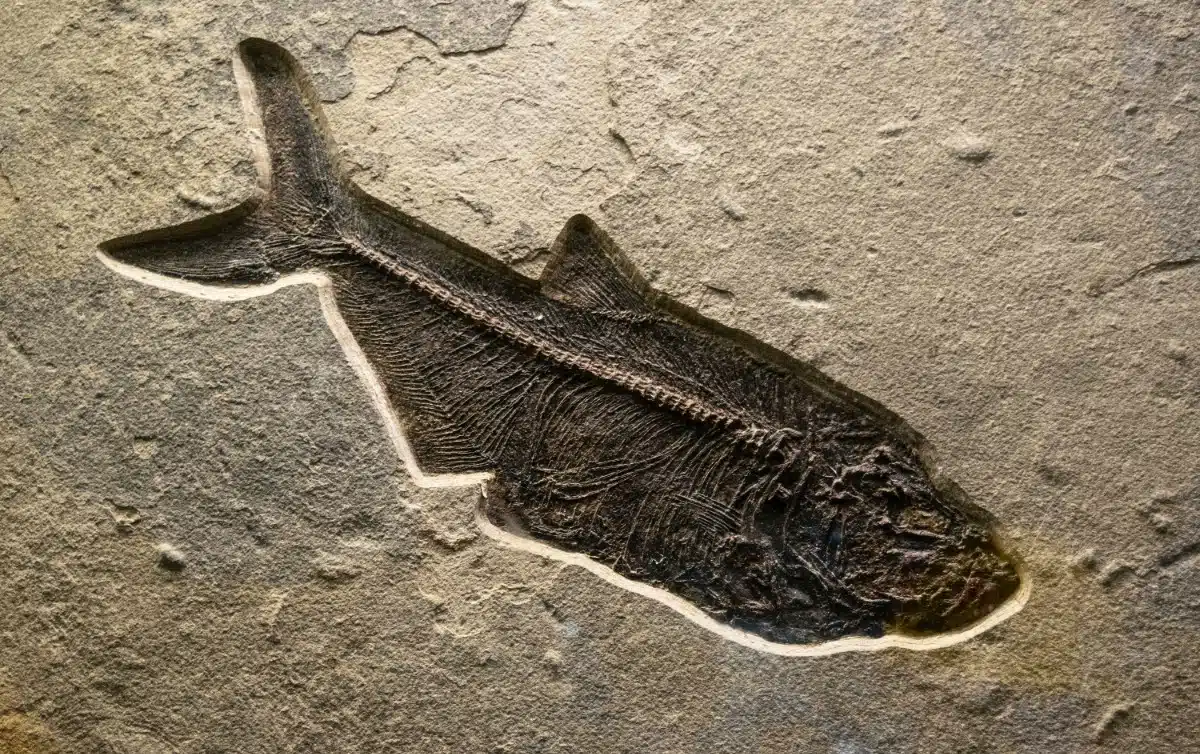

There’s still a lot we don’t know about the origin of life on Earth.
However, a recent breakthrough discovery might get us closer to a precise answer.
READ MORE: NASA reveals what it takes to become an astronaut
Most scientists agree that one of the best ways to find out when life as we know it started is go back and look for evidence of oxygenic photosynthetic structures.
In other words, to find out when the first organisms capable of turning sunlight into energy and oxygen appeared.
Scientists have discovered new fossilized bacteria from Australia and Canada that could potentially be capable of photosynthesis.
If confirmed, it would push back the origin of photosynthesis by 1.2 billion years.
This would mean complex life on Earth started 1.7 billion years ago.
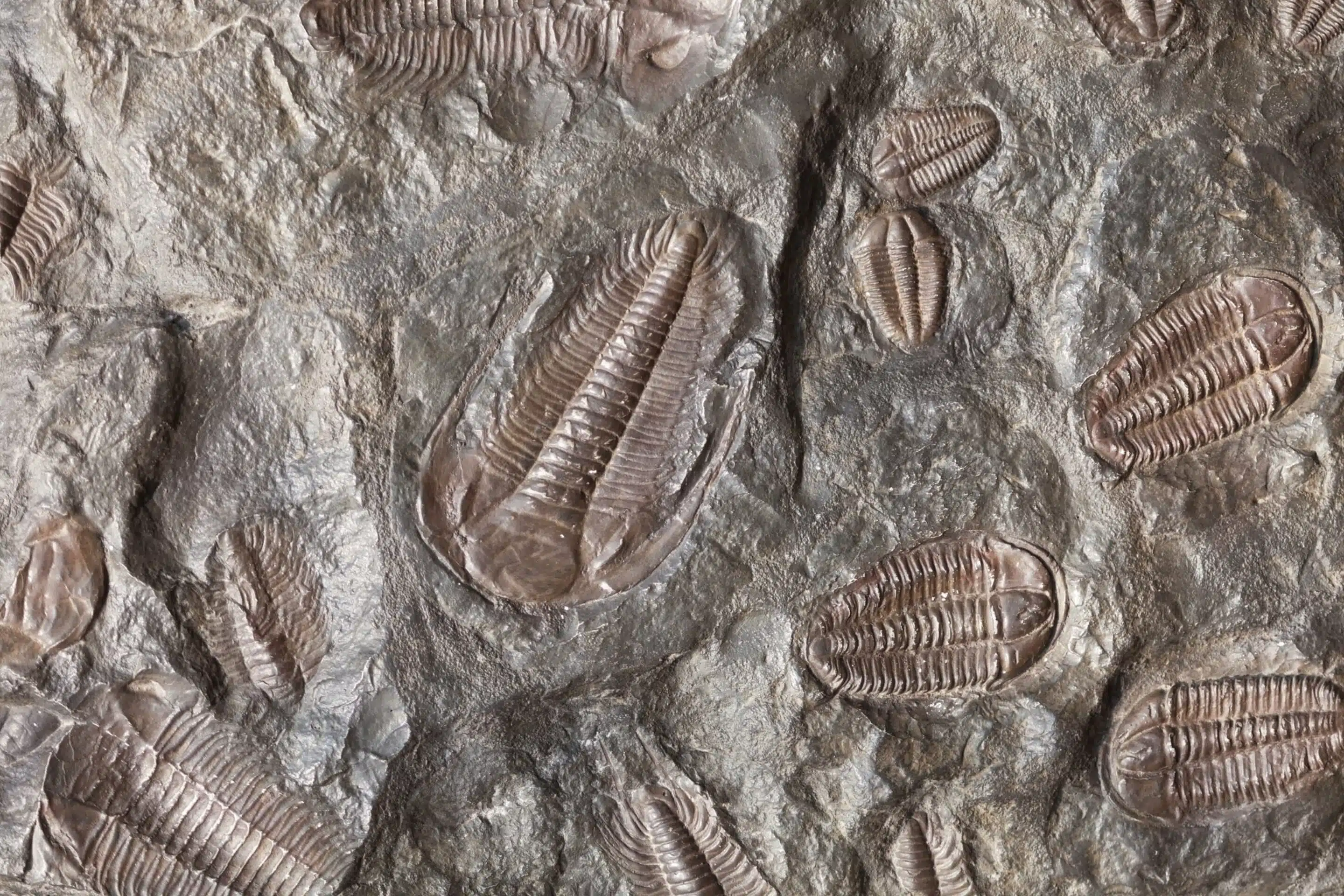
The current consensus among scientists is that early organisms were capable of delivering a primitive form of photosynthesis, ie without actually producing oxygen, 3 billion years ago.
But it took a while to turn that into ‘modern’ photosynthesis.
Today, the vast majority of algae, bacteria and plants that photosynthesize make oxygen.
The key event that led to the creation of life was the so-called Great Oxygenation Event, which is when our gas dense atmosphere began filling with oxygen.
According to a study co-authored by Emmanuelle Javaux from the University of Liège in Belgium, this event was crucial because it began modifying the chemistry of Earth’s oceans and atmosphere.
To call it a complex matter would be an understatement.

So far, scientists have been able to establish with a significant degree of accuracy that the first organisms that we’d realistically call ‘animals’ appeared between 574 and 485 million years ago.
It gets more complicated when talking about humans.
Depending on how we define ‘humans’, some believe we appeared two millions years ago.
But if we are considering ‘modern’ humans, as in fully distinct from other primates, then we’re ‘only’ 200,000 years old.
It feels like progress in this field will be exponential.
And this isn’t the only major scientific breakthrough we’re entering 2024 with: we’re now able to talk to whales and decrypt signals from space.
What a time to be alive.
It’s only a matter of time before we find out when it all began.


Alessandro is an automotive journalist with 10 years of experience covering supercars, automotive history, emerging vehicle technology, and luxury transportation. He wrote the first article published on SupercarBlondie.com when the website launched in 2022 and has since built a reputation for insightful reporting across the automotive and transportation industries. His expertise is grounded in hands-on experience. Alessandro has driven every Tesla model ever produced, from the original Roadster to the Cybertruck, and regularly covers the latest developments in electric vehicles and automotive innovation. His passion for transportation extends beyond cars, he has even flown a Boeing 787 Dreamliner simulator in Addis Ababa, Ethiopia. His reporting spans everything from classic American muscle cars and rare automotive discoveries to luxury yachts, private aircraft, high-end watches, and cutting-edge vehicle technology. Known for his deep knowledge of automotive history and ability to uncover the stories behind iconic vehicles, Alessandro brings readers a blend of historical context, technical expertise, and first-hand experience.




