NASA begins project to build first railway station on the Moon
- NASA wants to build a railway system on the Moon
- The railway system is called FLOAT, ‘Floating Levitation on a Track’
- FLOAT will be able to transport up to 100,000 kg of payload daily
Published on May 13, 2024 at 4:23 AM (UTC-4)
by Alessandro Renesis
Last updated on May 14, 2024 at 9:46 AM (UTC-4)
Edited by
Tom Wood
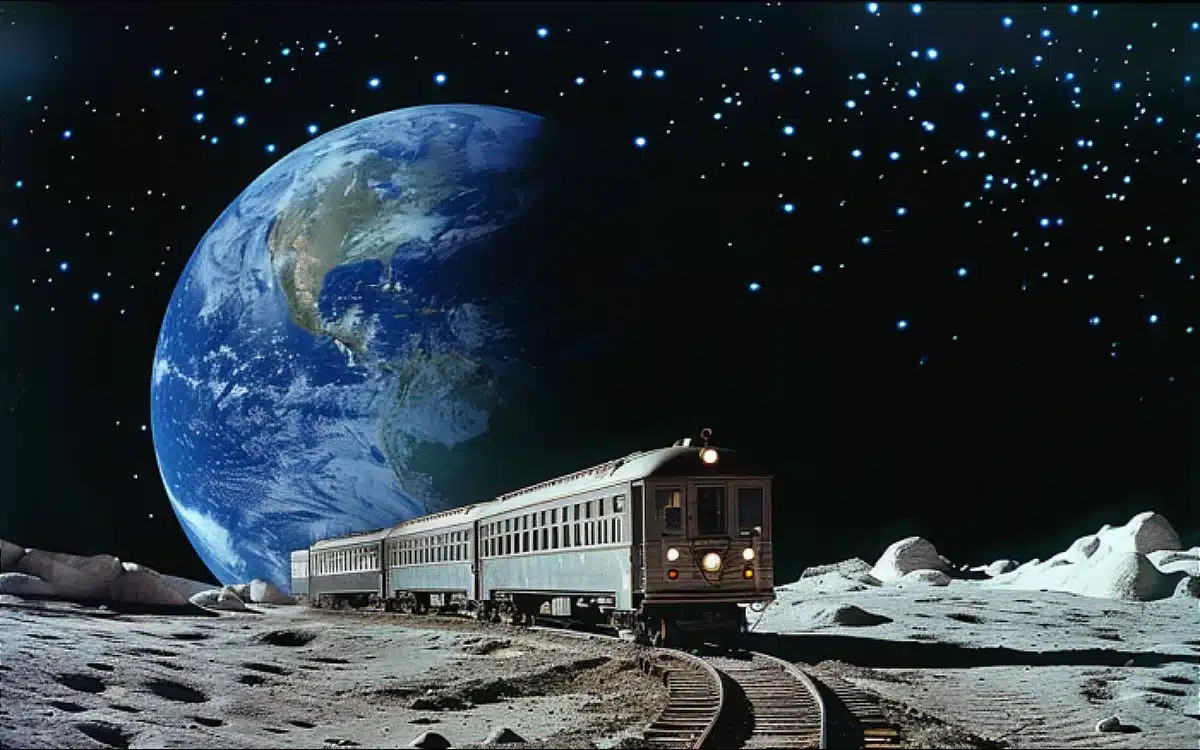

Elon Musk has been beating the drum for the idea of making our species, humans, multi-planetary and it seems that space agencies, including NASA, are taking him seriously.
After agreeing to partner up with SpaceX to build a permanent base on the Moon, NASA is now planning to build a railway station.
It sounds like the stuff of sci-fi movies, but it’s a lot more nuanced than we think.
READ MORE: Trailblazing spacecraft reaches moon and sends back images
NASA teamed up with SpaceX for this mission, and they – of course – gave it a name, ‘Artemis’.
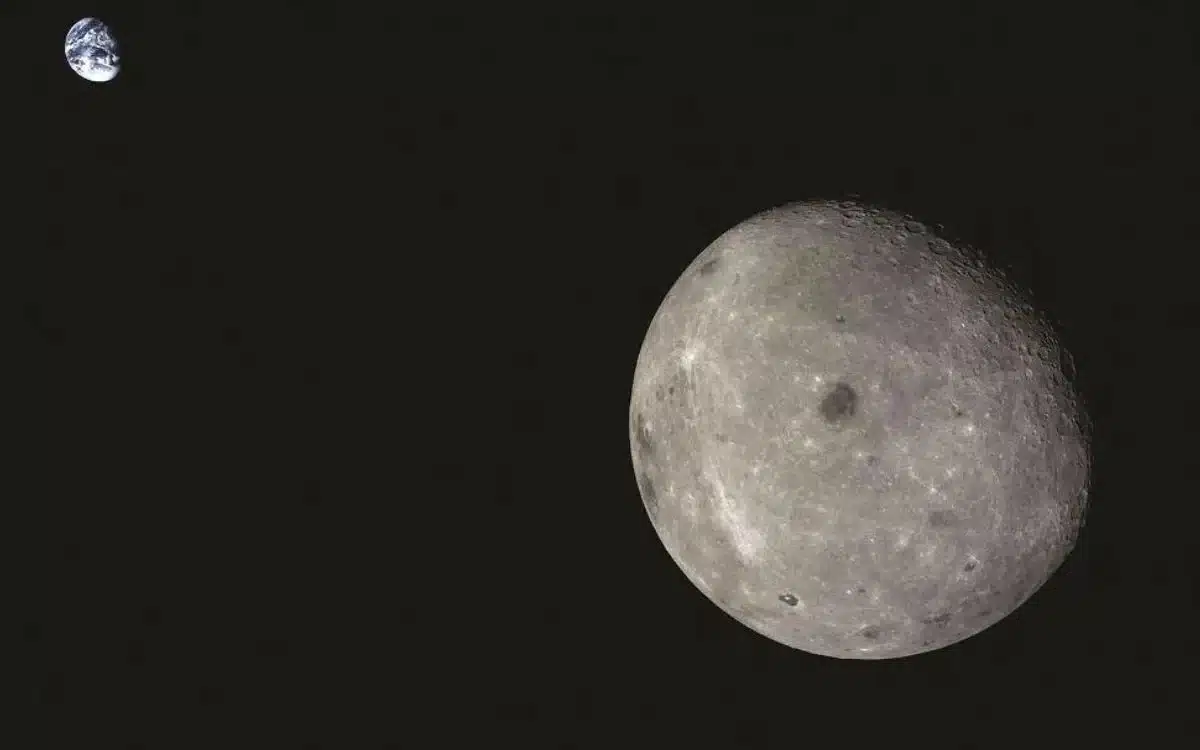
The idea is to build a permanent base on the lunar surface where humans can live for a few months out of the year.
It sounds like the perfect space exploration movie plot, but the railway isn’t designed for people, it is actually designed for something a bit more ‘mundane’, it will be built to transport ‘stuff’.
When we hear about these missions, we often stumble across the word ‘payload’.
And that’s the whole point of the railway.
NASA already operates various spacecraft and vehicles to monitor and explore the surface of the Moon and Mars.
These missions are often unmanned but require tons of equipment worth billions of dollars.
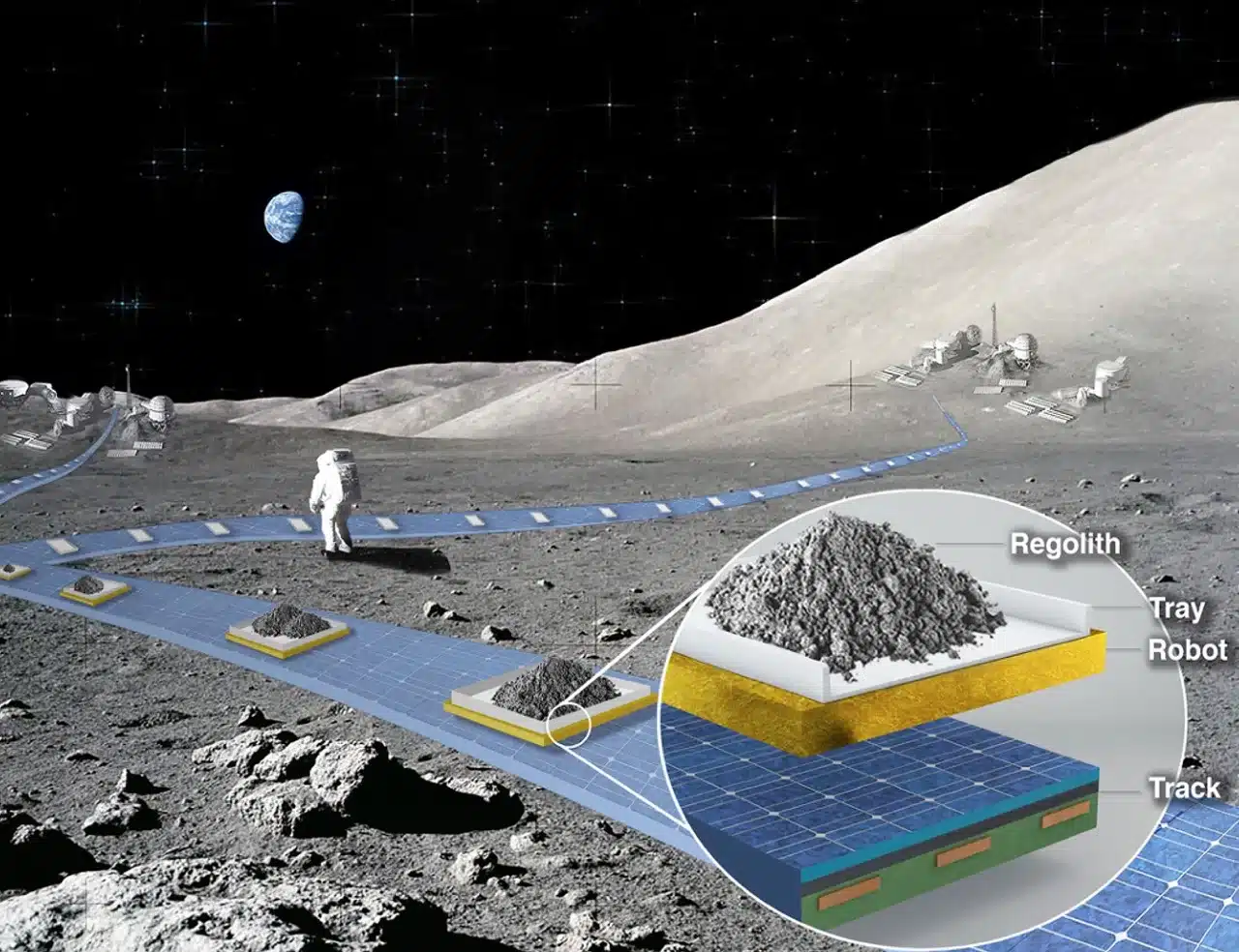
That’s the idea behind the railway system, which will have to transport up to 100,000 kg of payload daily, at 0.5 meters per second.
As per usual, NASA came up with a cool acronym for the system.
They call it the ‘Flexible Levitation on a Track’, or FLOAT.

FLOAT will use magnetic levitation on a film track, thus reducing wear from Lunar dust while also minimizing potential damage to the surface of Earth’s natural satellite.
The first phase of the project will see NASA testing prototypes on Earth first, but the goal is to have the Moon base up and running by the end of the 2030s.
The deadline sounds a bit optimistic, but then again these deadlines often do.


Alessandro is an automotive journalist with 10 years of experience covering supercars, automotive history, emerging vehicle technology, and luxury transportation. He wrote the first article published on SupercarBlondie.com when the website launched in 2022 and has since built a reputation for insightful reporting across the automotive and transportation industries. His expertise is grounded in hands-on experience. Alessandro has driven every Tesla model ever produced, from the original Roadster to the Cybertruck, and regularly covers the latest developments in electric vehicles and automotive innovation. His passion for transportation extends beyond cars, he has even flown a Boeing 787 Dreamliner simulator in Addis Ababa, Ethiopia. His reporting spans everything from classic American muscle cars and rare automotive discoveries to luxury yachts, private aircraft, high-end watches, and cutting-edge vehicle technology. Known for his deep knowledge of automotive history and ability to uncover the stories behind iconic vehicles, Alessandro brings readers a blend of historical context, technical expertise, and first-hand experience.




