US speaks out on what most UFO sightings actually are
- UFO sightings became hugely popular in the 1950s and 1960s, and they’re still a thing now
- The Pentagon shared a comprehensive report to explain what most of these sightings might be
- Interestingly, UFO is no longer the term we should be using, apparently, as the Pentagon came up with a new one
Published on Mar 11, 2024 at 5:29 AM (UTC-4)
by Alessandro Renesis
Last updated on Mar 12, 2024 at 5:05 AM (UTC-4)
Edited by
Adam Gray


UFO sightings are one of the most intriguing topics of conversation, and we’ve been talking about it for decades.
Now, thanks to a new Pentagon report, we have a better understanding of what we were actually seeing up there.
READ MORE: Astronaut Mark Vande Hei returned to earth a changed man after 355 days aboard the ISS
According to the Pentagon, a spike in UFO sightings in the 1950s and especially in the 60s was caused by a series of tests conducted by US agencies and armed forces, especially NASA and the US Air Force (USAF).
Back then, NASA and USAF engineers and pilots were hard at work, testing a variety of spy planes and technology that was going to be used in space.
The US Department of Defense (DOD) shared a comprehensive, 63-page unclassified report to explain, in detail, what was going on.
In it, the DOD says they found “no evidence” of alien life.
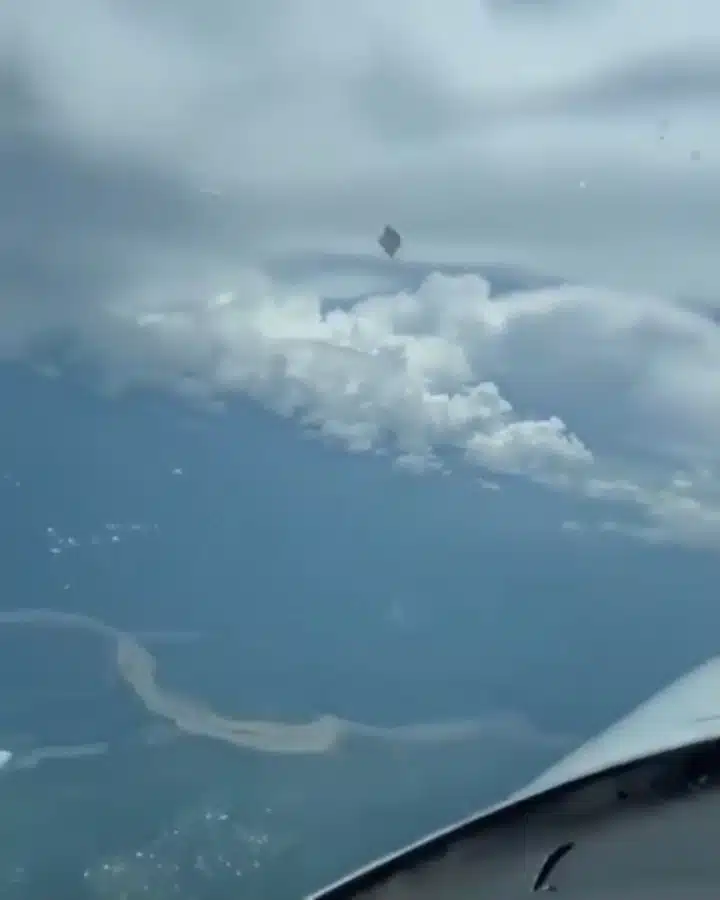

The Pentagon set up a new task force for this research.
And there’s nothing US agencies love more than a good acronym, so naturally they came up with one.
The Pentagon calls it ‘AARO’, which stands for All-Domain Anomaly Resolution Office.
Speaking of acronyms, AARO’s only job is to identify UFOs, which is also an acronym (‘unidentified flying object’), but it’s no longer the preferred one.
The Pentagon is now referring to these phenomena as UAP, or ‘unidentified anomalous phenomena’.
“The proliferation of television programs, books, movies, and the vast amount of internet and social media content centered on UAP-related topics most likely has influenced the public conversation on this topic, and reinforced these beliefs within some sections of the population,” the report said.

Even though the DOD understand that this seemingly ‘boring’ explanation won’t sit well with UFO enthusiasts and conspiracy theorists, there’s still hope for those who believe we may soon have proof of alien life.
This is because the report concludes that “most” sightings are ordinary objects and phenomena such as airglow.
The key word there is ‘most’.
Levity aside, we’re clearly making stellar progress, pun intended, when it comes to how we can explore and examine the universe we’re living in.
And since we live in a universe so vast we refer to the outer part of our Solar System as ‘relatively close’, the conversation regarding alien life will likely never end.
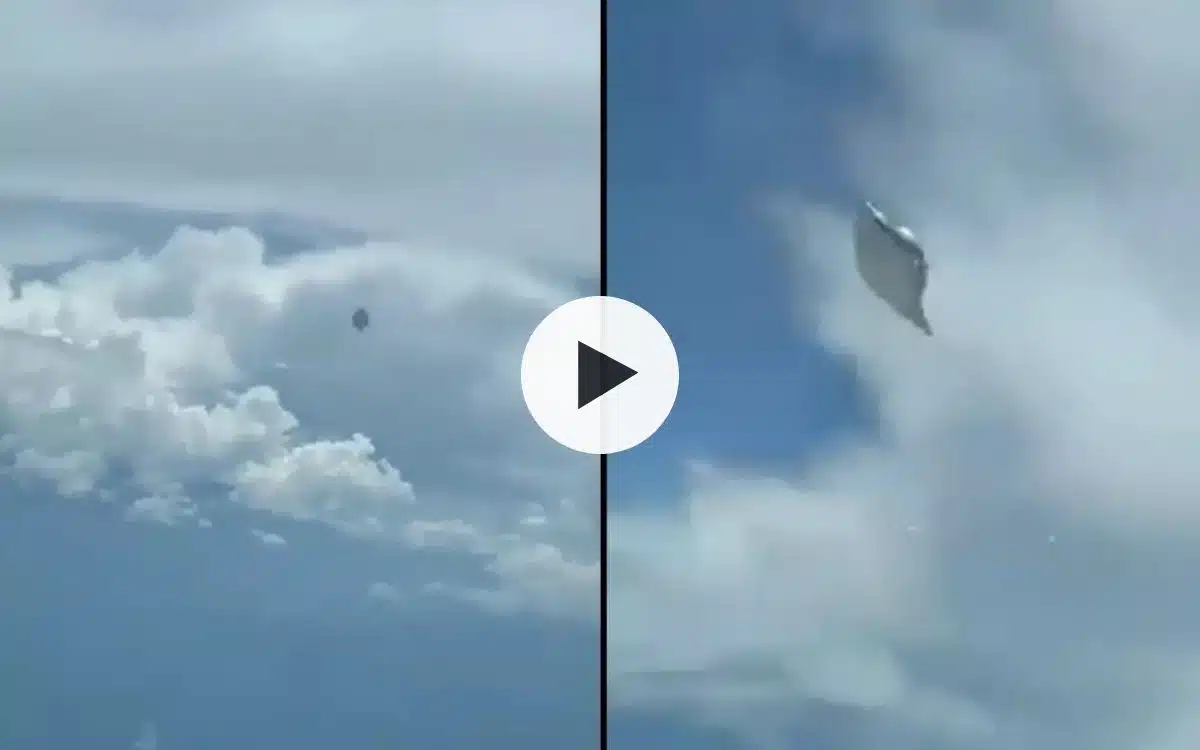
The lead image for this story were generated using AI.


Alessandro is an automotive journalist with 10 years of experience covering supercars, automotive history, emerging vehicle technology, and luxury transportation. He wrote the first article published on SupercarBlondie.com when the website launched in 2022 and has since built a reputation for insightful reporting across the automotive and transportation industries. His expertise is grounded in hands-on experience. Alessandro has driven every Tesla model ever produced, from the original Roadster to the Cybertruck, and regularly covers the latest developments in electric vehicles and automotive innovation. His passion for transportation extends beyond cars, he has even flown a Boeing 787 Dreamliner simulator in Addis Ababa, Ethiopia. His reporting spans everything from classic American muscle cars and rare automotive discoveries to luxury yachts, private aircraft, high-end watches, and cutting-edge vehicle technology. Known for his deep knowledge of automotive history and ability to uncover the stories behind iconic vehicles, Alessandro brings readers a blend of historical context, technical expertise, and first-hand experience.




