Boeing plans to sell flying cars by 2030
- Boeing launched a subsidiary to develop flying cars, called Wisk Aero
- The aerospace company wants to enter the market for flying cars
- Wisk Aero has already developed working prototypes
Published on Apr 19, 2024 at 4:18 AM (UTC-4)
by Alessandro Renesis
Last updated on Apr 22, 2024 at 12:28 PM (UTC-4)
Edited by
Tom Wood
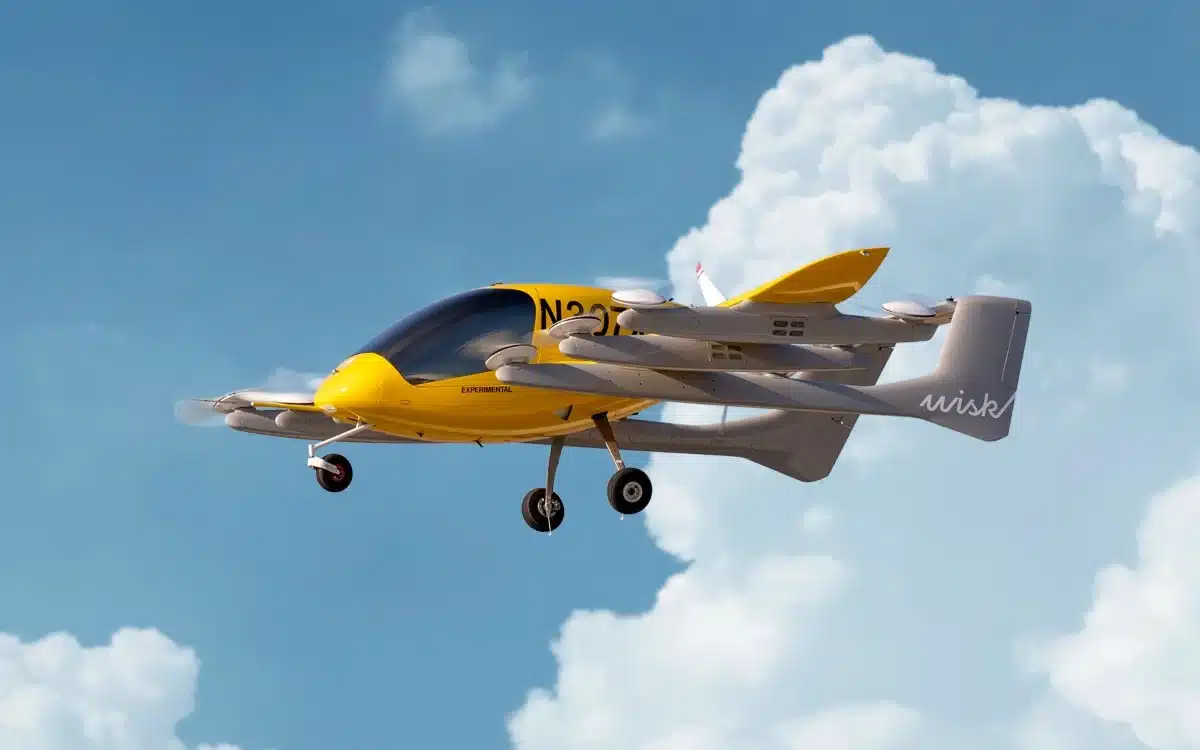

The flying car market is getting bigger, and Boeing wants a piece of that particular pie.
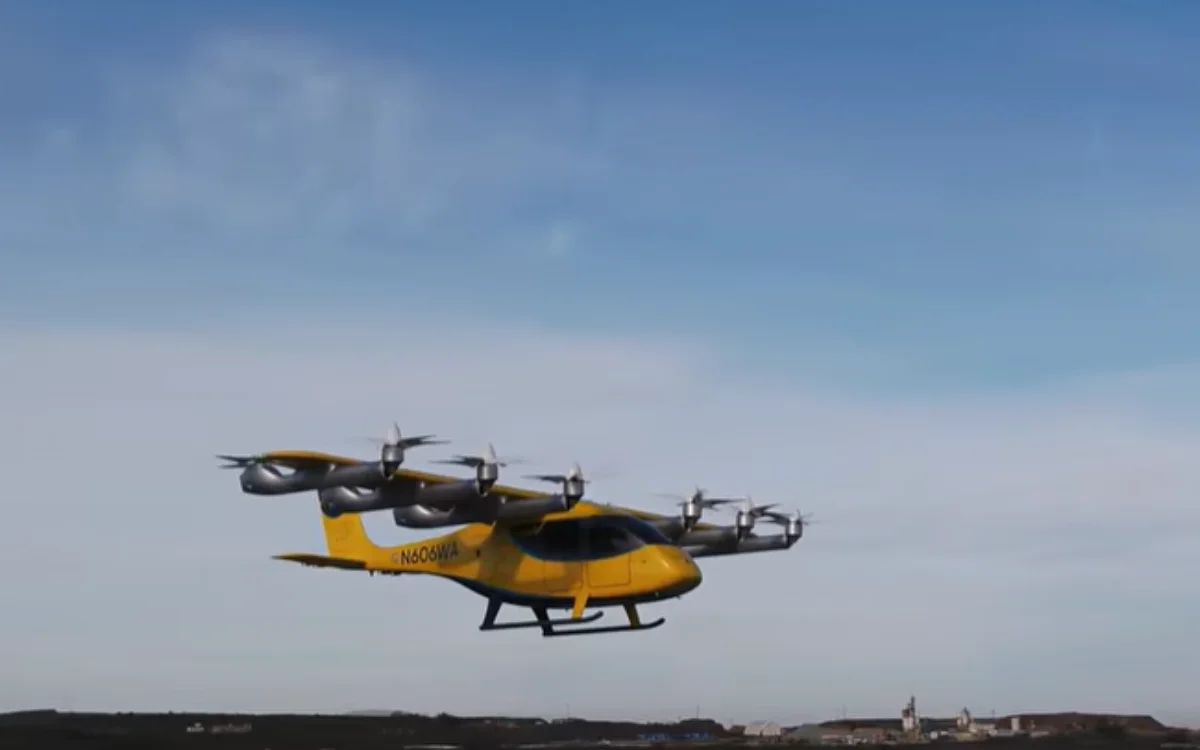
The aerospace company wants to join the race to revolutionize urban transportation in the next 10 or 20 years with eVTOLs, ie flying vehicles that are halfway between a car and a chopper.
And Boeing actually launched a brand new sub-division precisely for this reason.
READ MORE: This boat engine can be used as an underwater scooter
Flying cars and eVTOLs, are they more like a car or more like a plane?
It’s a question that keeps coming up, and there are different answers.
Legally, an eVTOL is a plane, because it needs to adhere to the same rules as any other aircraft, and it has to be deemed airworthy by the FCAA or equivalent authorities.
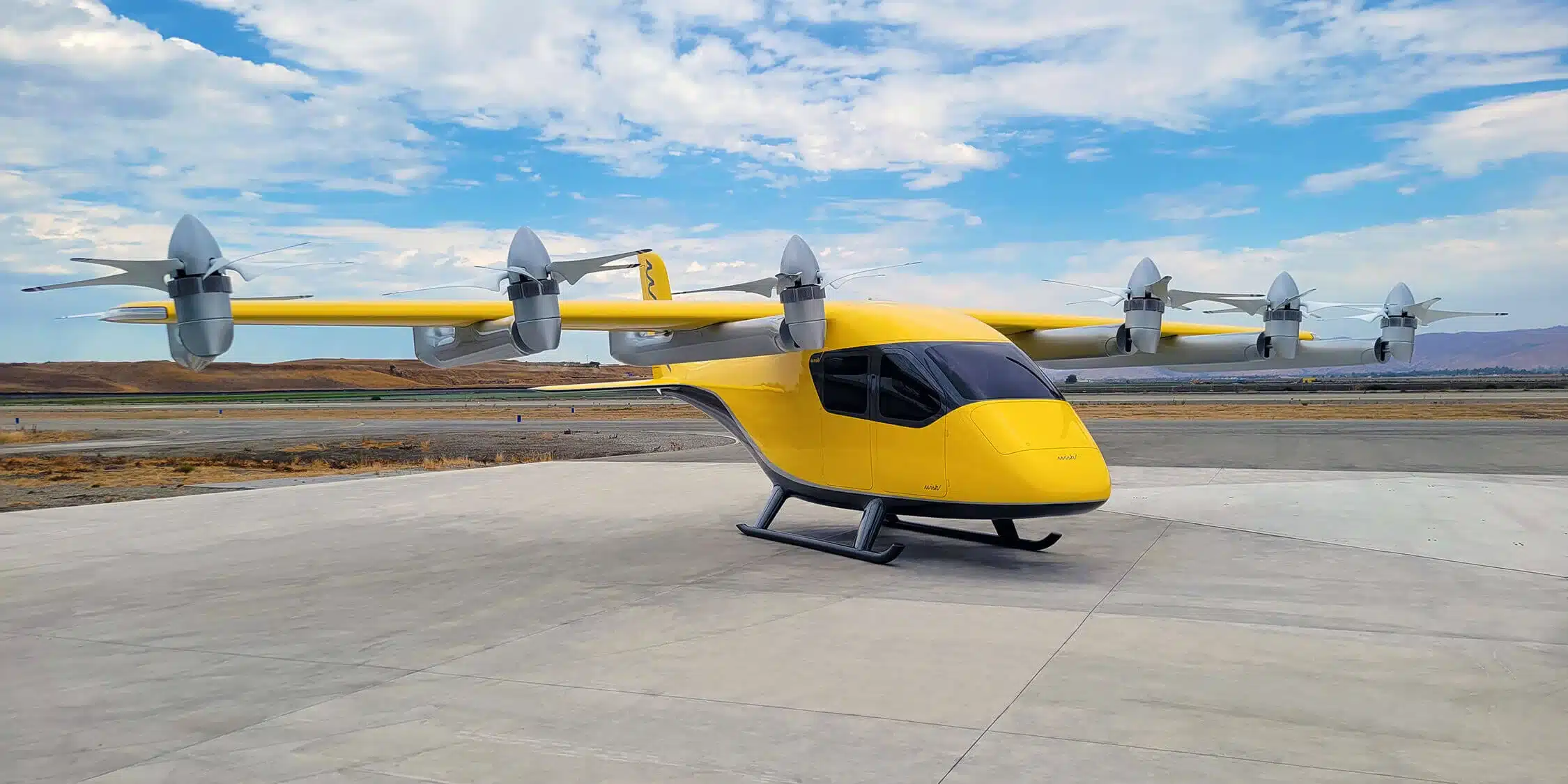
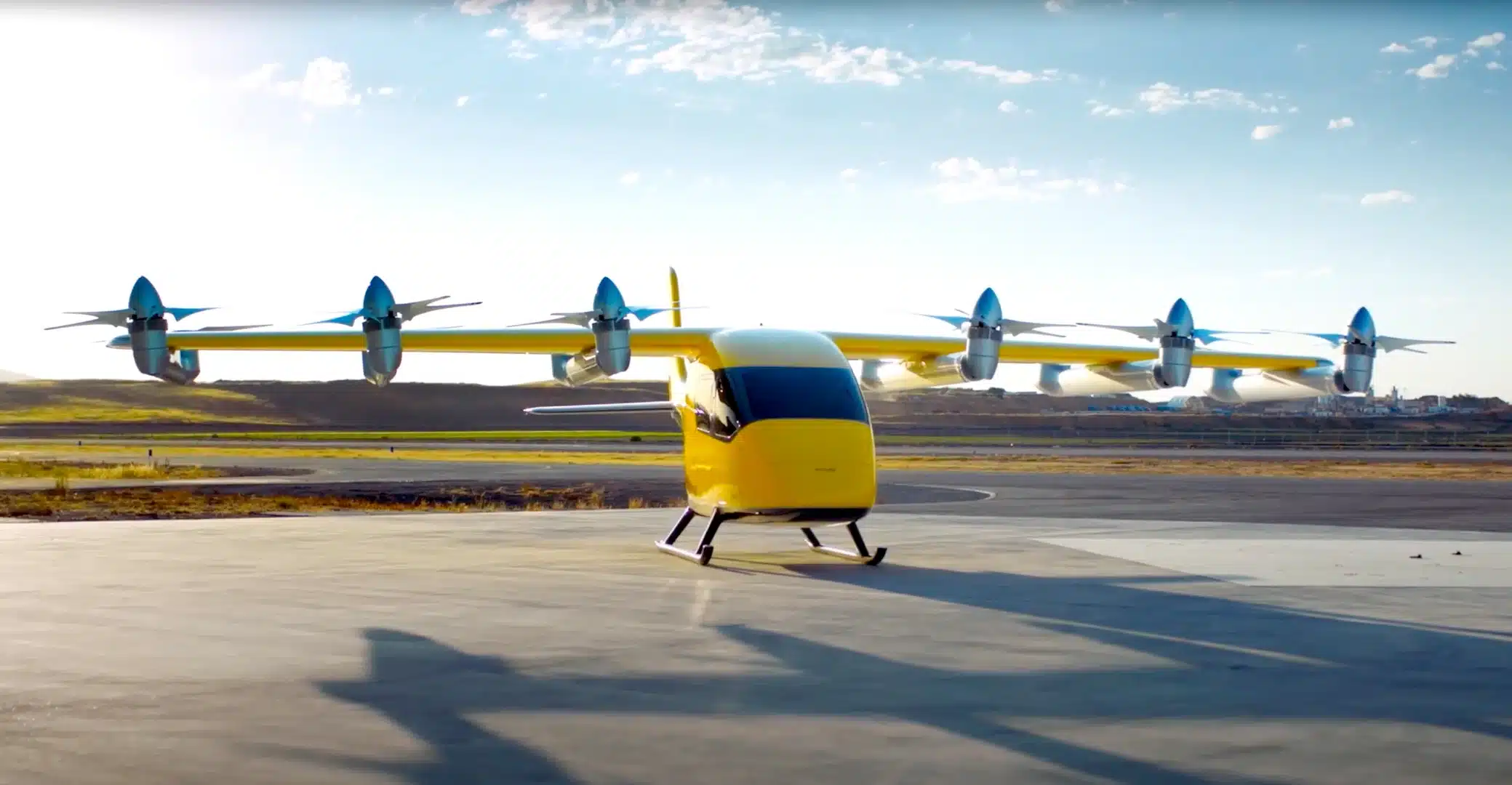
That’s why Boeing, obviously one of the largest aerospace companies in the world, decided to launch a subsidiary to develop flying cars.
It’s called Wisk Aero, and its primary goal is to unveil eVTOLs incorporating autonomous technology.
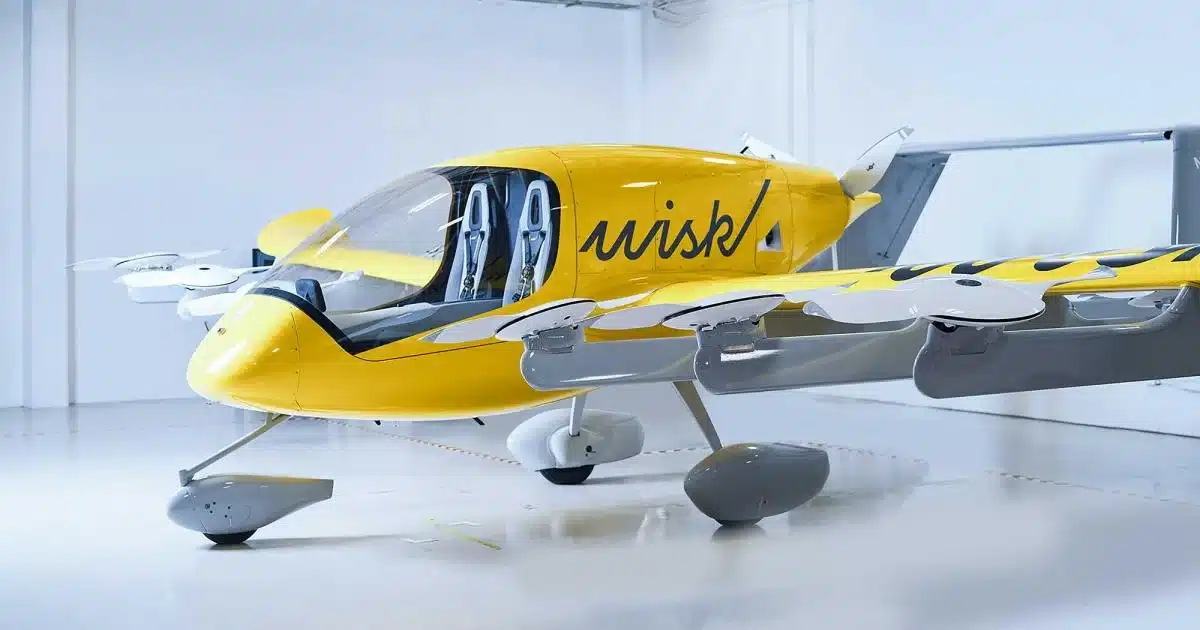
The name eVTOL, which is actually an acronym, derives from the main feature of this particular type of vehicle.
This is because an eVTOL is capable of Vertical Take-Off (and) Landing.
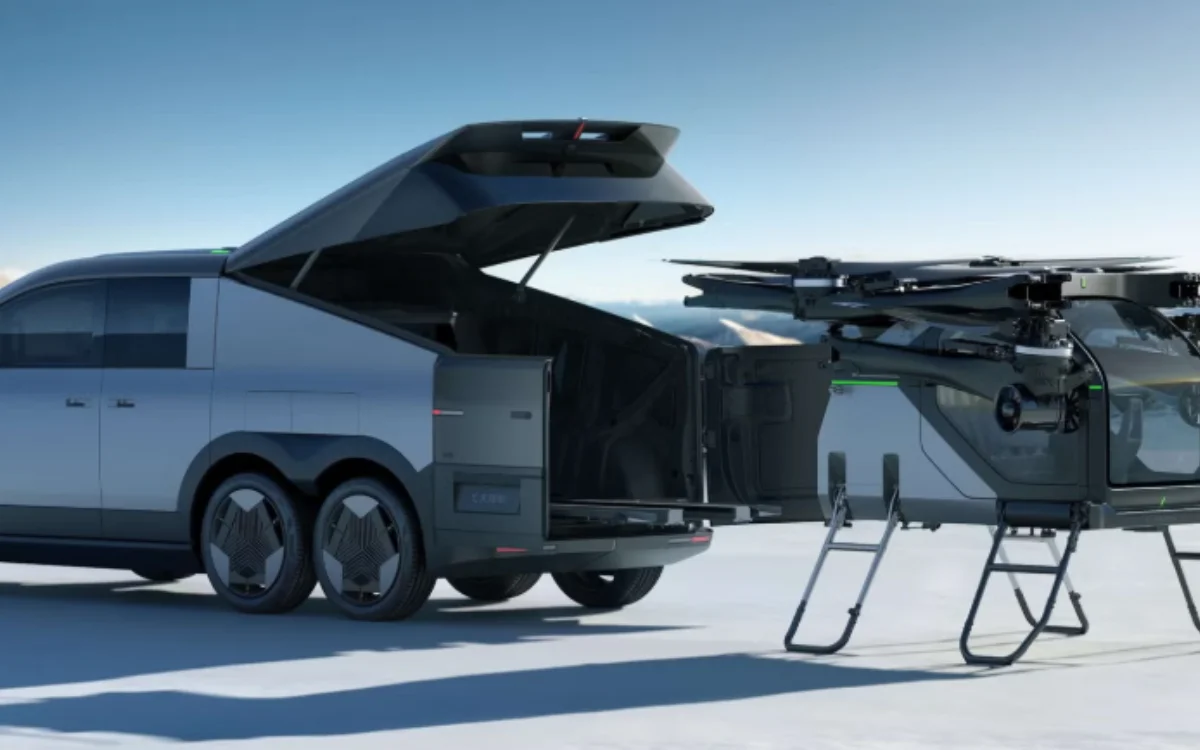
We’ve seen a wide variety of vehicles in recent months, from eVTOLs to flying cars that look ‘normal’ until they literally spread their wings and fly away.
They’ve both got wheels, but a key difference between an eVTOL and a flying car is that an eVTOL is not designed to drive on the road, whereas a flying car is.
Boeing – and this is not exactly a secret – has had (more than) a fair share of trouble recently, and the company’s dominance in aviation is declining.
For the longest time, we’ve had this age-old battle between Boeing and Airbus.
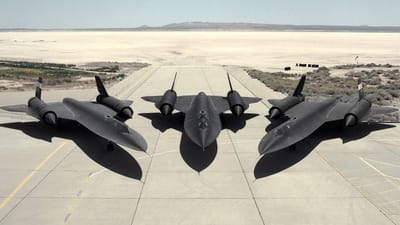
But things are changing, with new players emerging (including NASA) as we attempt to fly supersonic again.
Competition is hotting up, and the same can be said about competition in the eVTOL sector.
We can expect exciting times ahead.
Alessandro is an automotive journalist with 10 years of experience covering supercars, automotive history, emerging vehicle technology, and luxury transportation. He wrote the first article published on SupercarBlondie.com when the website launched in 2022 and has since built a reputation for insightful reporting across the automotive and transportation industries. His expertise is grounded in hands-on experience. Alessandro has driven every Tesla model ever produced, from the original Roadster to the Cybertruck, and regularly covers the latest developments in electric vehicles and automotive innovation. His passion for transportation extends beyond cars, he has even flown a Boeing 787 Dreamliner simulator in Addis Ababa, Ethiopia. His reporting spans everything from classic American muscle cars and rare automotive discoveries to luxury yachts, private aircraft, high-end watches, and cutting-edge vehicle technology. Known for his deep knowledge of automotive history and ability to uncover the stories behind iconic vehicles, Alessandro brings readers a blend of historical context, technical expertise, and first-hand experience.