Everything we know about NASA’s X-59 supersonic jet so far
- The plane would be capable of flying at Mach 1.4
- It would cover the distance between NYC and London in record time
- Everything is designed for speed, including the special paint it uses
Published on Jan 17, 2024 at 8:21 AM (UTC-5)
by Alessandro Renesis
Last updated on Jan 17, 2024 at 11:59 AM (UTC-5)
Edited by
Amelia Jean Hershman-Jones
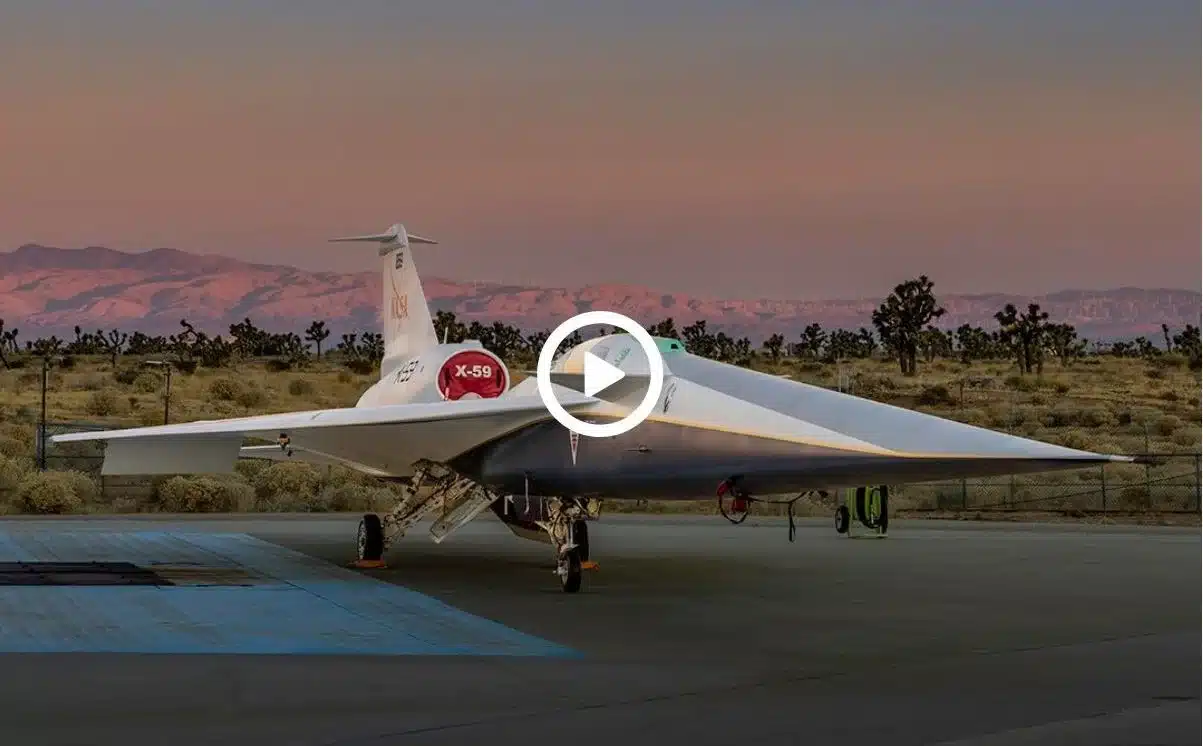

NASA is working on a passenger plane that would be just as fast as the Concorde.
This supersonic jet can you get from London to New York and back in record time.
READ MORE: The mammoth cost of a Concorde ticket and the reasons it is no longer around today
People are already calling it the ‘New Concorde’, and for good reason.
NASA partnered up with aerospace company, Lockheed Martin, to tweak the company’s supersonic jet called ‘Quesst X59‘.
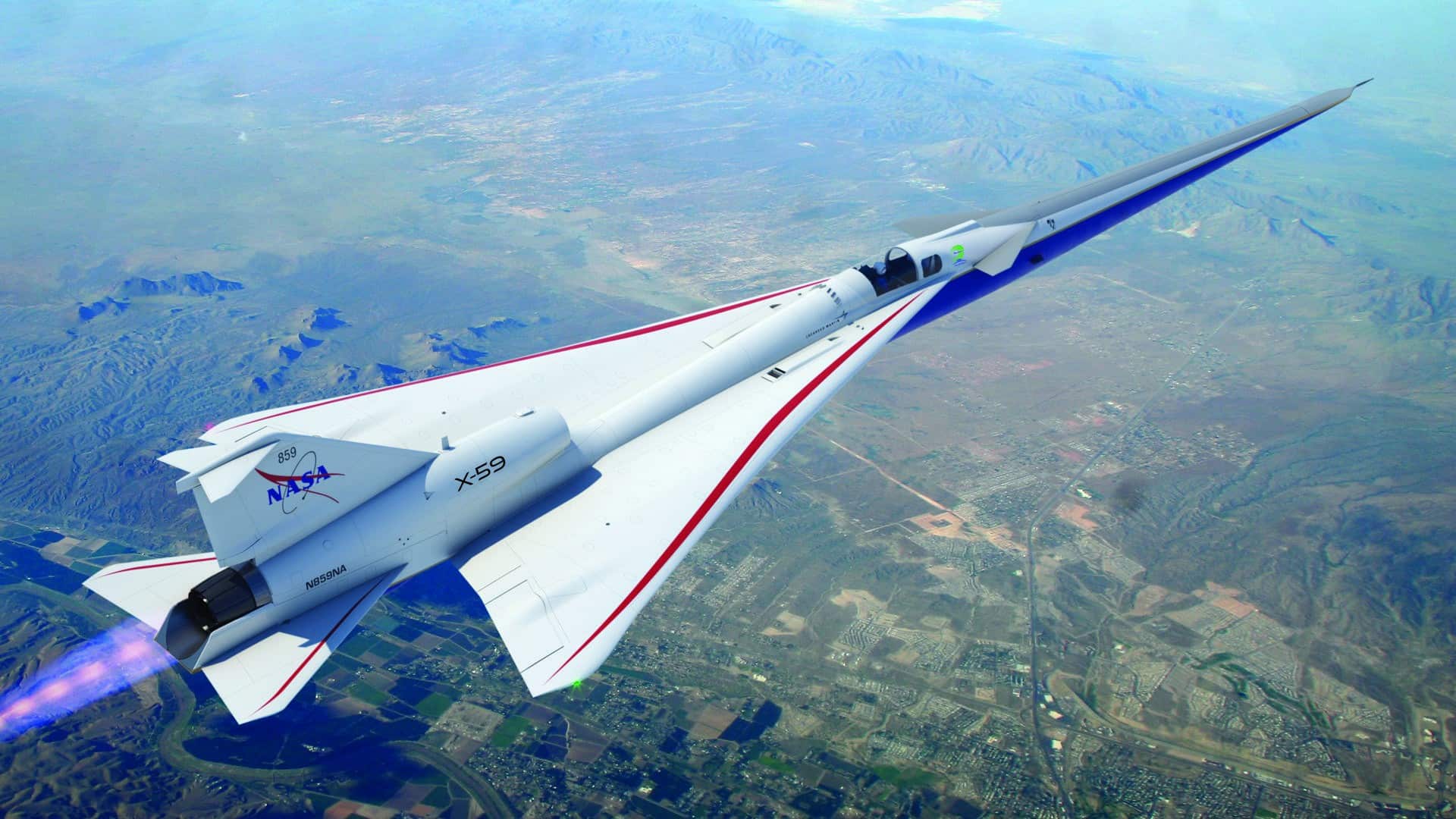
The jet is capable of traveling of 925 mph (1,488 km/h), or Mach 1.4.
At that speed, the plane would be capable of traveling from NYC to London in less than four hours.
Give or take the same amount of time it took the Concorde when it was still active.
And the plan is to connect at least 50 cities between the US and Europe.
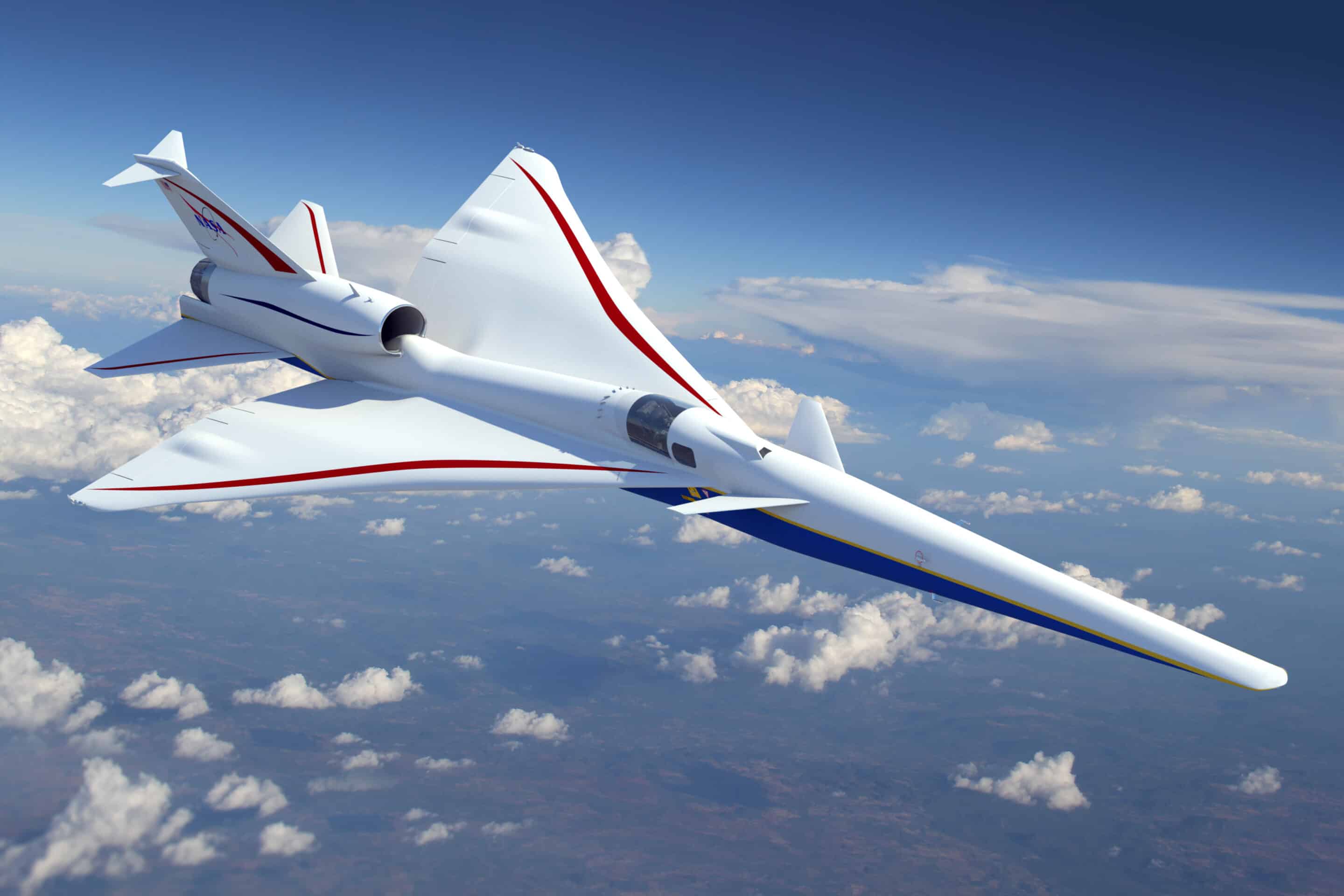
The sleek red, white and NASA ‘Sonic Blue’ livery is more than just a tribute to the American flag.
The NASA X-59 uses a special type of paint that protects the aircraft from corrosion and moisture.
It also includes key safety markings to assist flight operations when the plane is about to land.
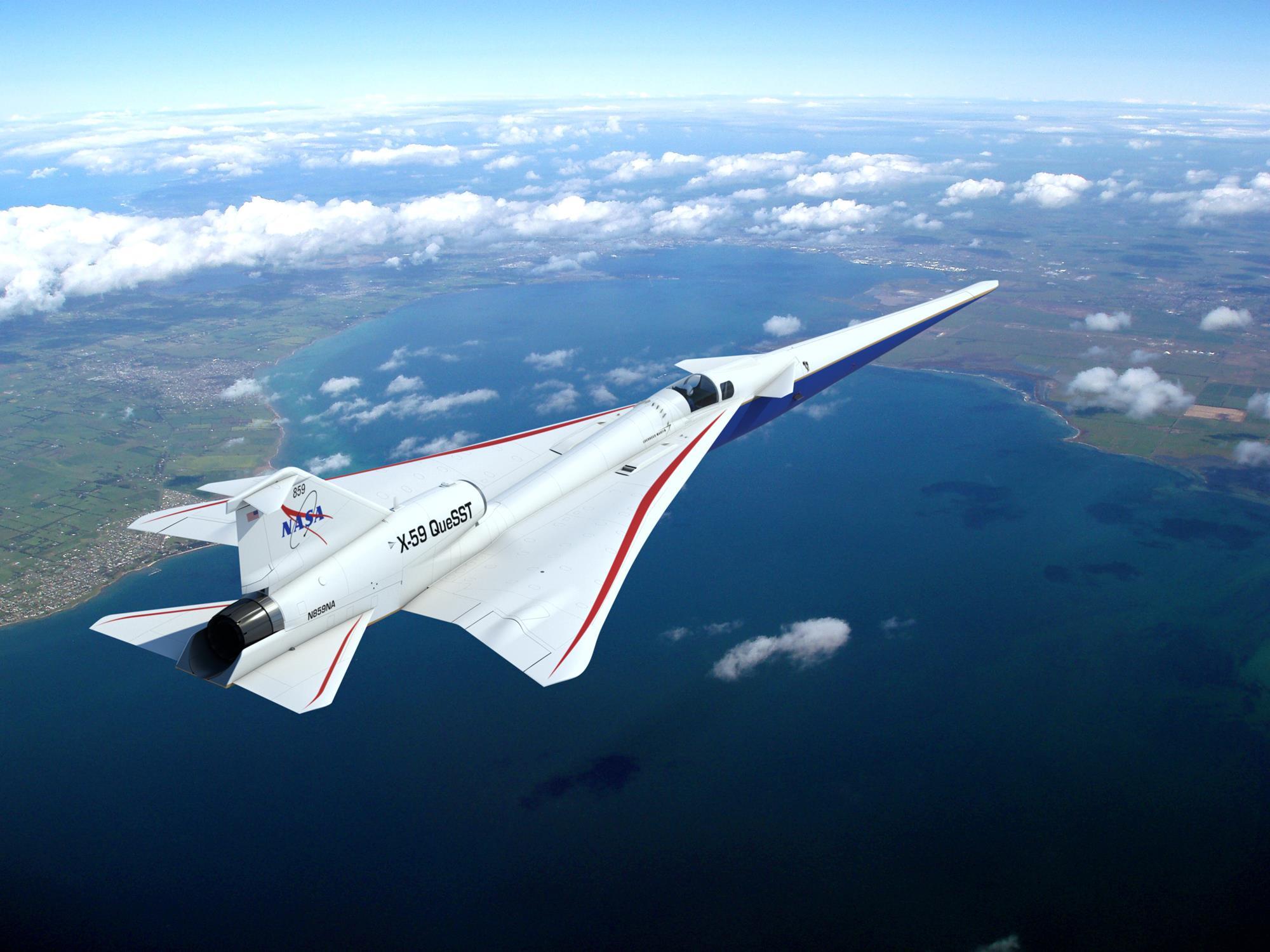
The aircraft is 99.7 feet long and 29.5 feet wide.
NASA is leaving no stone unturned.
They’re even having to work on a way to reduce to noise from the signature ‘sonic boom’ that occurs when supersonic vehicles that break the speed of sound.
It’s iconic, but also slightly annoying.
Especially for people on the ground.
The last Concorde flight, almost exactly 20 years ago, took 100+ passengers from New York City to London Heathrow in three hours and 20 minutes.
There are movies that are longer than that these days.
After the Concorde was gone, we got back to ‘normal’ aircraft, which take anywhere from seven to nine hours depending on the route the airline chooses.
The ‘new Concorde’ – the NASA X-59 – would be a game changer for transoceanic travel.
NASA is currently working on a first test flight ahead of the plane’s maiden flight in the future.
The really good news is we finally have a physical, working prototype.
Lockheed Martin shared a picture of the jet parked on a runway in the middle of the desert, and it’s a stunner.
Related


Alessandro is an automotive journalist with 10 years of experience covering supercars, automotive history, emerging vehicle technology, and luxury transportation. He wrote the first article published on SupercarBlondie.com when the website launched in 2022 and has since built a reputation for insightful reporting across the automotive and transportation industries. His expertise is grounded in hands-on experience. Alessandro has driven every Tesla model ever produced, from the original Roadster to the Cybertruck, and regularly covers the latest developments in electric vehicles and automotive innovation. His passion for transportation extends beyond cars, he has even flown a Boeing 787 Dreamliner simulator in Addis Ababa, Ethiopia. His reporting spans everything from classic American muscle cars and rare automotive discoveries to luxury yachts, private aircraft, high-end watches, and cutting-edge vehicle technology. Known for his deep knowledge of automotive history and ability to uncover the stories behind iconic vehicles, Alessandro brings readers a blend of historical context, technical expertise, and first-hand experience.