Why the Rimac Nevera is groundbreaking... and forcing everyone else to play catch up
Published on Feb 23, 2022 at 7:17 AM (UTC-5)
by Alessandro Renesis
Last updated on Mar 25, 2022 at 7:24 AM (UTC-4)
Edited by
Alessandro Renesis
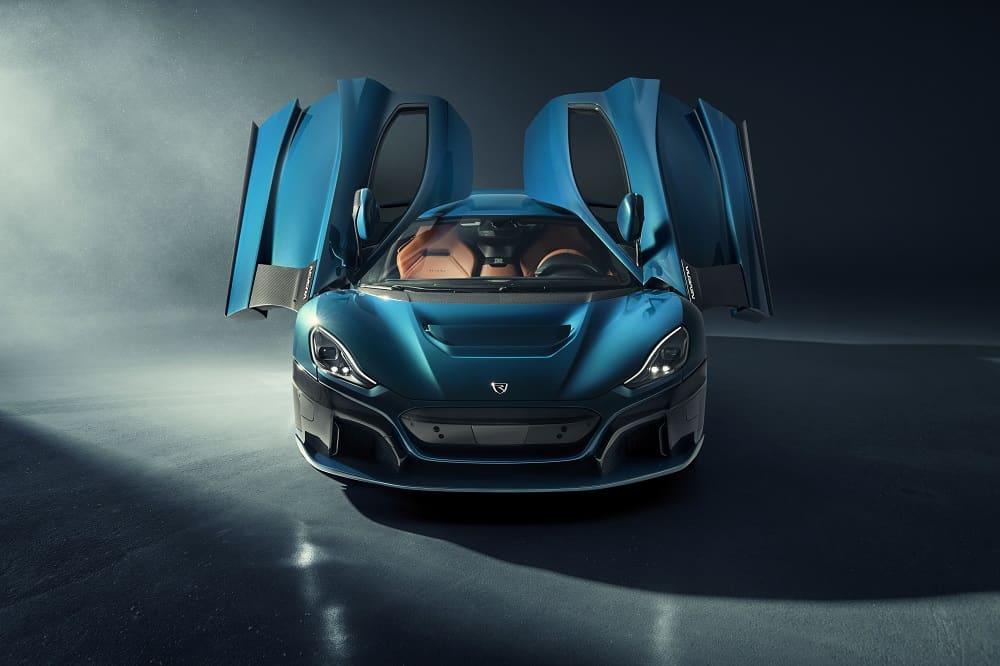

Every once in a while, someone, somewhere in the world makes headlines with groundbreaking inventions.
That’s what Mate Rimac did with Rimac Automobili, which some people might think it’s ‘just’ another supercar maker, but it’s not.
It’s a tech company that just so happens to also make cars.
Rimac manufactures and sells battery systems that have been used in a lot of different cars.
Porsche and Audi use Rimac technology for the Taycan and the E Tron GT respectively.
Koeniggsegg also used a Rimac battery system for the Regera, as did CUPRA for the e-Racer concept car.
And then we’ve got the Pininfarina Battista, which is equipped with the same powertrain and battery pack as the Nevera.
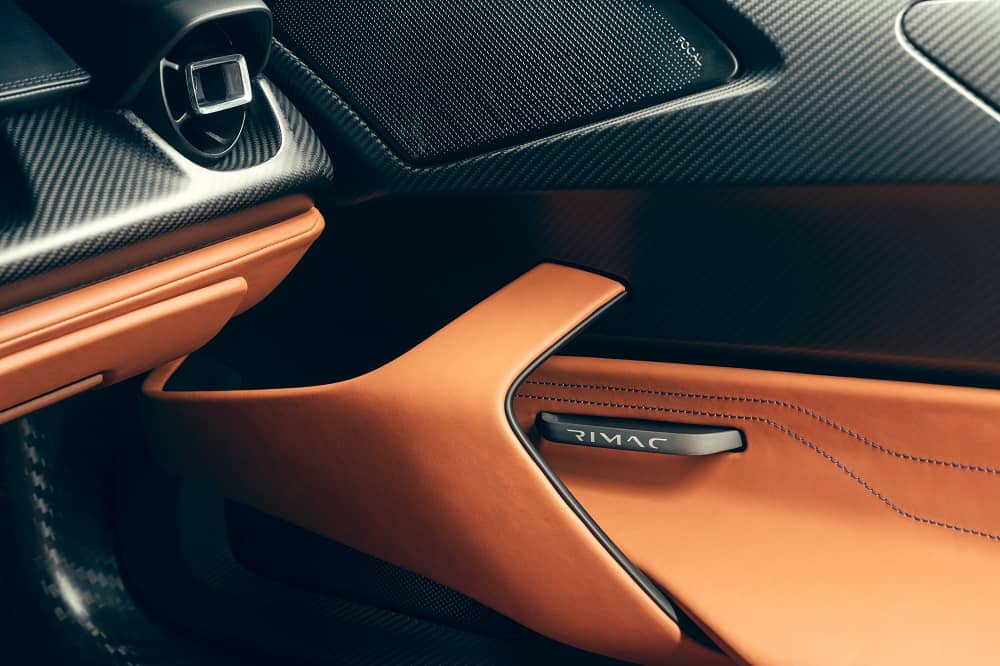
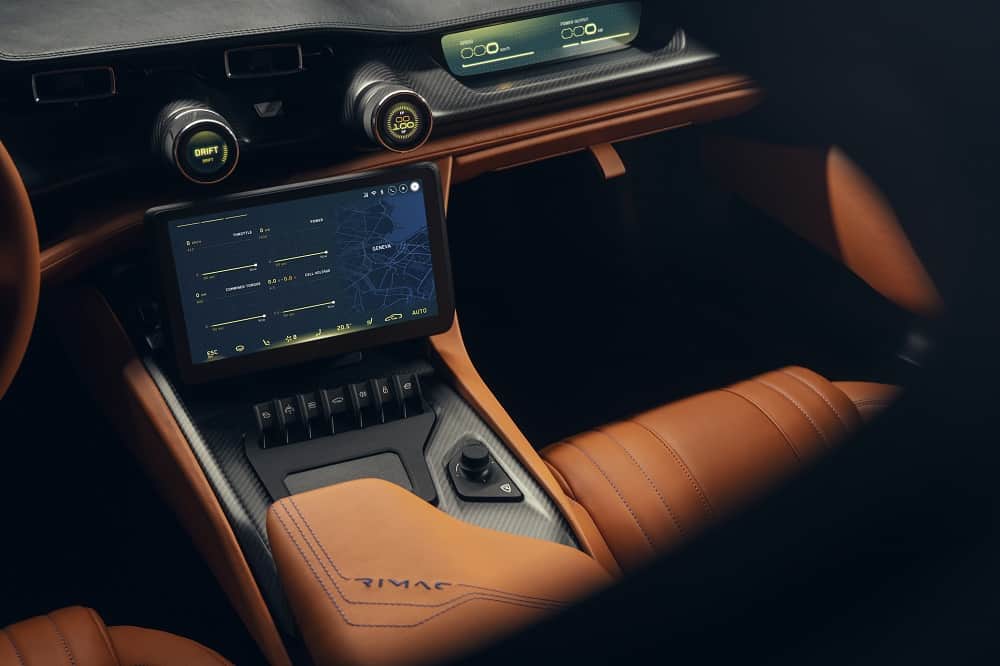
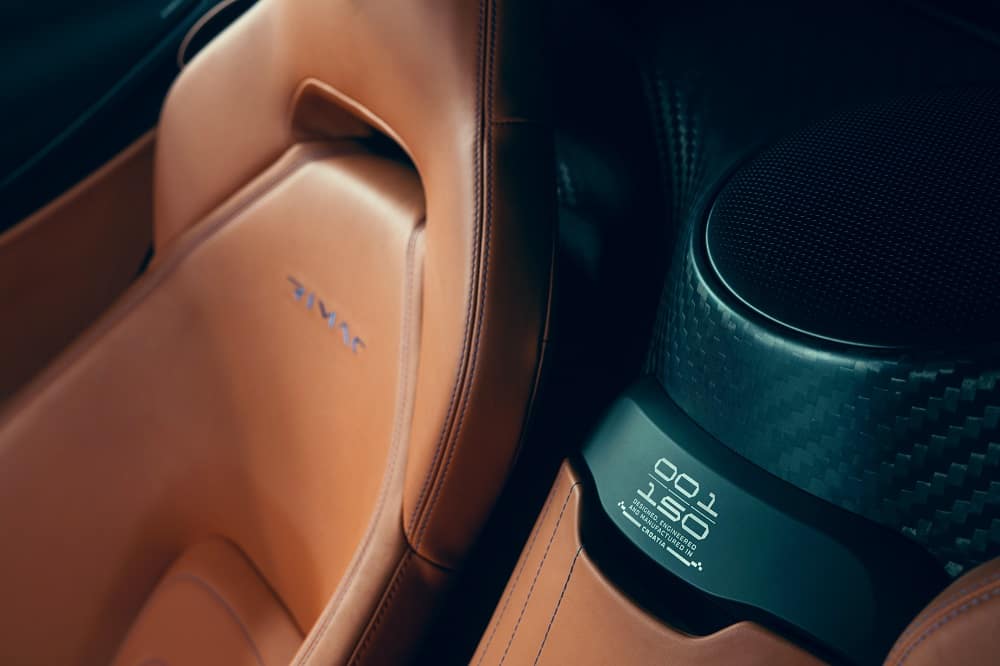
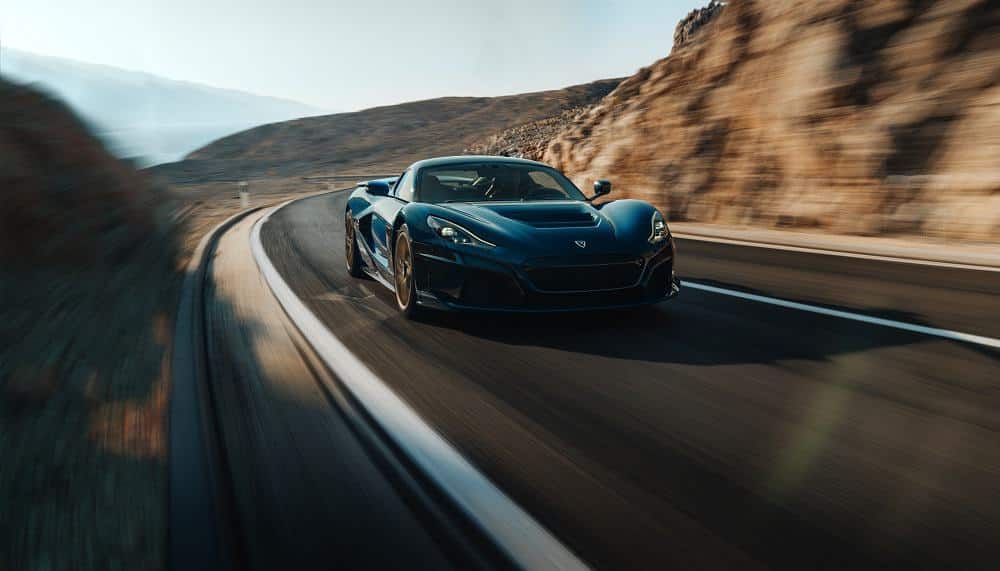
That’s why the Nevera is such an important product for Rimac, because it isn’t just their latest, most exciting hypercar, but is also a way to showcase their proprietary technology in a vehicle that bears their emblem and name.
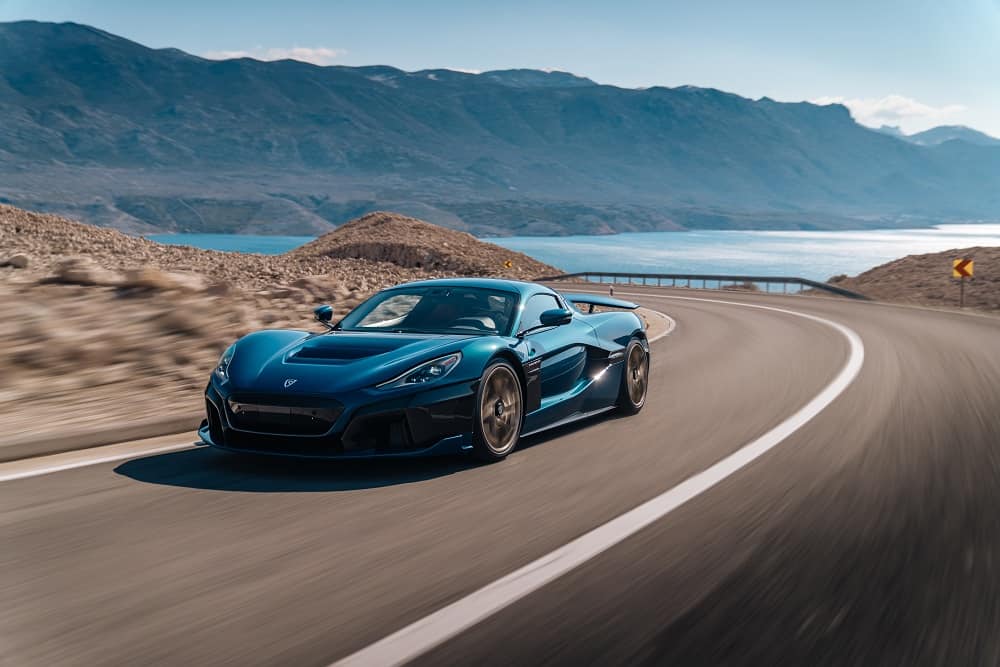
The Nevera, the successor to the original Rimac Concept One, was first unveiled as a concept car named ‘C_Two’ back at the 2018 Geneva Motor Show, and is named after thunderstorms that occur along the Croatian coast.
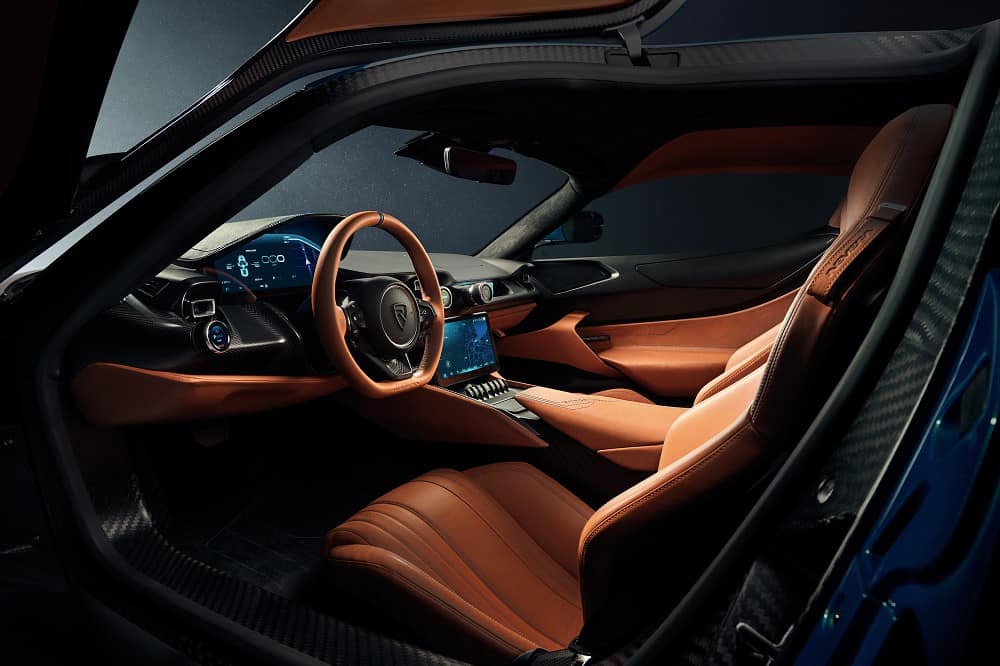
It’s powered by four synchronous* electric motors – one at each wheel – delivering 1,914 hp and a whopping 1,741 lb-ft of torque in total.
According to Rimac, the Nevera can accelerate from standstill to 60 mph in just 1.85 seconds and takes just 9.3 seconds to get to 186 mph. The top speed is 256 mph (412 km/h).
Thanks to the 120 kWh, 6,960-cell battery pack, you can drive it up to 340 miles on a single charge. It doesn’t sound like a lot but that’s in line with the range you expect from equivalent petrol-powered hypercars.
With the Nevera, Rimac has set a new standard for the supercar/hypercar market. A
nd they’ve done it with their own technology, building their own hardware and their own software. Which means that everyone else is already playing catch-up.
*the difference between a synchronous electric motor and an asynchronous one is that the performance of a synchronous motor doesn’t fade after heavy use because it absorbs unused power and gives it back to the source.
Alessandro is an automotive journalist with 10 years of experience covering supercars, automotive history, emerging vehicle technology, and luxury transportation. He wrote the first article published on SupercarBlondie.com when the website launched in 2022 and has since built a reputation for insightful reporting across the automotive and transportation industries. His expertise is grounded in hands-on experience. Alessandro has driven every Tesla model ever produced, from the original Roadster to the Cybertruck, and regularly covers the latest developments in electric vehicles and automotive innovation. His passion for transportation extends beyond cars, he has even flown a Boeing 787 Dreamliner simulator in Addis Ababa, Ethiopia. His reporting spans everything from classic American muscle cars and rare automotive discoveries to luxury yachts, private aircraft, high-end watches, and cutting-edge vehicle technology. Known for his deep knowledge of automotive history and ability to uncover the stories behind iconic vehicles, Alessandro brings readers a blend of historical context, technical expertise, and first-hand experience.