Supersonic airliner faster than Concorde was built for $1 billion but never took off
- The plane was designed to achieve Mach 2, making it faster than the Concorde
- It would accommodate up to 250 passengers
- Boeing spent over $1 billion on this project, but it was eventually scrapped
Published on Jan 22, 2024 at 10:31 AM (UTC-5)
by Alessandro Renesis
Last updated on Feb 05, 2024 at 11:48 AM (UTC-5)
Edited by
Adam Gray

There’s been a lot of talk about revamping supersonic travel 20 years after the demise of Concorde.
So far, we’ve seen potential Concorde successors built by private companies as well as NASA.
But there’s one supersonic jet that we never talk about – and perhaps we should.
READ MORE: Everyone’s in awe after seeing pictures of Concorde cockpit
Boeing isn’t having its best moment amid safety concerns regarding 737s, but it’s still one of the largest aerospace companies.
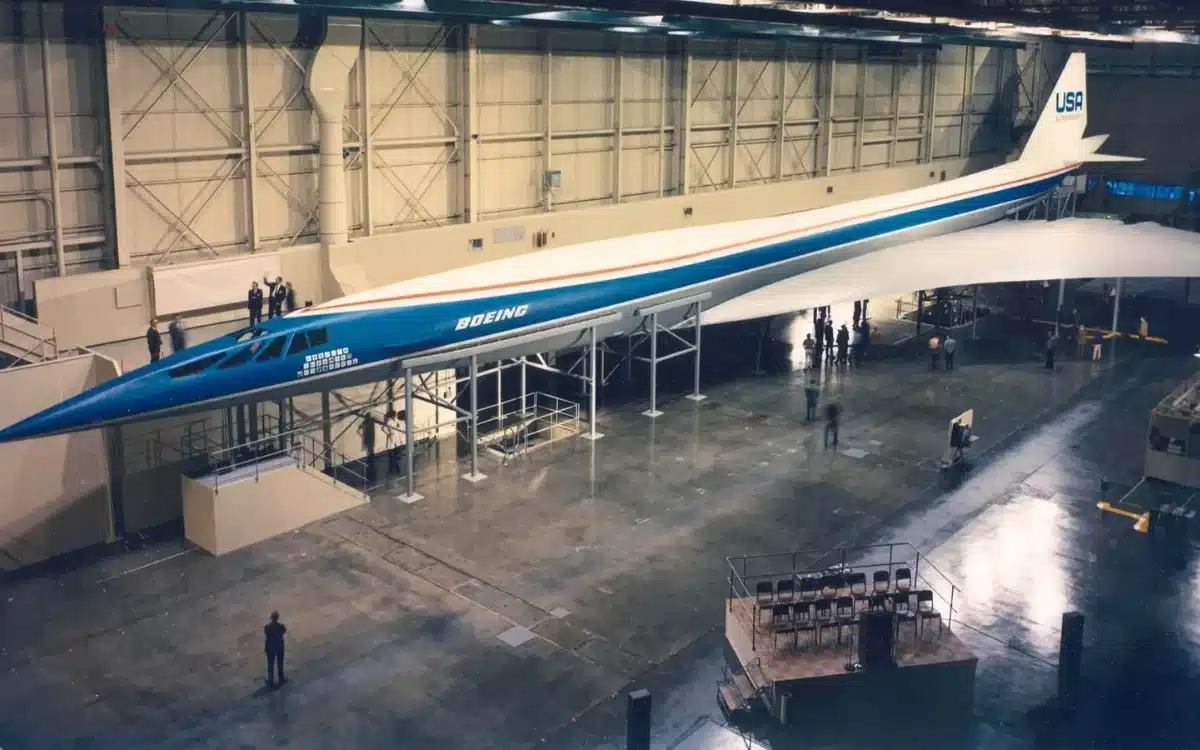
In the 1960s, the American corporation began working on a potential rival for Concorde.
It would’ve been faster than Concorde, as it could theoretically reach Mach 2.
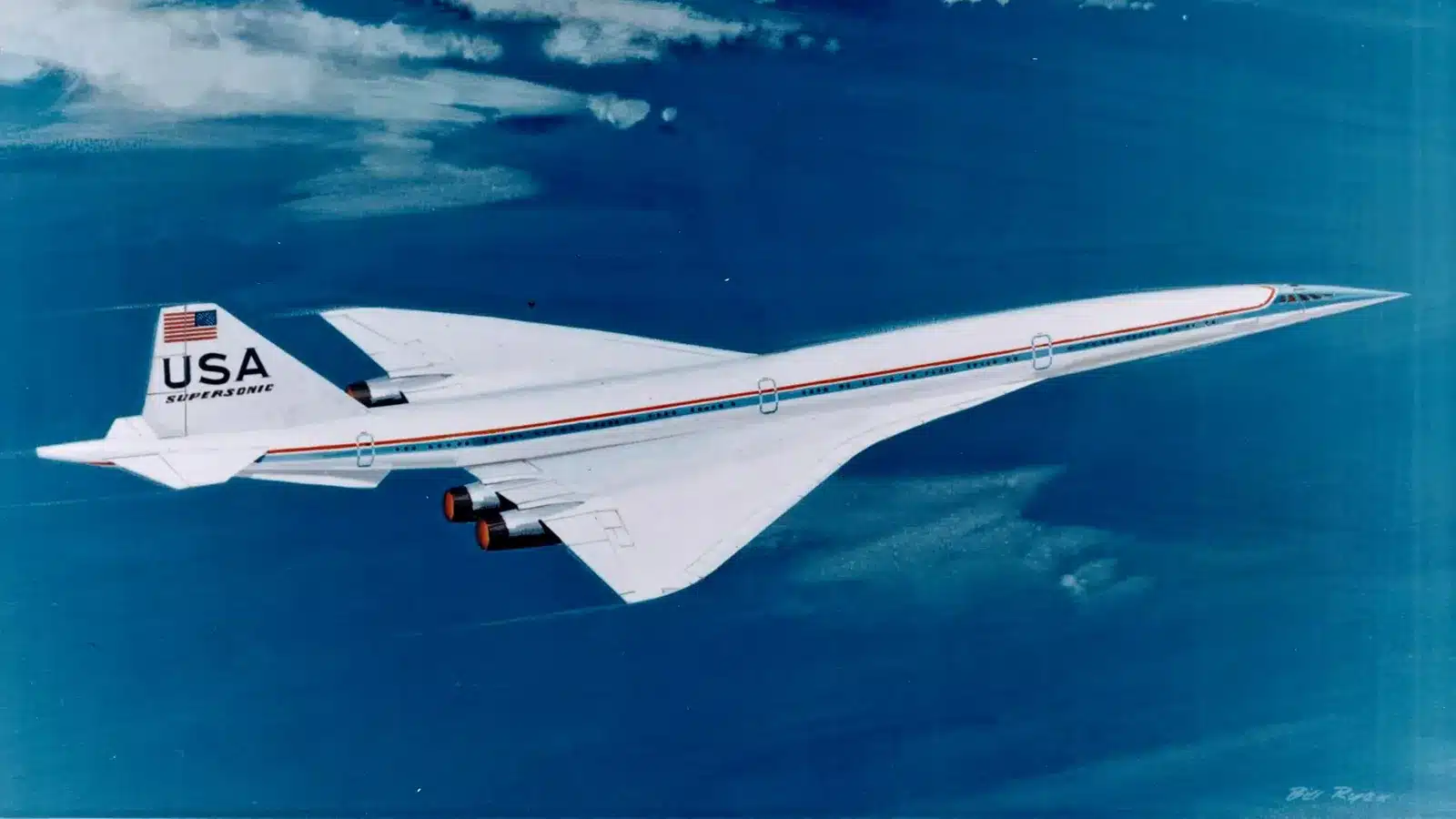
The Boeing 2707 was going to give Concorde a run for its money with a pretty unique set of technical features.
It would be fitted with a delta wing and canard surfaces, and the four engines would be installed at the bottom of the tail.
The goal was to make it much bigger than the Concorde, too.
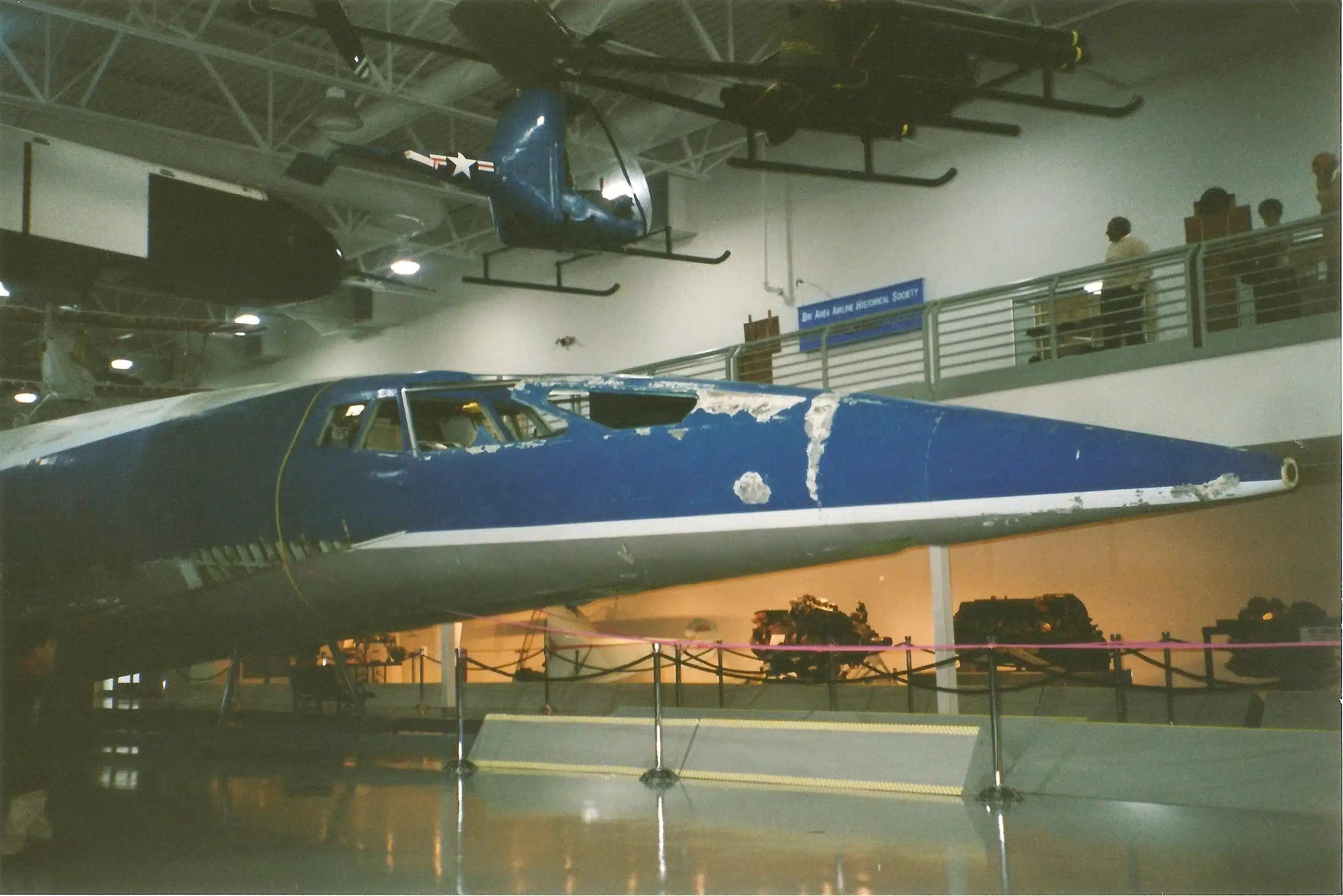
One of many reasons why Concorde failed was its limited capacity – only 100 passengers not including crew.
The 2707 was designed to accommodate 250 passengers, therefore, offering a higher passenger yield and potential profitability.
It all sounded too good to be true, and in fact it was.
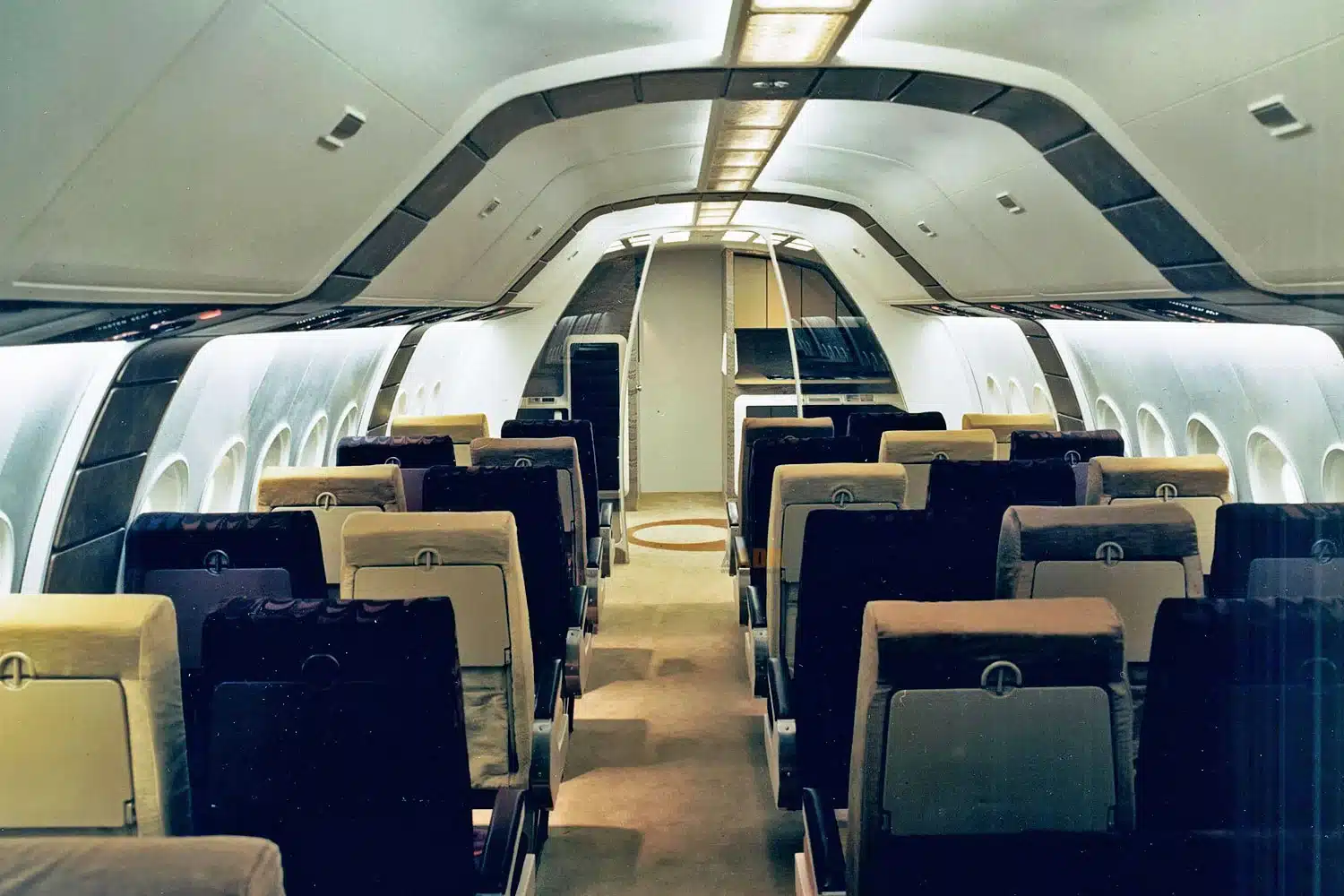
For starters, the 2707 supersonic jet was going to face the exact same challenge Concorde was facing, because the sonic boom was too loud.
So loud, in fact, that some countries actually banned Concorde altogether.
This is a bigger deal than it sounds, because if you can’t fly over this or that country due to noise regulations, it means you have to reroute the journey.
And that means extra cost and extra emissions.
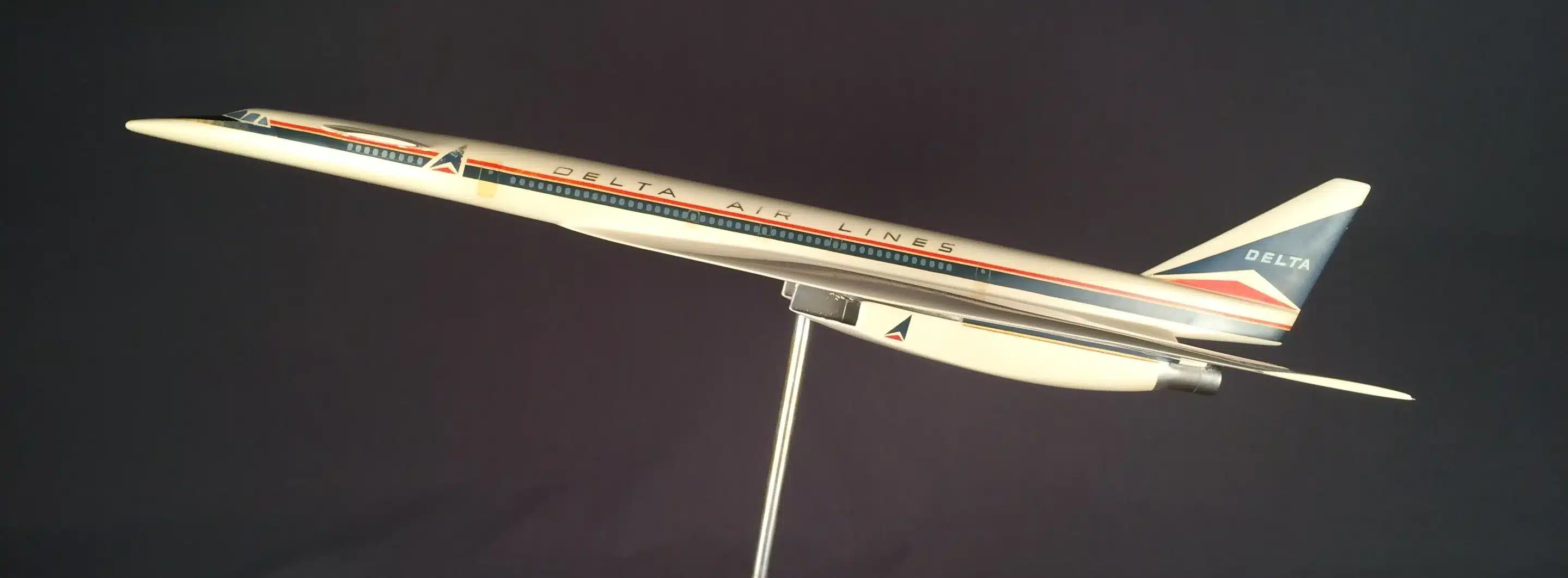
By 1971, the US Government pulled the plug on the Boeing 2707 program, even though over $1 billion had been spent on R&D.
Still, there’s a silver lining.
After being forced to scrap the 2707 program, Boeing decided to focus on a new airliner instead.
And the airliner in question, which was unveiled around the same time, was the 747.
Alessandro is an automotive journalist with 10 years of experience covering supercars, automotive history, emerging vehicle technology, and luxury transportation. He wrote the first article published on SupercarBlondie.com when the website launched in 2022 and has since built a reputation for insightful reporting across the automotive and transportation industries. His expertise is grounded in hands-on experience. Alessandro has driven every Tesla model ever produced, from the original Roadster to the Cybertruck, and regularly covers the latest developments in electric vehicles and automotive innovation. His passion for transportation extends beyond cars, he has even flown a Boeing 787 Dreamliner simulator in Addis Ababa, Ethiopia. His reporting spans everything from classic American muscle cars and rare automotive discoveries to luxury yachts, private aircraft, high-end watches, and cutting-edge vehicle technology. Known for his deep knowledge of automotive history and ability to uncover the stories behind iconic vehicles, Alessandro brings readers a blend of historical context, technical expertise, and first-hand experience.