Woman who lives on a cruise ship explains key differences to living on land
- Christine Kesteloo lives on a cruise ship for at least six months of the year
- She finds herself in this unique position because her husband is a chief engineer who works on cruise ships
- While she personally doesn’t receive a salary for living on the ship, everything she wants and needs is included
Published on Dec 11, 2023 at 6:27 AM (UTC-5)
by Alessandro Renesis
Last updated on Jan 05, 2024 at 12:12 PM (UTC-5)
Edited by
Adam Gray
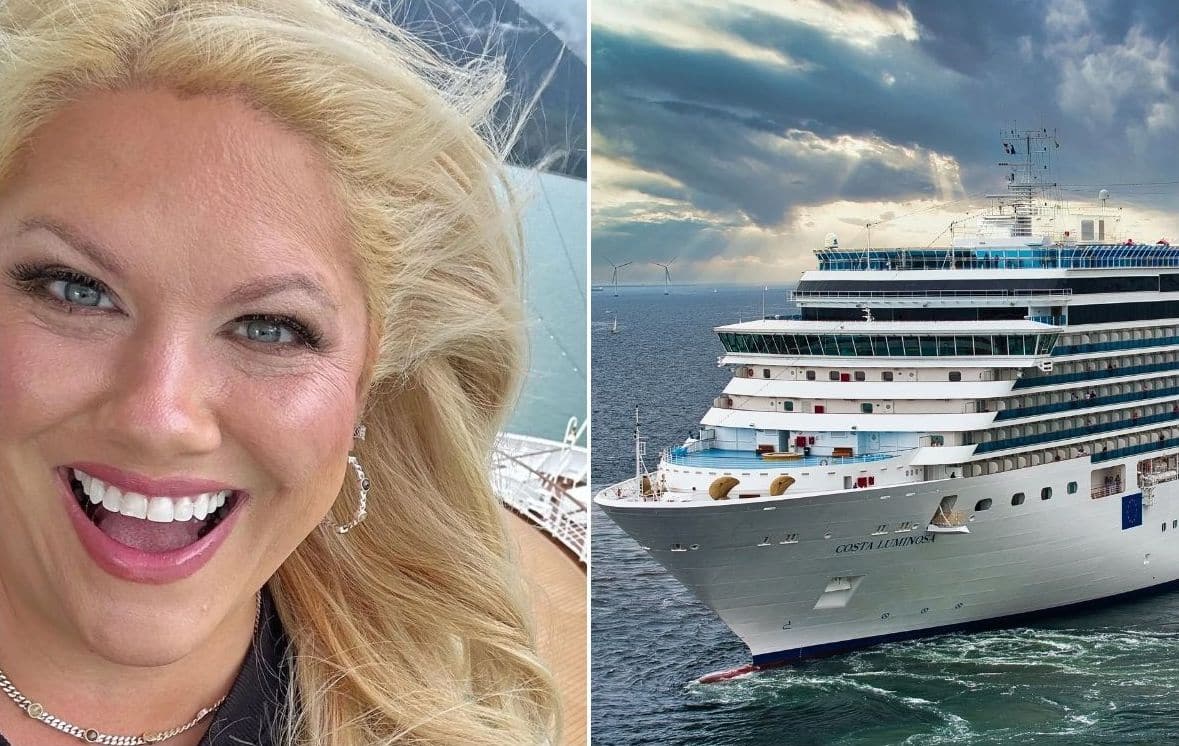

Christine Kesteloo is living the dream.
She spends half of the year on a cruise ship on a hassle-free, paid-for vacation.
However, there’s a catch.
READ MORE: World’s largest cruise ship five times bigger than Titanic about to set sail
Christine Kesteloo shares updates about her semi-permanent holiday living on a cruise ship on TikTok quite regularly, and she sometimes gives interviews.
In one such interview, with the Insider, she shared the biggest challenge that comes with her situation.
On the surface, everything seems perfect.
“I live on a cruise ship for half the year with my husband [who works as a chief engineer on board, ed.] and it’s often as glamorous as it sounds,” Kesteloo told the Insider.
“After all, I don’t cook, clean, make my bed, do laundry or pay for food.“


However, Kesteloo said the last part is the one that gets her in trouble.
Everything is paid for, including all kinds of food and drinks, which also happens to be available 24/7.
This is challenging because it means she needs a lot of self-discipline when it comes to what she eats and drinks.
“One of the hardest things about living on a cruise ship is that I know right now, if I just leave my cabin, I can go and have cookies, pizza, a shake, I could have anything I wanted,” she told her 790,000+ followers on TikTok.
“I had a salad for lunch, I had some fresh fruit, but that didn’t fill me up, [and] all I can think about is eating a burger with some French fries.”

It’s an interesting take – we keep hearing about people living on a ship, but this particular aspect had never been addressed before.
While it is true that people tend to gain weight on a cruise ship, some people in the comments pointed out that this definitely falls into the ‘first world problems’ category.
“Let’s face this is a nice problem to have,” one commenter said.
“Hashtag first world problems,” another echoed.
Others ‘sympathize’ and fully agree with Kesteloo, though.
“I’d be huge if I lived there. I would feel like I’m on a constant vacation, and who diets on vacation?” one commenter wrote.
“I never thought about those who actually live on a cruise ship. I would be 500 pounds,” another said.
This is definitely one of the collateral issues that come with living on a cruise ship, but it isn’t the main one.
As a man who’s spent over 20 years on a ship explains, the biggest issue is you ‘forget’ how to walk on land.
Related


Alessandro is an automotive journalist with 10 years of experience covering supercars, automotive history, emerging vehicle technology, and luxury transportation. He wrote the first article published on SupercarBlondie.com when the website launched in 2022 and has since built a reputation for insightful reporting across the automotive and transportation industries. His expertise is grounded in hands-on experience. Alessandro has driven every Tesla model ever produced, from the original Roadster to the Cybertruck, and regularly covers the latest developments in electric vehicles and automotive innovation. His passion for transportation extends beyond cars, he has even flown a Boeing 787 Dreamliner simulator in Addis Ababa, Ethiopia. His reporting spans everything from classic American muscle cars and rare automotive discoveries to luxury yachts, private aircraft, high-end watches, and cutting-edge vehicle technology. Known for his deep knowledge of automotive history and ability to uncover the stories behind iconic vehicles, Alessandro brings readers a blend of historical context, technical expertise, and first-hand experience.