The new Alpine A110 Future wants to fix a problem that plagues all electric sports cars
Published on Jul 06, 2026 at 4:11 PM (UTC+4)
by Alessandro Renesis
Last updated on Jul 06, 2026 at 4:11 PM (UTC+4)
Edited by
Alessandro Renesis
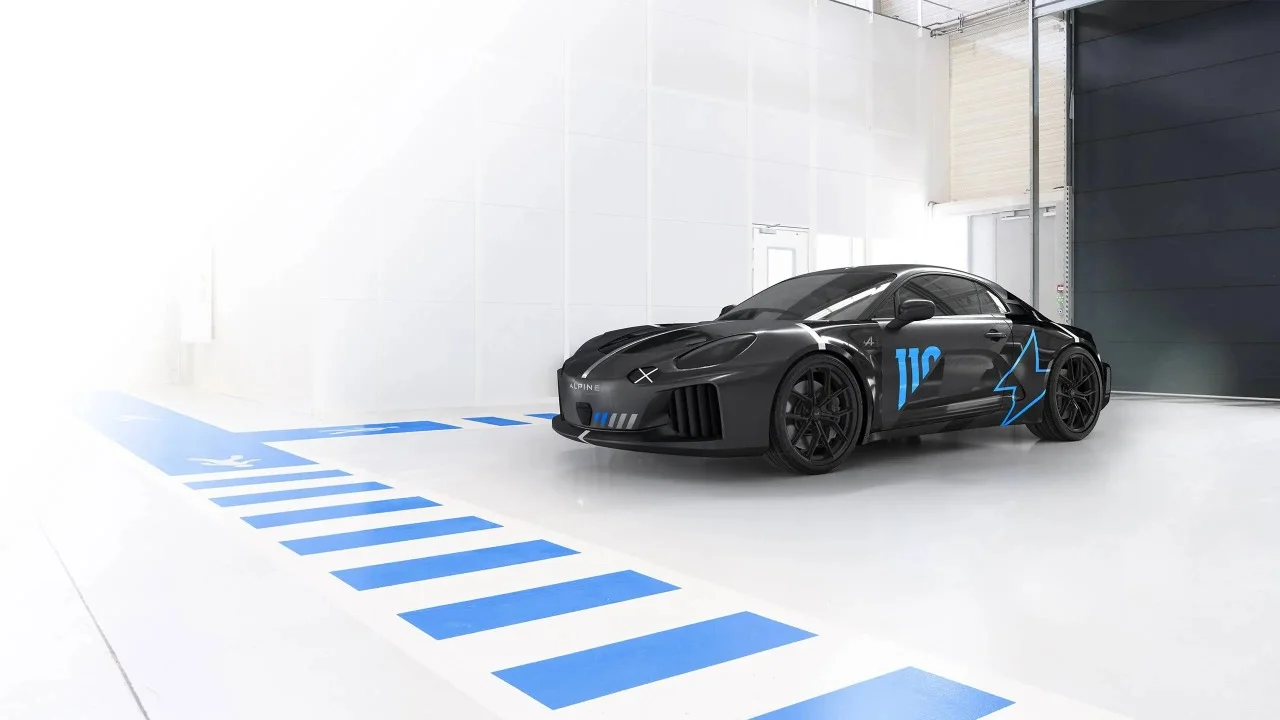

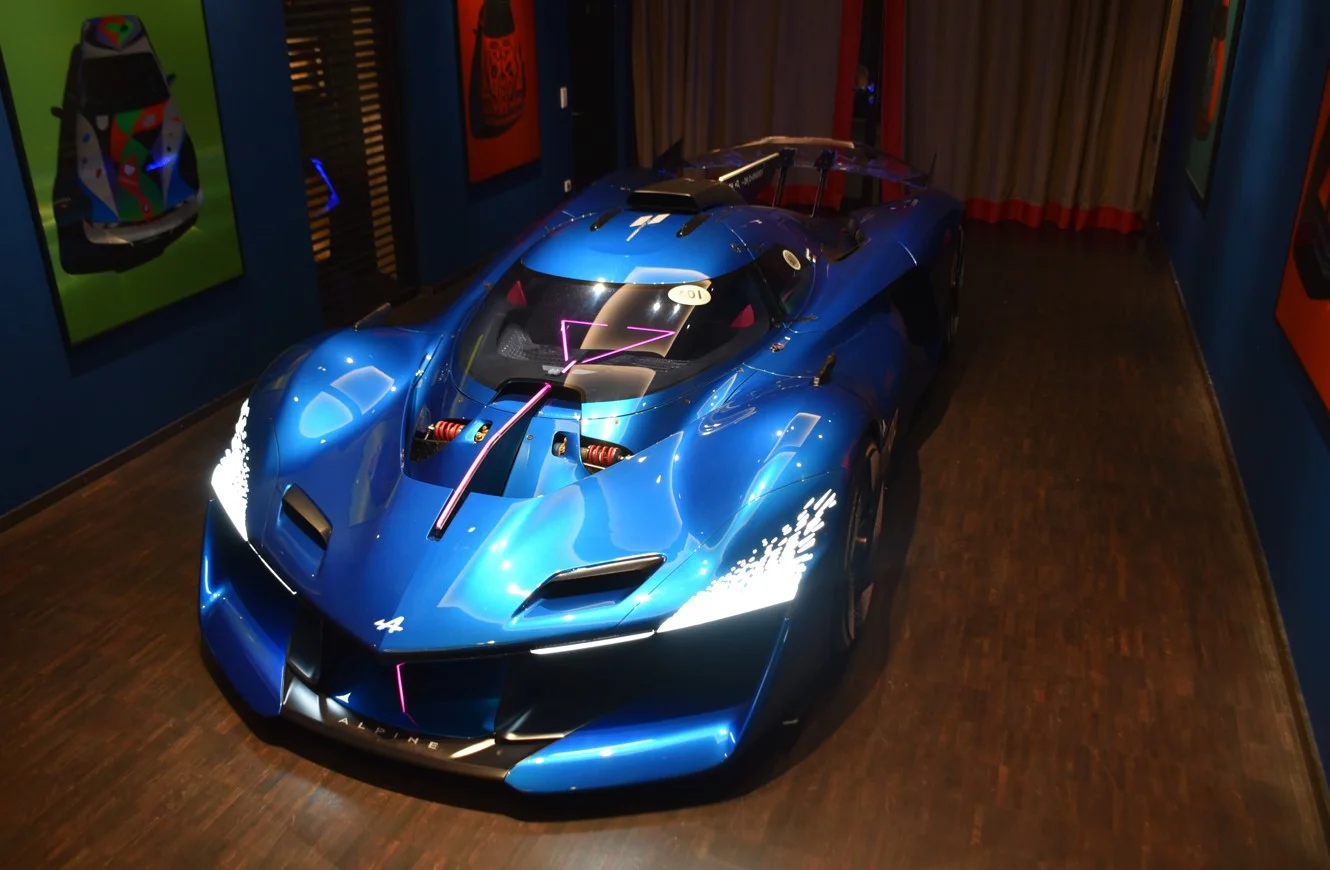
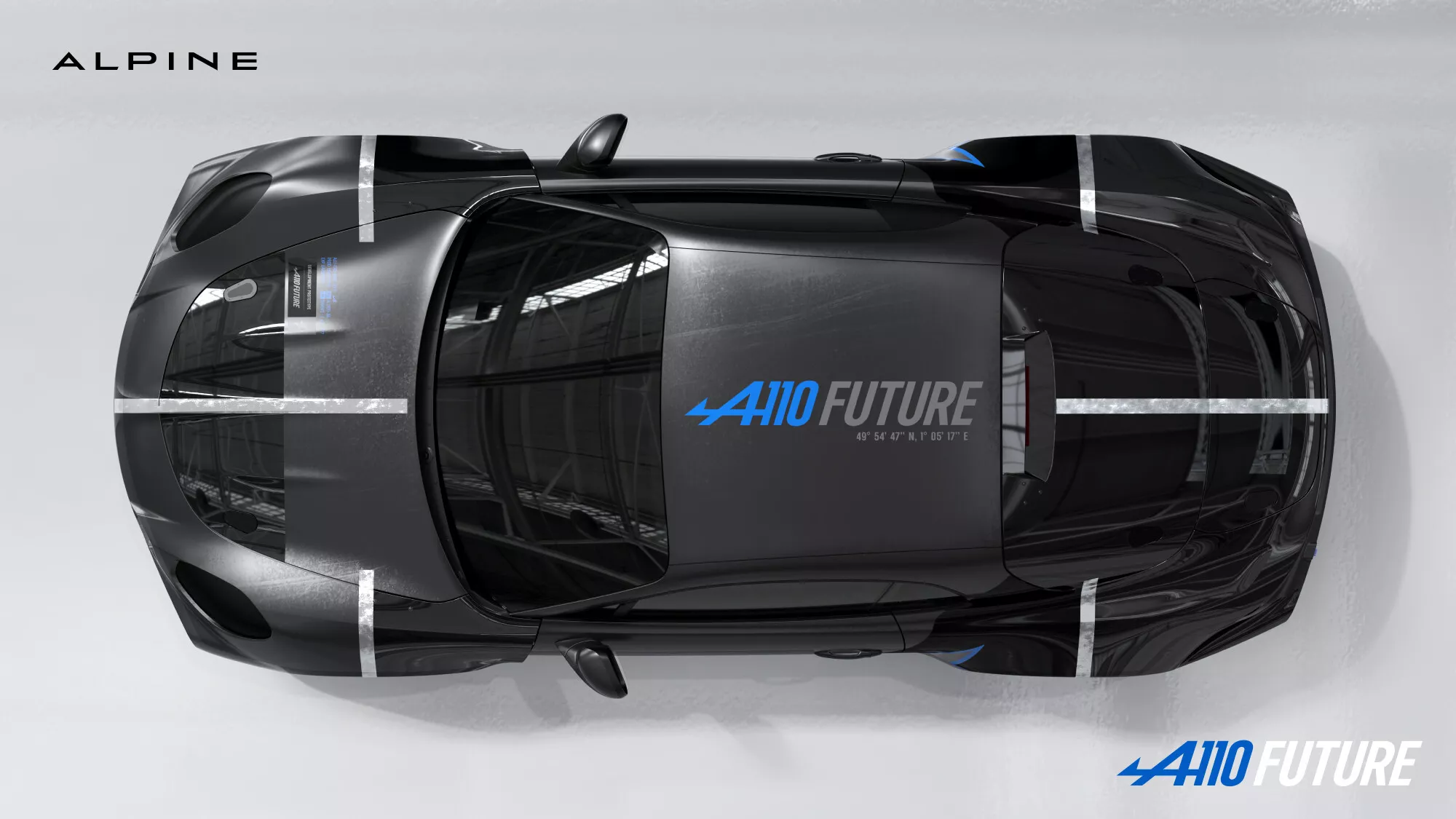
This is the new Alpine A110 Future, a development car that will eventually make it into production.
It looks the same as the old A110, but everything underneath the body is different.
It’s electric, and it has a revolutionary chassis to keep it light.
With this, Alpine is trying to solve the main problem that all electric performance cars have.
Alpine wants to keep this as lightweight as possible
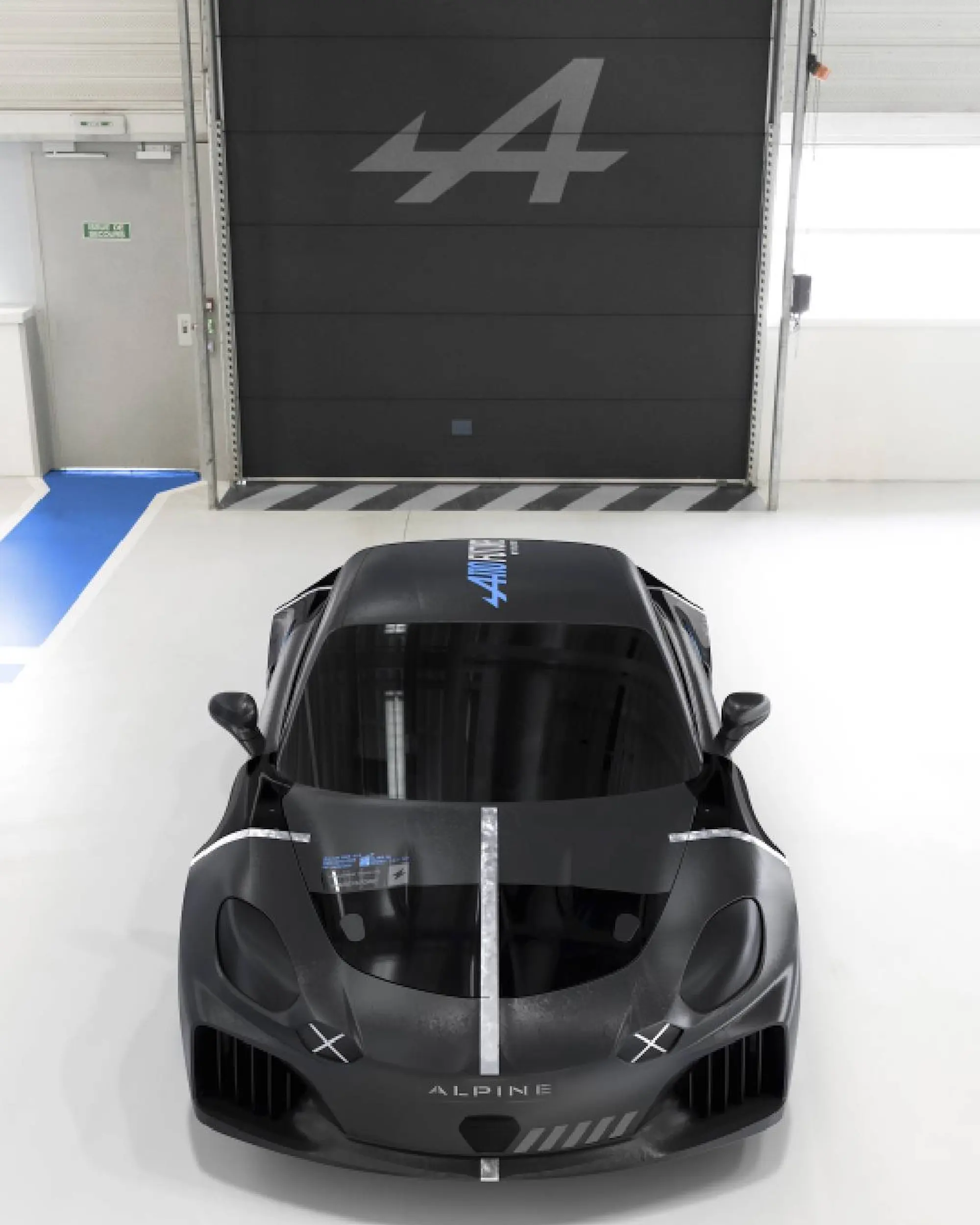
The first thing that stands out about the new Alpine A110 Future is that it looks virtually identical to the old A110.
Most people will probably see this as good news because the A110 certainly didn’t have a design problem.
The second important feature is the aluminum chassis.
One of the main problems with electric cars is that they’re very heavy.
This isn’t a deal-breaker for large SUVs or even fast sedans, but it is a significant hurdle for lightweight sports cars, which is what the A110 was.
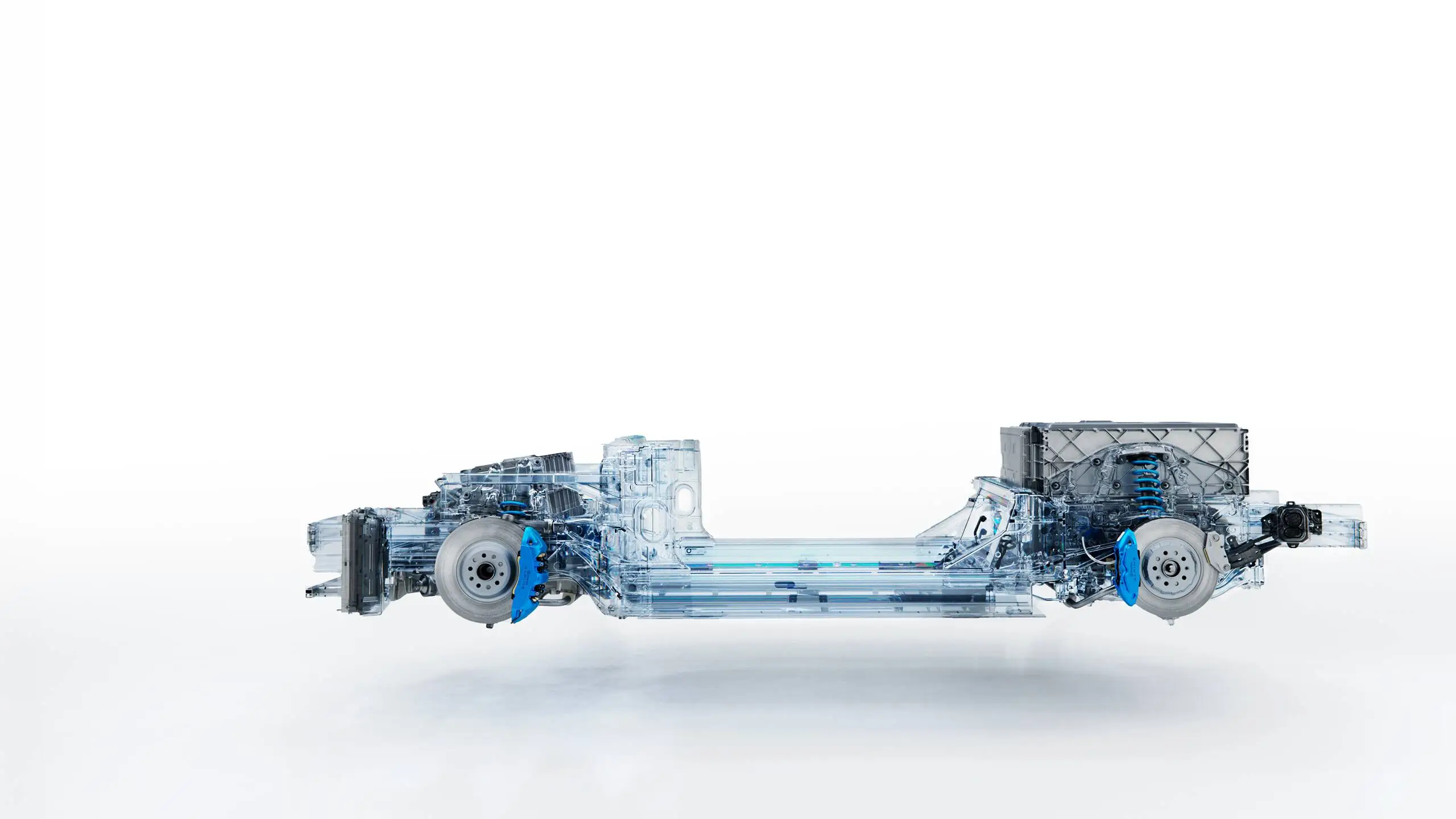
The French automaker developed a new platform called Alpine Performance Platform – or PPP – which they presumably will reuse in the future.
But for now, we know that the new A110 Future should weigh around 1,400 kilograms – or 3,086 pounds.
It’s nowhere near as lightweight as the old one, which weighed 1,102 kilograms, but this is a technical inevitability.
And speaking of weight, the manufacturer is targeting a 40:60 weight distribution, although the car will come with rear-wheel drive.
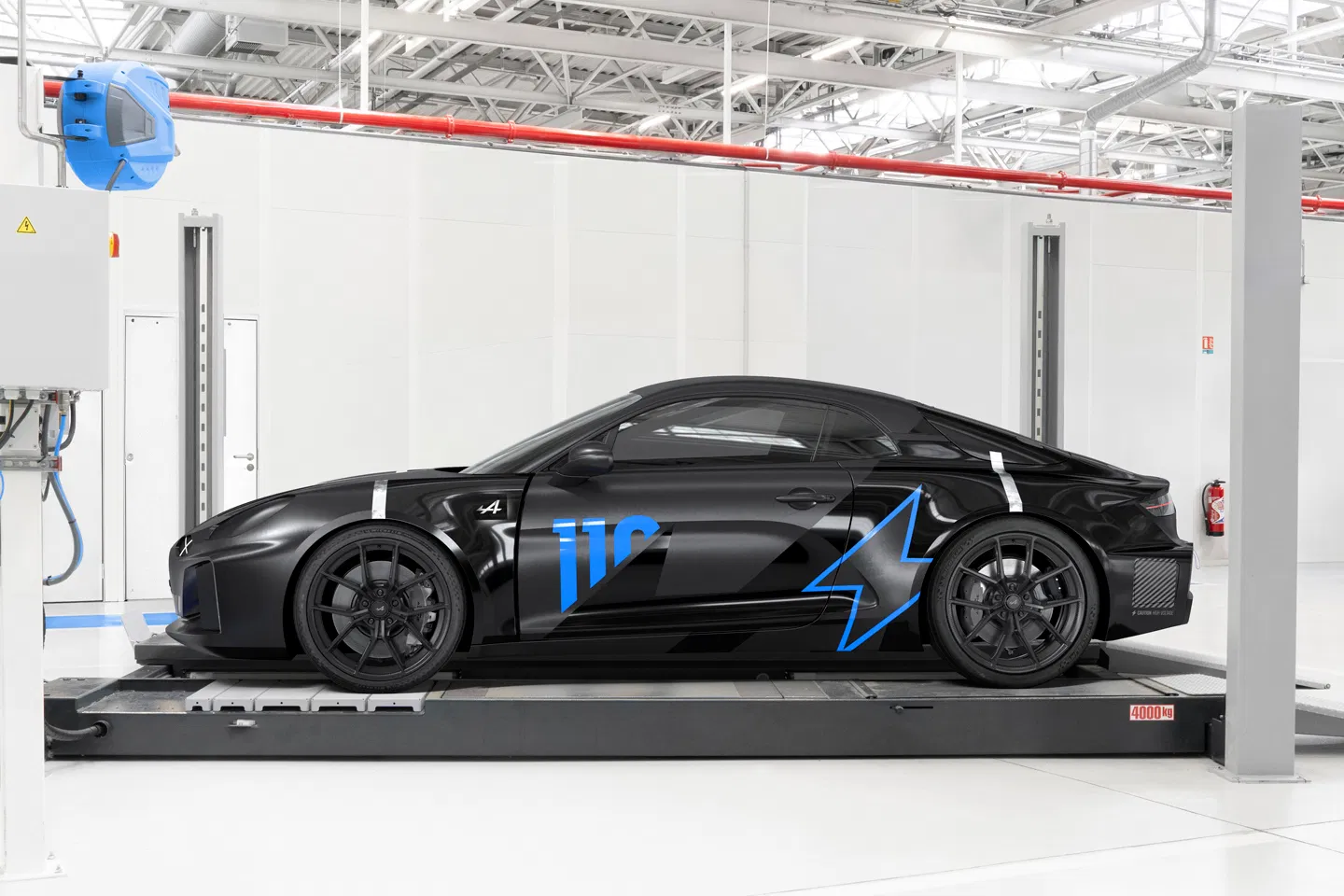
This isn’t a production car… yet
The vehicle you see here is a development mule – a test car, if you like – that previews the all-electric successor.
According to the French manufacturer, this’ll be the ‘world’s first true EV sports car’.
Set to make its debut at Goodwood, the Alpine A110 Future features a dual-motor setup, an electronic rear axle, and an 800-volt cell-to-pack battery system.
Instead of stuffing individual battery cells into separate modules and then putting those modules into a big casing, ‘cell-to-pack’ means gluing the cells directly into the car’s structural frame – saving a ton of space and weight.
If everything goes to plan, the finished product will be unveiled in late 2026 or very early 2027.
A quick reminder of what the A110 was
In 2017, Alpine unveiled a modern take on the iconic A110 from the 1960s and 1970s.
It had the same name, a similar look, and more importantly the same spirit.
It was simple, and it had a small 1.8-liter engine which produced between 249 and 300 horsepower depending on the model.
Performance didn’t come from sheer power, but it came from the power-to-weight ratio, which is rare these days because most modern cars are just so heavy.
This’ll be the biggest challenge for the company.
Extracting power and especially torque from an electric motor is easy, making it as agile and fun as a lightweight sports car isn’t.
Alessandro is an automotive journalist with 10 years of experience covering supercars, automotive history, emerging vehicle technology, and luxury transportation. He wrote the first article published on SupercarBlondie.com when the website launched in 2022 and has since built a reputation for insightful reporting across the automotive and transportation industries. His expertise is grounded in hands-on experience. Alessandro has driven every Tesla model ever produced, from the original Roadster to the Cybertruck, and regularly covers the latest developments in electric vehicles and automotive innovation. His passion for transportation extends beyond cars, he has even flown a Boeing 787 Dreamliner simulator in Addis Ababa, Ethiopia. His reporting spans everything from classic American muscle cars and rare automotive discoveries to luxury yachts, private aircraft, high-end watches, and cutting-edge vehicle technology. Known for his deep knowledge of automotive history and ability to uncover the stories behind iconic vehicles, Alessandro brings readers a blend of historical context, technical expertise, and first-hand experience.