California woman shares the 'rookie mistakes' you need to avoid if you've just bought an EV
Published on Jul 03, 2026 at 6:12 PM (UTC+4)
by Ben Thompson
Last updated on Jul 03, 2026 at 6:26 PM (UTC+4)
Edited by
Kate Bain
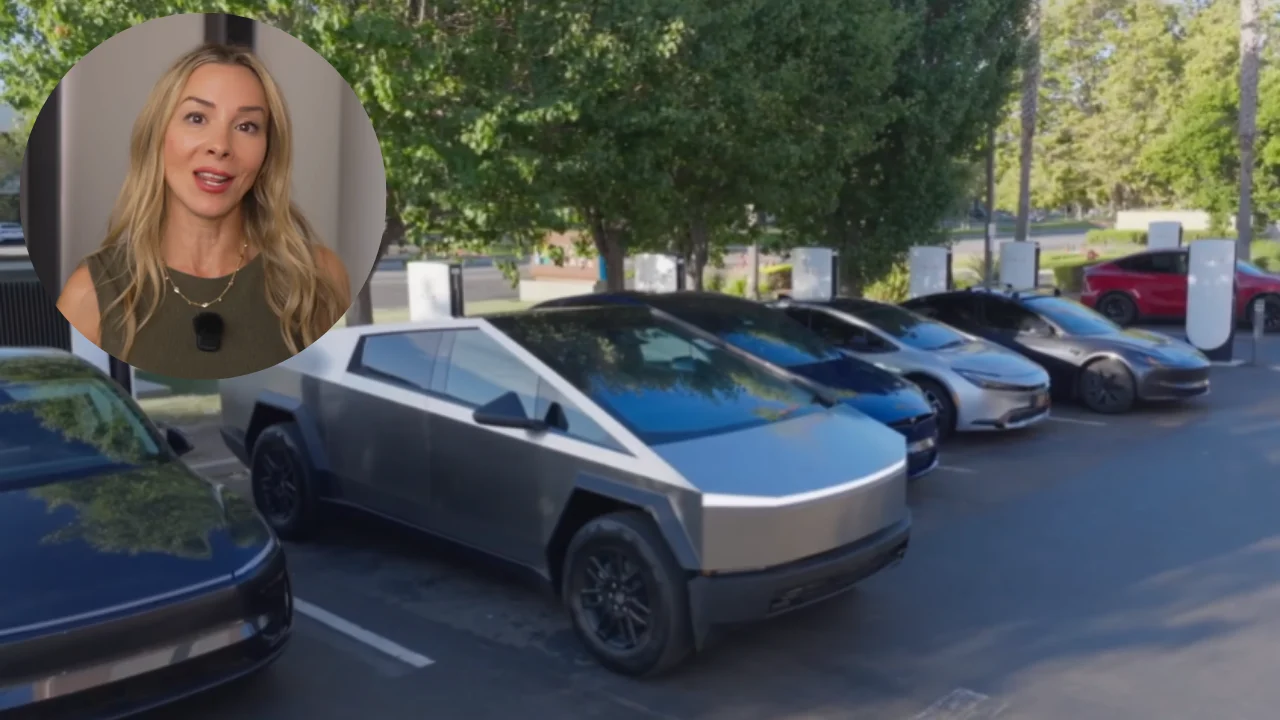

With more and more people flocking to EVs, it can’t hurt to know which ‘rookie mistakes’ to avoid – thankfully, this California woman has you covered.
When we try out something new, it’s often helpful to make mistakes because that’s how we learn.
But when said mistakes can cost hundreds, if not thousands of dollars, they’re probably best avoided.
YouTuber Kim Java uploaded a video in which she warned her followers of some ‘rookie mistakes’ that could have disastrous consequences.
These are the rookie mistakes to look out for when buying an EV
More people are making the switch to electric cars these days, and with 96 percent of them never going back, it’s clearly a long-term commitment.
A commonly cited reason for transitioning to EVs is to save money.
But YouTuber Kim Java warned that people still need to be wary.
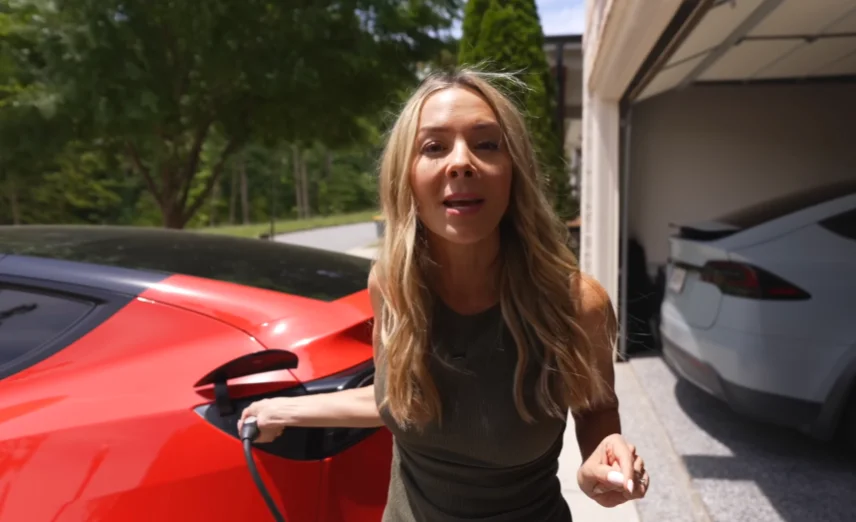
“People buy EVs and think they’re automatically going to save money,” Java said.
“But honestly, most people spend more money on EVs than they do on gas cars because nobody explains there’s a smart way to own an EV and a really expensive way.”
It’s a no-brainer that people would rather take the smart route over the expensive route, right?
But how do you do it?
Home charging versus public charging
The first mistake she cautioned EV owners from making was growing over reliant on public chargers.
Instead, they should stick to home charging as much as possible.
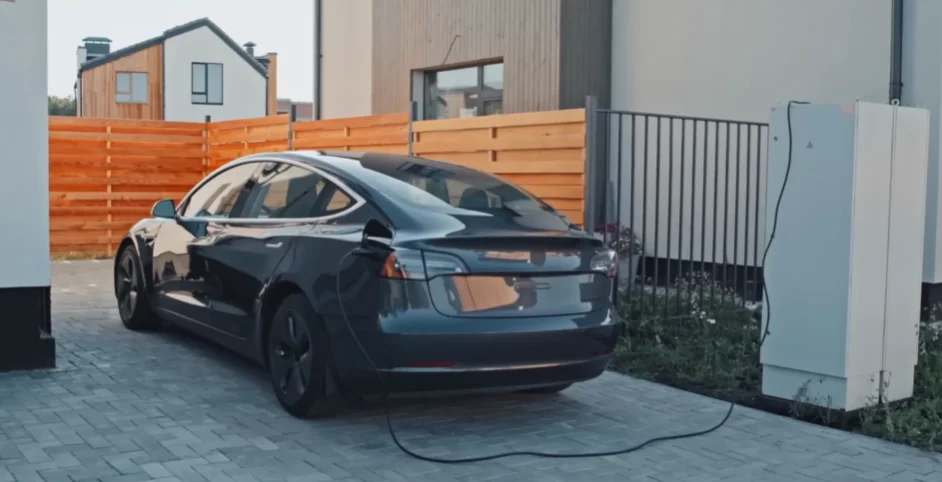
“Your entire EV ownership experience will change if you can home charge,” she said.
“If you rely too hard on fast charging, especially expensive public charging, the math can change really quickly.”
How to make sure your home charging setup works for you
When it comes to outlets, you need to know what you’re getting yourself into.
A standard outlet (Level 1) adds around 3 to 4 miles of range per hour and is sufficient for daily commutes if plugged in overnight.
One level up from that is Level 2 charging from a 240V outlet, which adds 25 miles per hour.

Java’s tip was to avoid the bells and whistles that could come with fancier wall chargers.
“[People] feel like they need to buy this fancy, expensive, spaceship-looking EV charging setup, and they really don’t,” she said.
“Some people spend thousands of dollars installing pricey chargers that plug right into the same 240 volt. A lot of those chargers do come with fancy app capabilities and so on.
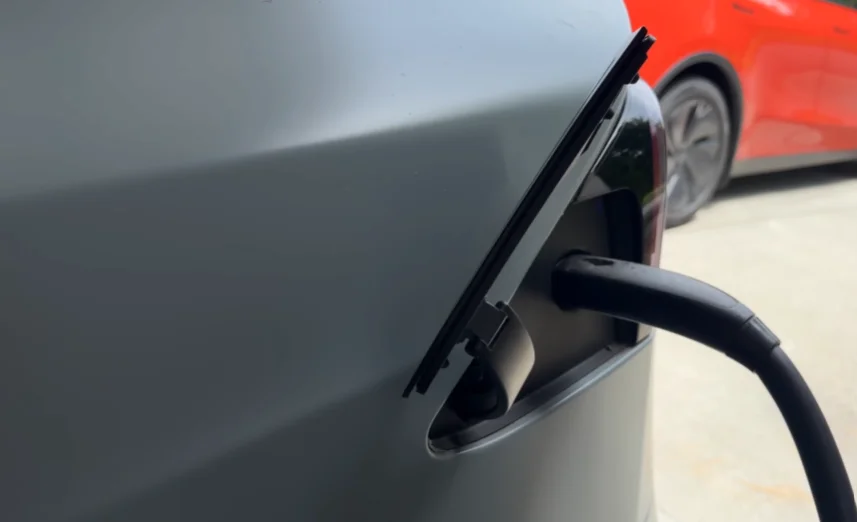
“[But] if you want to save money, you’re probably fine just using a basic 240 or even a dryer outlet and then using your mobile connector that your car hopefully came with.”
Other things to bear in mind when it comes to electricity
For one thing, it’s worth considering what time of day you charge your EV.
If you opt to charge overnight, it’s cheaper as there’s lower demand.
Location also matters, as off-peak rates can vary from state to state – as low a 1 cent per kWh in some southern states, and as high as 50 cent per kWh in California.
It’s handy to keep your EV’s mobile app on standby, as you can schedule charging automatically during your utility provider’s cheapest off-peak hours.
Buying ‘too much EV’ is just one of many rookie mistakes people make
While top-tier performance trims, huge battery sizes, and huge wheels can look the part, they can ultimately be to your detriment when it comes to efficiency.
“It’s really a double whammy,” Java said.
“You love how these larger wheels look, but you don’t take into account that the performance tires that they come with will actually wear faster and cost more to replace.”
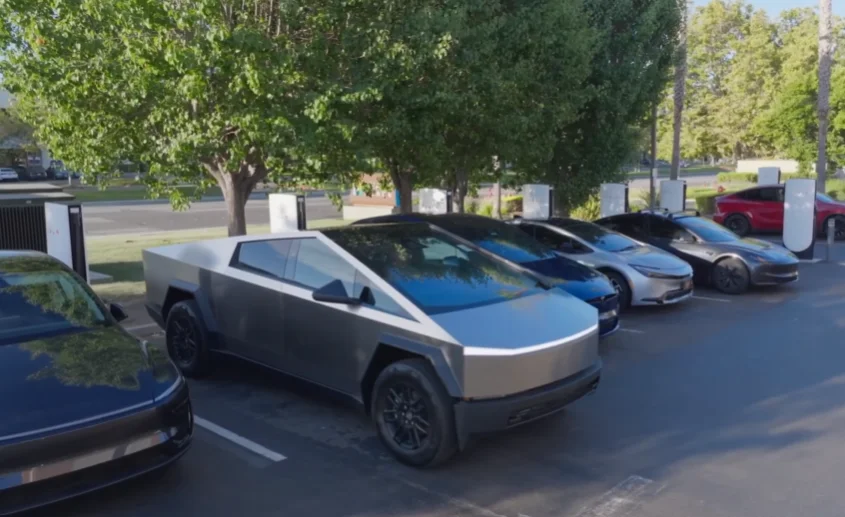
And that’s not forgetting insurance costs, too.
“People come up to me and they say, ‘I want to buy an EV to save money‘,” Java said.
“And then they go for the one with the craziest specs with the 0 to 60 in 3 seconds. And that one is probably not necessary for the Costco parking lot.”
Hidden costs that can sneak up on you
While EVs are often lauded for their savings, there are some expenses that can take new EV owners by surprise.
Because EVs have additional weight, they can burn through tires sooner – Java recommended looking for EV-specific replacements.

Then there are higher registration fees and premiums for plug access at apartment buildings.
And if you do take your EV out for a road trip, you can expect to pay a lot to keep it charged at public charging stations.
“What’s interesting about EV ownership is that it changes a lot based on everyone’s experience, where they live, how they use their car, and I think that that is the fun part about it because it starts this discussion,” Java said.
Ben joined Supercar Blondie in February 2025 after being published by international organizations including LADbible, The Sun, the New York Post, and the Daily Mail. He covers supercars, rare and collectible vehicles, aviation, luxury assets, and the fascinating people behind them. His reporting has explored everything from seven-figure supercars and historic Ferrari collections to unusual aircraft adventures and extraordinary automotive discoveries from around the world. Ben has also gained first-hand insight into vehicle craftsmanship and customization, including visiting specialist workshops to see bespoke vehicles up close.