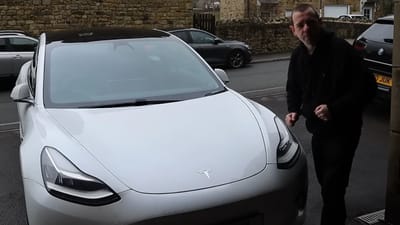
The only GM EV1 ever publicly sold ended up being found in the most unlikely of places and it was close to being destroyed for good
Published on Jul 04, 2026 at 10:01 PM (UTC+4)
by Alessandro Renesis
Last updated on Jul 04, 2026 at 10:01 PM (UTC+4)
Edited by
Ben Thompson
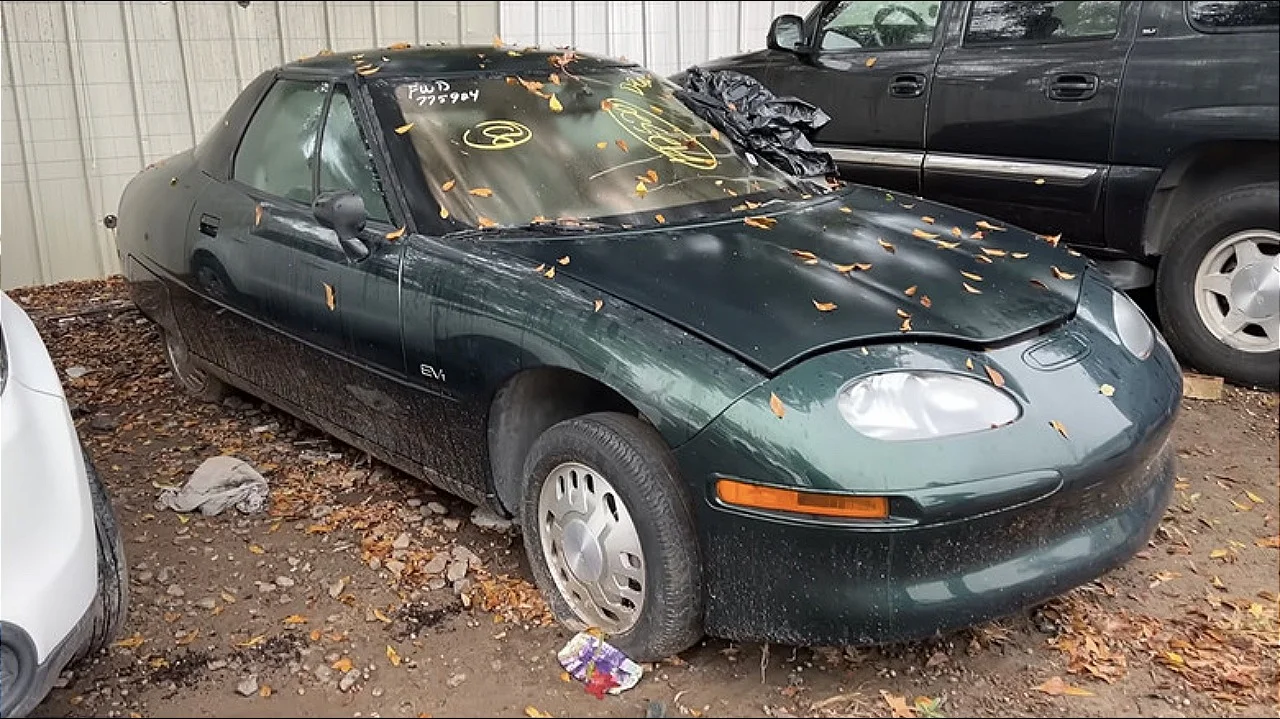

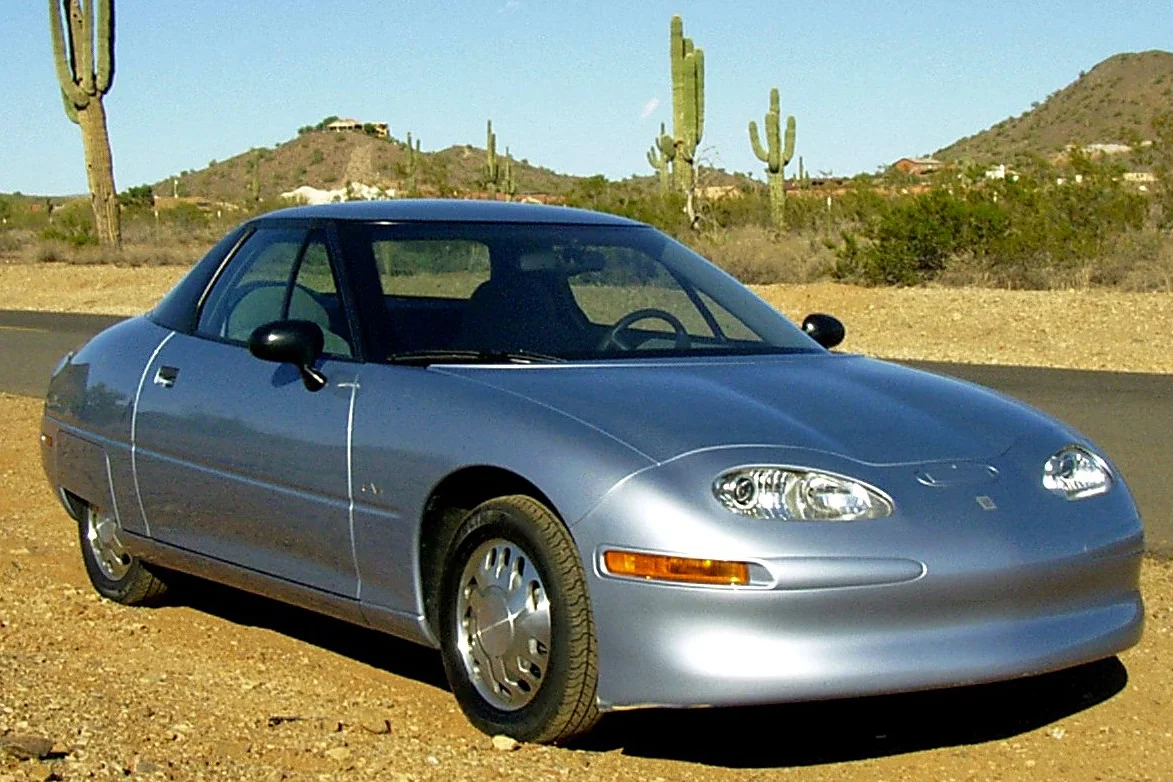
The GM EV1 is, or perhaps we should say was, an early attempt at creating a mass-produced electric car in the 1990s.
This vehicle had a troubled history, with a major recall that affected nearly 50 percent of production and a strategy that essentially gave GM the ability to destroy every single car they made.
That’s because this was a lease-only vehicle, which means that most EV1s are no longer ‘alive.’
But there’s one exception.
The GM EV1 was ahead of its time
The GM EV1 was ahead of its time, which is sometimes not a good thing.
When it comes to technology, being too early is sometimes nearly as bad as being too late.
The EV1 was launched in 1996, when no one was really thinking about electric cars.
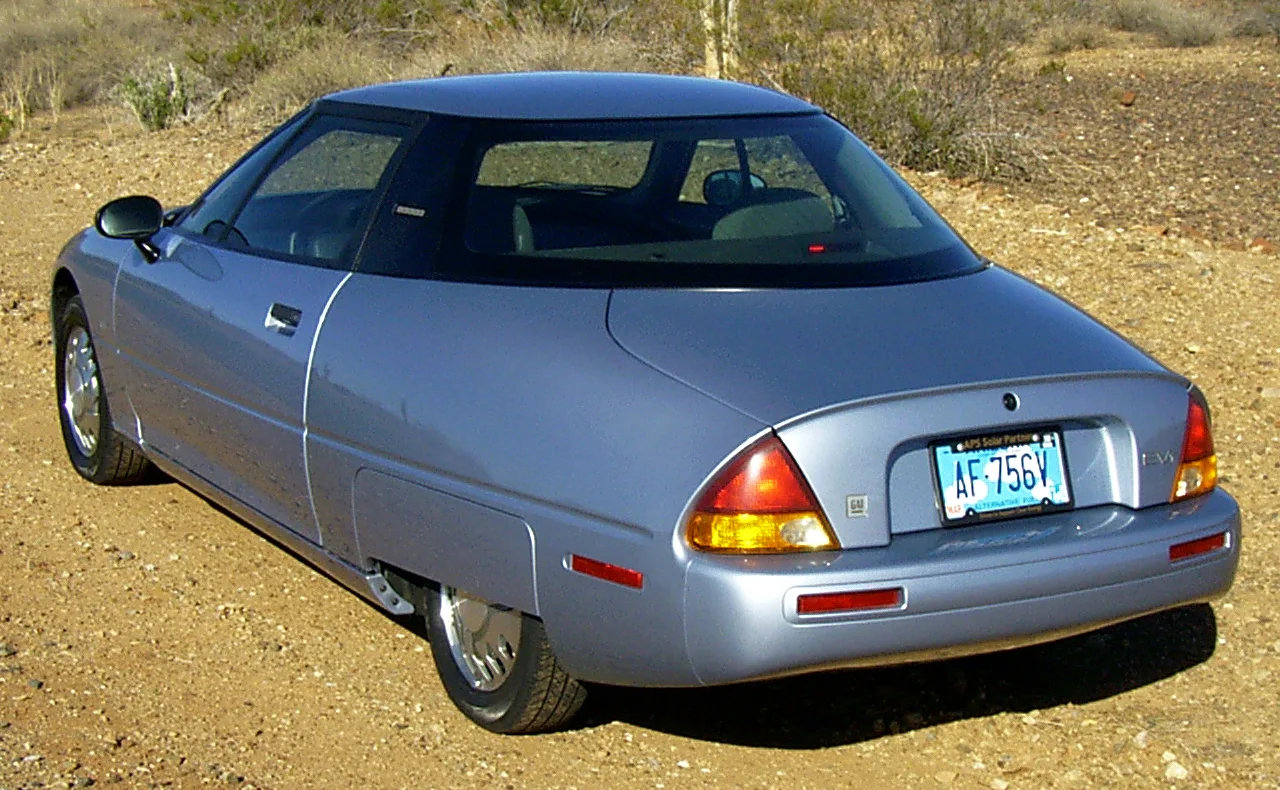
The styling made it a statement, because it definitely stood out when compared to other cars, but it only had a range of 55 miles.
Between 1996 and 1999, GM unveiled two generations of EV1.
They produced around 1,100 units in total, but nearly half had to be recalled due to a faulty charge port cable.
But, and this is a key bit of information, General Motors never put the car on sale.
All of the cars were actually leased.
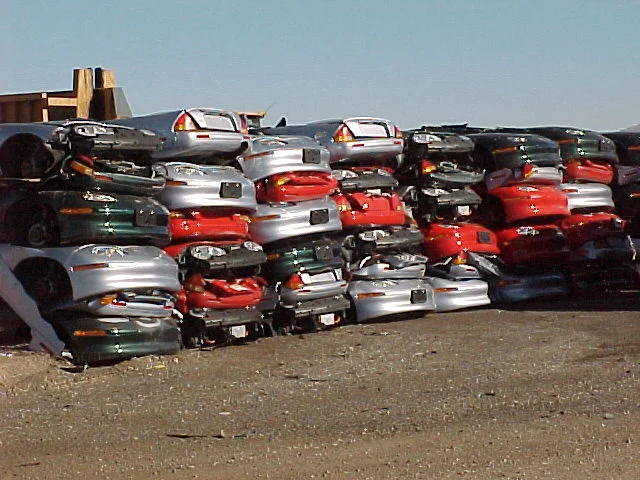
This is why this vehicle is so rare to find today; nearly all of them have been decommissioned and recycled.
Fortunately, for a combination of reasons, at least one vehicle survived.
Here’s why VIN No. 212 survived
For reasons that probably had to do with efficiency, economics, and R&D, GM decided the EV1 had to be a lease-only vehicle.
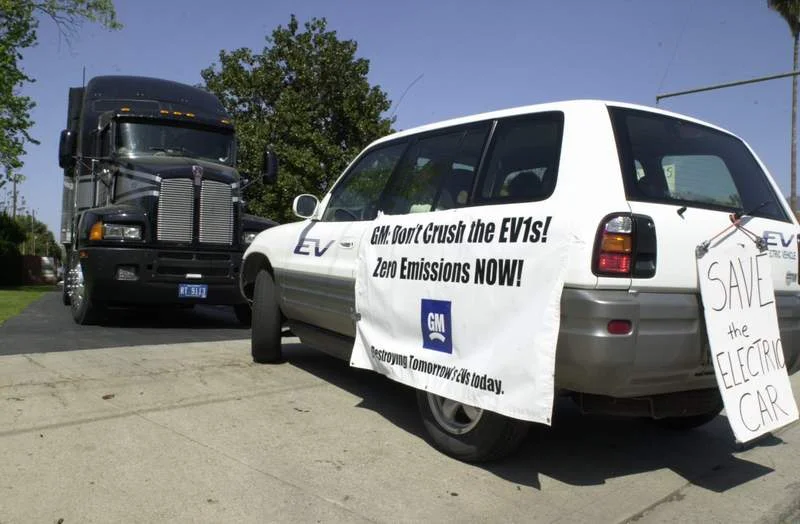
All customer cars were eventually reclaimed, sort of ‘deconstructed’ and then crushed.
But VIN No. 212 was spared this fate because of a complicated legal quagmire that eventually rewarded the owner.
When GM came knocking, they seized the car but couldn’t crush it because in the meantime the owner had sued them.
This automatically made the car evidence in the lawsuit, which is how the car survived.
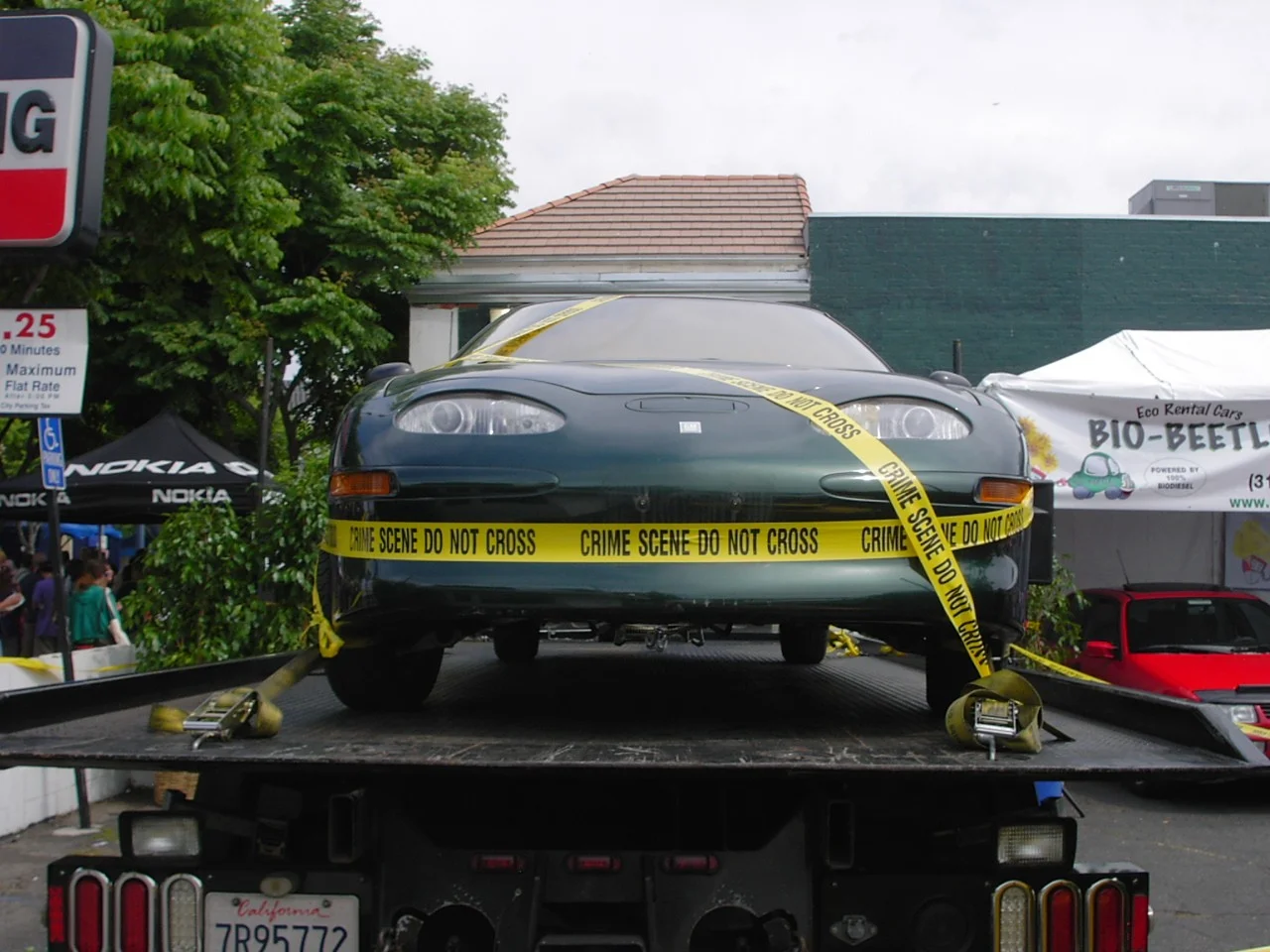
They eventually settled for a solution in the middle.
GM removed the battery and several electronic control modules to ensure it couldn’t be driven, but the car wasn’t crushed, and it was donated to Clark Atlanta University for educational purposes.
So far, so good.
Except that the University somehow forgot about it and the GM EV1 ended up collecting dust on campus.
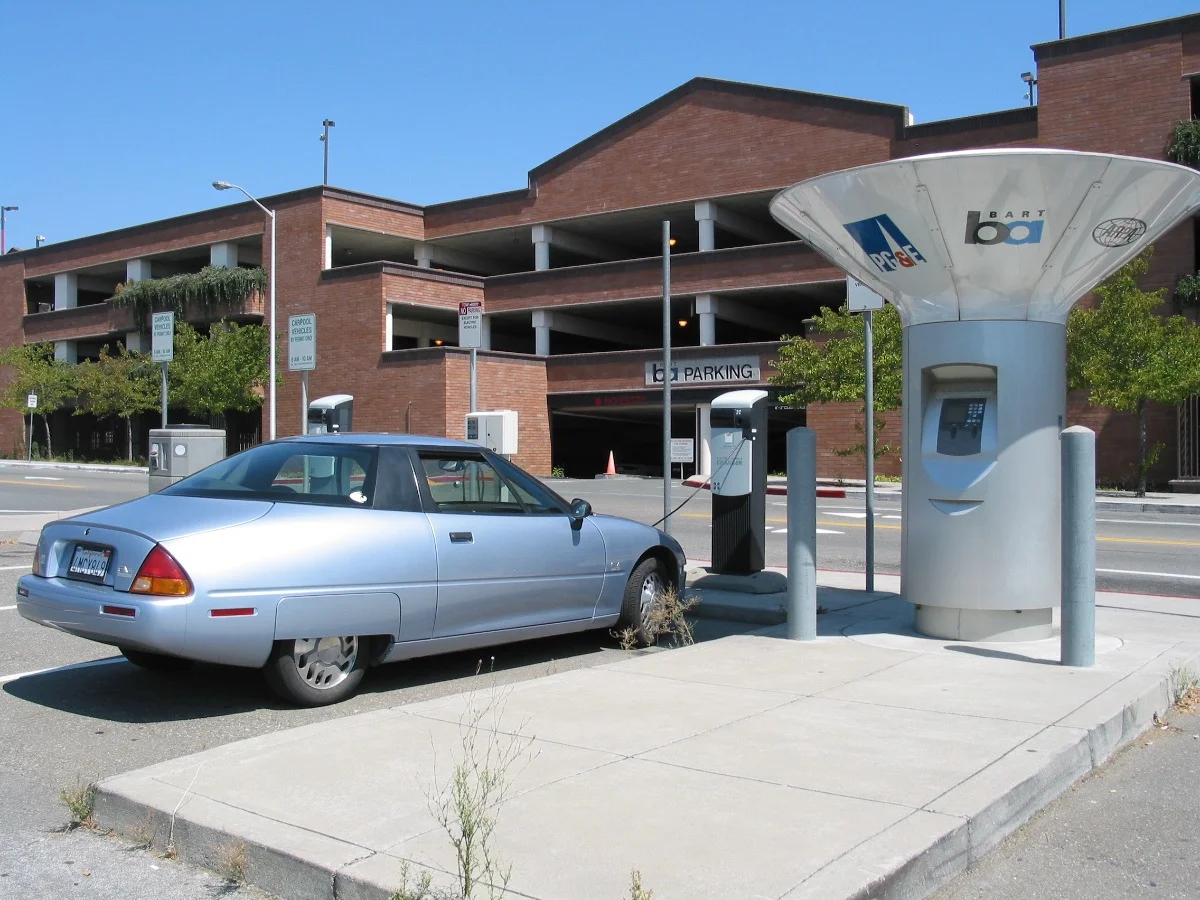
Because it was marked as abandoned, a local towing company obtained a court order to sell the vehicle to clear their lot.
Not realizing its historic significance, they listed it simply as a ‘GMC Electric Vehicle.’
But the rest of the world knew what it was, which led to a bidding war.
The GM EV1 ultimately sold for $104,000, which is a lot of money for a non-working car that’s sat abandoned for 25 years.
What’s going to happen next to this tiny electric car?
The anonymous buyer teamed up with Jared Pink from the YouTube channel The Questionable Garage to completely restore the car.
Because the original Gen 1 lead-acid battery is gone, the restoration team plans to outfit the car with a custom lithium-iron-phosphate battery pack, aiming for a modern range of around 200 miles.
Also, we should probably point out that GM execs gave the owner their ‘blessing.’
This is private property, and there’s a court verdict, but this was still nice and more to the point useful, because it means that the automaker opened up its archives and is going to help with the restoration.
This is probably also a way to make it up to the car, so to speak.
Back then, GM execs believed electric cars were too niche and couldn’t be profitable, and so they terminated the EV1 program.
They were half right, because some automakers are indeed struggling to make EVs profitable.
But they were also half wrong.
Clearly, EVs are not a niche market anymore.
Alessandro is an automotive journalist with 10 years of experience covering supercars, automotive history, emerging vehicle technology, and luxury transportation. He wrote the first article published on SupercarBlondie.com when the website launched in 2022 and has since built a reputation for insightful reporting across the automotive and transportation industries. His expertise is grounded in hands-on experience. Alessandro has driven every Tesla model ever produced, from the original Roadster to the Cybertruck, and regularly covers the latest developments in electric vehicles and automotive innovation. His passion for transportation extends beyond cars, he has even flown a Boeing 787 Dreamliner simulator in Addis Ababa, Ethiopia. His reporting spans everything from classic American muscle cars and rare automotive discoveries to luxury yachts, private aircraft, high-end watches, and cutting-edge vehicle technology. Known for his deep knowledge of automotive history and ability to uncover the stories behind iconic vehicles, Alessandro brings readers a blend of historical context, technical expertise, and first-hand experience.