100,000HP engine is as big as a basketball court and weighs over 2,000 tons
Published on Sep 13, 2026 at 2:06 AM (UTC-4)
by Alessandro Renesis
Last updated on Oct 08, 2026 at 8:54 AM (UTC-4)
Edited by
Tom Fenton
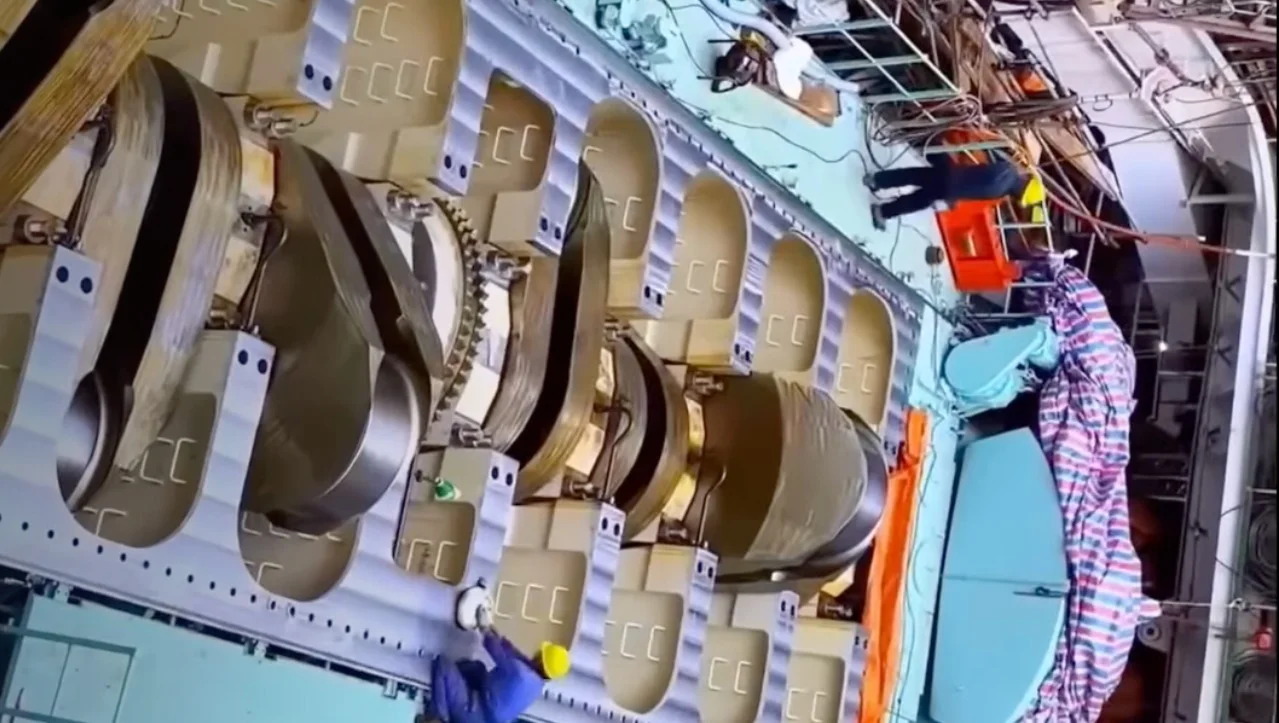

This is possibly the world’s largest engine – and it has to be since it needs to be powerful enough to propel a cargo ship.
The engine is absolutely massive and incredibly powerful.
It is also extremely tall.
And there’s also another important record it can claim.
It’s the world’s most powerful piston engine
What you’re seeing here is the world’s most powerful piston engine, which isn’t a bad title to have.
And yet, somehow, this particular title isn’t even its most impressive feature.
For starters, the weight of the engine is truly astonishing.
It’s 2,300 tons – equivalent to over 5,000 pounds.
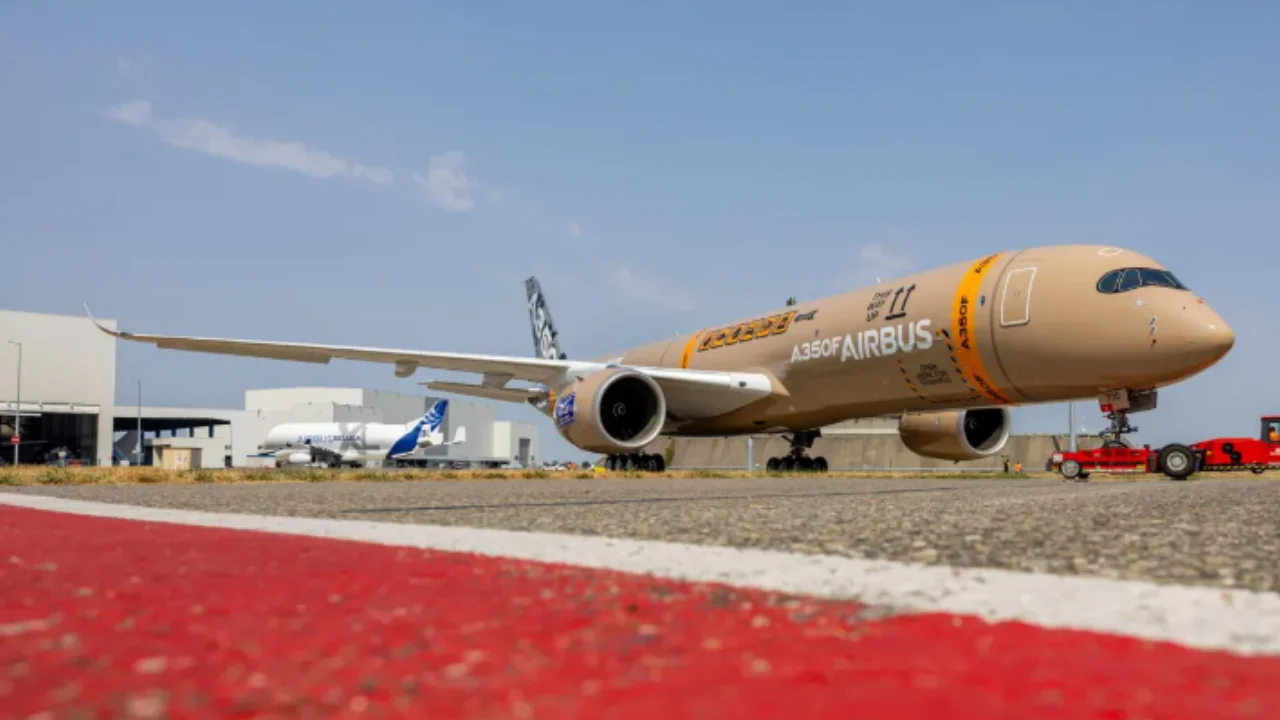
For reference, that’s the same as four fully loaded Airbus A380 airliners.
And we have to remember that the Airbus A380 is one of the heaviest airliners in the world.
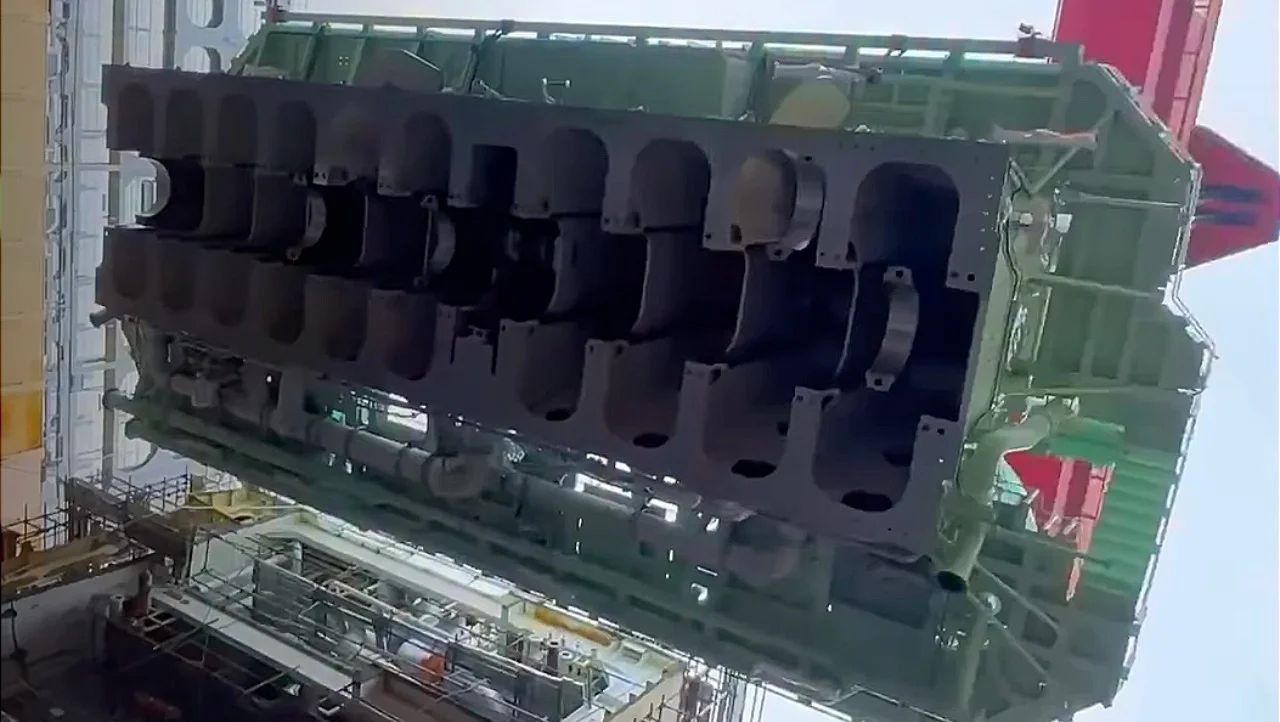
It is also shockingly tall – 44 feet or 13.4 meters – equivalent to a four-story building or three stacked double-decker buses.
Frank Lloyd Wright’s Fallingwater house museum in Pennsylvania, for example, is actually significantly shorter than this engine.
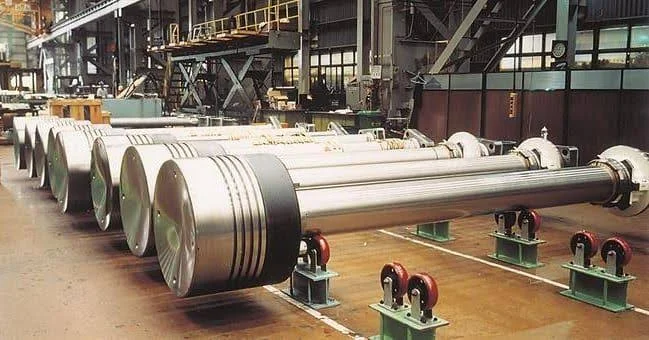
Built in Finland, the Wärtsilä-Sulzer RTA96-C engine produces over 100,000 horsepower – 108,920 to be exact.
If you think that’s crazy, then wait until you hear the torque figure for this engine.
Because the world’s largest piston engine produces over 5,000,000lb-ft of torque.
As you might have worked out, such a monstrous powerplant eats through fuel – and a lot of it.
We’re talking about 1,700 gallons of fuel – or 6,400+ liters – per hour.
This is why it is so difficult to replace
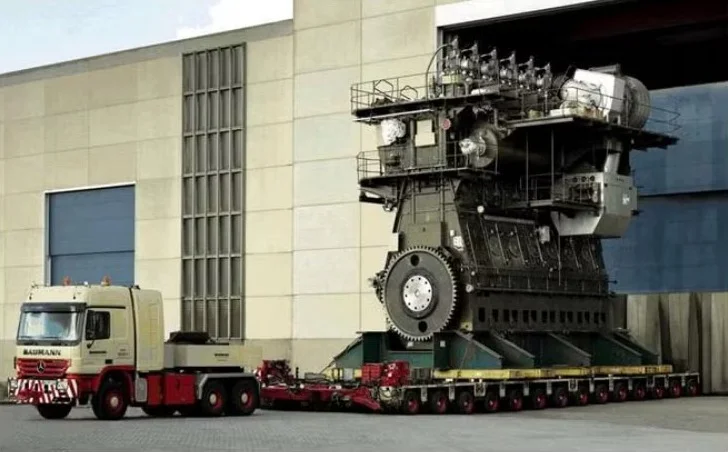
The Wärtsilä-Sulzer RTA96-C is the beating heart of one of the world’s largest cargo ships.
This 14-cylinder ‘beauty’ has been in service for decades, powering the Danish cargo ship, Emma Maersk.
And it needs to be large and powerful because the ship is equally massive, measuring a staggering 1,300 feet long and 183 feet wide.
If you ran the New York Marathon aboard the ship, you’d only need around 47 laps of the vessel to complete it.
The size (and weight) of the ship is the reason why this engine is particularly difficult to replace.
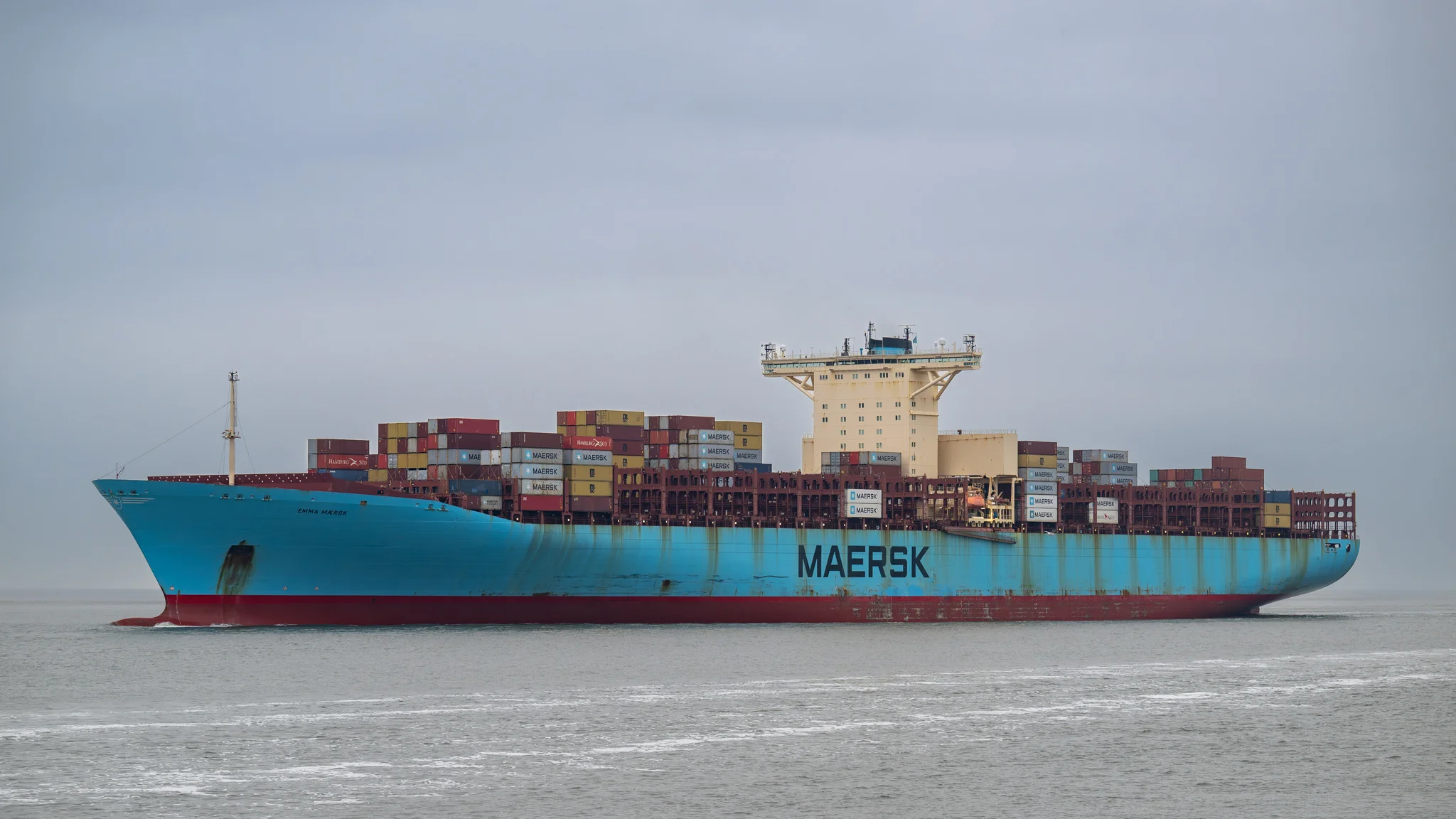
It’s expensive and thirsty (running on heavy fuel oil or marine diesel), but it’s solid and reliable, and even though it weighs so much, it is still relatively ‘lightweight’ in the context of a container ship.
With all this talk about electric power, it’d be tempting to imagine an electric solution, but, with current technology, it just doesn’t work.
An equivalent electric motor setup would weigh several times less (or 50-70 per cent less) than its diesel counterpart, which is the good news.
But the bad news is it would also require around 100,000,000 to 120,000,000 kilograms (or 100,000 to 120,000 metric tons) worth of batteries alone.
Put simply: the ship would simply sink – or have no room left for cargo.
Alessandro is an automotive journalist with 10 years of experience covering supercars, automotive history, emerging vehicle technology, and luxury transportation. He wrote the first article published on SupercarBlondie.com when the website launched in 2022 and has since built a reputation for insightful reporting across the automotive and transportation industries. His expertise is grounded in hands-on experience. Alessandro has driven every Tesla model ever produced, from the original Roadster to the Cybertruck, and regularly covers the latest developments in electric vehicles and automotive innovation. His passion for transportation extends beyond cars, he has even flown a Boeing 787 Dreamliner simulator in Addis Ababa, Ethiopia. His reporting spans everything from classic American muscle cars and rare automotive discoveries to luxury yachts, private aircraft, high-end watches, and cutting-edge vehicle technology. Known for his deep knowledge of automotive history and ability to uncover the stories behind iconic vehicles, Alessandro brings readers a blend of historical context, technical expertise, and first-hand experience.