Boeing filled a plane with 20,000lb in potatoes and the reason for why is actually genius
Published on Mar 11, 2026 at 11:51 PM (UTC+4)
by Molly Davidson
Last updated on Mar 11, 2026 at 2:12 PM (UTC+4)
Edited by
Mason Jones

Boeing engineers once filled an entire plane with potatoes.
Not for food, and definitely not for a very strange in-flight meal service.
The sacks of potatoes were actually standing in for passengers.
And the reason behind it turned out to be surprisingly clever.
Click the star icon next to supercarblondie.com in Google Search to stay ahead of the curve on the latest and greatest supercars, hypercars, and ground-breaking technology
Why Boeing filled a plane with 20,000 pounds of potatoes
Back in 2012, Boeing engineers were trying to solve a problem most travelers know well: patchy in-flight Wi-Fi.
Getting a signal to work consistently inside a metal tube packed with people is harder than it sounds.
Wireless signals bounce around the cabin and change depending on where devices are sitting.
Even moving a laptop a few inches on your tray table can affect the connection.

“You want your laptop to work anywhere it’s located on your seat, but there can be significant signal changes just due to the location of the laptop,” Boeing engineer Dennis Lewis explained.
To understand exactly how signals behaved inside a packed plane, Boeing needed a cabin full of passengers.
The only problem was that the tests would take days, and asking hundreds of volunteers to sit perfectly still the entire time wasn’t exactly realistic.
So the engineers reached for something a little less demanding.
They filled the seats of a decommissioned aircraft with sacks containing 20,000 pounds of potatoes.
It turns out potatoes interact with radio signals in a surprisingly similar way to human bodies, meaning they absorb and reflect wireless signals almost the same way passengers do.
The experiment even had a fitting name: SPUDS, short for Synthetic Personnel Using Dielectric Substitution.
Did the potato experiment improve in-flight Wi-Fi?
Once the cabin was fully packed with potatoes, Boeing engineers ran connectivity tests across the aircraft.
Because the potatoes mimicked how real passengers affect signals, the team could measure exactly where in-flight Wi-Fi was strong and where it struggled.
That made it much easier to map weak spots throughout the cabin and adjust the placement of antennas and equipment.
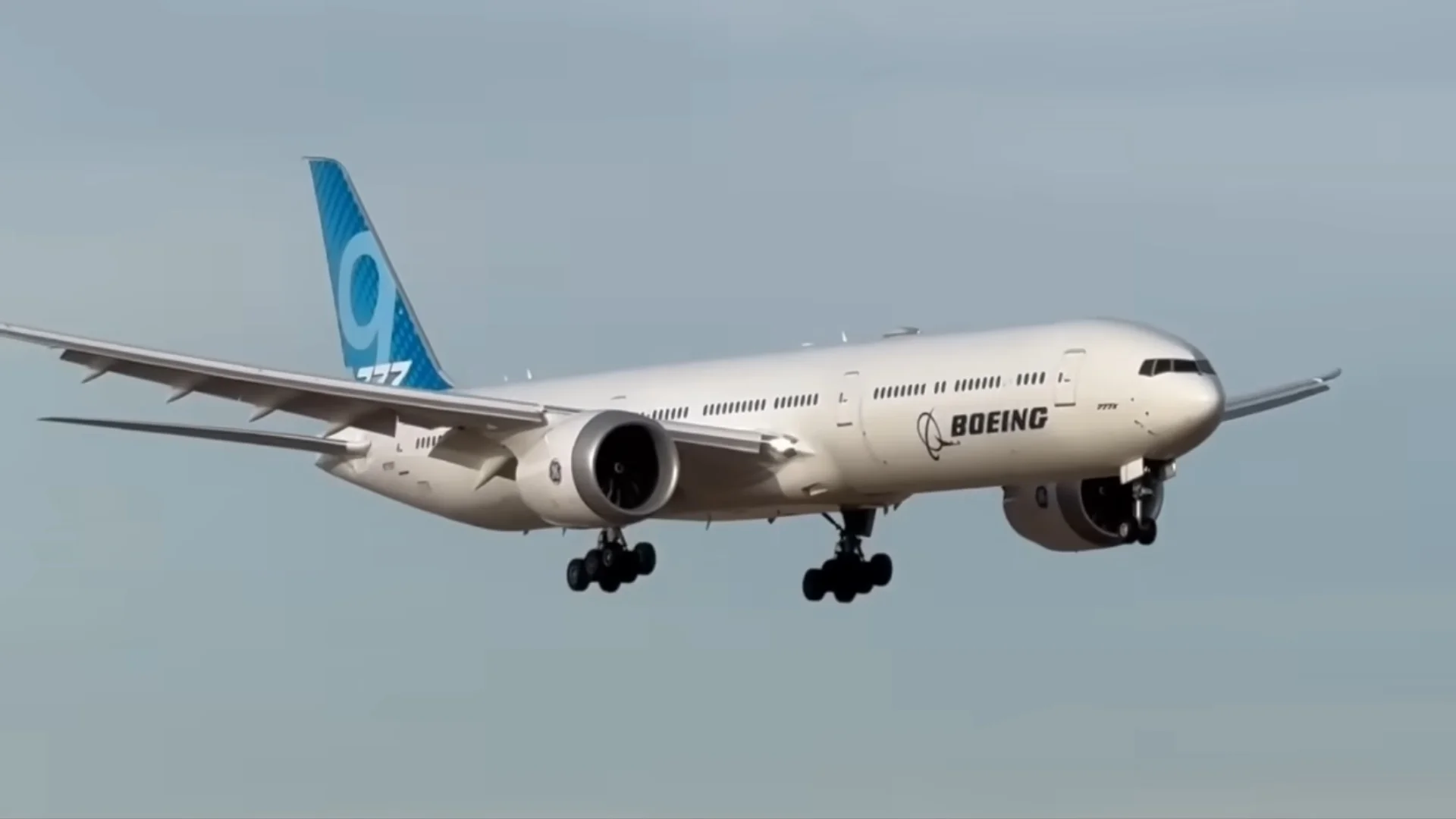
The results helped improve onboard internet performance for aircraft like the Boeing 777, 747-8, and 787.
And the potatoes came with one major advantage over real passengers.
They never got bored.
Which meant they could sit there quietly for days while engineers gathered all the data they needed.
So next time the airplane Wi-Fi actually works, you might have a few sacks of potatoes to thank.
DISCOVER SBX CARS: The global premium car auction platform powered by Supercar Blondie
With roles at TEXT Journal, Bowen Street Press, Onya Magazine, and Swine Magazine on her CV, Molly joined Supercar Blondie in June 2025 as a Junior Content Writer. Having experience across copyediting, proofreading, reference checking, and production, she brings accuracy, clarity, and audience focus to her stories spanning automotive, tech, and lifestyle news.