British Airways just became one of the first airlines in the world to allow voice and video calls at 40,000 feet thanks to Starlink
Published on Apr 12, 2026 at 6:39 PM (UTC+4)
by Jason Fan
Last updated on Apr 09, 2026 at 6:39 PM (UTC+4)
Edited by
Mason Jones


British Airways is shaking up in-flight etiquette by embracing Starlink, and yes, that means video calls at 40,000 feet are officially on the table.
It’s a move that flips one of aviation’s longest-standing unspoken rules on its head.
For decades, planes have been one of the last places you could hide from constant connectivity.
Now, that quiet bubble is about to get a lot noisier.
Starlink makes livestreaming in the air a reality
British Airways plans to roll out high-speed, gate-to-gate internet across its long-haul fleet over the next two years.
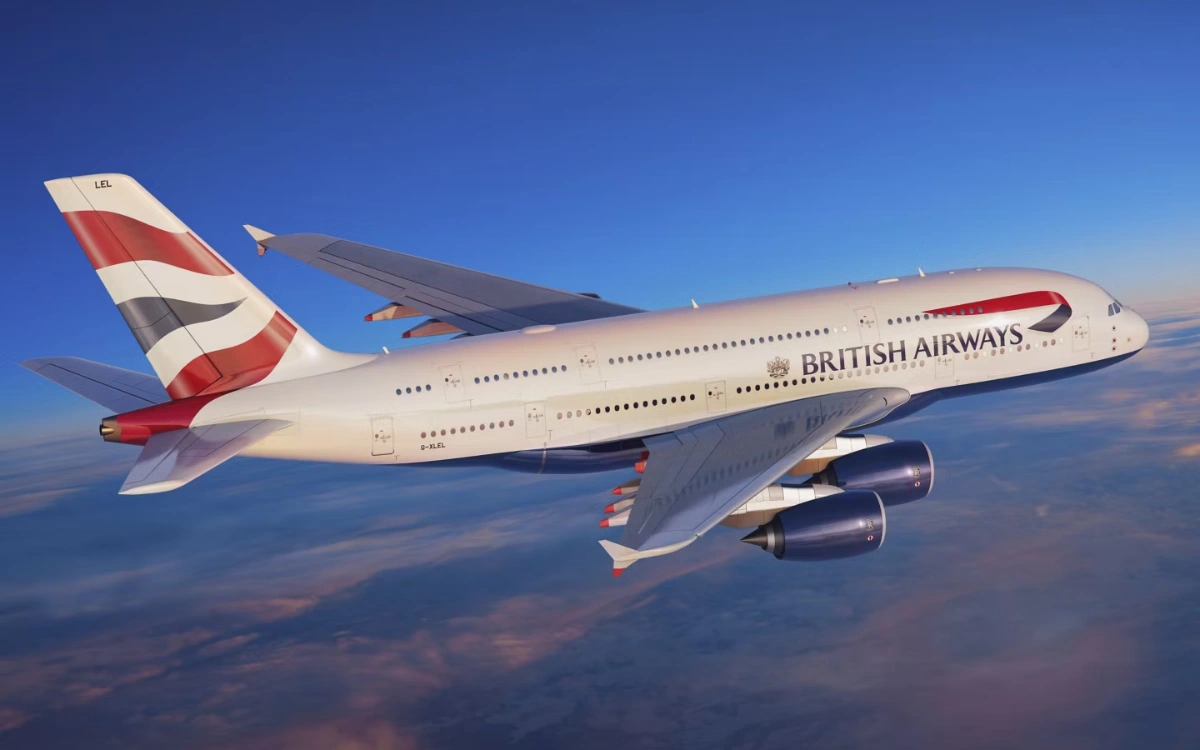
It will be powered by a network of thousands of low-Earth orbit satellites developed by Elon Musk.
Unlike traditional inflight Wi-Fi, which often relies on ground towers or a handful of geostationary satellites, Starlink operates much closer to Earth.
That shorter distance dramatically reduces latency and boosts speeds, making real-time applications like Zoom calls, FaceTime, and even livestreaming possible without the usual lag.
Aviation analysts have long pointed out the limitations of older systems.
As one industry expert explained, traditional satellite connections can feel like having dial-up in the sky, with high latency making live communication frustrating or outright impossible.
Starlink’s lower orbit changes that equation entirely, delivering speeds that are much closer to what passengers expect on the ground.
Many airlines do not allow video calls on flights
Still, just because you can take a call mid-flight doesn’t mean airlines think you should.
Most carriers remain firmly opposed.
United Airlines, Qantas, and Cathay Pacific all explicitly ban voice and video calls onboard, even when Wi-Fi is available.
Their reasoning is simple: passenger comfort.
Cabins are enclosed, shared spaces where noise travels easily, and a single loud conversation can quickly become everyone’s problem.
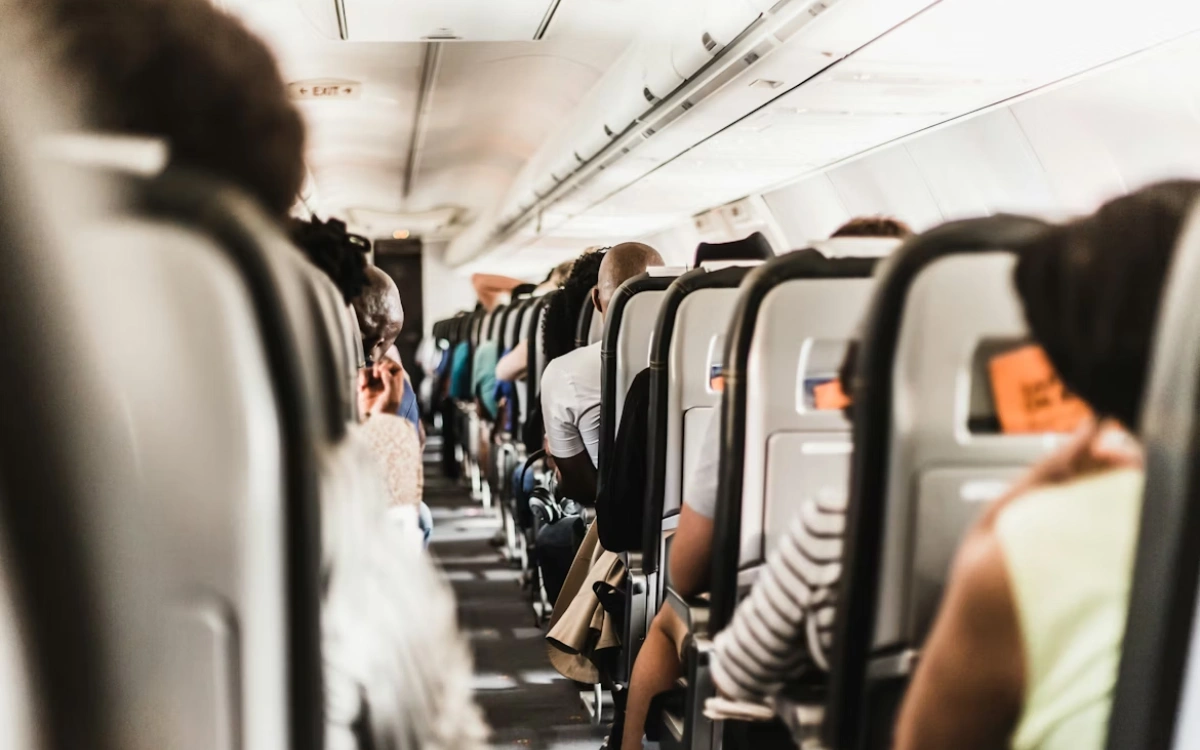
Airlines have spent years refining the in-flight experience to minimize disruption, and allowing calls risks undoing that balance.
Even airlines that stop short of outright bans, like Air France, strongly encourage discreet device use to preserve a calm cabin environment.
Meanwhile, Aer Lingus, a sister airline to British Airways, has taken a similar stance to BA by permitting calls but urging passengers to keep conversations quiet.
The debate is only just beginning.
Many see the move as a production breakthrough, including aviation blogger Benjamin Schlappig from One Mile at a Time.
“Admittedly, the benefit was limited on a short flight like this, but on a long daytime flight, the existence of Starlink Wi-Fi might be the deciding factor for me in picking an airline,” he said.
However, there are some who worry that Starlink’s prominence will signal the end of modern travel’s last peaceful escapes.
Nevertheless, major airlines have already begun installing Starlink on their fleet, including Qatar Airways and Emirates.
Whether you like it or not, it would seem that the days of guaranteed inflight silence may soon be a thing of the past.
DISCOVER SBX CARS: The global premium car auction platform powered by Supercar Blondie