Bugatti tires used to cost $42,000 and complex issue had to be solved to make them a lot cheaper
Published on Aug 02, 2026 at 9:11 PM (UTC-4)
by Daisy Edwards
Last updated on Aug 02, 2026 at 9:11 PM (UTC-4)
Edited by
Ben Thompson
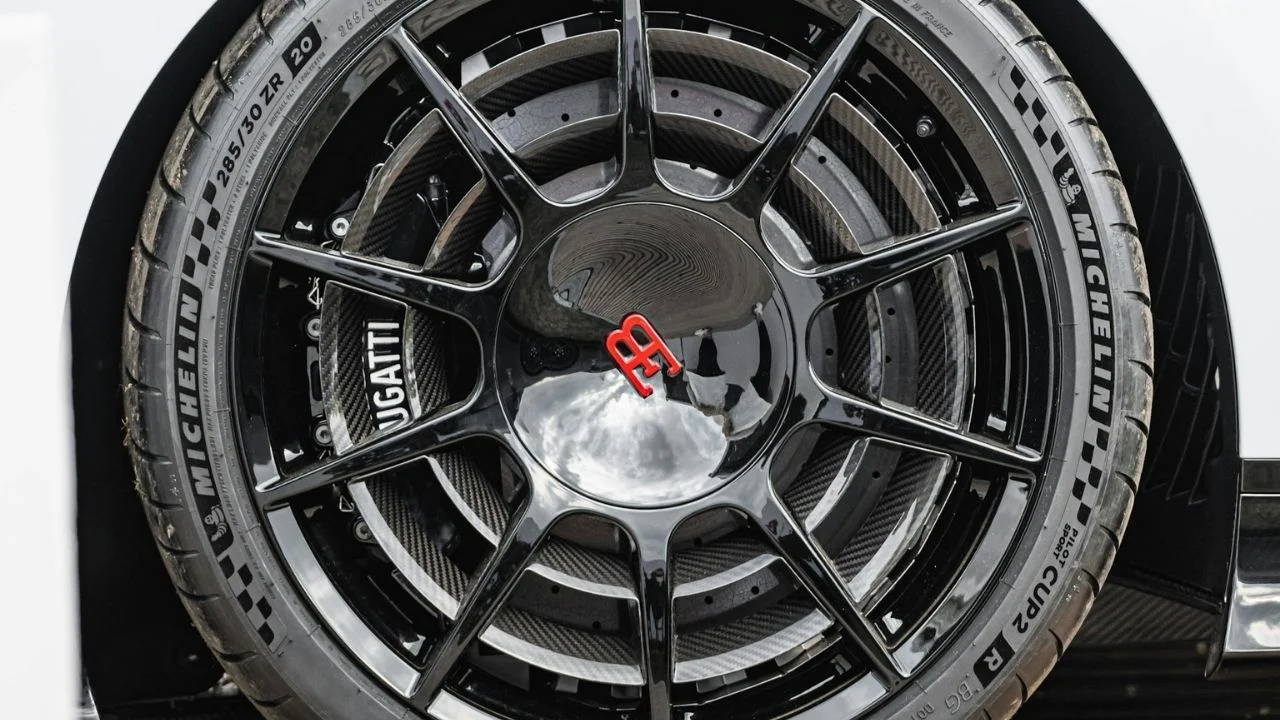

Bugatti tires once cost an eye-watering $42,000 per set, making them more expensive than many brand-new cars.
The incredible price tag wasn’t because of luxury branding, but because engineers had to overcome one of the biggest challenges in automotive history.
Building tires capable of surviving the incredible performance of the Bugatti Veyron pushed tire technology far beyond its limits.
Thankfully for Chiron owners, a complex engineering problem was eventually solved, making replacement tires significantly less expensive.
Bugatti tires used to cost $42,000
When Bugatti began developing the Veyron, it wasn’t just creating another supercar – it was building the fastest production car the world had ever seen.
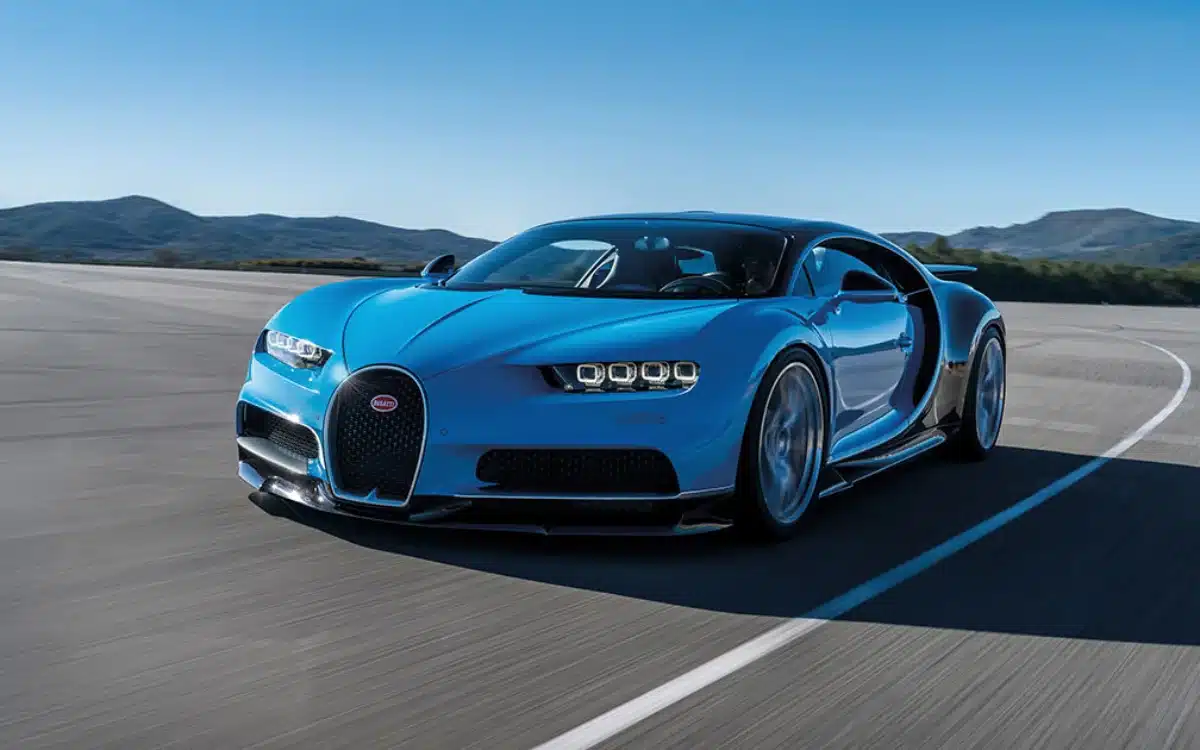
With more than 1,000 horsepower, a top speed exceeding 250mph, and a weight of nearly two tons, the Veyron demanded something no existing tire could provide.
Bugatti reportedly approached several tire manufacturers asking them to create a tire capable of handling those immense forces, but most concluded it simply wasn’t possible.

Only Michelin agreed to take on the challenge and the result was an engineering marvel.
Every Veyron tire was painstakingly built by hand, with each set costing around $42,000, but even then, there were strict limitations.
At the Veyron’s top speed, the tires could reportedly withstand only around 15 minutes before heat buildup and enormous centrifugal forces made continued driving unsafe.
The tires were also bonded directly to the wheel using a special adhesive to ensure they remained securely sealed under the immense loads generated at high speed.
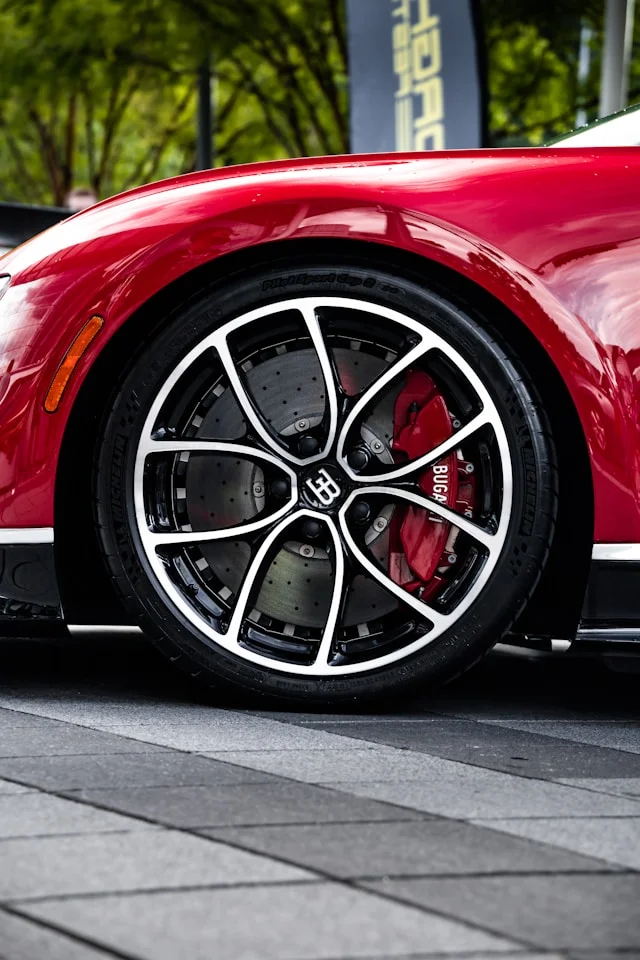
That created another expensive problem.
Because of the bonding process, each wheel could only accept two sets of tires before it had to be replaced entirely.
Considering the forged alloy wheels themselves cost tens of thousands of dollars, routine maintenance quickly became one of the most expensive parts of Veyron ownership.
Blame the Veyron, thank the Chiron
When it came time to develop the Bugatti Chiron, engineers were determined to eliminate the costly wheel replacement process without compromising safety.
To test prototype tires, Bugatti and Michelin even turned to an aircraft tire testing machine because conventional automotive equipment simply couldn’t spin the tires fast enough for realistic testing.
The final tire design delivered a 14 percent larger contact patch at the front and a 12 percent increase at the rear compared to the Veyron, improving grip while also increasing durability.
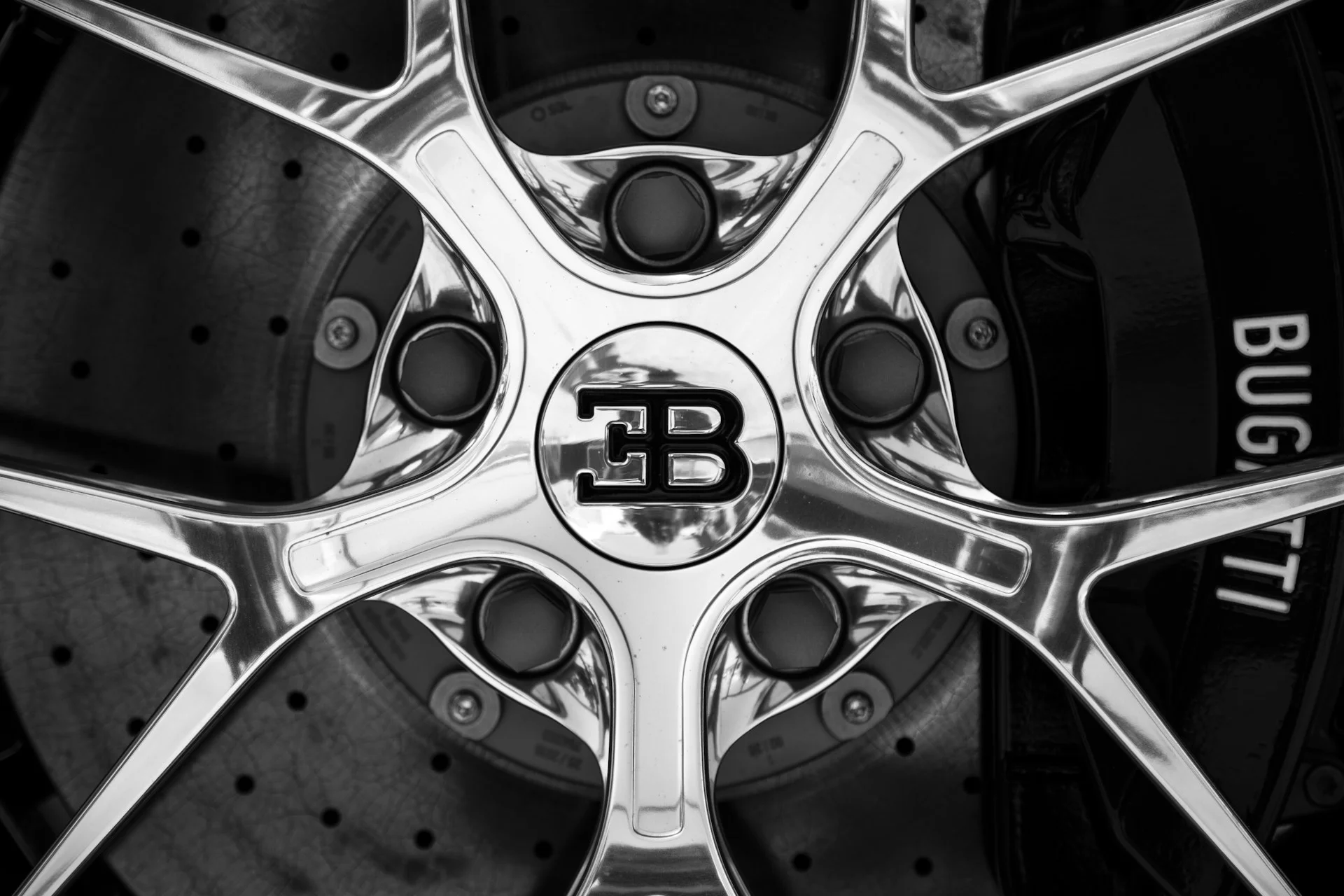
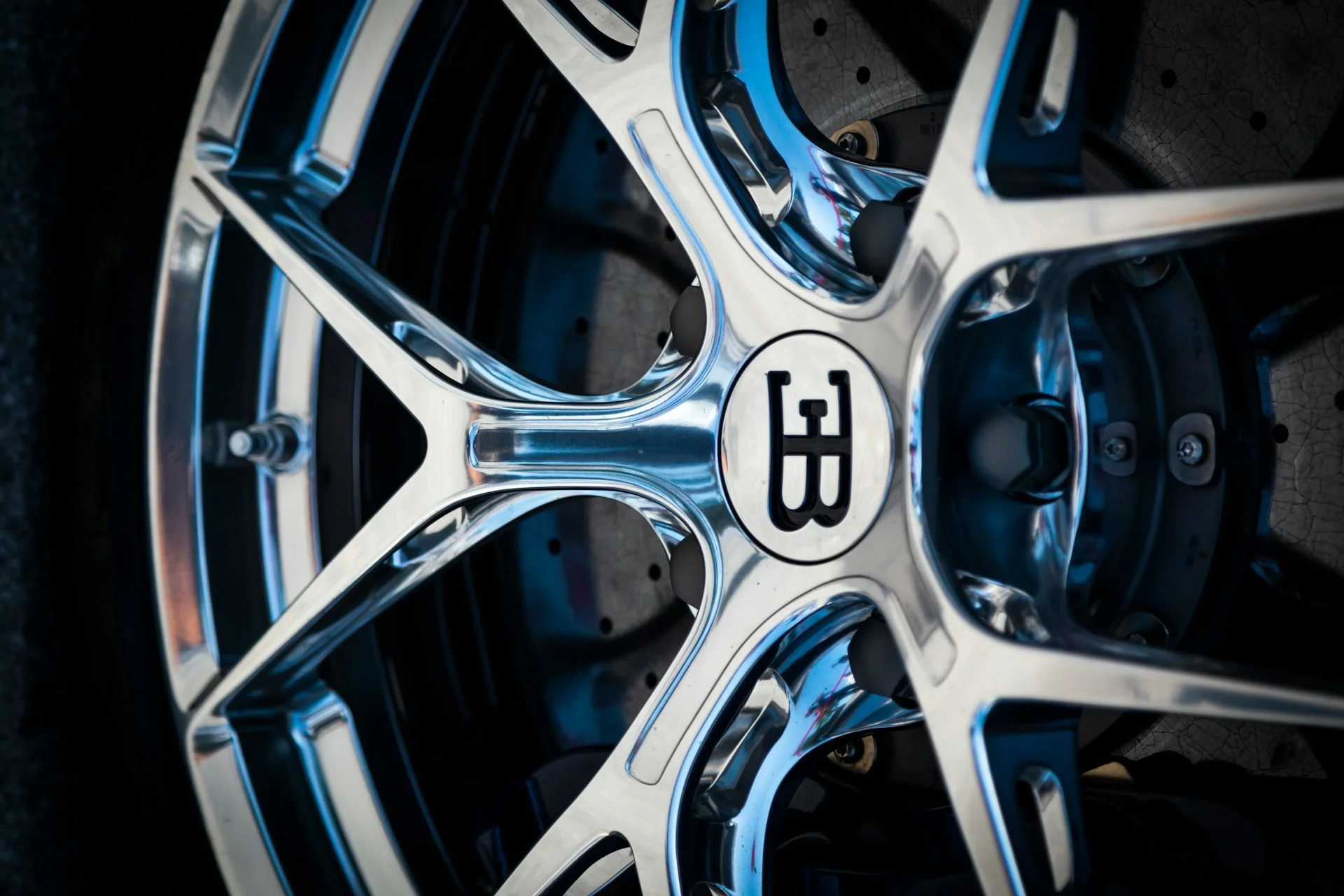
Most importantly, Michelin redesigned the tire to work with a conventional rim and standard mounting process.
That meant the wheel itself became a lifetime component rather than something that needed replacing after two tire changes.
The tires also became significantly more affordable to replace, although they’re still far from cheap compared to those fitted to ordinary performance cars.
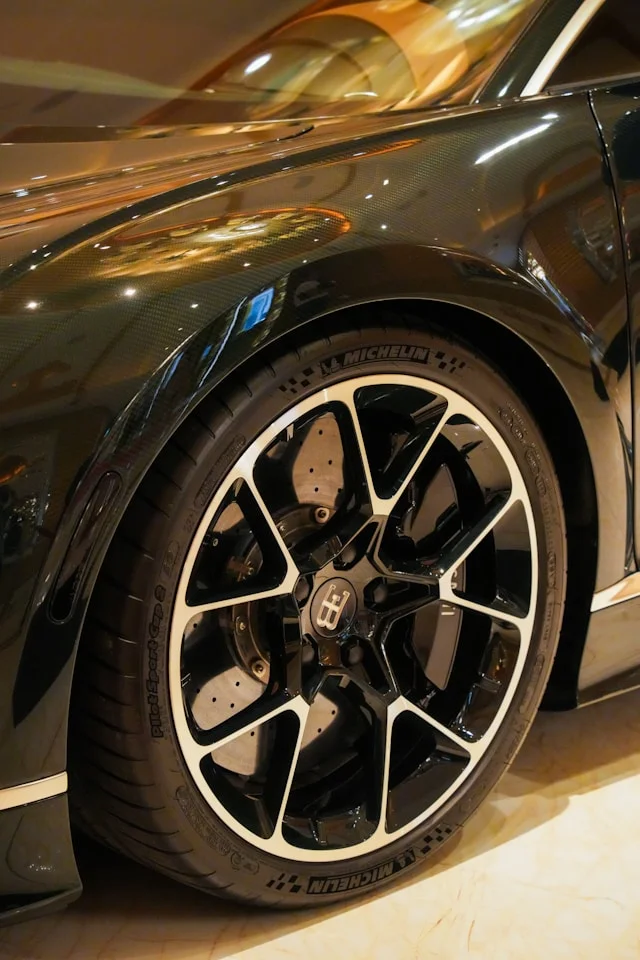
Despite the lower replacement costs, the engineering is arguably even more impressive.
At around 260mph, the Chiron’s tires are subjected to forces of roughly 3,800g, yet they’re designed to withstand those extreme loads without failing.
Rather than being remembered simply for their astonishing price, Bugatti’s tires have become one of the best examples of how extraordinary engineering can solve problems that once seemed impossible.
Daisy is a technology and automotive journalist covering artificial intelligence, consumer tech, Apple news, cryptocurrency, emerging technologies, and transportation innovation. Since joining the team in 2025, she has reported on everything from AI-powered startups and major iOS updates to viral car stories and the latest developments shaping transportation and the digital economy. Drawing on her background in automotive journalism and a degree in History and Journalism from Goldsmiths, University of London, Daisy specializes in breaking down complex topics into clear, engaging reporting for a global audience. Her work spans cutting-edge technology, innovative vehicles, and the people driving change across both industries. Daisy has gained first-hand access to some of the world's most talked-about technologies and innovators, including meeting Tesla's Optimus humanoid robot during its first European appearance in London. She has also discussed the future of space exploration with an astronaut, bringing unique insights and real-world perspectives to her coverage of emerging technology.