Cutaway BMW S1000RR gives rare look at what an engine actually looks like when it hits 14,000 RPM
Published on Oct 03, 2026 at 4:02 AM (UTC-4)
by Ben Thompson
Last updated on Oct 03, 2026 at 4:02 AM (UTC-4)
Edited by
Mason Jones
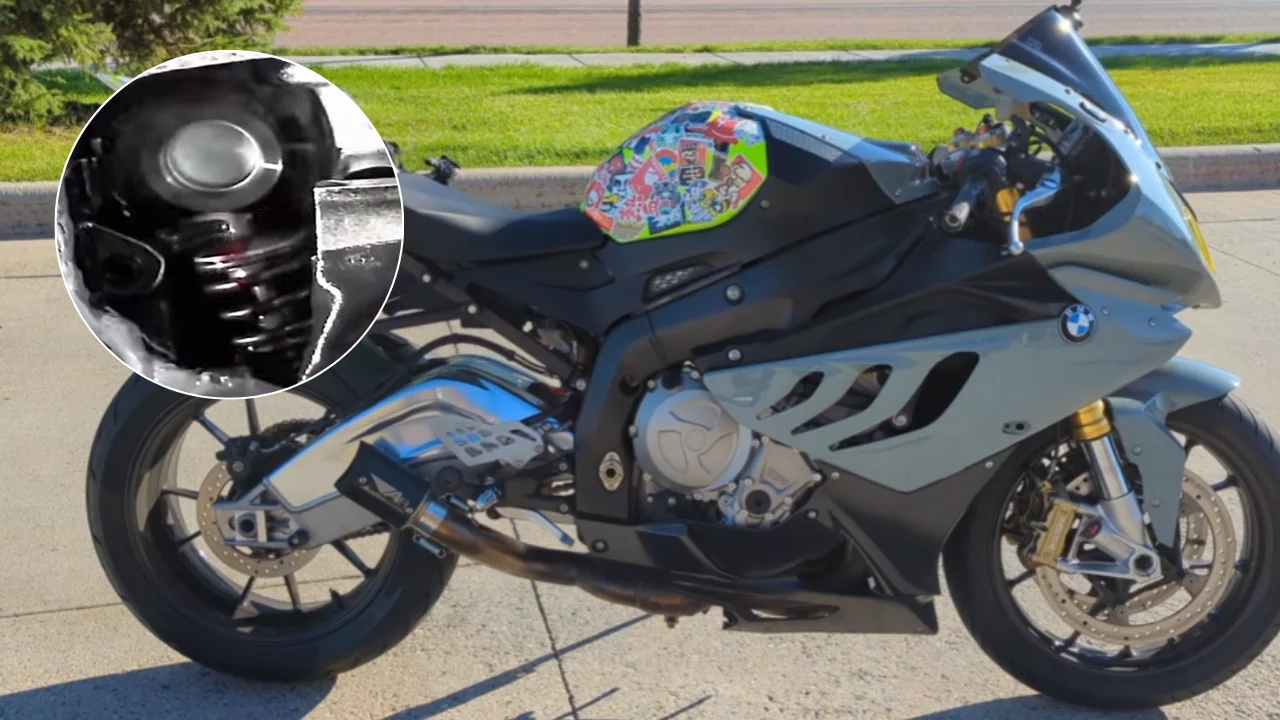

This clip of a cutaway BMW S1000RR gives the world a rare insight into what an engine looks like when it hits 14,000RPM.
To put that last figure in context, that’s the equivalent of 233 revolutions per second.
You don’t need to be a motorbike pro to realise that this is seriously fast.
And the engine is really where things get exciting.
These motorbikes have some serious power behind them
While cars can vary in their degree of coolness, there’s no questioning the aura of a motorbike.

The sight of somebody storming ahead on one is enough to give you goosebumps.
But it’s not just in visuals that they impress.
Motorbikes have risen to the occasion on different occasions, whether that’s racing against a Tesla Model S Plaid or taking on a Lamborghini Revuelto.
And once you take a closer look at the inner workings of these bikes, you’ll gain a deeper appreciation for why they pack so much power.
The engine of a BMW S1000RR is a sight to behold
The 2010 BMW S1000RR was the commercial debut of BMW’s flagship superbike.
From the outside, the bike looks stunning, formidable, all the good things you could say about a motorbike.
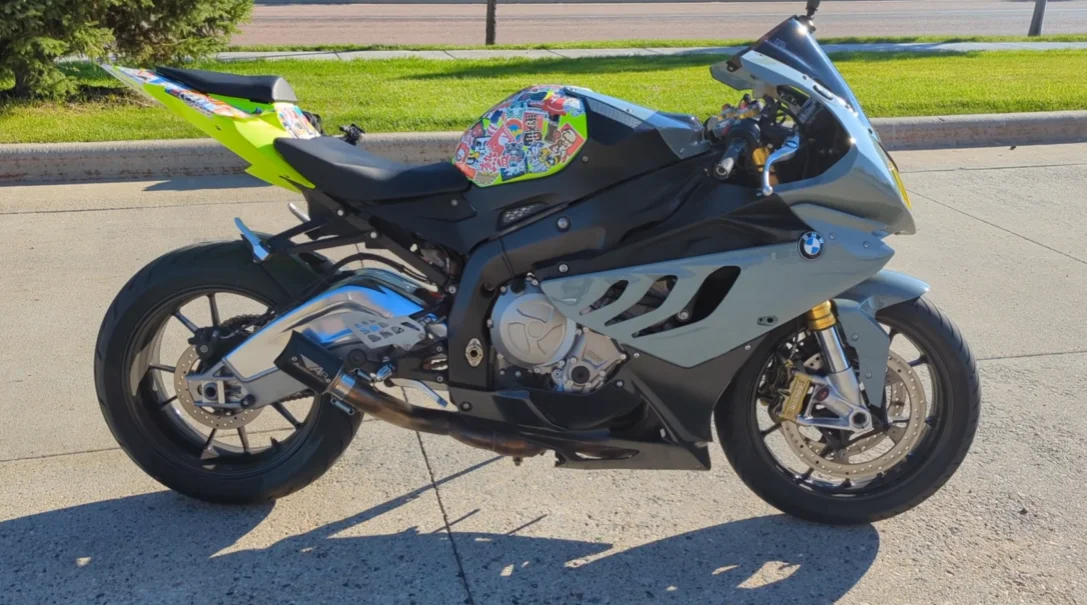
But our focus is on the engine that is the beating heart of this track beast.
It operates at 14,000 revolutions per minute, the equivalent of 233 per second.
That’s how many times the engine’s crankshaft completes a full rotation.
Those are some seriously impressive figures.

For way of comparison, the Aston Martin Valkyrie has 11,100RPM, while the Chevrolet Corvette Z06 sits at 8,600RPM.
This is one seriously fast bike.
Taking a wider look at the BMW S1000RR
At the time of its release, the 2010 BMW S10000R was considered a gamechanger, for pioneering rider modes (Rain, Sport, Race, Slick) alongside optional Race ABS and Dynamic Traction Control.
It was launched as the most powerful production bike in its class, shaking up its rivals.
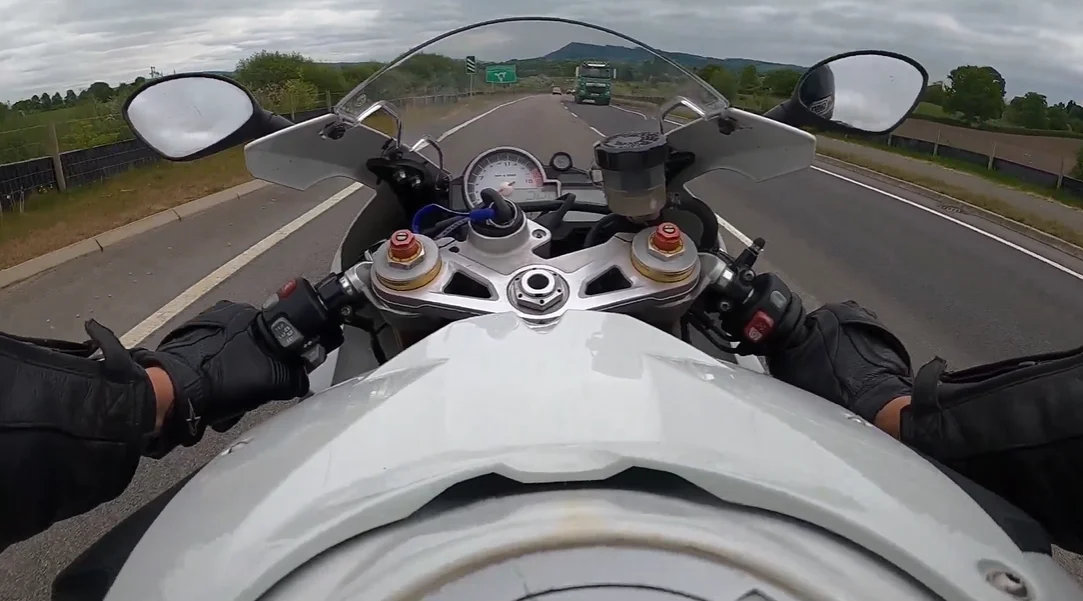
Upon release, it received favorable reviews from those in the motorcycle press.
“For such a fearsomely powerful motorcycle the RR was brilliant fun to ride, and less intimidating than I’d expected,” a reviewer on Motorcyclist wrote.
“In all my years of testing bikes this is the first that I’ve ever seriously considered changing my current machine for,” a reviewer at MotorbikesToday gushed.
“It’s blisteringly, stupidly fast.”
If those aren’t rave reviews, we don’t know what is.
Are these the most iconic motorbikes?
Honda Super Cub (1958–present): The most produced motor vehicle in history (over 100 million sold). It revolutionized personal transportation globally with its reliable design, automatic clutch, and accessible price.
Honda CB750 (1969): Widely regarded as the world’s first true ‘superbike’. Introduced an inline-four-cylinder engine, electric start, and a front disc brake to the mass market.
Triumph Bonneville T120 (1959): The quintessential British parallel-twin motorcycle. Became a cultural symbol of 1960s rock ‘n’ roll culture.
BMW R80 G/S (1980): Created the modern Adventure Touring (ADV) segment. Combined long-travel suspension and shaft drive with BMW’s signature boxer-twin engine.
Ducati 916 (1994): Designed by Massimo Tamburini, this machine set the visual benchmark for modern sportbikes with its under-seat exhausts, single-sided swingarm, and aggressive styling.
Ben joined Supercar Blondie in February 2025 after being published by international organizations including LADbible, The Sun, the New York Post, and the Daily Mail. He covers supercars, rare and collectible vehicles, aviation, luxury assets, and the fascinating people behind them. His reporting has explored everything from seven-figure supercars and historic Ferrari collections to unusual aircraft adventures and extraordinary automotive discoveries from around the world. Ben has also gained first-hand insight into vehicle craftsmanship and customization, including visiting specialist workshops to see bespoke vehicles up close.