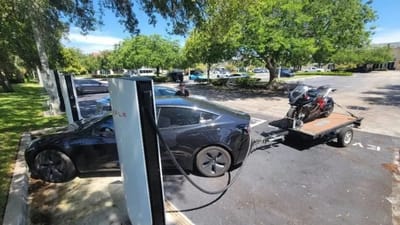
Man hits nearly 300,000 miles in his Tesla Model 3 and reveals the surprising truth about its original car parts
Published on Nov 17, 2026 at 3:02 PM (UTC-5)
by Alessandro Renesis
Last updated on Nov 17, 2026 at 3:02 PM (UTC-5)
Edited by
Mason Jones
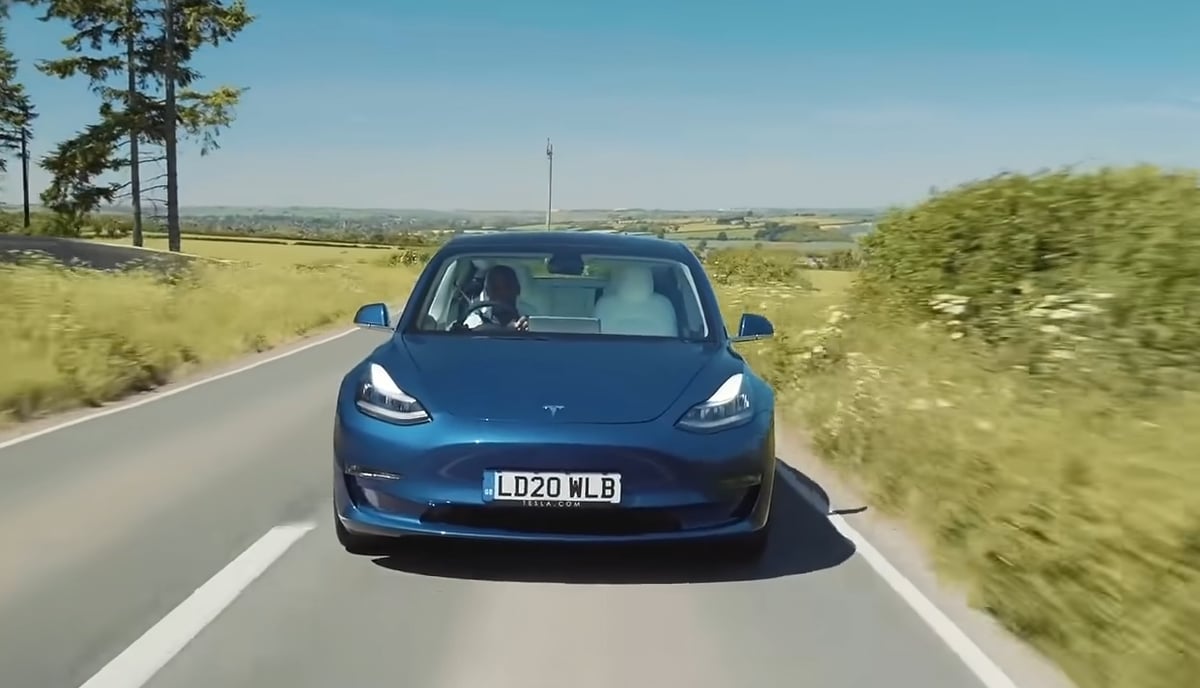

This Tesla Model 3 Standard Range has traveled nearly 300,000 miles and its owner has revealed the condition of the EV.
Australia-based Tesla Model 3 owner and YouTuber The Electric Viking has shared the details of a recent inspection.
While high-mileage Teslas are becoming quite common, it’s interesting to see a breakdown of how the miles have impacted the car’s original parts.
How you get a millimeter of brake wear in 300,000 miles
The Tesla Model 3 is in excellent condition, and one of the standout findings from the vehicle’s roadworthiness check was the condition of its brakes.
According to the inspection details, the front brake pads still measured nine millimeters thick, which represented just one millimeter of wear from the original 10-millimeter factory thickness.
Imagine that.
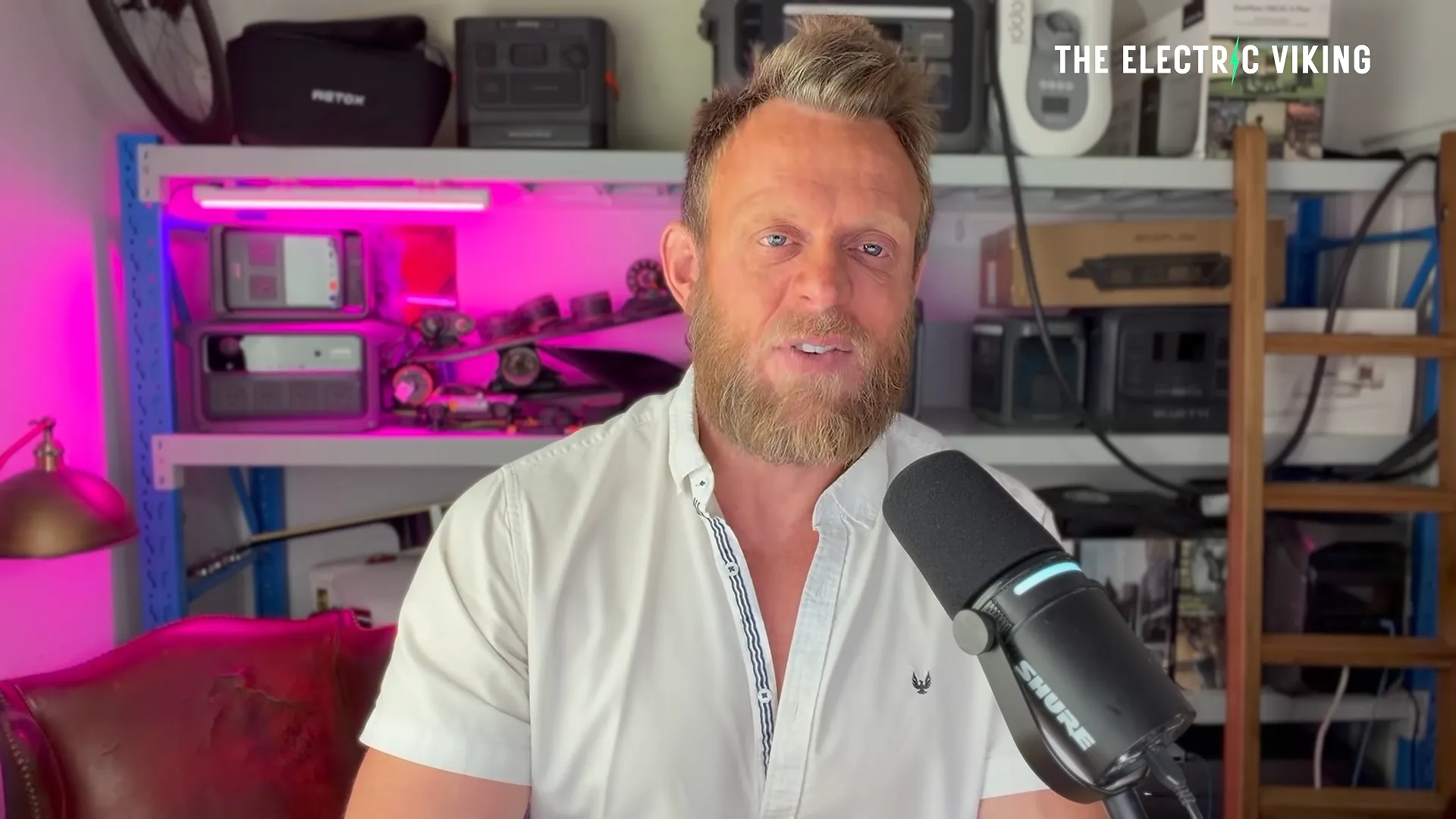
“One mm of pad is gone. One single millimeter in nearly half a million km. You don’t need to replace these brake pads for probably another half a million,” the owner noted in the video.
This was made possible because of the way the owner cleverly employed one-pedal driving.
EVs come with regenerative braking, which allows drivers to slow down without touching the brake pedal simply by lifting off the accelerator.
If you’re careful with it, you can realistically cover thousands and thousands of miles without ever touching the brake.
The battery in his Tesla Model 3 is also in great shape
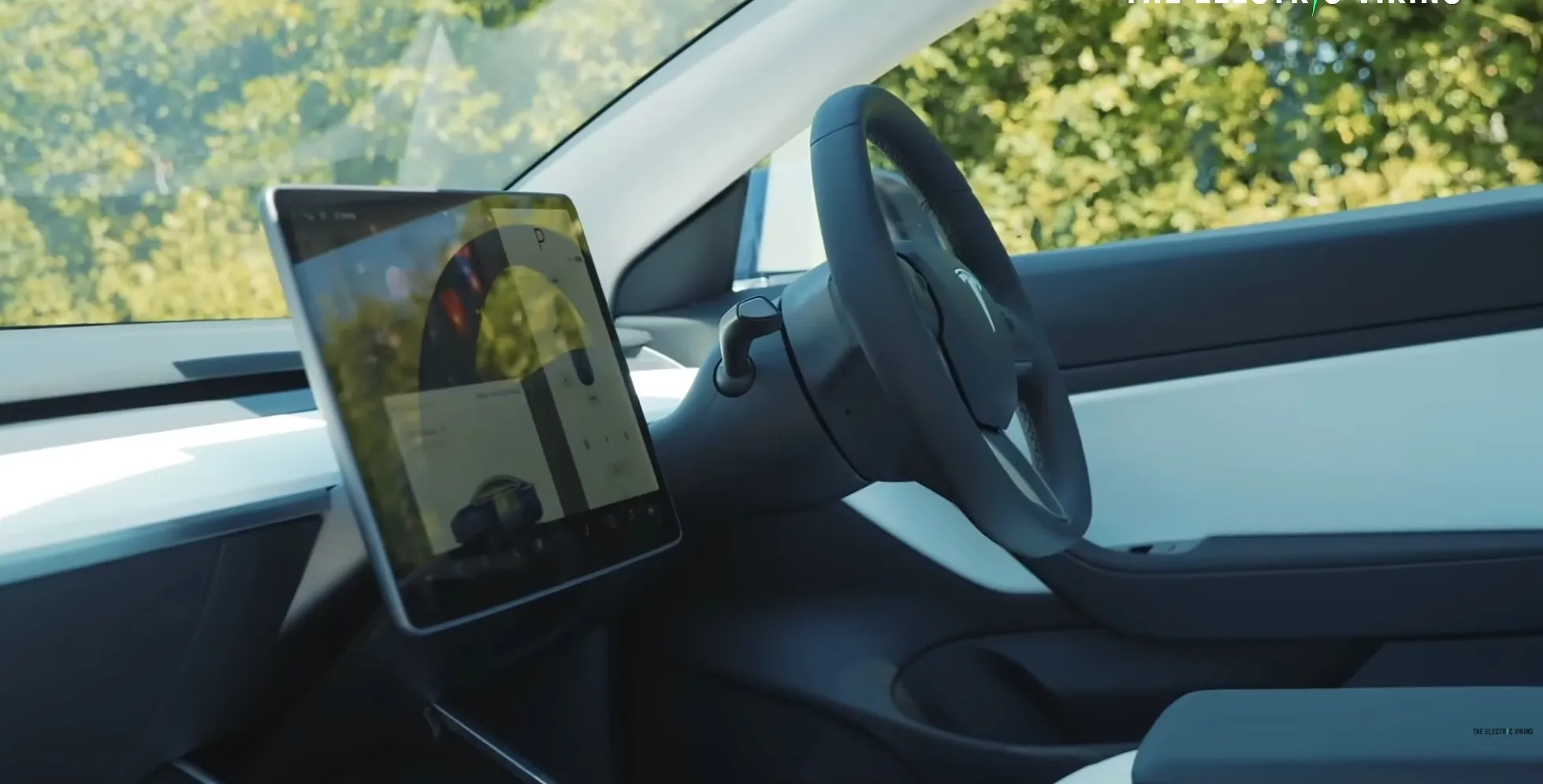
Equally notable was the condition of the vehicle’s Lithium Iron Phosphate (LFP) battery pack.
Despite relying heavily DC fast charging via Tesla’s Supercharger network, the original battery still retained an 86 percent state of health.
Battery degradation in electric vehicles typically follows a non-linear curve: the steepest capacity drop happens within the first few months, and then it flattens out.
Even so, 86 percent after 300,000 miles is an excellent result.
The Electric Viking also pointed out that the idea that batteries degrade too quickly is mostly a myth.
“[The chemistry of these batteries] are outlasting the cars they’re bolted into. So this myth of lithium phosphate batteries just being a better battery, it’s not true,” he said.
The reality of high-mileage Tesla maintenance
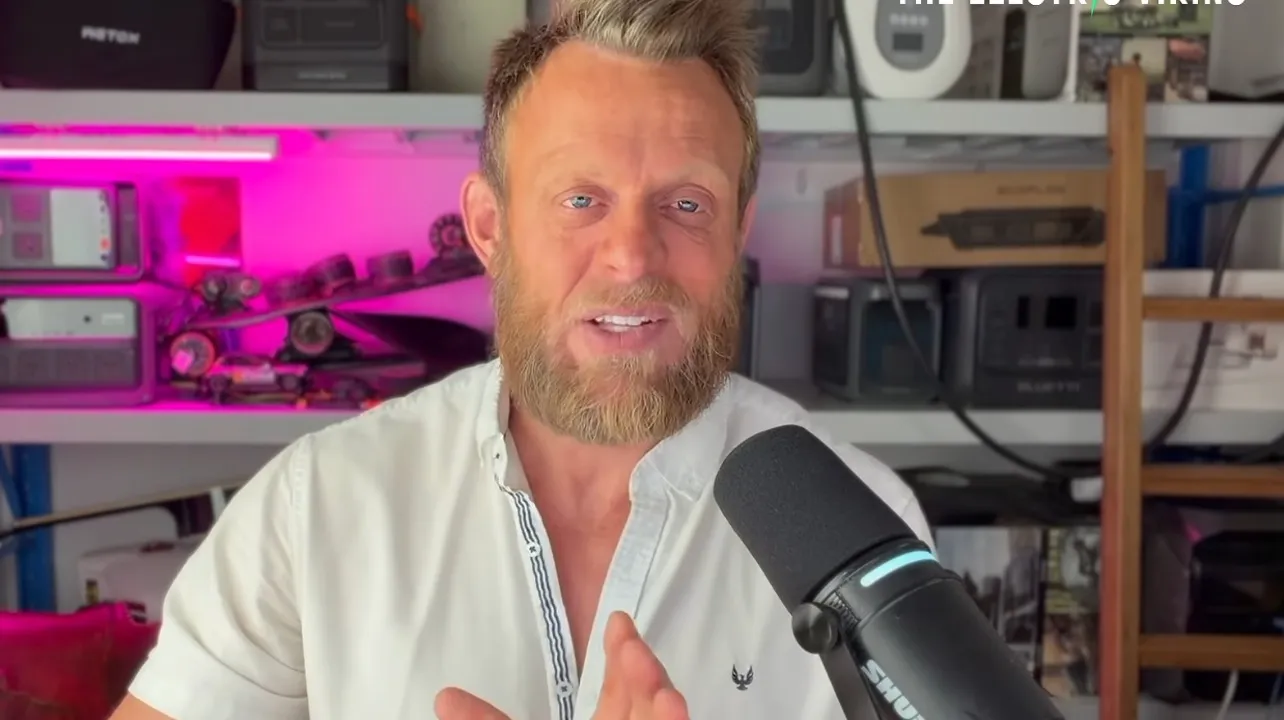
Even though the battery pack situation was great, over five years of heavy road use, the vehicle still required several significant mechanical interventions.
Suspension repairs were required more than once, the A/C and the some components of the drive unit had to be replaced, and the list goes on.
At this point, his Tesla is like a former athlete who’s no longer in his prime.
Everything still works, but the bones are weary, the muscles are strained, and there are several random aches you kind of have to live with.
It’s still quite impressive, though.
A global shift in EV adoption
Initially, most people who switched to EVs did so out of curiosity, environmental consciousness, and – most importantly – the promise of long-term financial savings.
The theory was that fueling up with electricity would be much cheaper than buying gas.
That’s exactly what happened, but in the process, drivers discovered an unexpected bonus.
They noticed that EVs are generally smoother and quieter, and they’re also faster.
Because of instant torque, a mid-size, mid-level electric sedan is almost always faster than an equivalent mid-size, mid-level internal combustion sedan.

Also, people began to realize that EVs have fewer moving parts, which means fewer things can go wrong, which means maintenance is also cheaper.
The downsides? Range and charging times still get plenty of attention, but owners face a couple of human-made hurdles, too.
First, the generous tax breaks and incentives that kick-started the EV boom are rapidly disappearing.
Second, while electricity is still cheaper than gas, it’s no longer bargain-basement cheap – especially in certain markets.
The best of Supercar Blondie, every Sunday
The week's best car stories, straight to your inbox. Free.
Alessandro is an automotive journalist with 10 years of experience covering supercars, automotive history, emerging vehicle technology, and luxury transportation. He wrote the first article published on SupercarBlondie.com when the website launched in 2022 and has since built a reputation for insightful reporting across the automotive and transportation industries. His expertise is grounded in hands-on experience. Alessandro has driven every Tesla model ever produced, from the original Roadster to the Cybertruck, and regularly covers the latest developments in electric vehicles and automotive innovation. His passion for transportation extends beyond cars, he has even flown a Boeing 787 Dreamliner simulator in Addis Ababa, Ethiopia. His reporting spans everything from classic American muscle cars and rare automotive discoveries to luxury yachts, private aircraft, high-end watches, and cutting-edge vehicle technology. Known for his deep knowledge of automotive history and ability to uncover the stories behind iconic vehicles, Alessandro brings readers a blend of historical context, technical expertise, and first-hand experience.