Ultra-rare $5.4M LaFerrari and 208mph McLaren Senna left to rot in customs yard and there are 2,700,000 reasons why they're not moving
Published on Nov 18, 2026 at 5:46 AM (UTC-5)
by Alessandro Renesis
Last updated on Nov 18, 2026 at 5:59 AM (UTC-5)
Edited by
Mason Jones
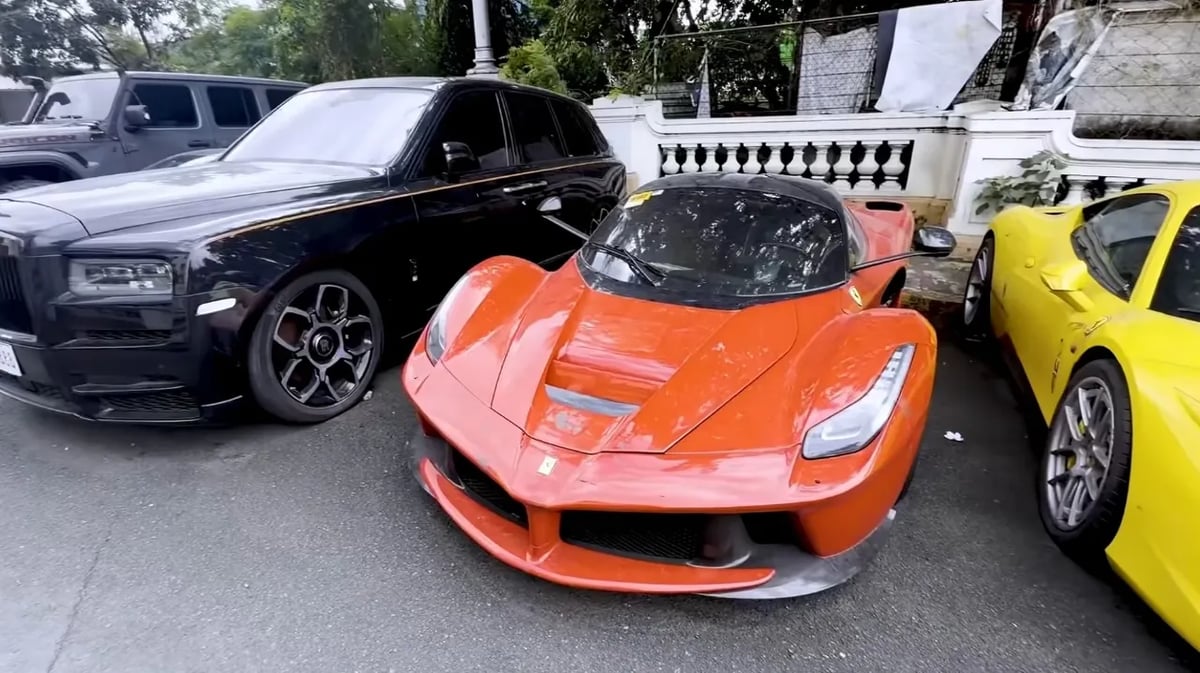

A few people in the Philippines made some pretty expensive mistakes and, as a result, a McLaren Senna and a Ferrari LaFerrari are now rotting away.
Time is running out, but there doesn’t appear to be a solution in sight.
Sadly, this feels like a mistake that could’ve been avoided.
But there’s a silver lining.
Why the Ferrari and McLaren are trapped in customs
An ultra-rare Ferrari LaFerrari and a track-focused McLaren Senna have been languishing in Manila for over a year.
Seized by the Philippine Bureau of Customs (BOC) over clearance and import issues, these multi-million-dollar hypercars are currently trapped in administrative limbo.
They can’t be sold, and their respective owner can’t or won’t recover them.
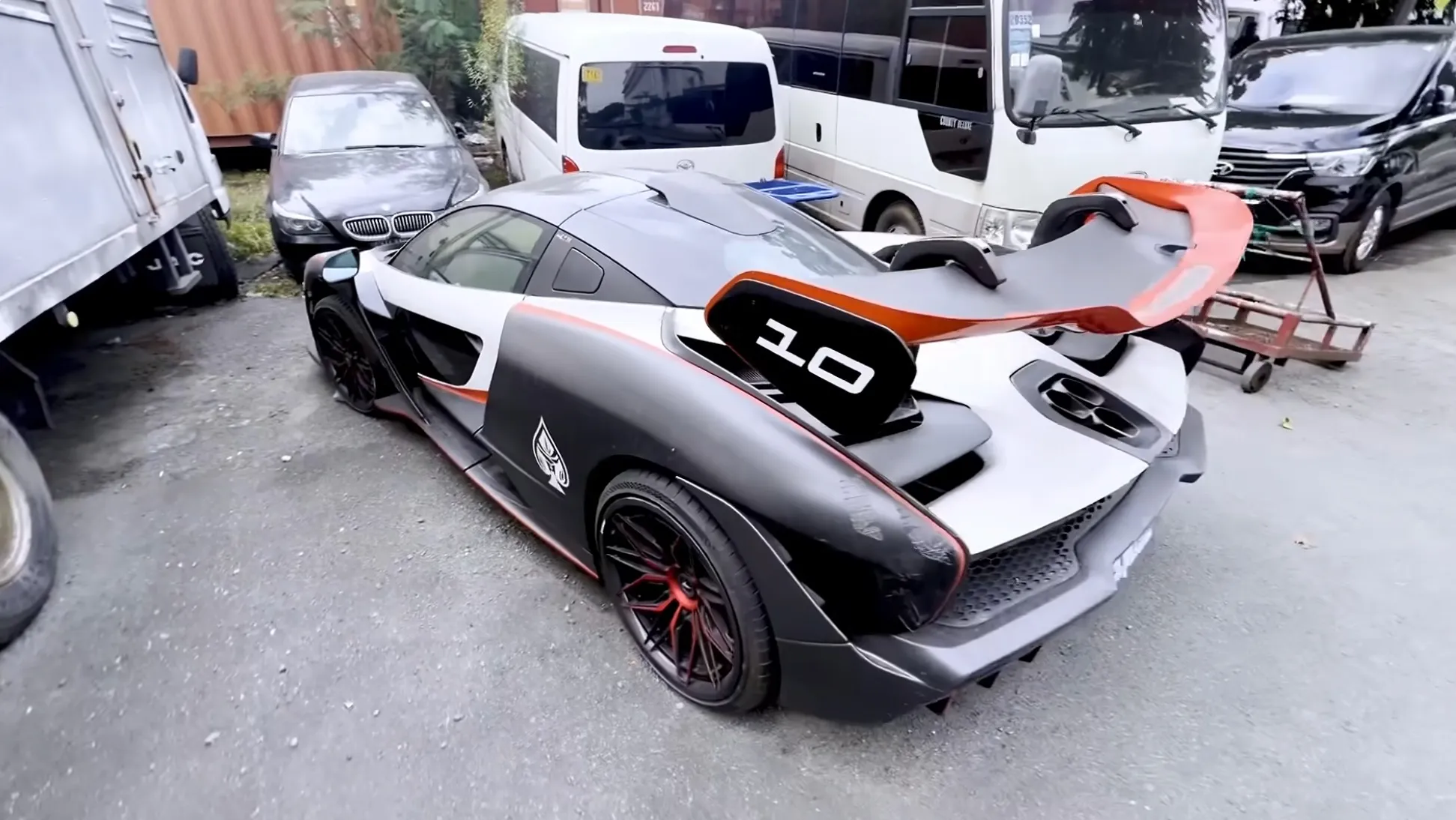
The primary reason these two hypercars remain abandoned in the Philippines is financial.
Importing these cars involves a fruit salad of duties, VAT, and various other taxes that can easily skyrocket past the original MSRP.
For cars of this caliber, the cumulative import penalties and back-taxes hover around the $2.7 million mark.
And by the way, we’re mostly talking about these two cars because they are the most expensive but, if you take a look at the video below, you’ll find that the yard is packed with so many valuable cars stuck in the same limbo for the same reason.
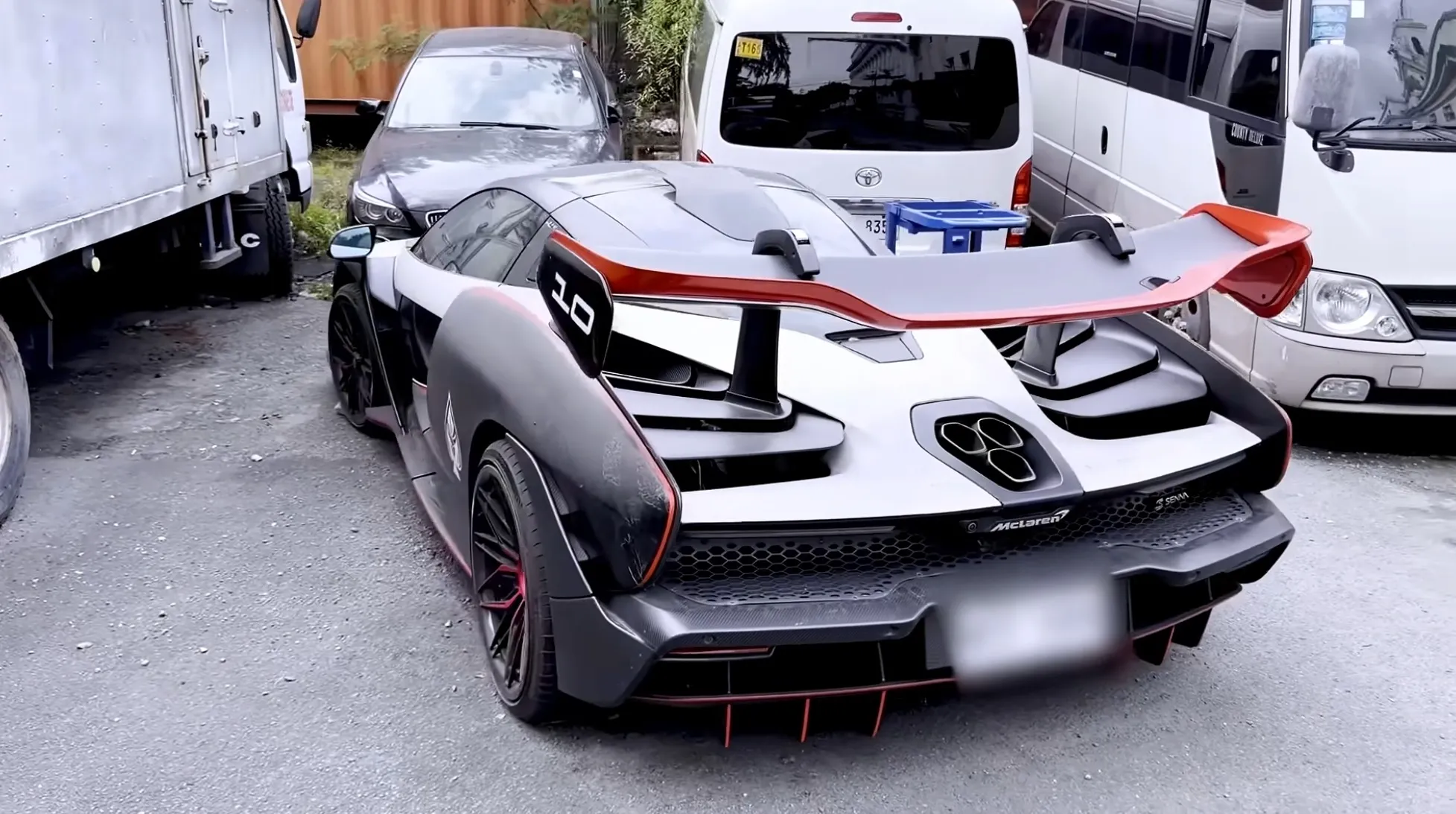
YouTuber amadeusiom managed to gain access to the Bureau of Customs compound in Manila Harbor by coordinating directly with the agency.
He explained that the Bureau was very cooperative precisely because they’re trying to ‘advertise’ the cars since they’re planning on selling them.
This leads us to the silver lining.
Somebody’s mistake is another person’s opportunity
Obviously, we have no idea what happened behind the scenes, but this feels like the sort of mistake that could’ve been avoided.
It feels like the owners of these supercars should’ve known about these taxes and should’ve known better.
And if they can afford to millions on a Ferrari LaFerrari or a McLaren Senna, can’t they afford to also pay taxes and import duties?
We don’t know.
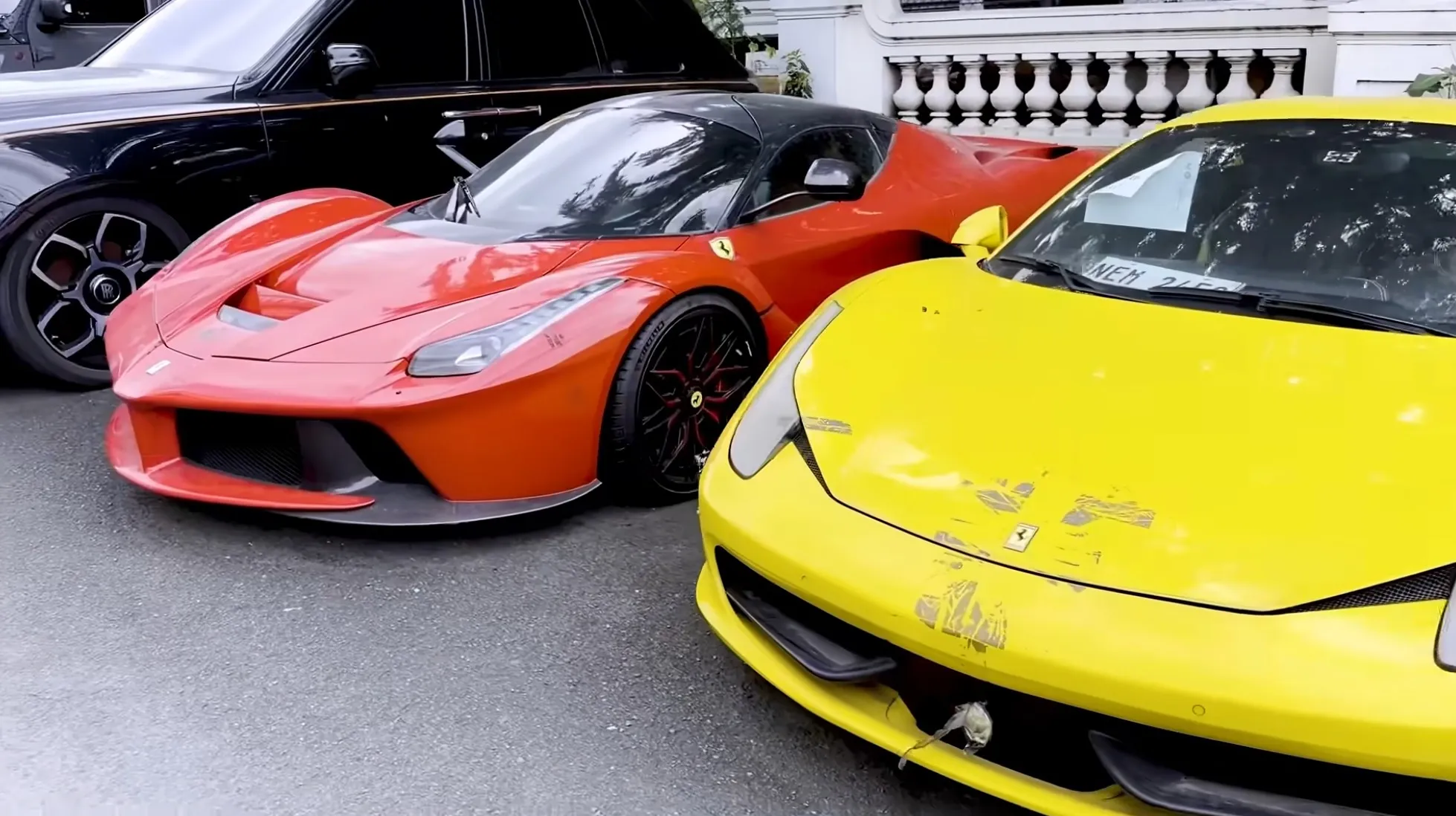
But what we do know is that with the original owners unwilling or unable to fork over the multi-million-dollar fees, the spotlight shifts to the Philippine Bureau of Customs.
The government agency is clearly motivated to clear space and recoup lost revenue from these impounded assets.
As the YouTuber pointed out, the Bureau of Customs isn’t a car dealer and it isn’t an auctioneer, which is why this could be a great opportunity.
“The Bureau of Customs – who, you know, are not really in the business of you know selling supercars – they don’t know how to value them. Because they’re so rare,” he noted in the video.
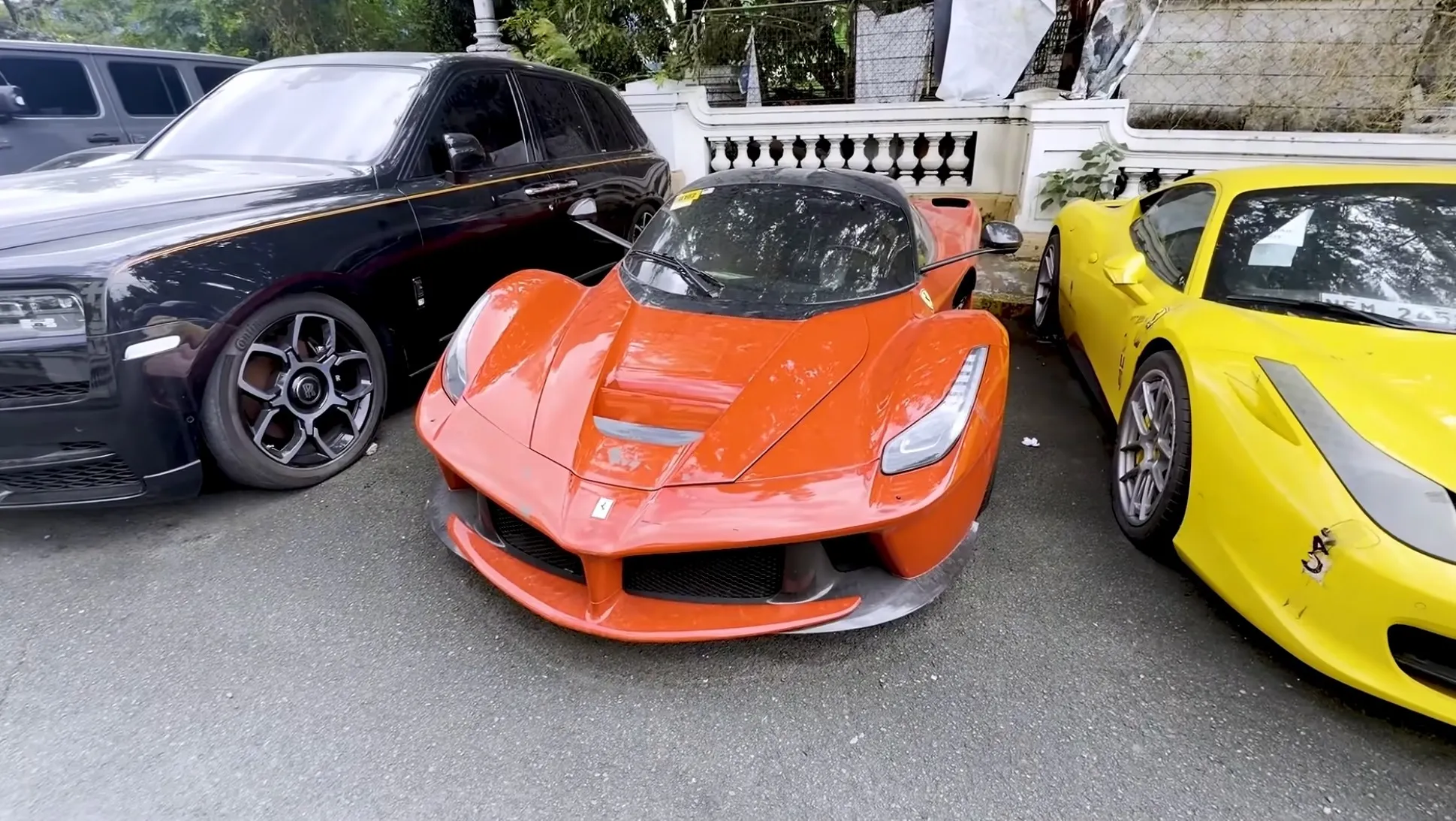
And since their primary goal is just to get rid of the cars, the reserve prices will be slashed and this might be a great opportunity for collectors.
That’s the silver lining.
But every silver lining has a cloud, and there’s one here as well.
Time is running out
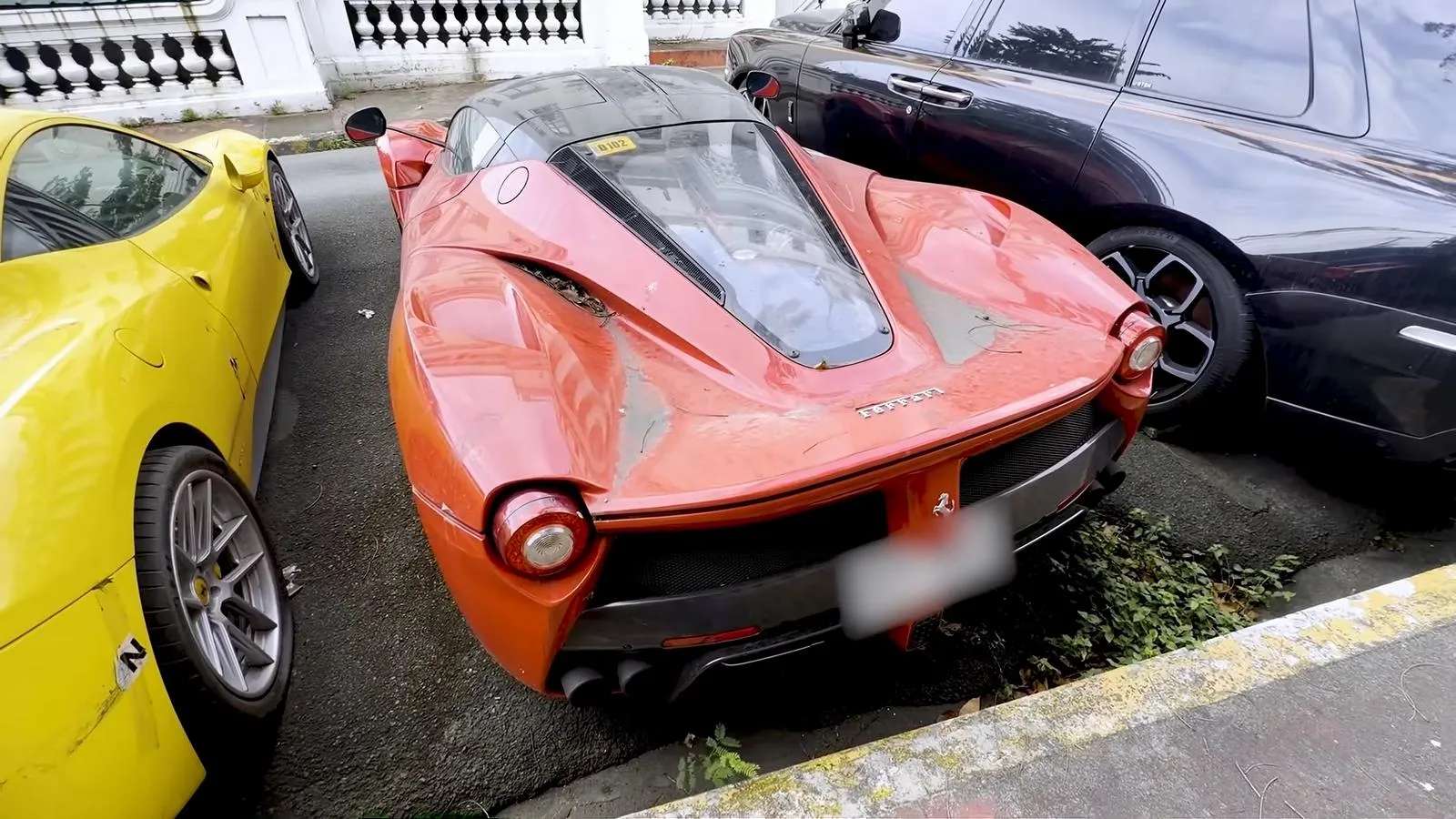
There are a couple of reasons why collectors may still hesitate, even with ‘discount’ prices.
‘Seizure stigma’ often plagues these sales and collectors hesitate due to complications with clear titles, hidden mechanical damage, or fear of further local regulatory blowback.
And there’s another problem.
Exposing these cars to a year of tropical downpours, humidity, and outdoor elements in the Philippines will take a catastrophic physical toll.
“Someone call Mat Armstrong, quickly,” the YouTuber joked.

And Armstrong would definitely have a lot of fun with these because both the Ferrari LaFerrari and the McLaren Senna rely heavily on exposed carbon fiber monocoques and body panels, which are quite brittle.
Not only that, high-performance hybrid systems like the LaFerrari’s KERS-derived V12 setup require meticulous fluid maintenance.
Leaving them dormant means fluids degrade, seals dry out, electrical systems oxidize, and so on.
It’s already been a year, so hopefully somebody will do something about it soon.
The best of Supercar Blondie, every Sunday
The week's best car stories, straight to your inbox. Free.
Alessandro is an automotive journalist with 10 years of experience covering supercars, automotive history, emerging vehicle technology, and luxury transportation. He wrote the first article published on SupercarBlondie.com when the website launched in 2022 and has since built a reputation for insightful reporting across the automotive and transportation industries. His expertise is grounded in hands-on experience. Alessandro has driven every Tesla model ever produced, from the original Roadster to the Cybertruck, and regularly covers the latest developments in electric vehicles and automotive innovation. His passion for transportation extends beyond cars, he has even flown a Boeing 787 Dreamliner simulator in Addis Ababa, Ethiopia. His reporting spans everything from classic American muscle cars and rare automotive discoveries to luxury yachts, private aircraft, high-end watches, and cutting-edge vehicle technology. Known for his deep knowledge of automotive history and ability to uncover the stories behind iconic vehicles, Alessandro brings readers a blend of historical context, technical expertise, and first-hand experience.