Ford car being called a $2,000,000,000 failure shuts the world up as it does something beastly with its speed
Published on Apr 09, 2026 at 6:06 AM (UTC-4)
by Henry Kelsall
Last updated on Apr 09, 2026 at 12:33 PM (UTC-4)
Edited by
Emma Matthews
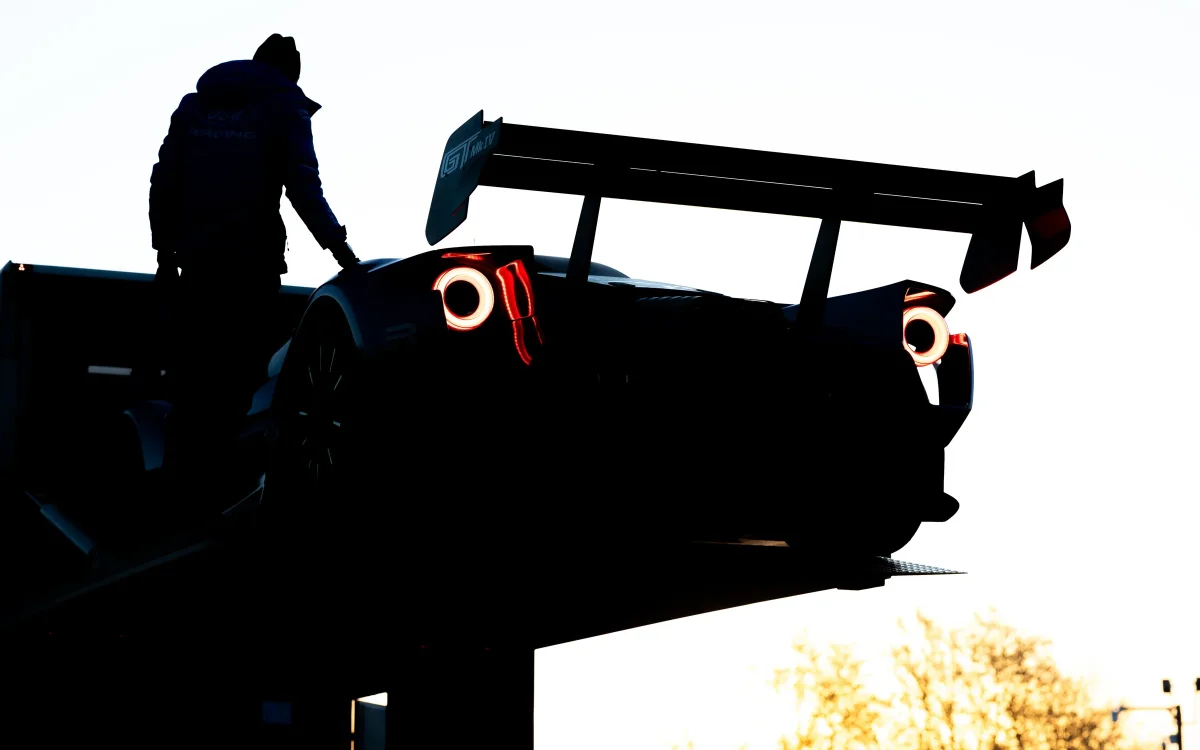

Imagine being an automotive manufacturer like Ford, and having your $2 billion supercar being called a failure, only to shut the world up with a new speed record at the Nürburgring.
Well, that is exactly what has happened with the Ford GT Mk IV, which has taken on the famous Nürburgring Nordschleife and shut up all the doubters.
This track-only special was built as a final send-off to the incredible Ford GT supercar, which is still sorely missed today.
Now, Ford has just shown the world exactly what this fearsome car is capable of, including uploading the full onboard footage of the lap, which you can see below.
Why they said the Ford GT Mk IV was a failure
As a track-only special, some potential Ford customers and fans thought the GT Mk IV was a failure.
It was a final send-off to the road-going supercar, but it wasn’t road legal, and Ford only made 67 of them.
For long-time fans of the supercar, it felt wrong that the story had ended this way.
Yet it shouldn’t be, because this was a remarkable way to say farewell to a legendary supercar.
With big V6 power under the hood, tuned to over 800hp, it’s no wonder that car was so fast.
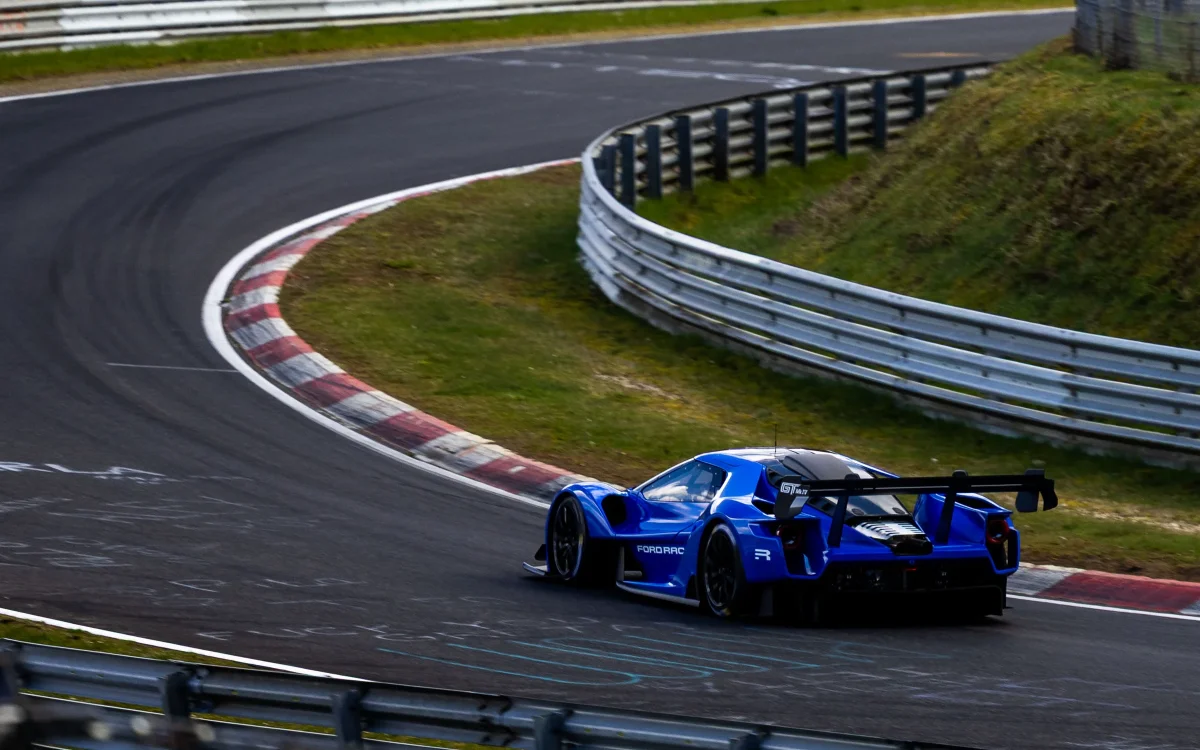
Two-time Nürburgring 24 Hours winner Frédéric Vervisch was at the wheel of the car.
Such was the speed that the Mk IV GT is now the third-fastest car ever around the German racetrack.
Only the specialized Porsche 919 Hybrid EVO and Volkswagen ID.R are ahead of it.
Related
This is how fast the GT Mk IV went around the Nürburgring
Under the hood of the car is a 3.8-liter version of the Ecoboost V6 used in the road-going car.
But Detroit tuned the engine so it produces 820hp on high boost.
The Blue Oval also worked with Multimatic to add race suspension to the supercar, and it sports a longtail body.
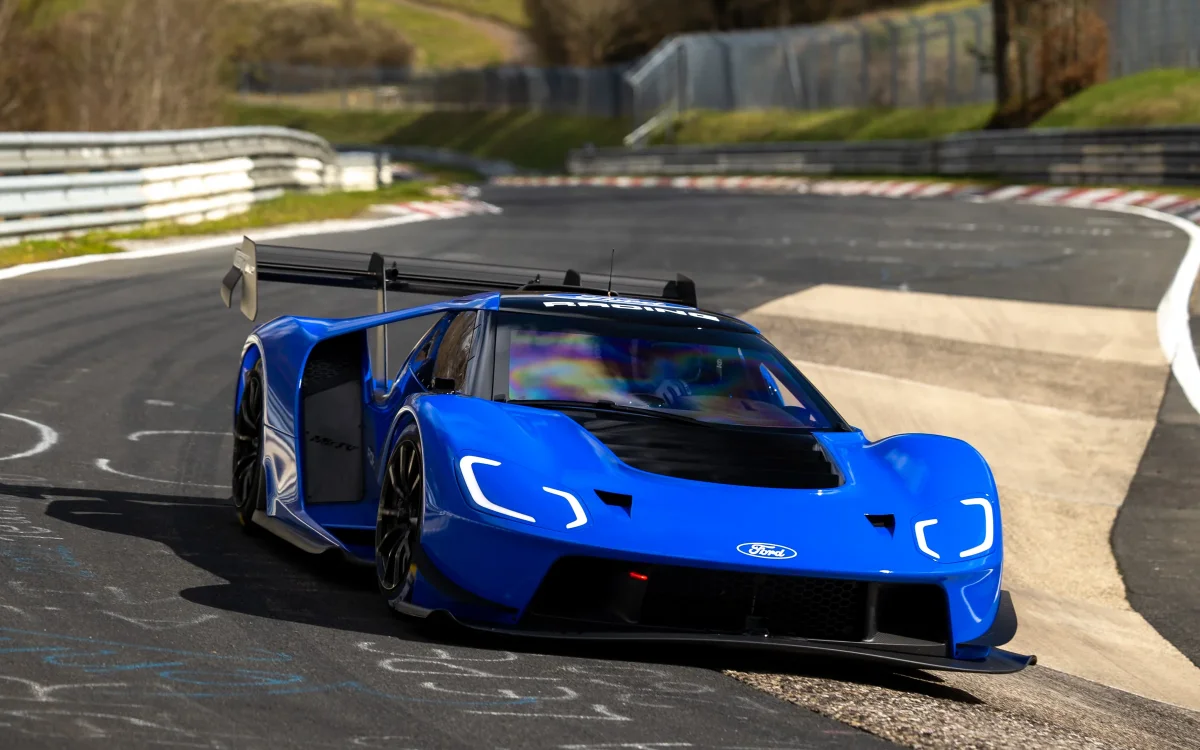
In short, this car was made for the track.
The race car blitzed the circuit, setting a lap time of 6m 15.977s.
This makes it the third-fastest car ever around the track, and the fastest pure combustion car at the circuit.
The Blue Oval now has the fastest car from an American OEM around the circuit as well.
“Every input is met with an immediate, precise response,” said Vervisch of his lap.

“Through the Kesselchen, over the Flugplatz, it just inspires confidence.
“To set these records is a dream come true, a testament to what’s possible when passion meets precision,” he added.
For anyone who thought the car was a failure, they might now be eating humble pie.
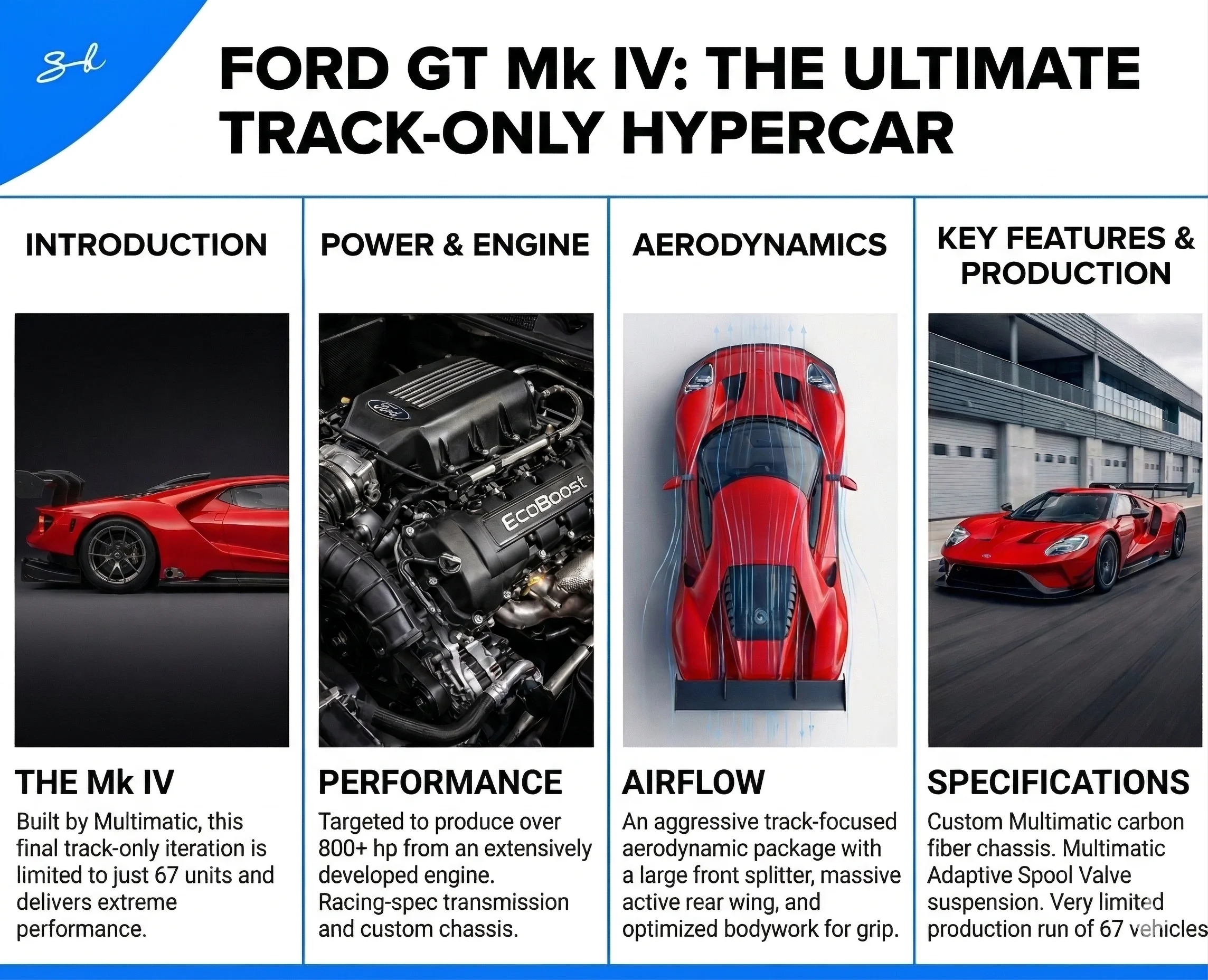
Ford GT timeline
1964: The original GT40 prototype makes its public debut in New York
1966: Ford achieves a legendary 1-2-3 sweep at the 24 Hours of Le Mans with the GT40 Mk II
1967–1969: The GT40 cements its racing dominance by winning Le Mans for three more consecutive years
2002: Ford unveils the GT40 Concept to celebrate the automaker’s upcoming centennial
2004: Production begins on the retro-styled first-generation GT street car
2006: The first-generation production run officially concludes after building just over 4,000 units
2015: A dramatic second-generation Ford GT is revealed, featuring a carbon-fiber tub and active aerodynamics
2016: Ford returns to Le Mans and wins its class exactly 50 years after the historic 1966 victory
2016: Customer production of the highly exclusive second-generation street car begins
2023: Production of the modern supercar officially ends with the ultra-exclusive track-only GT Mk IV
Henry joined the Supercar Blondie team in February 2025, and since then has covered a wide array of topics ranging from EVs, American barn finds, and the odd Cold War jet. He’s combined his passion for cars with his keen interest in motorsport and his side hustle as a volunteer steam locomotive fireman at a heritage steam railway.