Former Concorde pilot explains what was so amazing technically with the jet and shares what it's like flying a plane at Mach 2
Published on May 03, 2026 at 7:55 PM (UTC-4)
by Henry Kelsall
Last updated on May 03, 2026 at 7:55 PM (UTC-4)
Edited by
Mason Jones
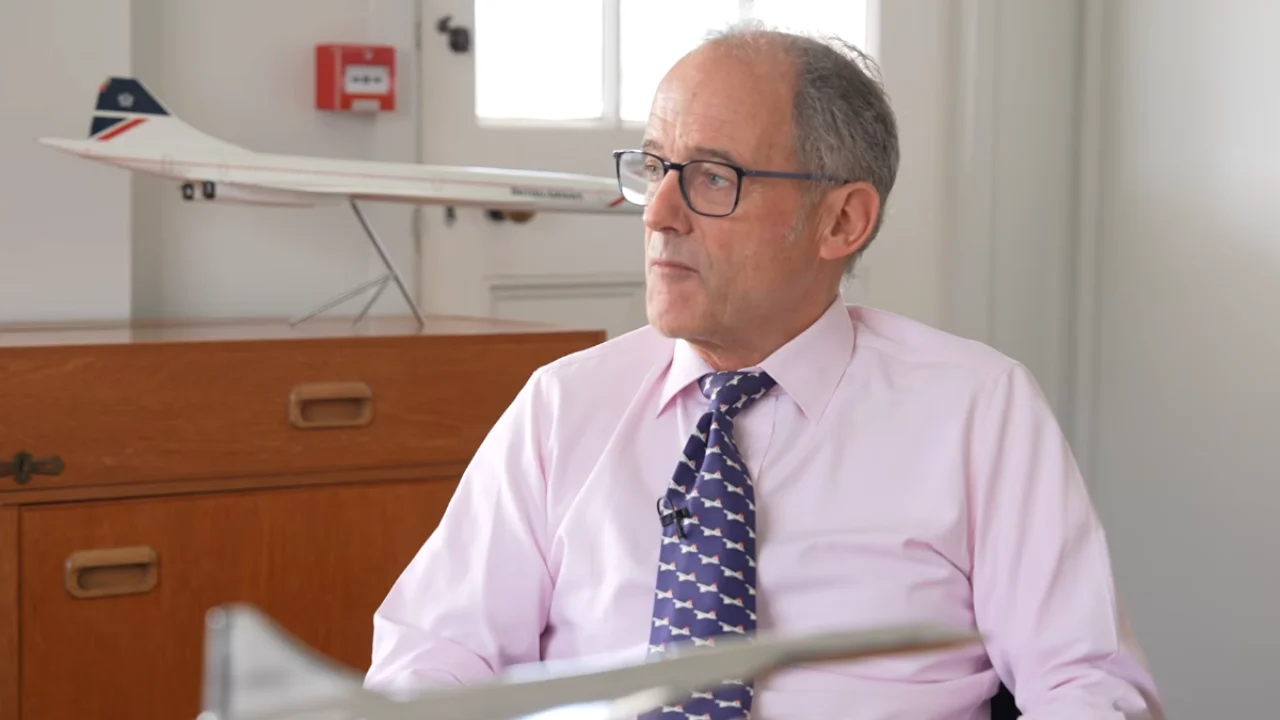

Former Concorde pilot Captain John Tye has explained what made it so amazing to fly the supersonic airliner at Mach 2, and why it’s such an incredible aircraft technically, over 20 years after its final flight.
Concorde was one of just two supersonic airliners built, but it was the only one to achieve commercial success, flying from 1976 to 2003.
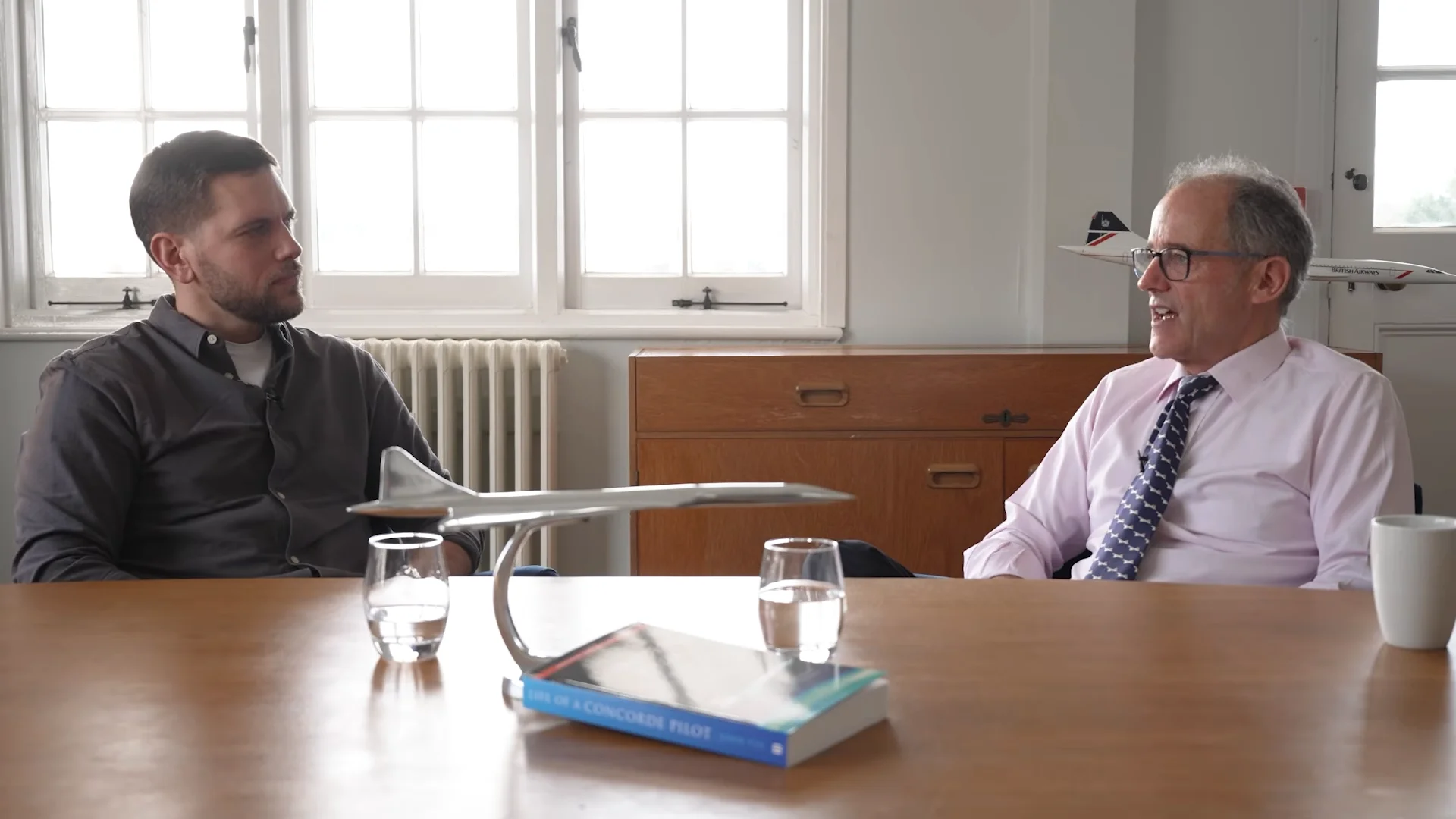
In an interview with Airchats, Tye spoke about flying the legendary aircraft as well as the technical achievements needed to build it.
Few aircraft hold such mystique and allure as Concorde, and it remains an aviation icon even 23 years after it touched down for the last time.
This is what it was like to fly the aircraft at Mach 2
Concorde flew with British Airways and Air France during its service life.
With the Soviet Tupolev Tu-144 being a failure, it had the supersonic airliner market all to itself.
Its main route was from London and Paris to New York in America.
But it had other routes, such as to Barbados, and Tye regularly flew that route with the airliner.
“I would have breakfast at home, drive to Heathrow, take off at 9:30 am, and get to Barbados in three hours and 40 minutes,” said the Concorde pilot.
“If you were to do that now, it would take nine hours,” Tye added.
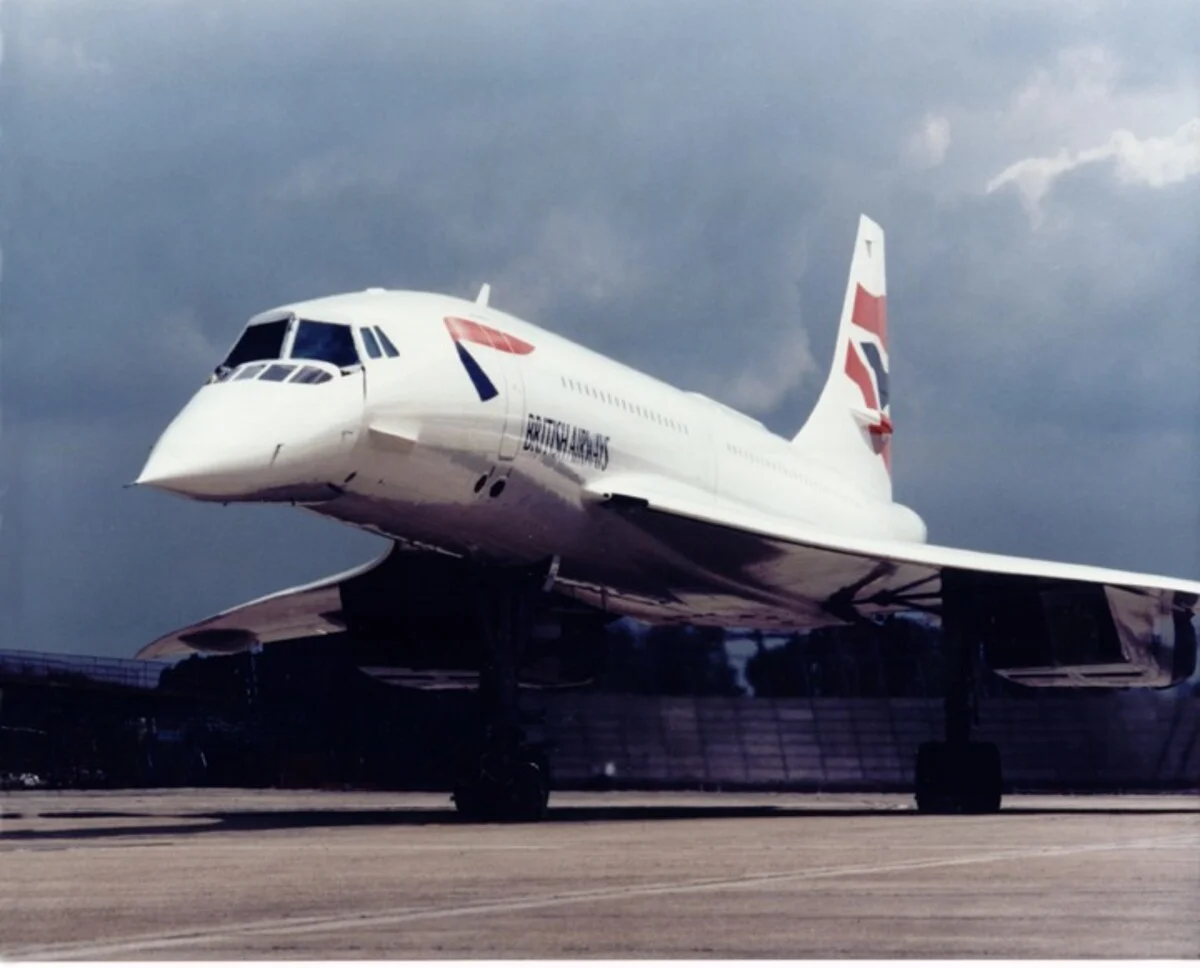
Concorde could shrink continents, and many have even said the aircraft is more like a time machine.
Concorde could fly a mile every 2.5 seconds, and 23 miles a minute at Mach 2.
That is part of what made the aircraft so special.
Related
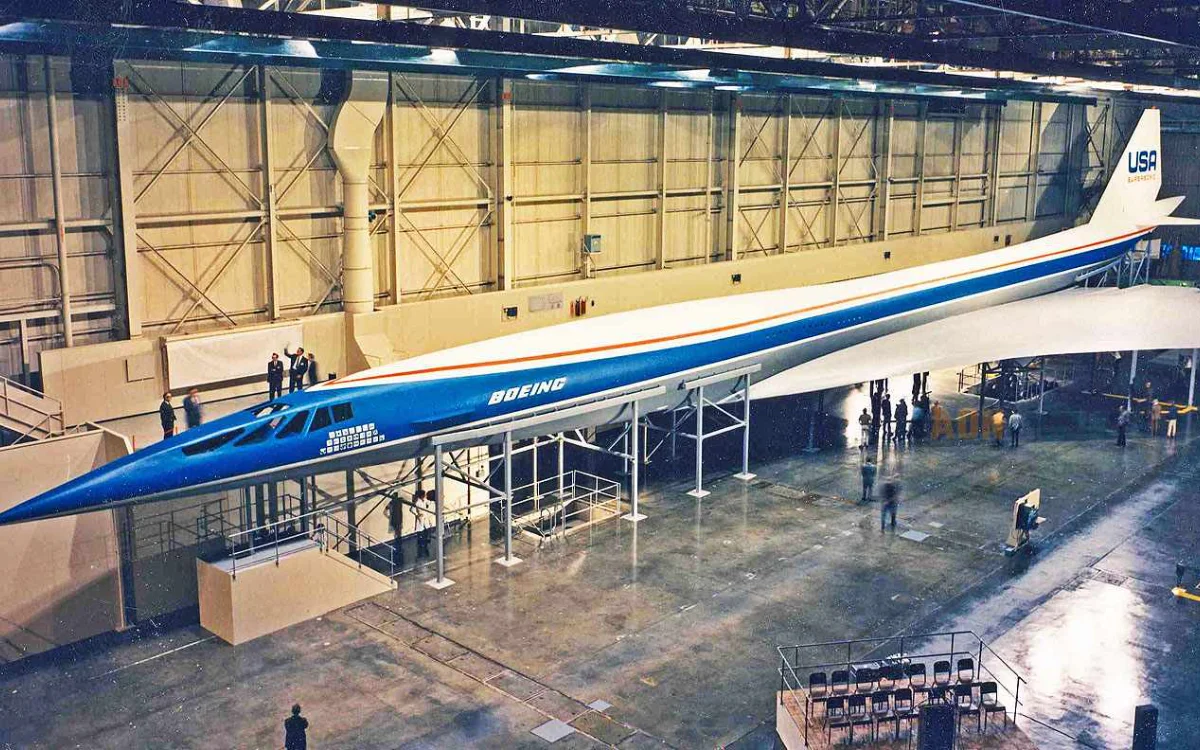
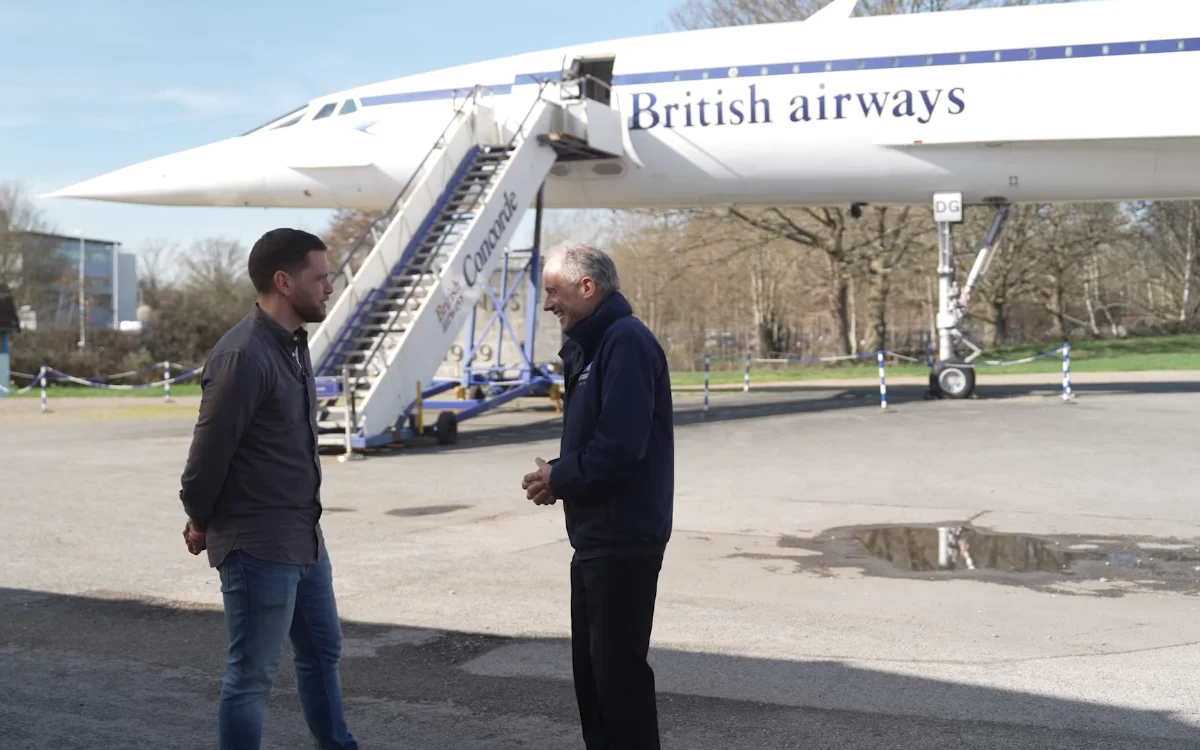
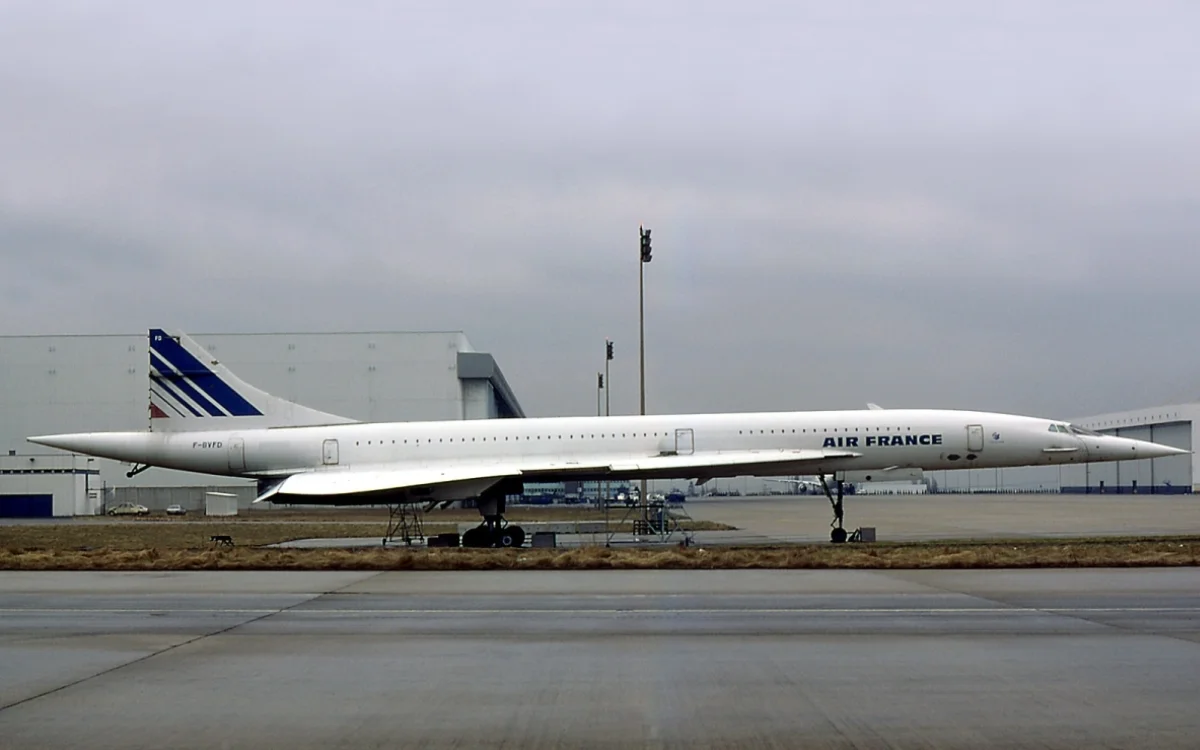
The Concorde pilot explains why the supersonic airliner was a technical masterpiece
Under the skin, the airliner was a monumental piece of engineering.
The aircraft was powered by four Rolls-Royce Olympus engines, originally made for the Avro Vulcan bomber.
For the airliner, the engines were upgraded and fitted with afterburners/reheat.
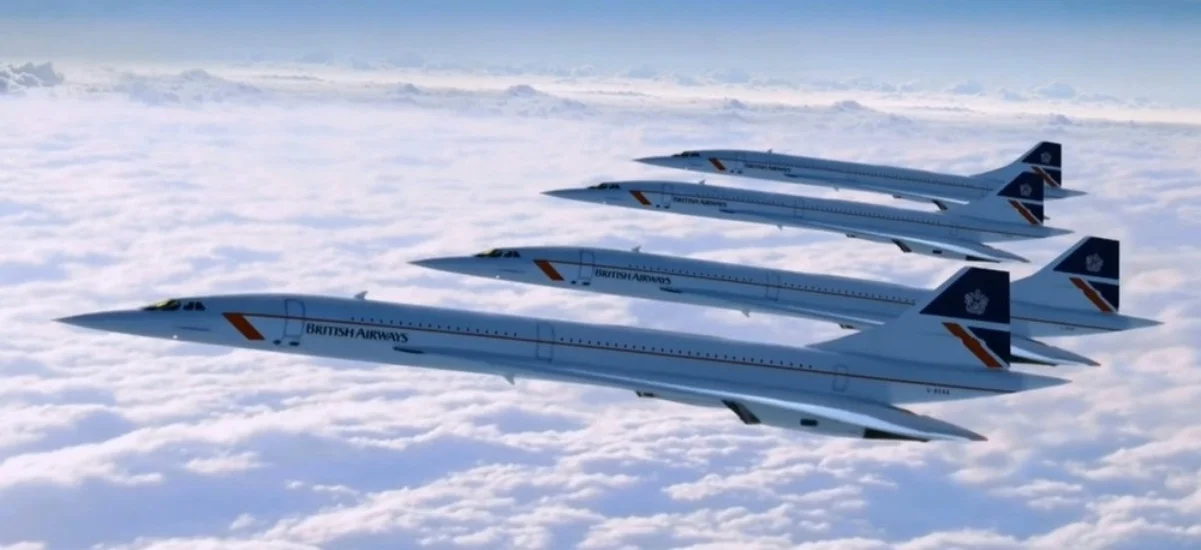
“To go supersonic, we put full power back, and then the reheat on in pairs,” Tye said to Airchats.
Once at Mach 1.7, reheat was turned off, and Concorde could cruise up to Mach 2 like that.
No other aircraft could reach Mach 2 without afterburners being on.

This was known as ‘supercruise’.
Yet at that speed, it was a silky smooth experience, and you wouldn’t realize just how fast the jet was going.
The engineering behind Concorde reveals just what an amazing aircraft it really was.
A brief history of Concorde
November 1962: Britain and France sign a treaty to jointly develop a revolutionary transport aircraft
March 1969: The prototype makes its maiden test flight from Toulouse, France
October 1969: The aircraft breaks the sound barrier for the first time during a test run
September 1973: The jet successfully completes its inaugural transatlantic crossing from Washington D.C. to Paris
January 1976: Scheduled commercial service officially begins with flights to Bahrain and Rio de Janeiro
November 1977: Regular passenger routes to New York open after a local ban on supersonic noise is lifted
November 1986: A charter flight completes a 28,238-mile journey around the world in under 30 hours of flying time
March 1993: The fleet welcomes its first female pilot, Barbara Harmer
February 1996: A new record is set for the fastest transatlantic passenger flight, travelling from New York to London in 2 hours, 52 minutes, and 59 seconds
October 2003: The iconic plane completes its final commercial passenger flight, marking the end of an era
Henry joined the Supercar Blondie team in February 2025, and since then has covered a wide array of topics ranging from EVs, American barn finds, and the odd Cold War jet. He’s combined his passion for cars with his keen interest in motorsport and his side hustle as a volunteer steam locomotive fireman at a heritage steam railway.