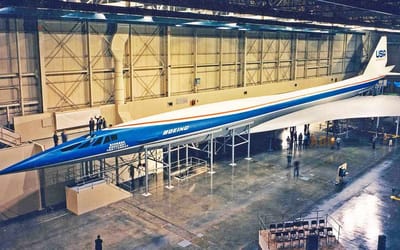
A former Soviet supersonic airliner ended up in the hands of NASA and Boeing and became the secret blueprint for an American Concorde
Published on Mar 12, 2026 at 6:45 AM (UTC+4)
by Henry Kelsall
Last updated on Mar 11, 2026 at 8:46 PM (UTC+4)
Edited by
Emma Matthews
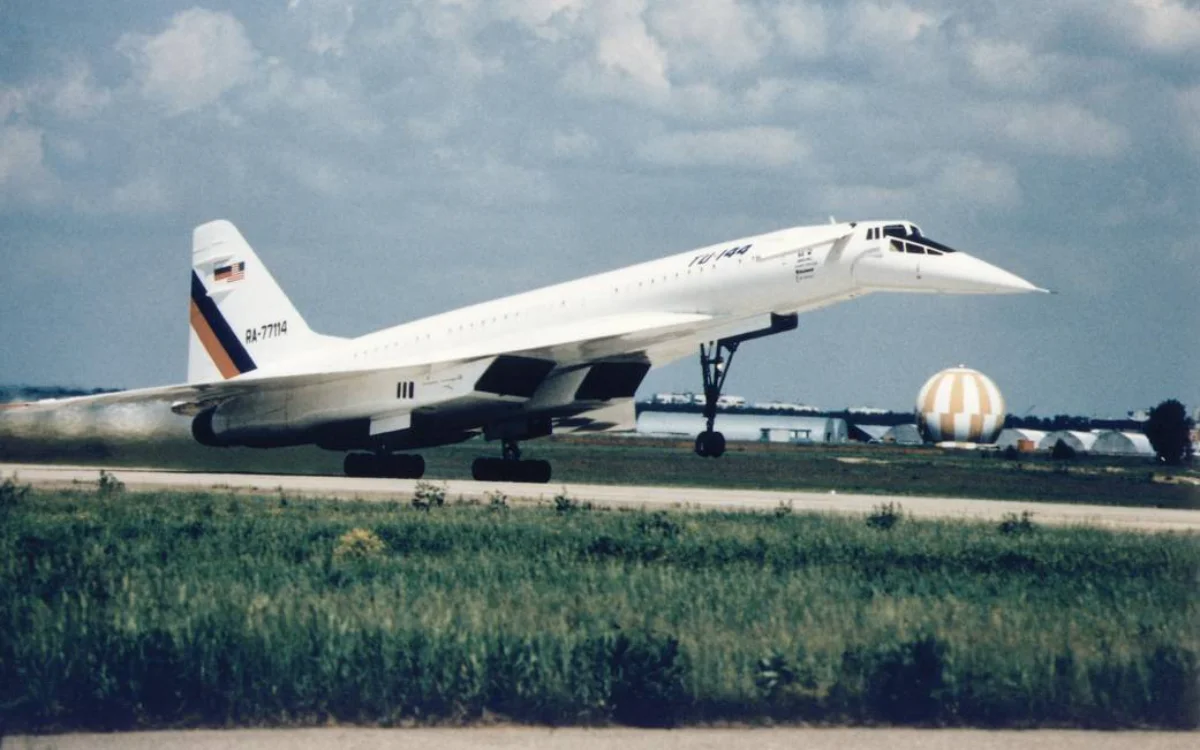

While all of us know about the iconic supersonic Concorde, it is easily forgotten that there was also a Soviet supersonic airliner, the infamous Tupolev Tu-144, which somehow flew with NASA and Boeing.
Nicknamed ‘Konkordski’ thanks to its resemblance to Concorde, the airliner had a terrible service life, with poor reliability and a bad safety record after two famous crashes.
One of these came at the Paris Air Show in 1973, where the airliner was flown alongside Concorde.
However, after a short service life, it was given a second chance after the Cold War, as NASA, Boeing, and Rockwell worked with Russia to see if there could be a new American Concorde.
Click the star icon next to supercarblondie.com in Google Search to stay ahead of the curve on the latest and greatest supercars, hypercars, and ground-breaking technology
How espionage led to the creation of the Soviet supersonic airliner
We should briefly touch on how the Soviet Union came to create its own Concorde.
Having heard of the plans for the Anglo-French Concorde, the USSR wanted to beat the West both technologically and politically.
With the aid of espionage, the Soviets flew the Tu-144 for the first time at the end of 1968.
They had beaten Concorde into the skies by just a few months.
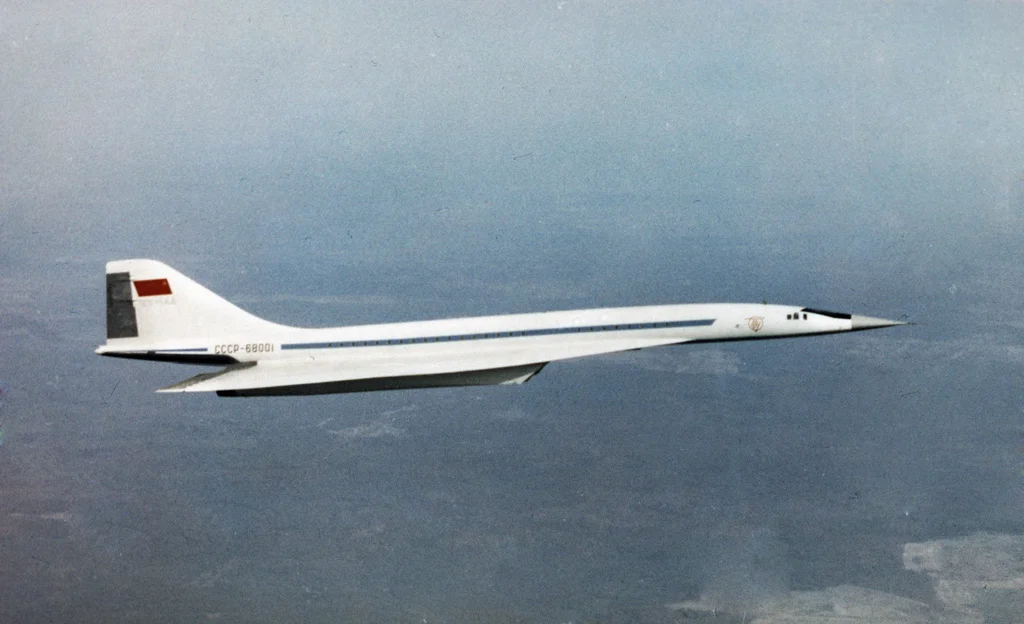
Thanks to spies, the aircraft looked uncannily like Concorde, leading to the unofficial nickname ‘Konkordski’.
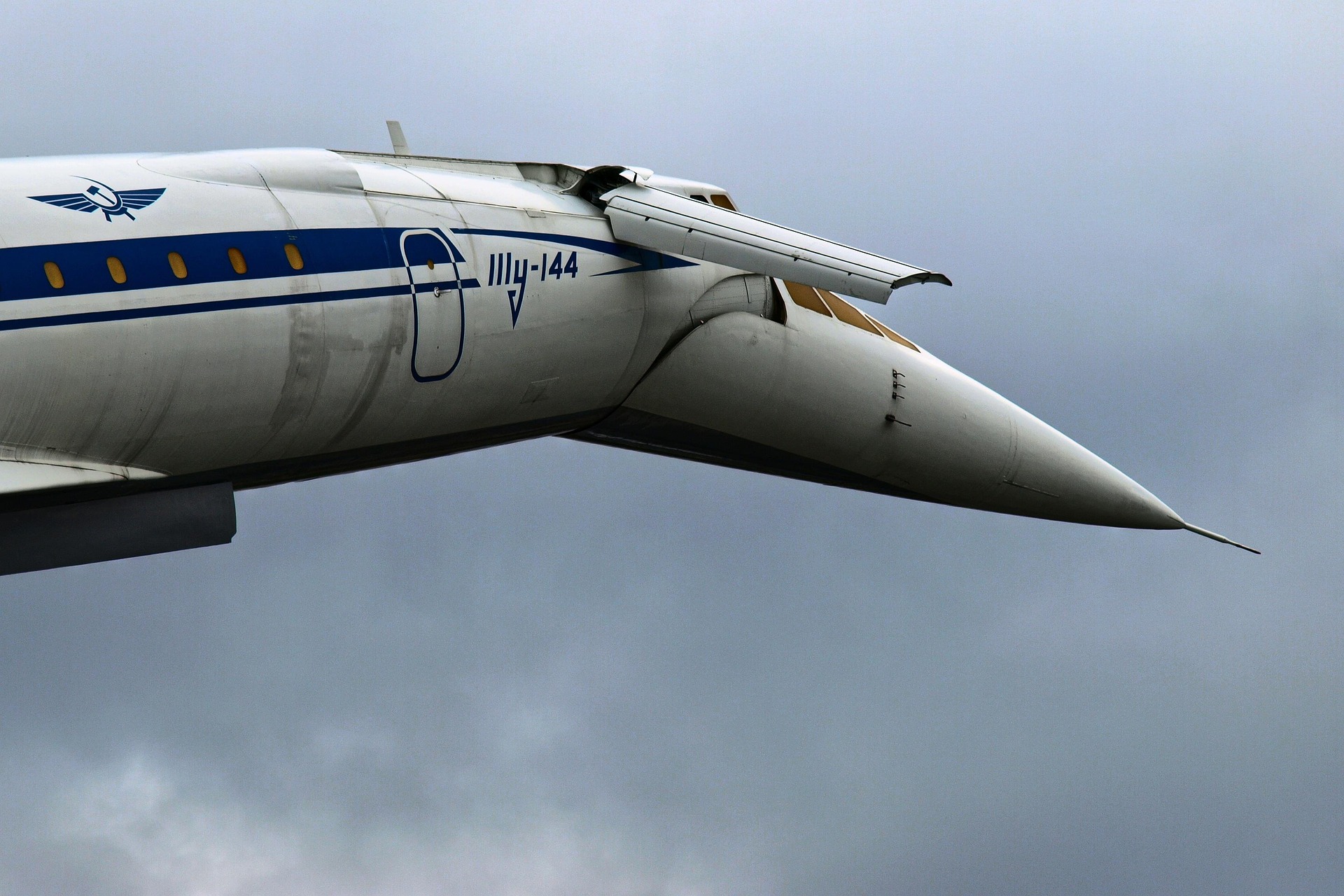
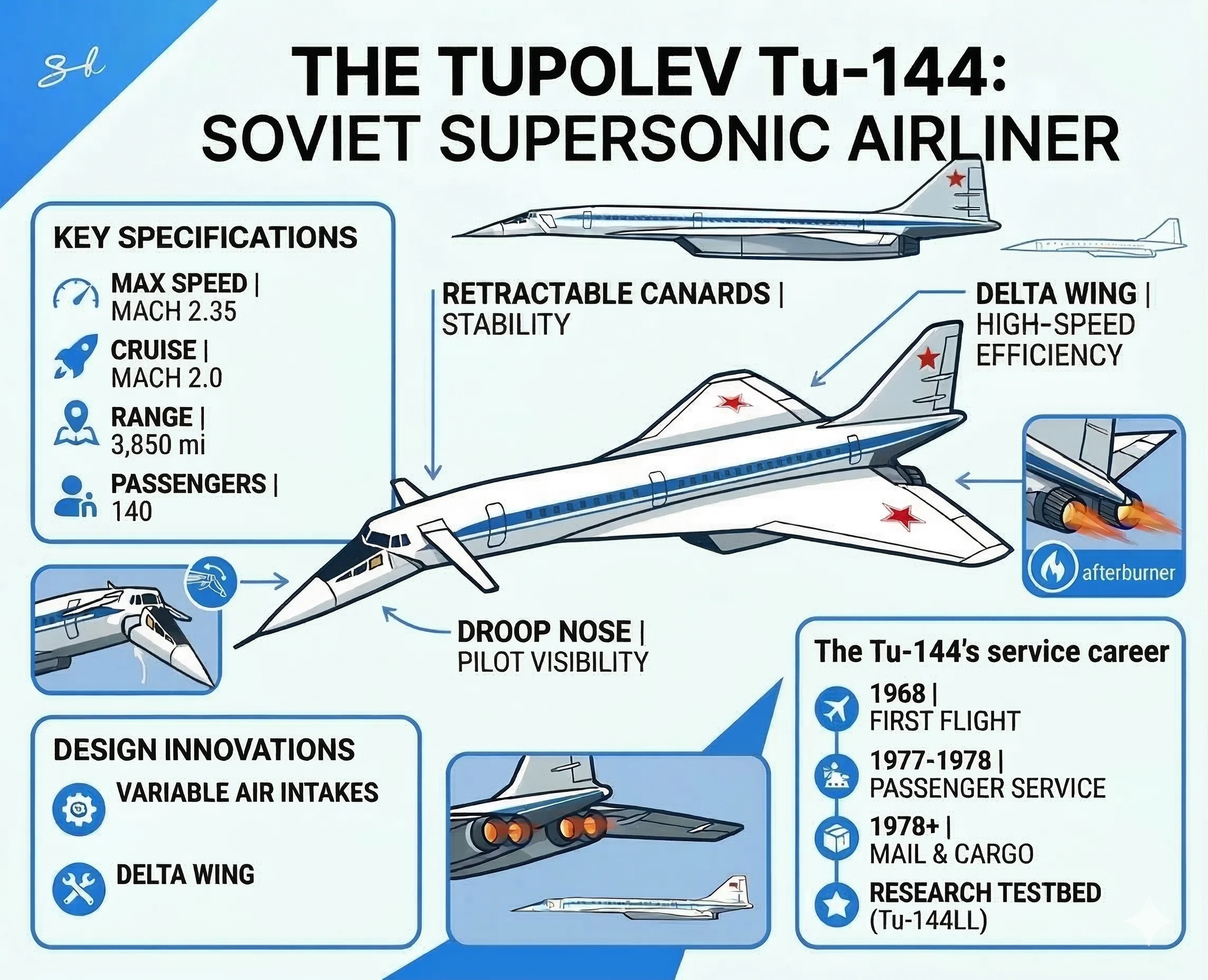
Powered by four Kolesov RD-36-51 turbojets, the Tu-144 was faster than Concorde with a top speed of 1,600mph, or Mach 2.15.
It was also bigger, carrying 150 passengers compared to Concorde’s max of 120.
However, despite its resemblance, it was nothing like the Western airliner.
Its engine and flight systems were much cruder, and the Delta wing was not as aerodynamic as Concorde’s.
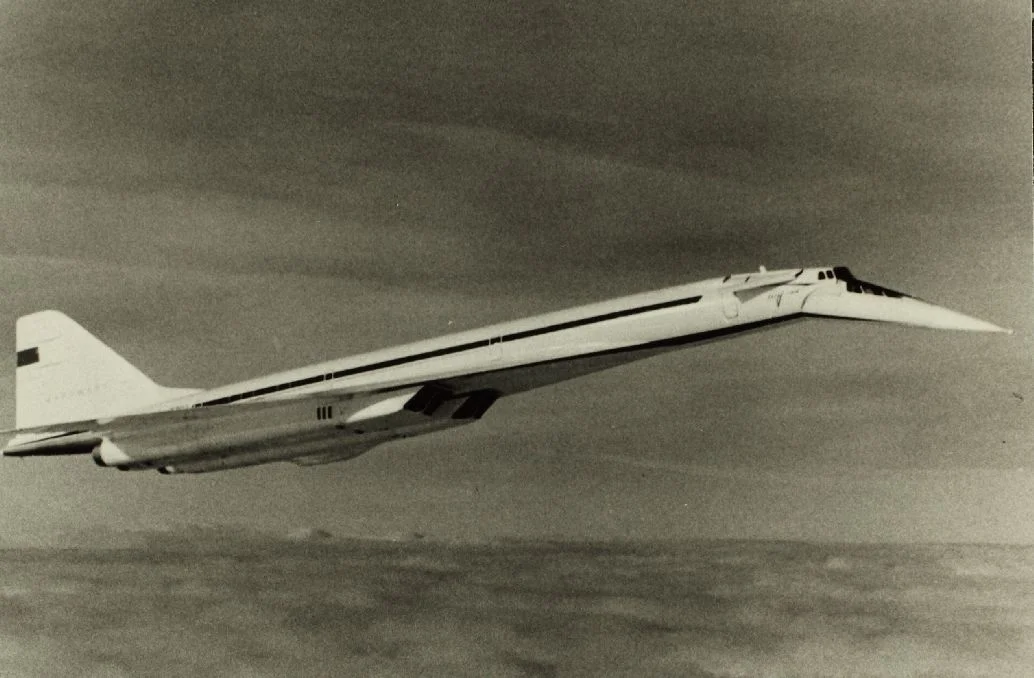
Lift was poor, hence the addition of two wings in front of the cockpit called ‘canards.’
Amazingly, the Soviets had also copied the famous ‘droop snoot’ from the Anglo-French airliner.
This is why the Soviet Tu-144 failed dramatically
In 1973, the aircraft made its global debut at the Paris Air Show, flying in consecutive displays with Concorde.
However, the program unravelled quickly after the aircraft flying in Paris crashed following a steep dive.
The Soviets claimed it was because the crew was avoiding a Mirage fighter taking spy shots of the jet.
Whatever the case, despite the accident, the airliner entered service in 1977.
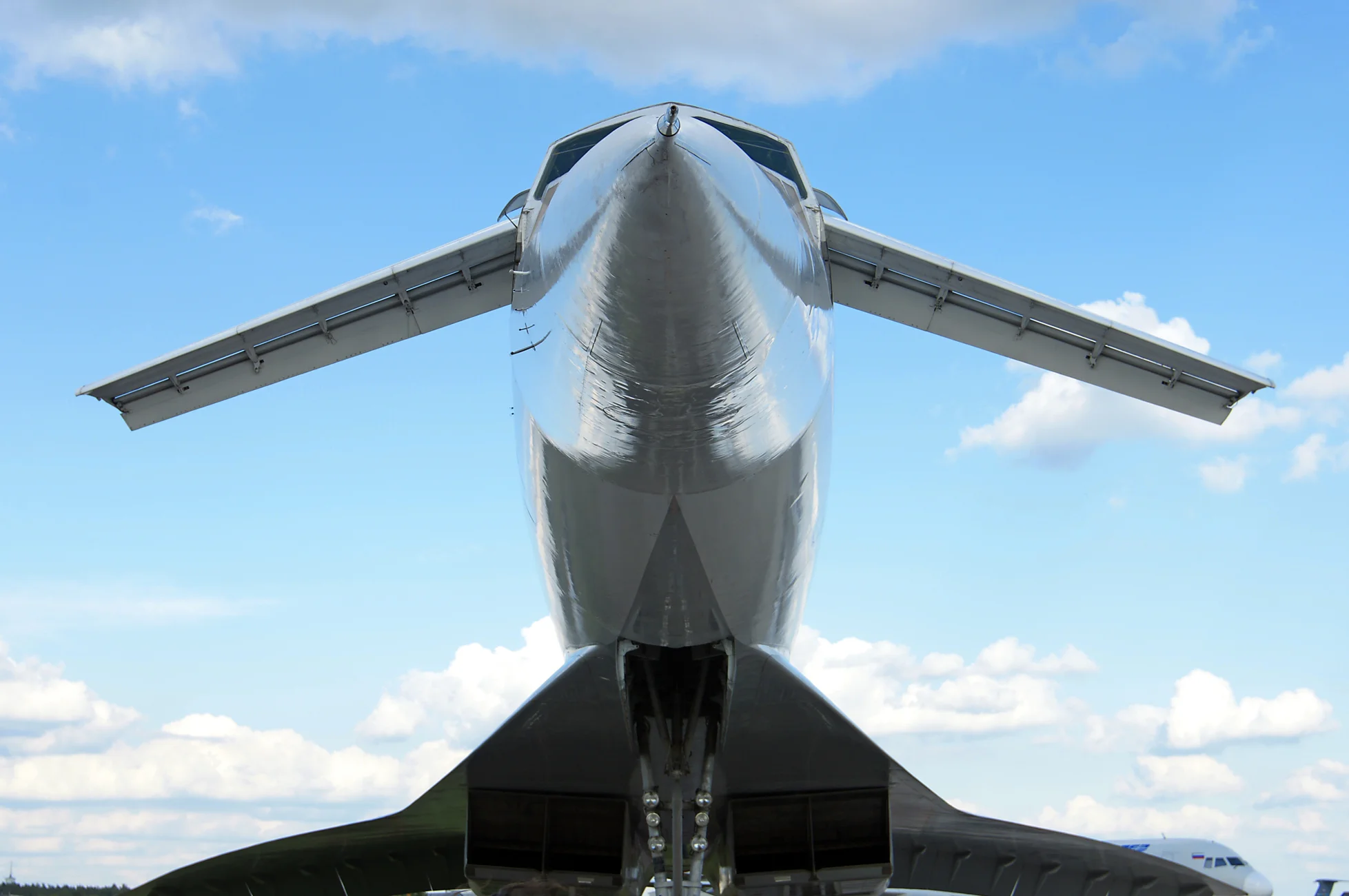
But the rush to enter it into service came back to bite the Tupolev.
Out of 102 scheduled flights, just 55 of them carried passengers.
It only ever flew on one route, from the Russian capital Moscow, to Almaty, Kazakhstan.
The Tu-144 was also chronically unreliable.
One flight filled with Western journalists became infamous, with alarms blaring out loudly for a whole 75-minute flight.
In general, unlike Concorde, the noise on the Tupolev was horrendous, and you’d wonder if you’d go deaf before the flight was completed.
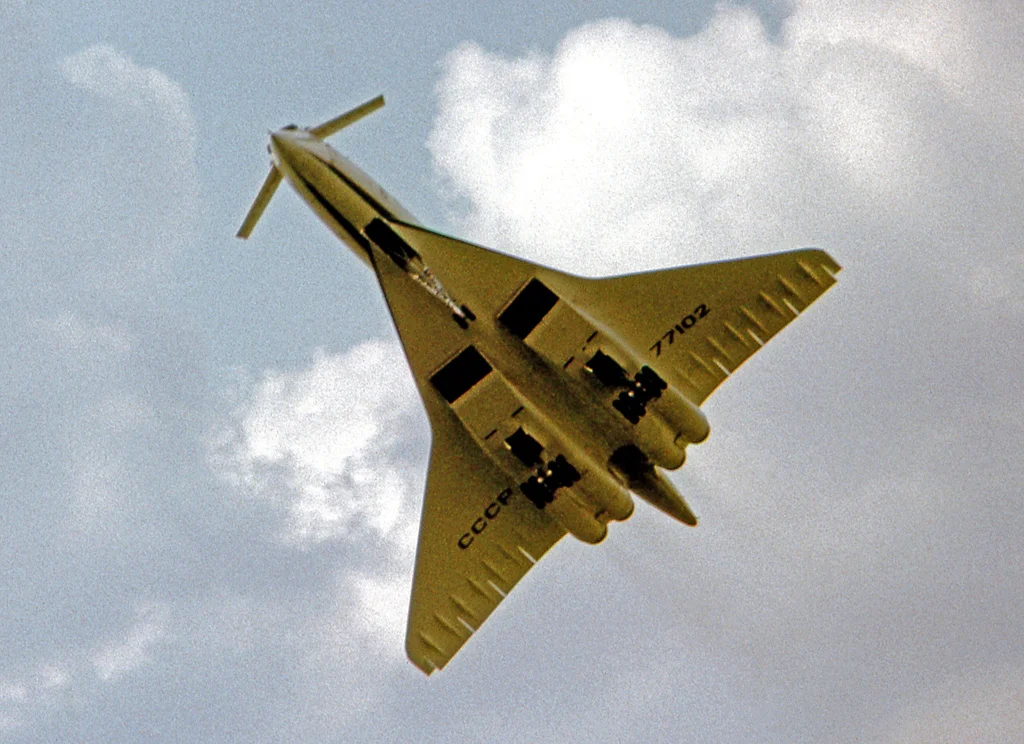
It was never a commercial success, and the aircraft was retired after just three years in commercial service.
But it continued flying until the mid-late 1980s as a testing and training aircraft.
Amazingly, despite being a huge failure, the aircraft soon found yet another lease of life.
How NASA, Boeing, and Rockwell came to the rescue of the Tupolev Tu-144
In the early 1990s, there was a push from America to create the High Speed Civil Transport.
This was led by NASA and its High-Speed Research program, as they looked to create the ‘next-generation’ of supersonic aircraft.
With Concorde prototypes retired and all production aircraft in service, the United States turned to the former Soviet Union for help.
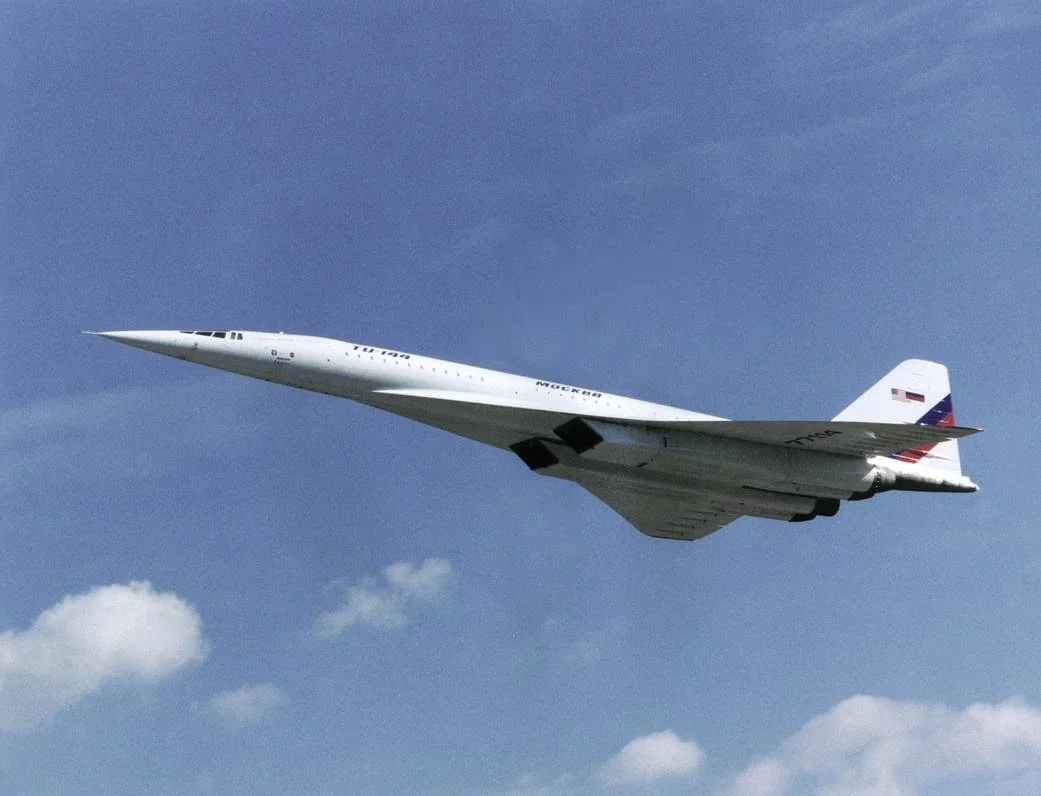
At that point, the Russian Federation brokered a deal between the three American companies and Tupolev to use the former Soviet supersonic airliner as a flying laboratory.
A single Tu-144 was renovated and flown again, becoming a Tupolev Tu-144LL, with LL a Russian abbreviation for Flying Laboratory.
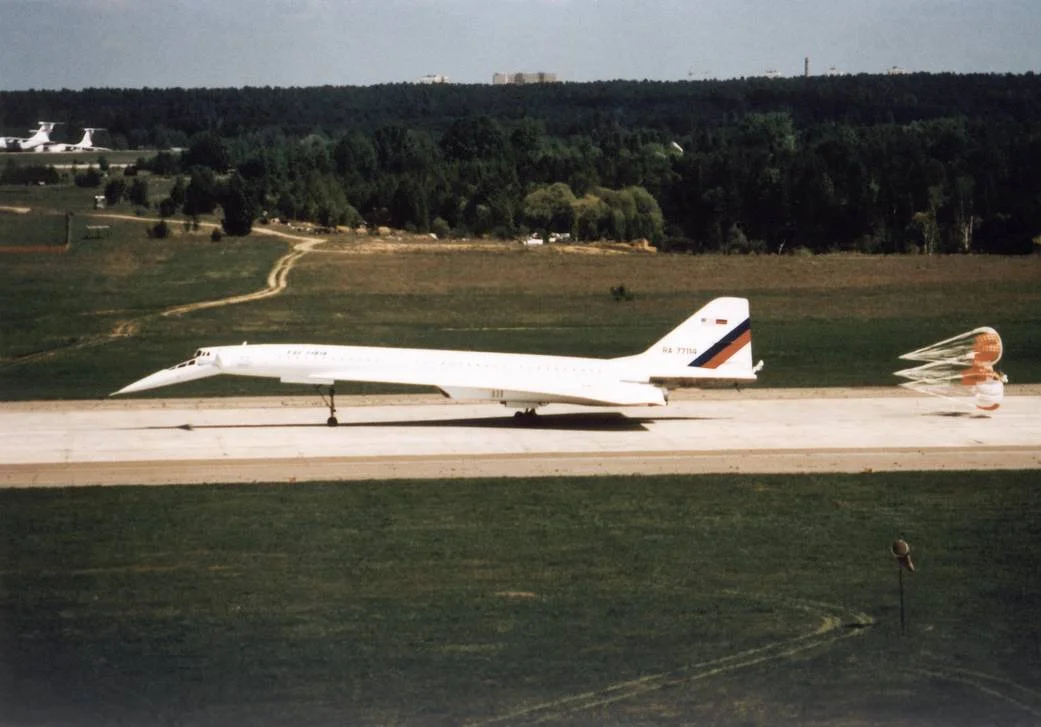
The aircraft, No.77114, made several flights from 1996 to 1999, bringing in plenty of data for NASA, Boeing, and Rockwell.
For many in the West, it was the first time they had seen the Tu-144 at all, let alone seen it fly.
The Tupolev’s reputation as a noisy aircraft was further proven during the tests, as seen below.

On June 26th, 1999, the Tupolev Tu-144 made its final flight as the NASA program ended.
While it had been a technical success, the American supersonic airliner, much like the earlier Boeing 2707 and Lockheed L-2000, never materialized.
Thus, despite getting another chance after the end of the Cold War, the Tu-144 was grounded for good.
How many examples of the Soviet supersonic airliner remain?
Today, out of the 16 aircraft built, just seven remain, with only one of those outside Russia, in Germany, where it’s displayed at the Sinsheim Technik Museum.
It is also the only place in the world where Concorde and the Tu-144 can be seen together.
Concorde, meanwhile, flew on in commercial service from 1976 to 2003.
Thus, it was clear the West had won the short-lived race for supersonic air travel.
It is, however, somewhat ironic that when it needed an aircraft, the United States turned to its former foe to revive a relic of the Cold War.
It may have been short, but the Tupolev Tu-144, the Soviet supersonic airliner, lived a remarkable life.
DISCOVER SBX CARS: The global premium car auction platform powered by Supercar Blondie
Henry joined the Supercar Blondie team in February 2025, and since then has covered a wide array of topics ranging from EVs, American barn finds, and the odd Cold War jet. He’s combined his passion for cars with his keen interest in motorsport and his side hustle as a volunteer steam locomotive fireman at a heritage steam railway.