Man deep freezes Tesla Model 3 in Colorado snow for two days then plugs it into Supercharger with interesting results
Published on Nov 16, 2025 at 4:05 AM (UTC-5)
by Daisy Edwards
Last updated on Nov 16, 2025 at 4:05 AM (UTC-5)
Edited by
Daisy Edwards
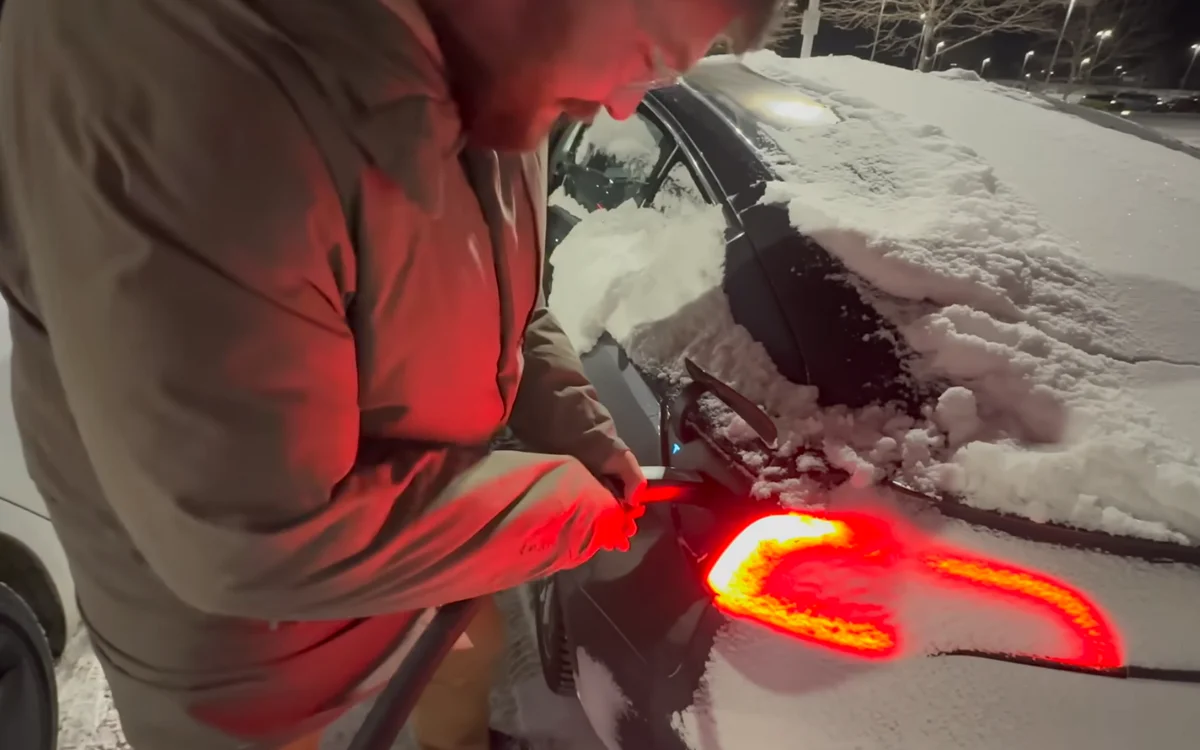

A man decided to deep-freeze his Tesla Model 3 in Colorado snow for two days, then plugged it into a Supercharger with interesting results.
The 2019 Model 3 Performance was left outside in the Colorado cold for 48 hours not plugged into anything at all.
Temperatures dropped as low as minus 14 degrees Fahrenheit as the car turned into a frozen brick.
Then, he plugged the EV straight into a Supercharger to see how the battery would react, and he was surprised by the results.
EXPLORE SBX CARS – Supercar auctions starting soon powered by Supercar Blondie
One deep-frozen Tesla Model 3, please
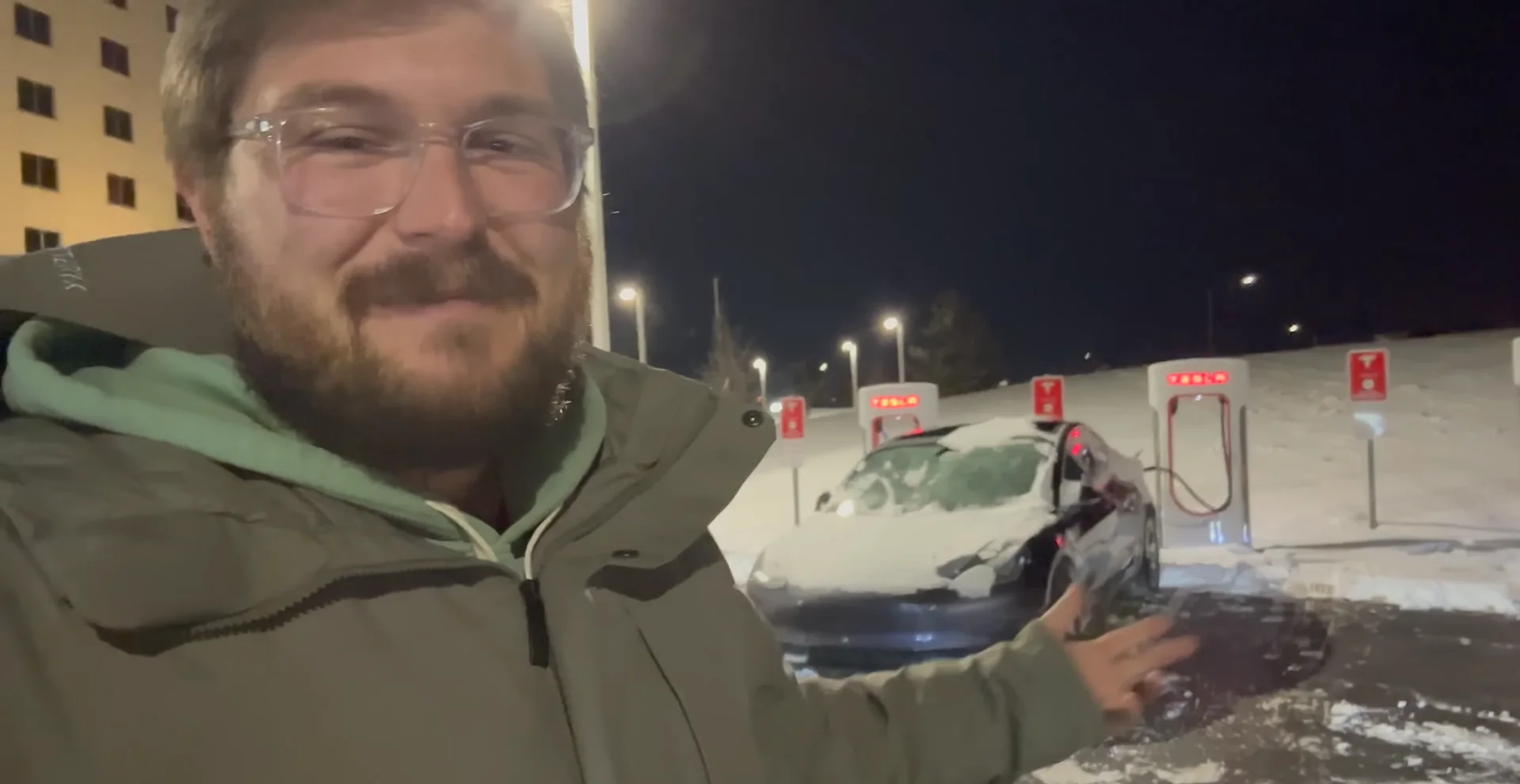
EV reviewer Kyle Conner from Out of Spec Reviews on YouTube parked his Model 3 beside a freezing Colorado Supercharger and left it untouched for two full days.
When he returned, the car’s display showed minus nine degrees Fahrenheit, with The Weather Channel reading -14.
Even getting the charging cable to plug in was a struggle, with the first supercharger being entirely frozen over.
When he finally plugged the car in, it produced five kilowatts, but none of that was going into the battery – it was all being used to heat the pack from the inside using waste heat from both motors.
For the first half hour, the charging level didn’t rise at all.
The system focused solely on warming the cold battery; about four kilowatt hours of energy were burned just to bring the pack to a temperature where charging could begin.
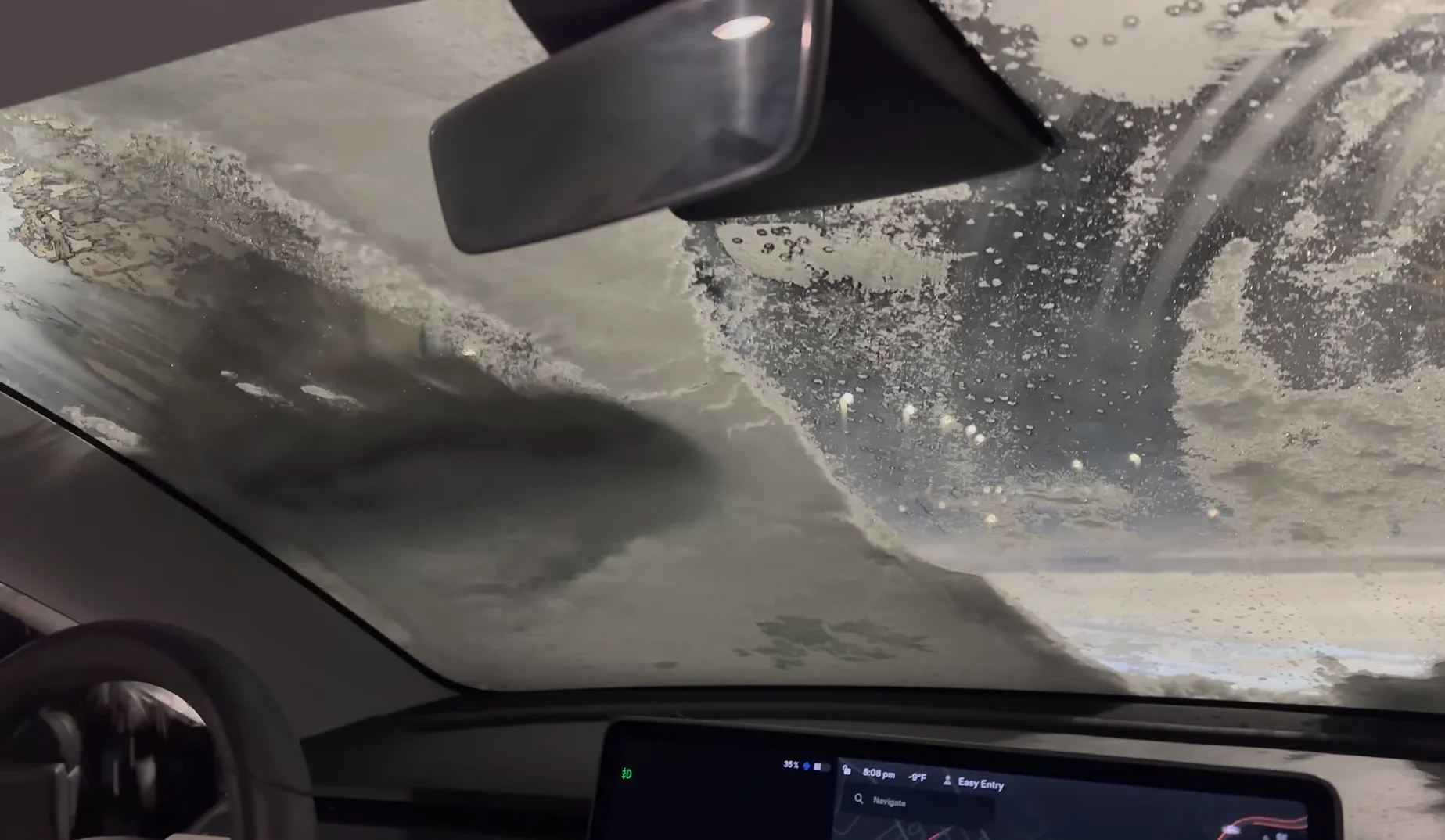
Could the supercharger survive the deep-freeze?
After roughly 30 minutes, the Tesla suddenly showed a 23-kilowatt charge rate.
Once the battery warmed enough, charging became a normal curve, eventually reaching around 150 kilowatts despite ambient temperatures dropping to -16 Fahrenheit.

Within about an hour and fifteen minutes, the car reached 70 percent state of charge and continued to behave like a normal Model 3.
By the time it hit 90 percent, the snowflake icon had disappeared, indicating the entire battery was properly warmed.
In the end, the Model 3 handled the brutal experiment with no issue, it just needed defrosting time.
Daisy is a technology and automotive journalist covering artificial intelligence, consumer tech, Apple news, cryptocurrency, emerging technologies, and transportation innovation. Since joining the team in 2025, she has reported on everything from AI-powered startups and major iOS updates to viral car stories and the latest developments shaping transportation and the digital economy. Drawing on her background in automotive journalism and a degree in History and Journalism from Goldsmiths, University of London, Daisy specializes in breaking down complex topics into clear, engaging reporting for a global audience. Her work spans cutting-edge technology, innovative vehicles, and the people driving change across both industries. Daisy has gained first-hand access to some of the world's most talked-about technologies and innovators, including meeting Tesla's Optimus humanoid robot during its first European appearance in London. She has also discussed the future of space exploration with an astronaut, bringing unique insights and real-world perspectives to her coverage of emerging technology.