Man spends 3 days driving 620 miles in Chinese car and is blown away by China’s EV tech
Published on Mar 23, 2026 at 9:06 AM (UTC+4)
by Jason Fan
Last updated on Apr 02, 2026 at 6:05 PM (UTC+4)
Edited by
Mason Jones

When a YouTuber set out to test the XPeng P7 EREV, he didn’t expect to be so impressed by the modern EV technology.
Automotive YouTuber Sam Evans, better known as The Electric Viking, recently spent three days driving the car across southern China.
He covered about 1,000 kilometers (620 miles) through cities, highways, and rural mountain roads.
By the end of the trip, he wasn’t just impressed with the car itself; he was convinced China’s EV technology was pulling ahead.
Click the star icon next to supercarblondie.com in Google Search to stay ahead of the curve on the latest and greatest supercars, hypercars, and ground-breaking technology
It had an extra generator, but it didn’t need it
The Xpeng P7 recently made waves when it received 10,000 orders in just minutes.
But what’s the hype?
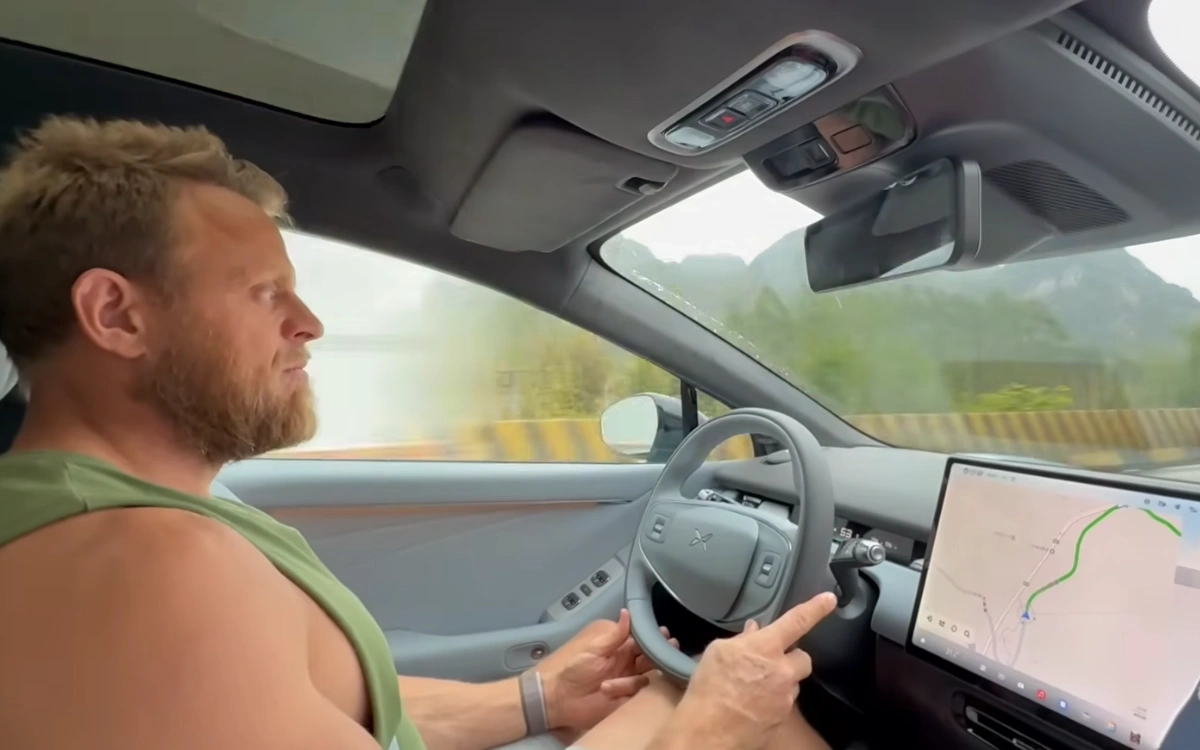
Well, the car in question was an extended-range electric vehicle, sometimes called an EREV.
Unlike a typical hybrid, the small gasoline engine in the P7 did not power the wheels directly.
Instead, it acted like a generator that produced electricity to recharge the battery if needed.
In everyday driving, the car behaved just like a full electric vehicle.
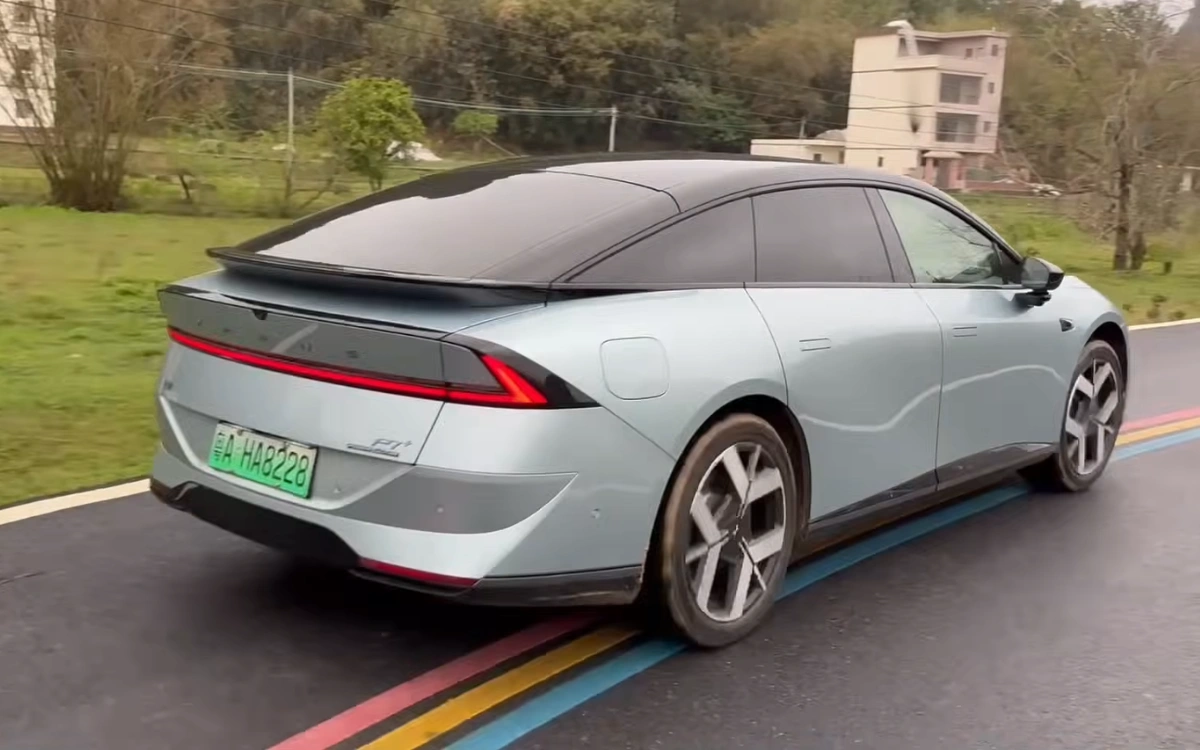
During his trip, Evans drove the P7 almost entirely on battery power, even though the car technically had a backup engine onboard.
With roughly 400 kilometers (249 miles) of electric-only range under China’s CLTC testing standard, he found there was rarely a reason to turn the generator engine on at all.
“It just felt like a normal EV,” he explained in his video.
The car’s driving experience also left a strong impression.
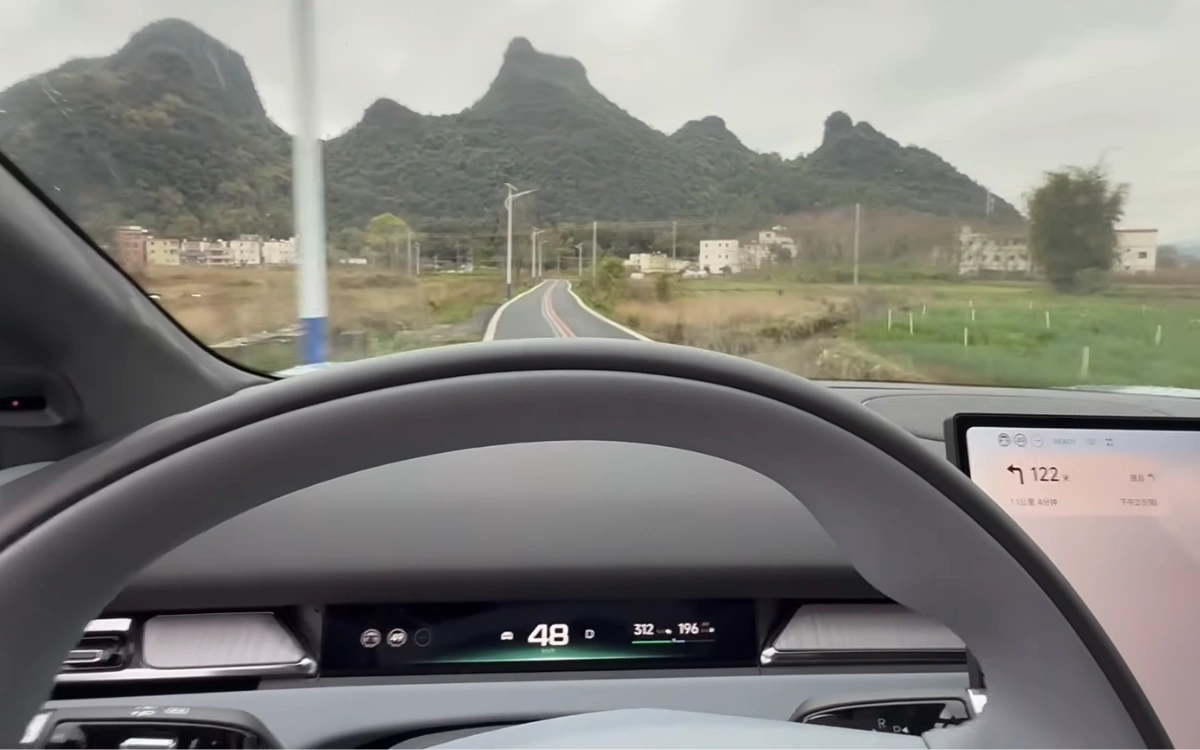
Evans described the P7 as smooth, quiet, and comfortable over long distances, which made it easy to cover hundreds of miles in a single day.
Despite being around five meters (16.4 feet) long, the Chinese car still felt sleek and manageable on narrow rural roads.
The practical side also stood out.
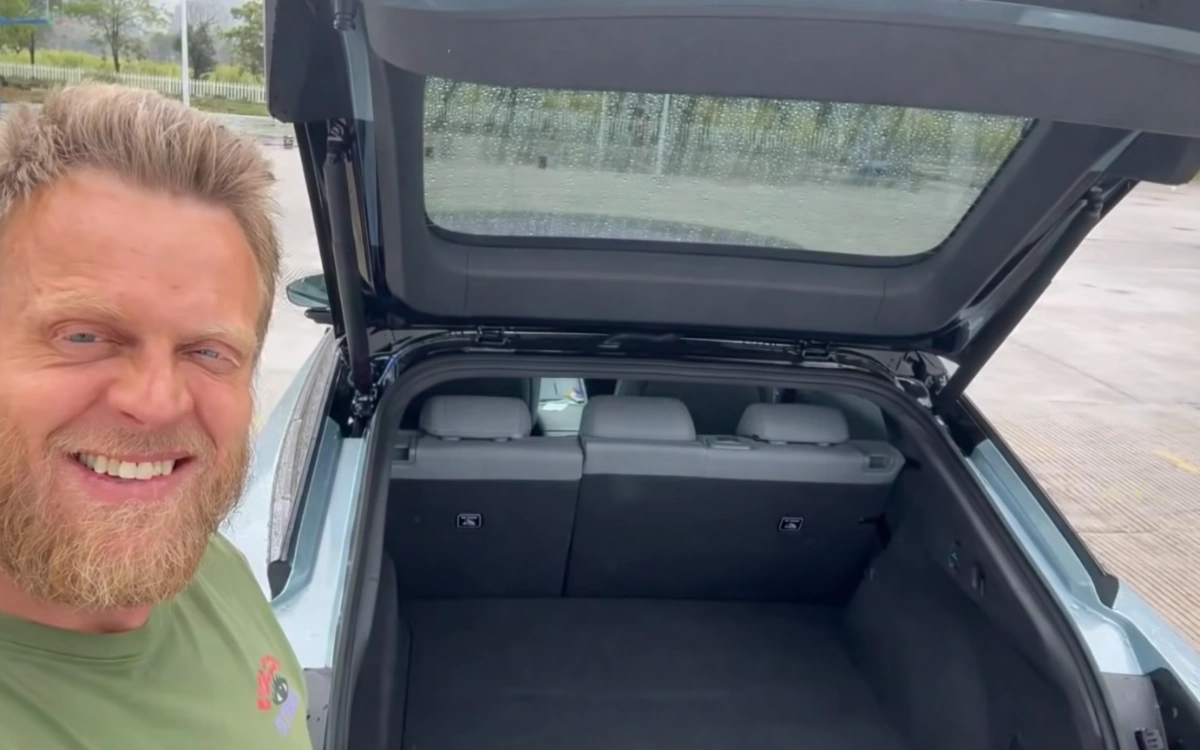
Thanks to its liftback design, the P7 offered significantly more cargo space than many sedans, including competitors like the Tesla Model 3.
How did the Chinese car compare to a Tesla?
But the biggest surprise of the trip wasn’t the powertrain or the design.
It was the car’s driver-assistance technology.
Early in the journey, Evans tested XPeng’s older XNGP driver-assist system, which struggled in rainy conditions.
However, when he later drove a version equipped with the company’s newer VA 2.0 software, the difference was dramatic.
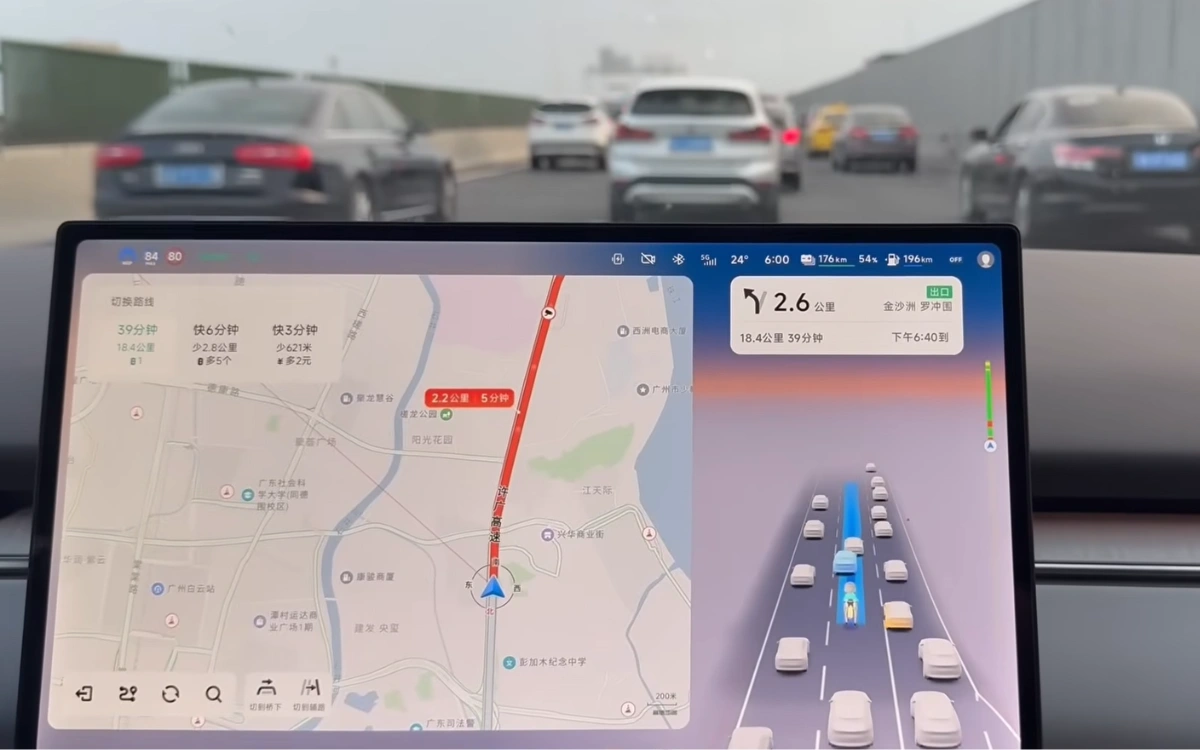
The system handled dense traffic, unpredictable drivers, and heavy rain with remarkable confidence.
Evans even compared the experience to the advanced driver-assist system used by Tesla, saying XPeng’s latest software felt similarly capable in real-world conditions.
That rapid improvement highlighted just how quickly Chinese automakers were advancing their technology.
By the end of the 620-mile road trip, the takeaway was clear.
The XPeng P7 EREV wasn’t just a comfortable long-distance cruiser.

It was also a glimpse into the future of electric mobility and intelligent driving systems.
If Evans’ experience was anything to go by, China’s EV industry wasn’t just catching up anymore.
It might already have been competing at the very top.
If you want to see his full review, you can check out his video below:

DISCOVER SBX CARS: The global premium car auction platform powered by Supercar Blondie