This is what's replacing gas stations in Norway as they disappear throughout country
Published on Nov 12, 2025 at 8:34 AM (UTC-5)
by Alessandro Renesis
Last updated on Nov 12, 2025 at 8:34 AM (UTC-5)
Edited by
Kate Bain
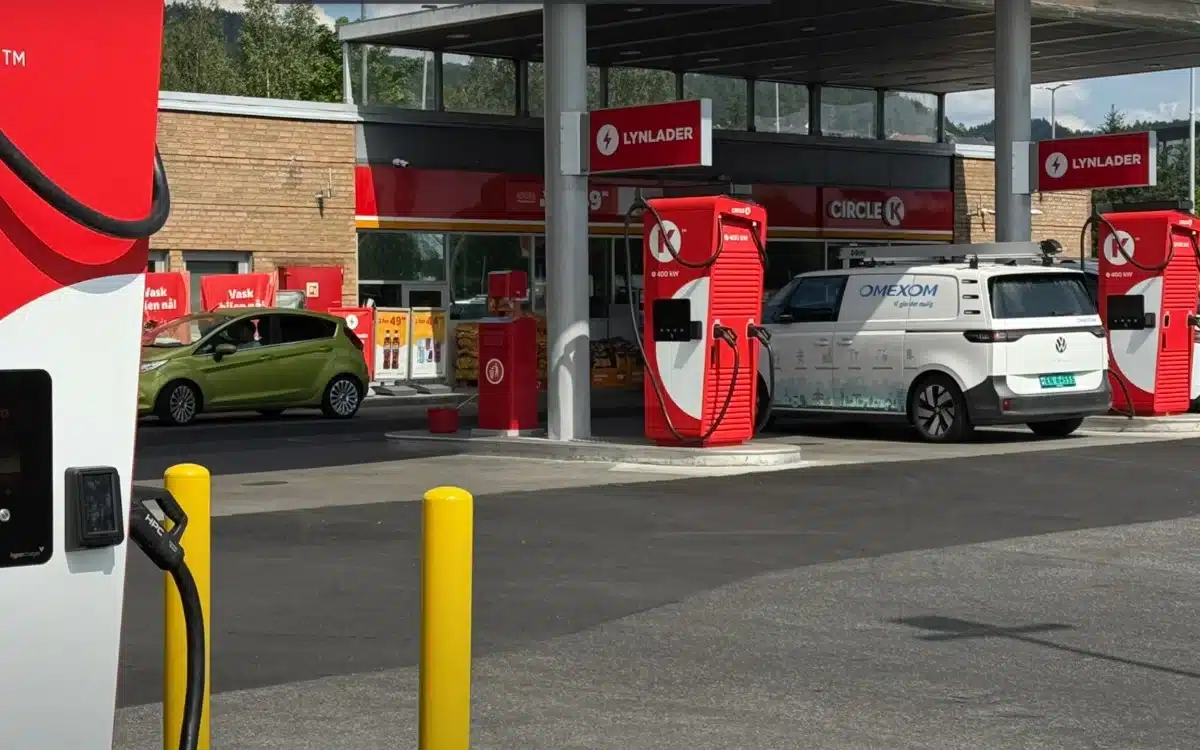

Norway is quickly getting rid of gas stations, which is not surprising considering Norway’s EV adoption rate.
It’s interesting to find out what they’re replacing these gas stations with, though.
They’re being replaced with charging stations, of course, but there’s something else as well.
Because for some reason these new venues that replaced gas stations are selling something seemingly completely unrelated.
DISCOVER SBX CARS: The global premium car auction platform powered by Supercar Blondie
Why Norway is getting rid of gas stations
The YouTube channel Out of Spec BITS traveled to Norway, a country with an incredibly high EV adoption rate, to find out what exactly what was going on with its disappearing gas stations.

It’s not illegal to buy a gas car in Norway, but it feels like it might be soon.
As a result, since very nearly every new car sold is electric, gas stations are becoming almost a thing of the past.
Gas stations are often located right next to a convenience store that sells a lot of stuff you might reasonably want and need – like coffee or food.
But they often have left-of-field items there too.
For example, no one has ever figured out why gas stations sell clothes, like you’re on your way from A to B and all of a sudden you feel the urge to buy a new pair of pants?
Ironically, this sort of thing is still happening, as all the charging stations are also right next to stores selling clothes.
And while this might have been hard to understand at gas stations, it actually makes a lot of sense at charging stations.
It takes a couple of minutes to fill up your car with gas, but it takes a lot longer to charge your EV.
So, giving drivers something to do like shopping for new clothes, is a great idea.
Why Norway’s EV adoption rate is so high
The country of Norway pioneered electric car adoption by making the most of its circumstances.
Norway is rich in natural resources and it has a large GDP.
It also has a relatively small population that’s culturally and socially alike, which means it’s generally easier to come to an agreement when it comes to things like transitioning from oil to electricity.
Crucially, and this also played a part, the country doesn’t really have a rich automotive history.
It never had any local manufacturers to please or disappoint, and it also never made any significant contribution to motorsports.
As a result, it was relatively easy for the country to use revenue from its vast natural resources to fund EV credits and incentives, while also imposing higher taxes on gas cars.
In 2025, nine cars out of 10 sold in Norway are electric, and Norway’s EV adoption rate is still going up.
Alessandro is an automotive journalist with 10 years of experience covering supercars, automotive history, emerging vehicle technology, and luxury transportation. He wrote the first article published on SupercarBlondie.com when the website launched in 2022 and has since built a reputation for insightful reporting across the automotive and transportation industries. His expertise is grounded in hands-on experience. Alessandro has driven every Tesla model ever produced, from the original Roadster to the Cybertruck, and regularly covers the latest developments in electric vehicles and automotive innovation. His passion for transportation extends beyond cars, he has even flown a Boeing 787 Dreamliner simulator in Addis Ababa, Ethiopia. His reporting spans everything from classic American muscle cars and rare automotive discoveries to luxury yachts, private aircraft, high-end watches, and cutting-edge vehicle technology. Known for his deep knowledge of automotive history and ability to uncover the stories behind iconic vehicles, Alessandro brings readers a blend of historical context, technical expertise, and first-hand experience.