Tesla Model 3 loses the most range in brutal Spain heat test
Published on Sep 17, 2025 at 3:30 AM (UTC-4)
by Jason Fan
Last updated on Sep 17, 2025 at 10:13 AM (UTC-4)
Edited by
Amelia Jean Hershman-Jones
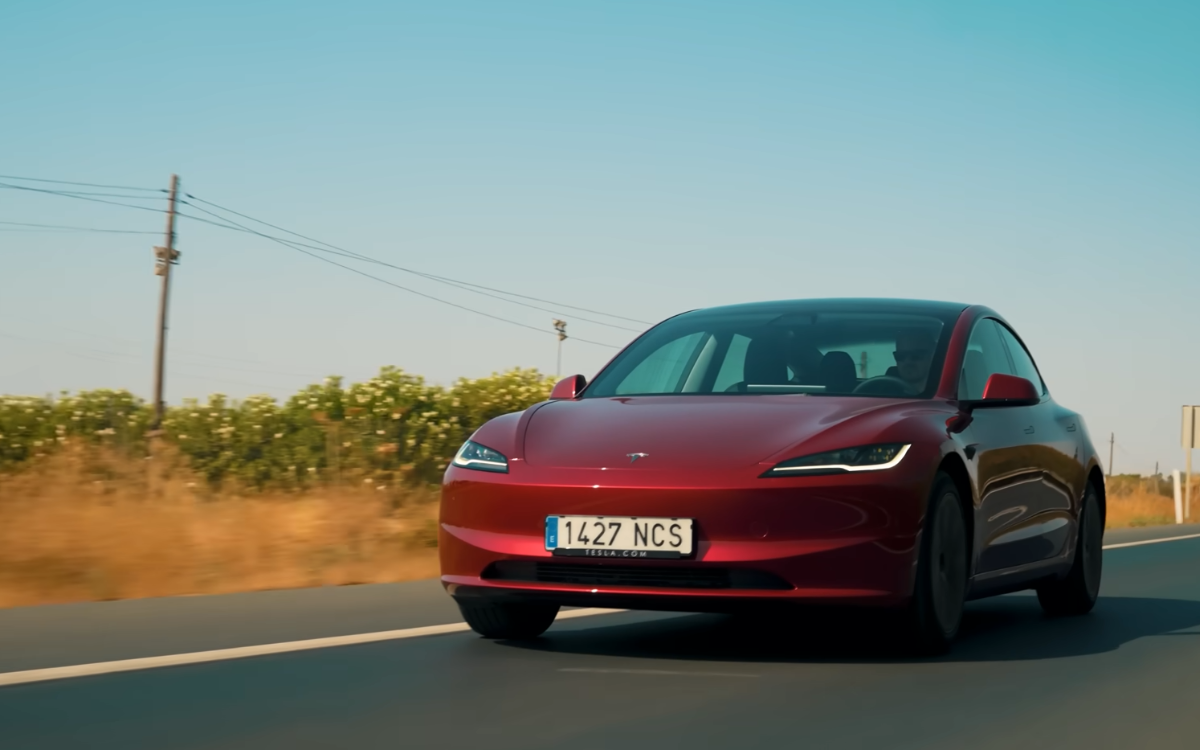

A new heat test has revealed that the Tesla Model 3, one of the most popular EVs on the market, suffers the biggest range loss when driven in the scorching sun.
The experiment, carried out by What Car? in southern Spain, compared three electric vehicles in one of Europe’s hottest regions.
With temperatures pushing 111°F (44°C), the test was designed to see how extreme heat affects range, efficiency, and charging times.
The results show that while modern battery cooling systems help, even the best EVs aren’t immune to hot-weather performance drops.
SBX CARS – View live supercar auctions powered by Supercar Blondie
All three cars fell short of their official range figures
The experiment was carried out by What Car?, who uploaded it to their YouTube channel.
The team previously did a similar test, involving 12 different electric cars.
This heat test, however, included three very different EVs.
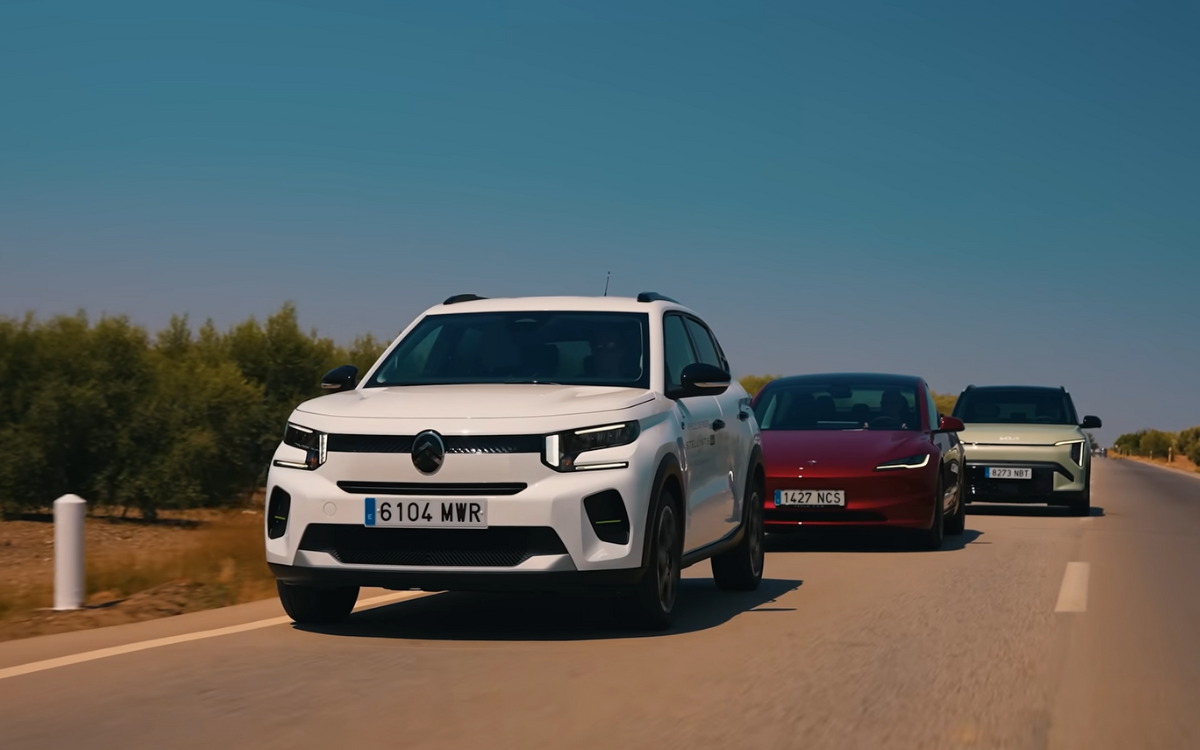
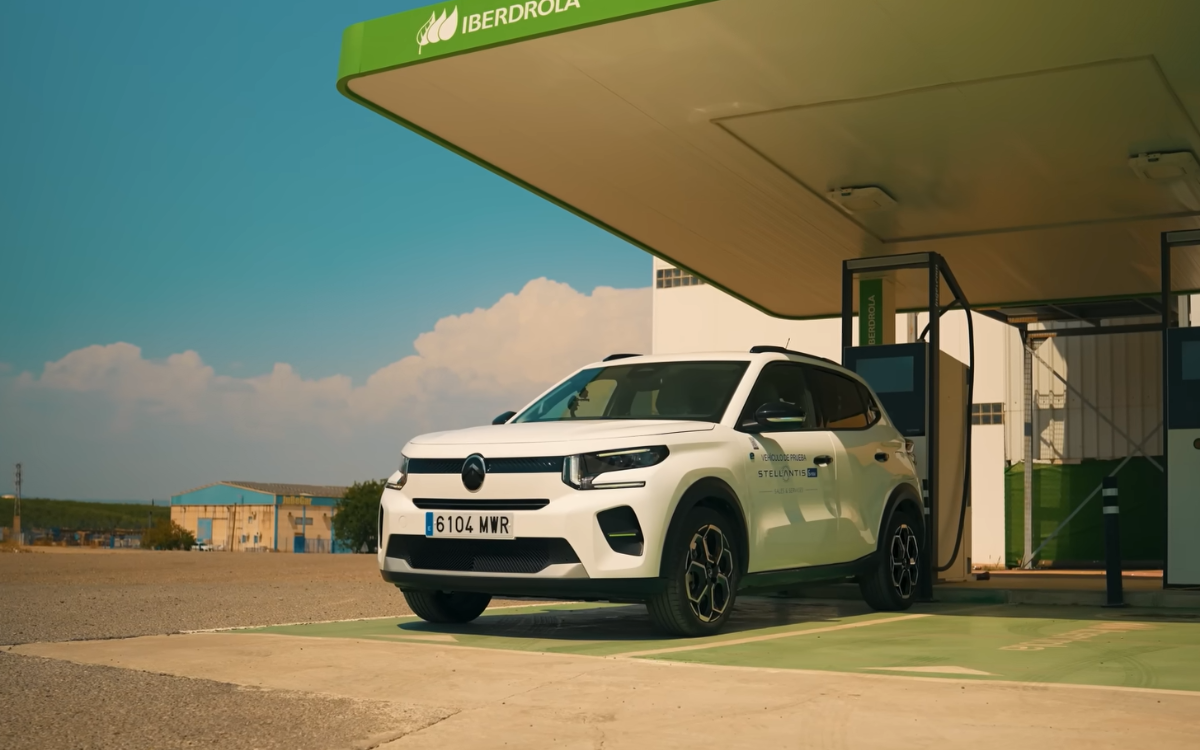
The Citroën e-C3, the cheapest of the group, had a small 44 kWh air-cooled battery with a WLTP-rated range of 199 miles.
The Kia EV3 Long Range, with its liquid-cooled 81.4 kWh pack, was rated at 362 miles.
This is the same car that recently took home a top award at the New York Auto Show.
Finally, the Tesla Model 3 Long Range dual-motor, which is the heavyweight of the test, boasted an 80 kWh battery and a claimed 436-mile maximum range.
Driven at steady highway speeds in brutal heat, all three cars came in well short of their official figures.
The Citroën performed worst in efficiency terms, averaging just 2.7 miles per kWh and managing a theoretical 142 miles, which is 28.7 percent less than advertised.
The Kia managed 246 miles at 2.9 miles per kWh, dropping about 32 percent below its claim.
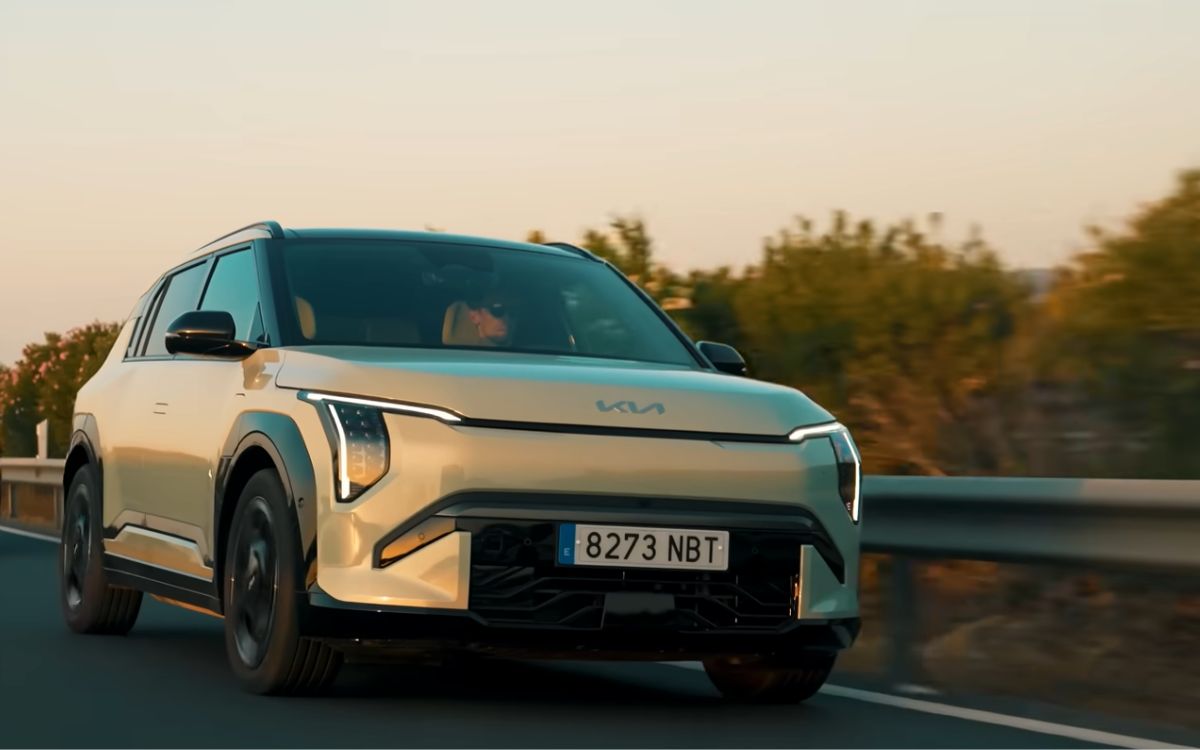
But it was the Tesla that surprised testers most: despite having the highest efficiency at 3 miles per kWh, its theoretical maximum range fell to 244 miles.
This is an eye-watering 44 percent below its official rating.
Related
Charging the Tesla Model 3 in the heat wasn’t a problem
Charging results, however, told a different story.
Both the Kia and Tesla handled the extreme heat surprisingly well, charging from 10 percent to 80 percent in around half an hour, nearly matching their official times.
The Citroën struggled, managing just 38 kW on a 50 kW charger and taking 74 minutes to recover from 3 percent to 80 percent.
Testers noted that the Tesla’s full-length glass roof likely played a role in its heavy range loss, as the air conditioning had to work overtime to keep the cabin cool.
The heat test findings highlight how temperature extremes, whether it’s freezing cold or blazing hot, remain one of the biggest challenges for EV drivers.
In this case, Spain’s sun proved as punishing as any winter storm.
However, if you’re thinking of turning down your air conditioning in summer to save yourself some range, think again, as there’s a simpler way to get more range in the summer heat.