The end is near for the Model S and Model X as Tesla formally says goodbye to the cars
Published on Apr 01, 2026 at 5:54 AM (UTC+4)
by Jason Fan
Last updated on Mar 31, 2026 at 6:53 PM (UTC+4)
Edited by
Mason Jones
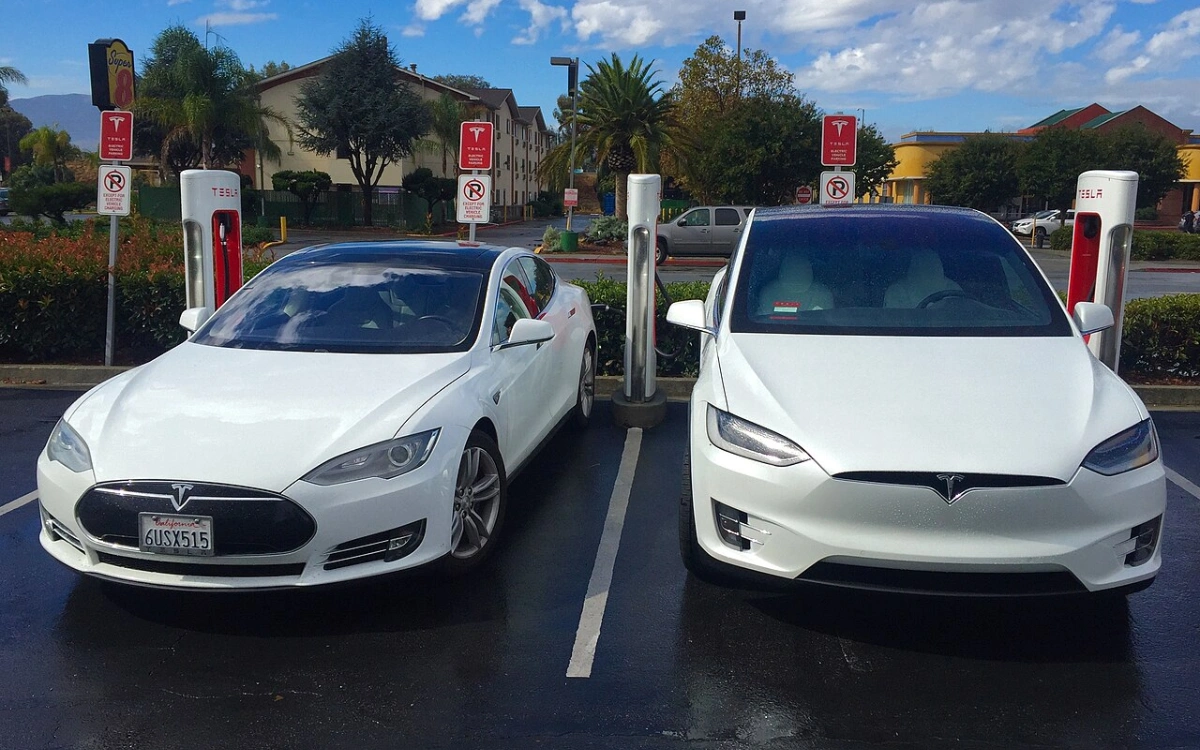

The Tesla Model S and Tesla Model X may be heading for the history books as Optimus takes center stage, marking a dramatic shift in Tesla’s priorities.
After years of leading the EV revolution, the company has begun signaling that the end is near for its longest-running flagship models.
A recent email to US customers thanked buyers for their support, while encouraging last-minute orders as inventory dwindles.
While it stopped short of confirming discontinuation outright, the message was clear enough.
Enter our competition to win a stunning 2006 Ford GT or $400,000 cash!
Moving towards robotics is risky business for Tesla
Tesla’s wording hinted at a bigger transition, noting that clearing out the Model S and Model X would ‘make way for this autonomous future.’
That future likely includes not just the long-awaited Cybercab robotaxi, but also the increasingly prominent Optimus humanoid robot.
Analysts have pointed out that Tesla’s strategy appears to be shifting beyond cars altogether.
CEO Elon Musk has been repeatedly emphasizing AI, robotics, and autonomy as the company’s next major growth drivers.
Some industry experts believe this pivot could redefine Tesla as a tech and robotics company, rather than a traditional automaker.
However, others caution that scaling humanoid robots remains an enormous technical and commercial challenge.
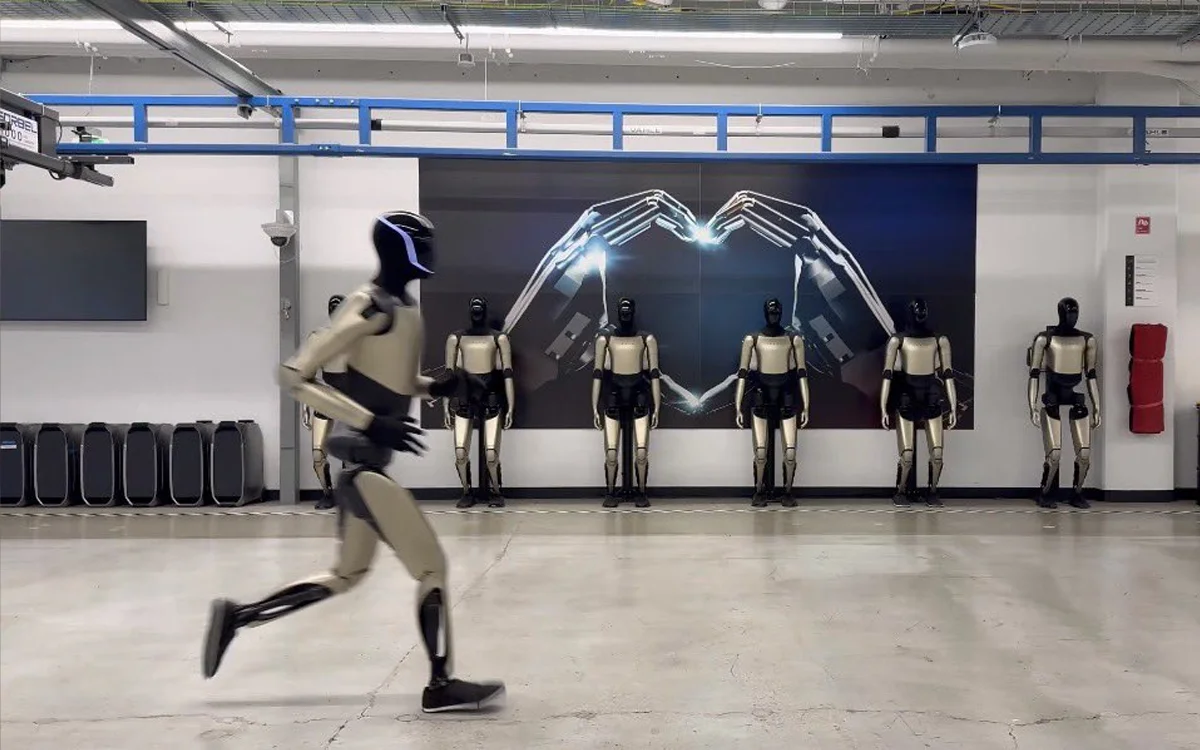
“A robot demo is always the very best demo they could show you,” said Alan Fern, an AI and robotics expert at Oregon State University.
He also told Business Insider that when you see a humanoid robot performing kung fu, it may look like it’s doing something intelligent, but that isn’t really the case.
“It’s just reacting to its environment. There is not a cognitive thought behind it,” he said.
The Model S and Model X redefined electric cars
The difficulties in the robotics industry makes the apparent sunset of the Model S and Model X all the more perplexing.
When the Model S launched in 2012, it redefined expectations for electric cars.
With its instant torque and supercar-rivaling acceleration, it proved EVs could be both practical and thrilling.
The Model X followed in 2015, bringing similar performance in a larger package, complete with its headline-grabbing Falcon Wing doors.
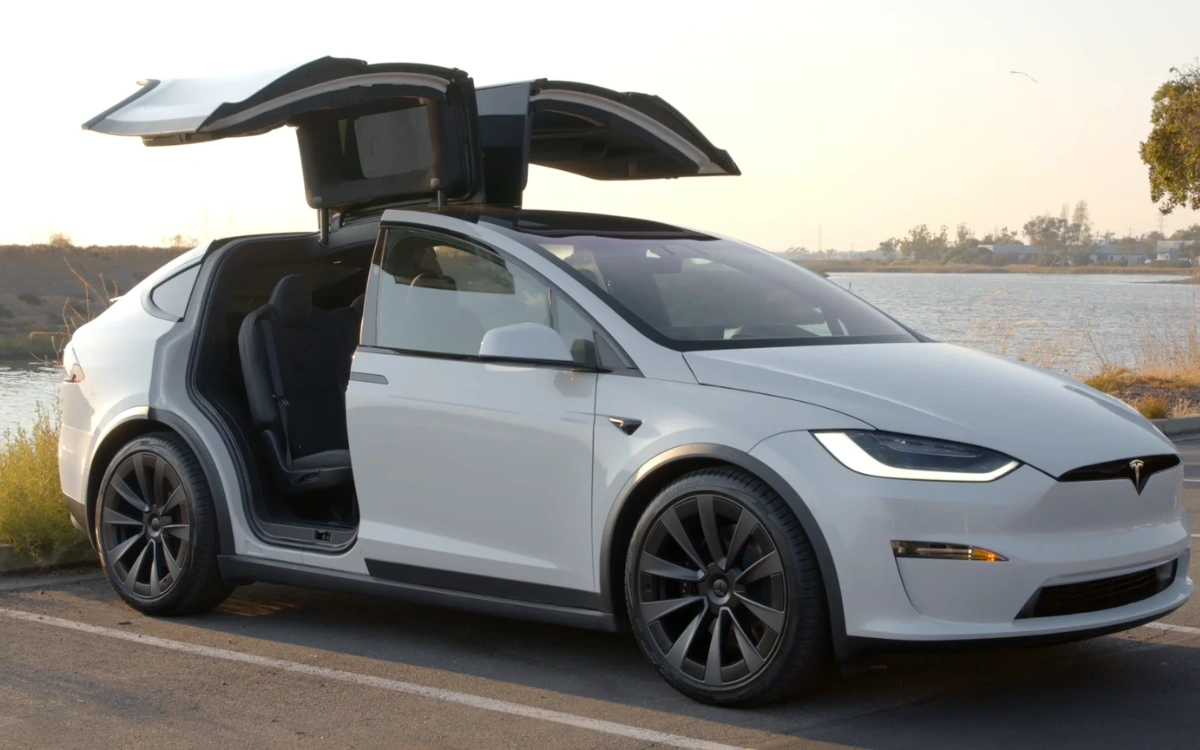
Together, the two models helped legitimize electric vehicles in the eyes of mainstream buyers and forced legacy automakers to take the segment seriously.
While both the Model S and Model X were revolutionary in their heyday, competition caught up over time.
Rivals like the Lucid Air and Porsche Taycan pushed the boundaries of performance EVs, while family-focused options such as the Rivian R1S and Hyundai Ioniq 9 expanded the market.
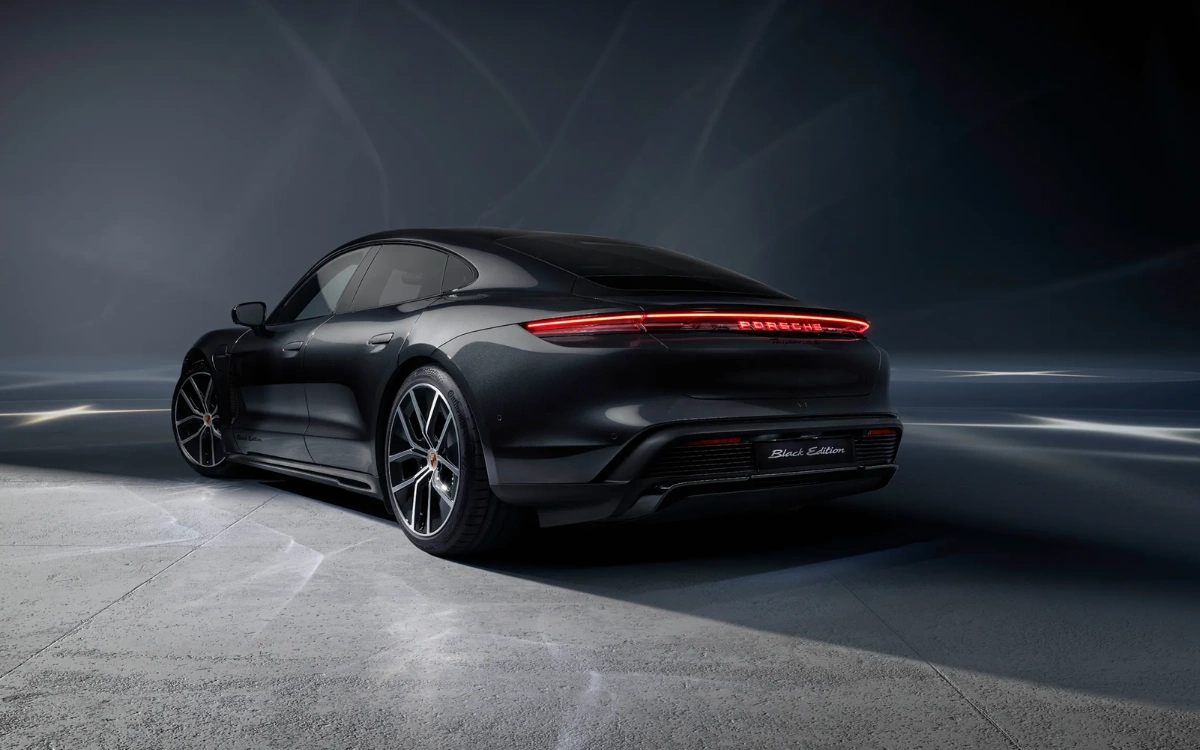
Even so, the Model S and Model X remained symbols of Tesla’s early dominance, continuing to offer cutting-edge tech and impressive range deep into their lifecycle.
Now, as production winds down, Tesla is taking a sizeable risk by reallocating resources towards its next chapter.
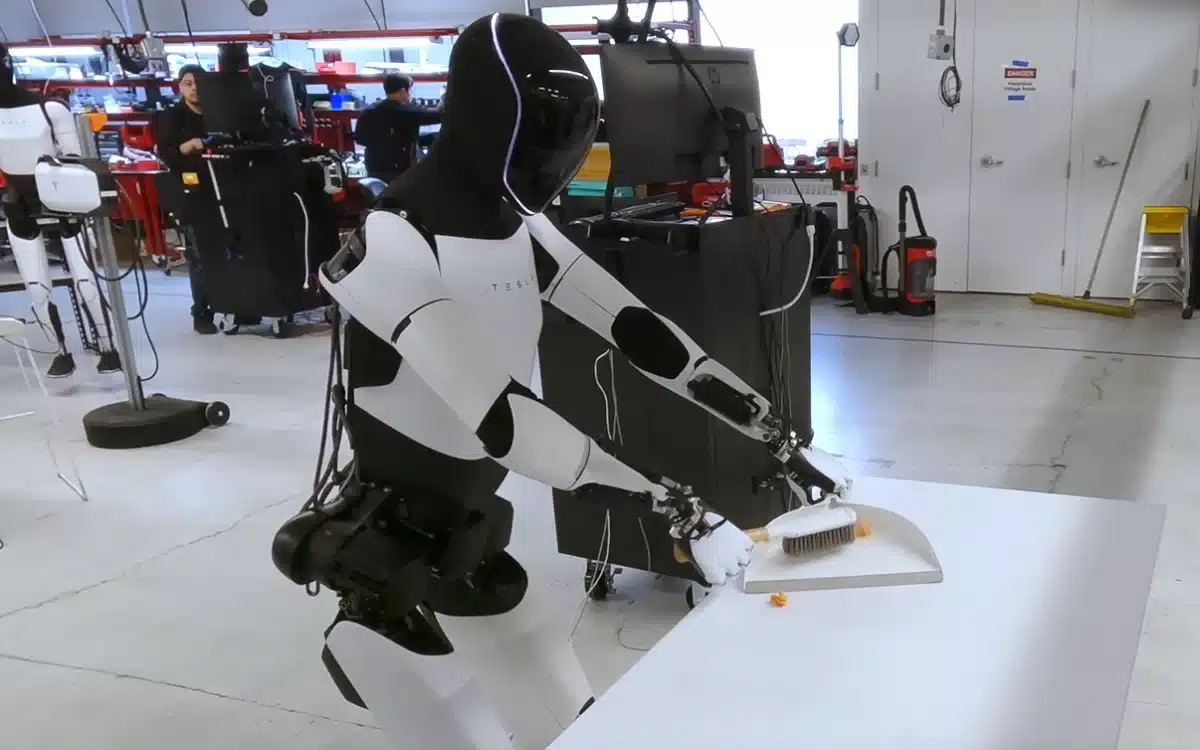
The Cybercab is expected to enter mass production soon, while newer iterations of Optimus are slated for further development through 2026.
If you’re hoping to get a good deal on the outgoing models, you might be disappointed.
Pricing remains firmly in premium territory, with the Model S starting just under $95,000 and the Model X just under $100,000, before adding the high-performance Plaid variants.
However, this might be the final opportunity for fans of the brand to get their hands on either of these vehicles, so demand might still be healthy.
Whether this pans out to be a good decision for Tesla and Elon Musk remains to be seen, but so far, the world’s richest man hasn’t been shy about taking risks.
DISCOVER SBX CARS: The global premium car auction platform powered by Supercar Blondie