UK launches investigation into its 700 Chinese electric buses after startling discovery made about them in Norway
Published on Nov 10, 2025 at 9:00 AM (UTC-5)
by Alessandro Renesis
Last updated on Nov 11, 2025 at 3:50 AM (UTC-5)
Edited by
Kate Bain
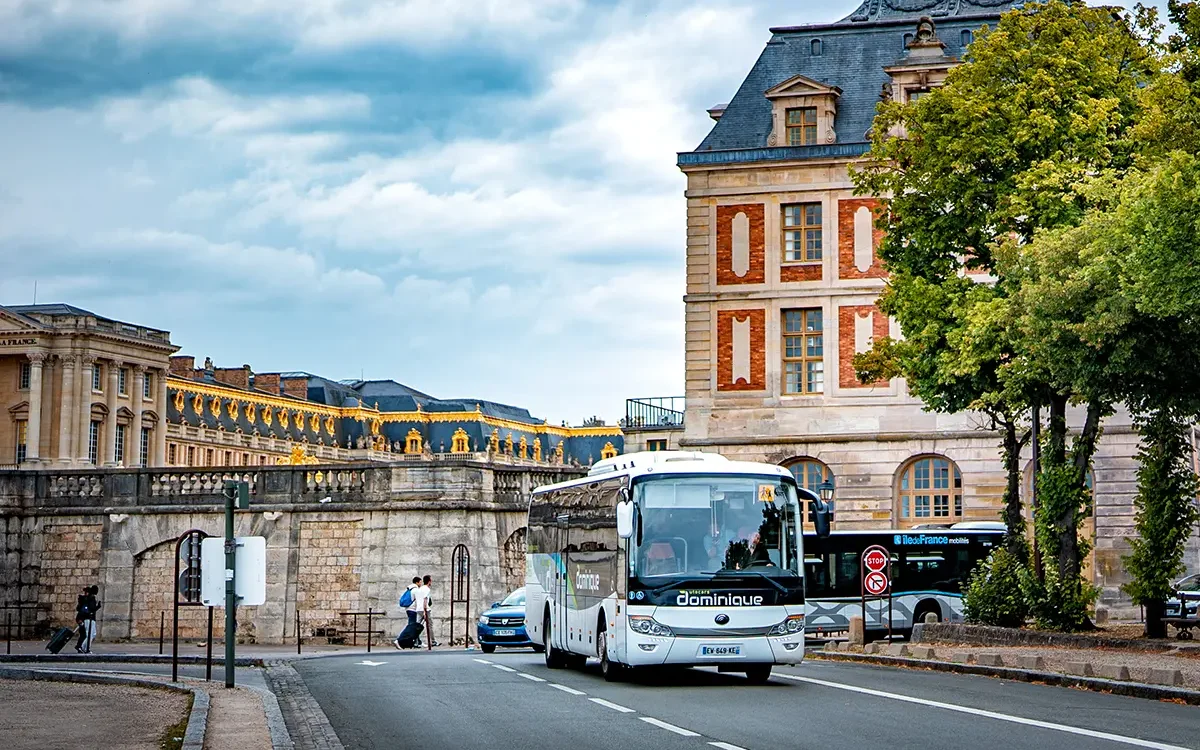

The UK is launching an investigation after a shocking discovery was made about the new Chinese electric buses that are being used in several major cities across the world.
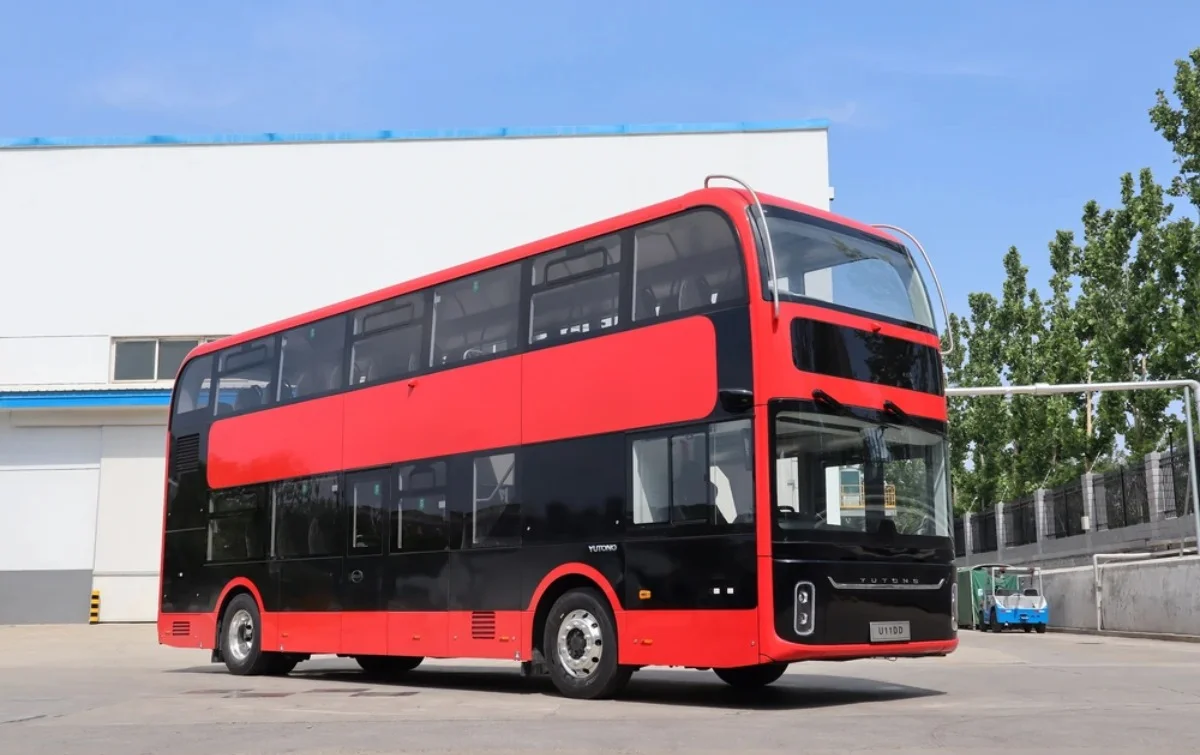
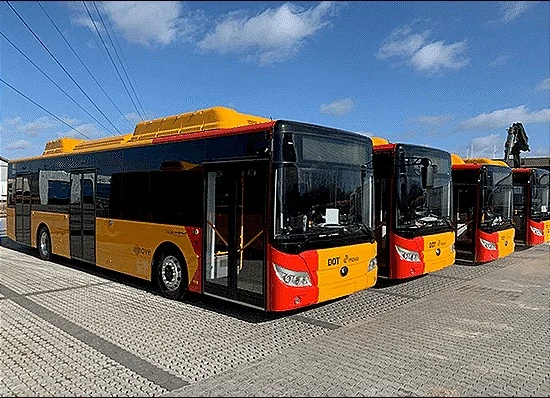
The buses are also used in Norway, where authorities discovered a major security issue with the Yutong-made buses.
Since the issue was discovered, other major cities where the buses are in use are having to make some serious decisions.
And it’s begging an important question for the future of EVs.
DISCOVER SBX CARS: The global premium car auction platform powered by Supercar Blondie
The UK, Denmark and Norway face problem with electric buses
The UK went into panic mode after realizing the 700 Chinese electric buses that are currently being used in the country are fitted with something that’s basically equivalent to a remote kill switch.
Through the same technology as over-the-air software updates, these Chinese buses could be accessed remotely from the manufacturer’s HQ in China.
Effectively, Yutong could shut the entire fleet down in seconds through the remote chip.
It means the entire bus network could be brought to a standstill without any notice.
Norway and Denmark faced the same issue.
All three countries are having to make some big decisions, and none of the options sound cheap.
They can get rid of these buses, which would be costly, or they can hire top engineers to tear these buses apart and maybe build them back up replacing these chips with new chips they have full control over.
And that’s probably even more expensive.
A Yutong spokesperson told The Guardian that it ‘strictly complies with the applicable laws, regulations, and industry standards’.
“This data is used solely for vehicle-related maintenance, optimisation, and improvement to meet customers’ after-sales service needs. No one is allowed to access or view this data without customer authorization,” they said.
What does this mean for the future of EVs?
People tend to either forget or pretend to forget that anything software-related tends to be heavily centralized.
Not long ago, Xiaomi made headlines after people realized the company could remotely ‘detune’ the SU7 sedan to make it less powerful.
We can talk about whether companies should do that, but fact of the matter – the key takeaway here – is that, broadly speaking, they can.
As in, they have the power to do so even if they say they won’t.
If the vehicle is compatible with OTA (over-the-air) updates – and most modern EVs are – than it can be controlled remotely by the company.
At least to a certain extent.
Solutions?
It’s probably too late to go back to non-OTA vehicles so one possible solution is to keep everything in-house.
Translated, if you’re using electric buses in London, it’d be great to house the servers that run the bus fleet in the UK, or in a location you can fully access and control.
Either way, the UK, just like Norway and Denmark, has a big job ahead of it.
Alessandro is an automotive journalist with 10 years of experience covering supercars, automotive history, emerging vehicle technology, and luxury transportation. He wrote the first article published on SupercarBlondie.com when the website launched in 2022 and has since built a reputation for insightful reporting across the automotive and transportation industries. His expertise is grounded in hands-on experience. Alessandro has driven every Tesla model ever produced, from the original Roadster to the Cybertruck, and regularly covers the latest developments in electric vehicles and automotive innovation. His passion for transportation extends beyond cars, he has even flown a Boeing 787 Dreamliner simulator in Addis Ababa, Ethiopia. His reporting spans everything from classic American muscle cars and rare automotive discoveries to luxury yachts, private aircraft, high-end watches, and cutting-edge vehicle technology. Known for his deep knowledge of automotive history and ability to uncover the stories behind iconic vehicles, Alessandro brings readers a blend of historical context, technical expertise, and first-hand experience.