Chinese carmaker XPeng shows off its AI-powered parking system which will have your car park itself even in tight spaces
Published on Aug 29, 2026 at 10:13 PM (UTC-4)
by Ben Thompson
Last updated on Aug 29, 2026 at 10:13 PM (UTC-4)
Edited by
Mason Jones
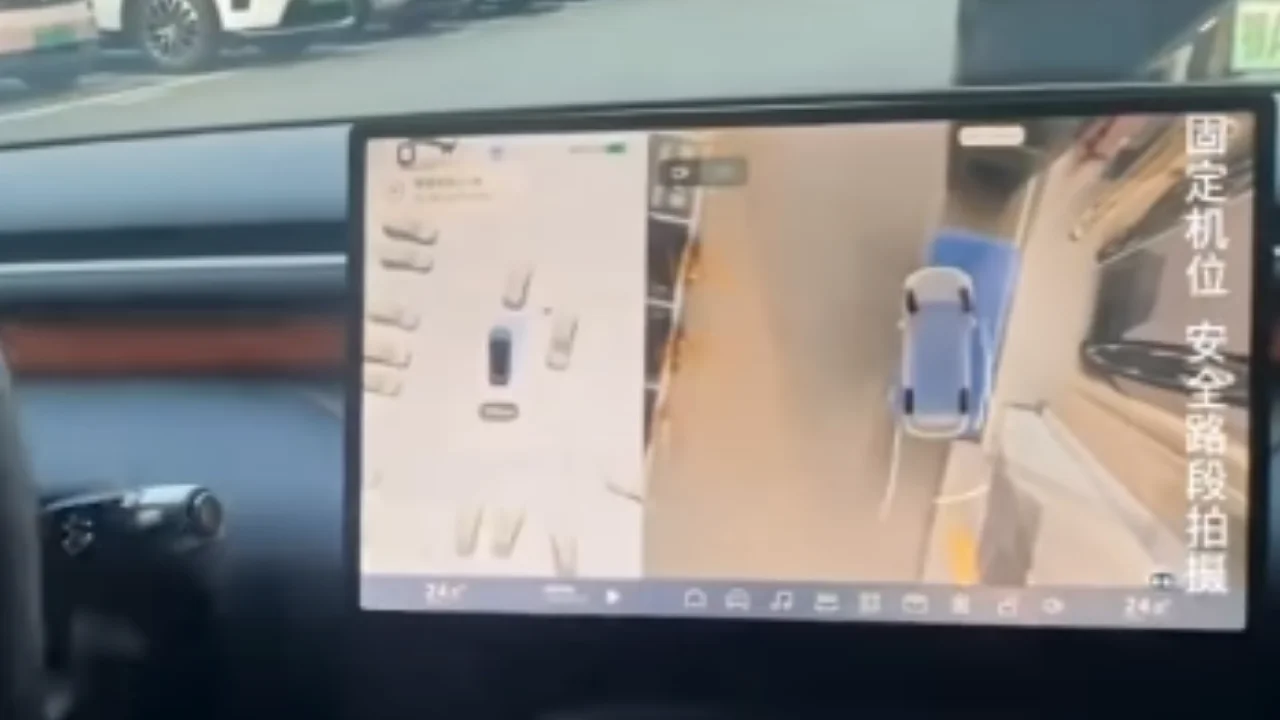

Chinese carmaker XPeng has developed an AI-powered parking system which enables a car to park itself – even in the tightest of parking spots.
A clip of the parking system in action has made its way online to be met with adulation and praise.
For many, this was yet another sign that Chinese cars were on another level.
But then there were some who weren’t as convinced about this tech.
Chinese cars are making their mark
In years gone by, certain countries would have held status as the top dogs when it comes to car production.
Whether it was the US or Germany or Japan, one country was usually at the top of the pecking order.
But in recent years, China has had a meteoric rise in terms of automotive output.
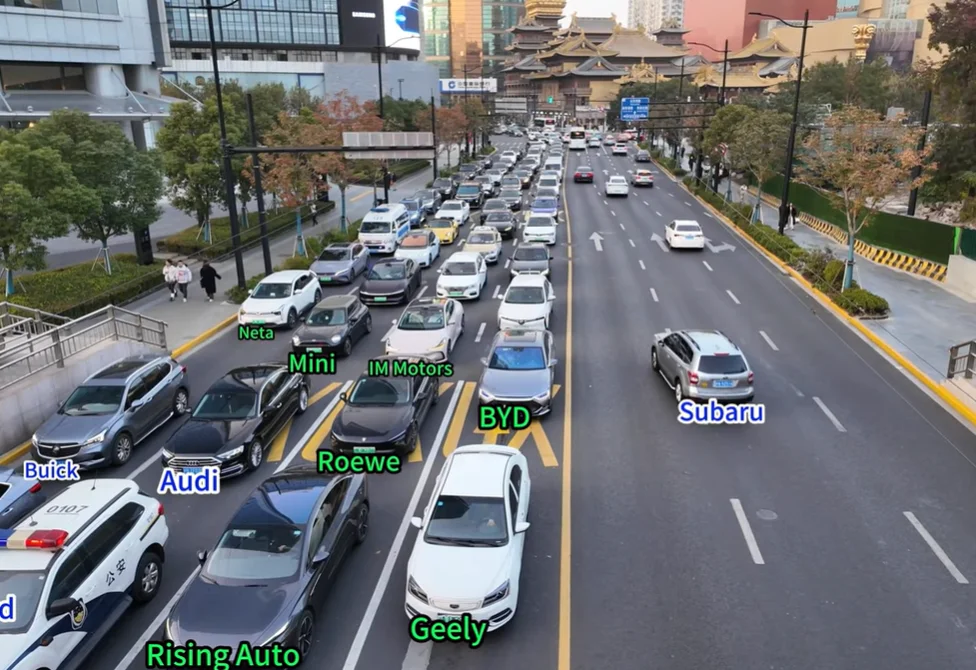
Whether it’s replicating classic 1950s American cars or beating BMWs and Audis in suspension tests, these cars from the east are making a big impression in a multitude of ways.
BYD has been particularly noteworthy, outselling Tesla in several markets around the world.
But it’s not just in the outer packaging of the cars themselves that the country is impressing.
It’s the technology within them that has is generating a lot of buzz.
Related
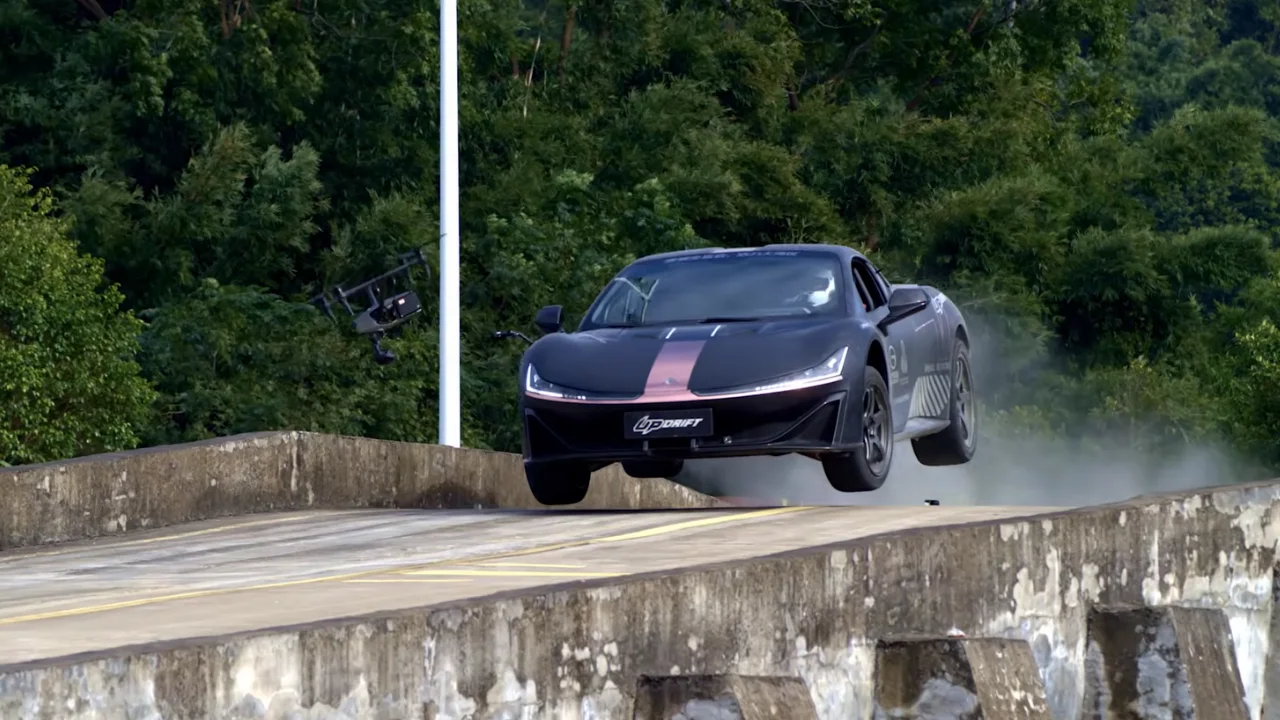
XPeng has developed an AI-powered parking system
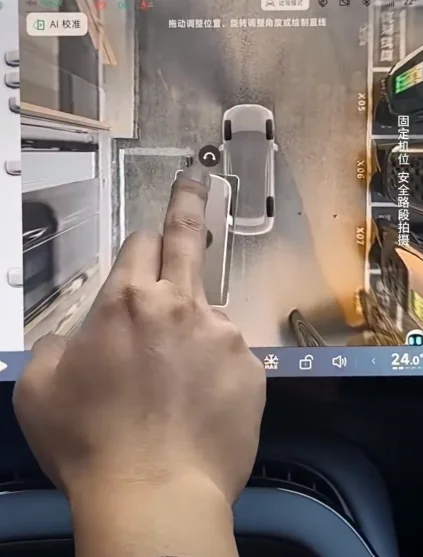
In a clip shared to X, XPeng’s AI-powered parking system was put on full display.
Now, let’s face it – very few people enjoy the prospect of parking their cars, especially into tight spaces.
It’s nerve-wracking, it’s stressful, and it can cost you a pretty penny if you get it wrong and scratch your car.
So for those people, this would be a godsend.
On a screen, you would mark where you want the car to go, and the system kicks in to handle the rest.
People online were divided about this technology.
For some, this was the greatest thing since sliced bread.
“AI + Cars = Next level technology,” one admirer wrote.
Flame emojis were also posted, which is essentially the internet’s stamp of approval at this point.
But for others, this wasn’t anything to be impressed about.
“How about using our brains and learning to drive before owning a car?” one critic said.
“I prefer to drive my own car personally,” another remarked.
Well, as the saying often goes, you can’t please all of the people all of the time.
Timeline of China’s Automotive Industry
1953: First Automotive Works (FAW) is established in Changchun with Soviet assistance, marking the origin of China’s domestic auto industry.
1956 – 1958: FAW produces the Jiefang CA10 truck (1956), followed by the Dongfeng CA71 and Hongqi CA72 sedans (1958), China’s first domestic passenger cars.
1979: China allows foreign automakers to partner 50/50 with state-owned firms to transfer manufacturing technology.
1983 – 1984: Beijing Jeep and Shanghai Volkswagen enter the market, establishing modern production lines.
1997: Geely and Chery are founded, leading the way for domestic automakers.
2001: The Ministry of Science and Technology launches the “863 EV Project,” treating electric vehicles as a strategic priority to leapfrog Western internal combustion engine dominance.
2008: China officially overtakes the US to become the world’s largest auto producer.
2009 – 2010: China initiates large-scale subsdiies for ‘New Energy Vehicles’ (EVs and PHEVs).
2014 – 2015: A new wave of EV startups form, including Li Auto.
2021 – 2022: Domestic brands surpass foreign joint ventures in market share within China. BYD halts production of ICE vehicles to focus solely on EVs.
2023: China becomes the world’s largest automobile exporter.
Ben joined Supercar Blondie in February 2025 after being published by international organizations including LADbible, The Sun, the New York Post, and the Daily Mail. He covers supercars, rare and collectible vehicles, aviation, luxury assets, and the fascinating people behind them. His reporting has explored everything from seven-figure supercars and historic Ferrari collections to unusual aircraft adventures and extraordinary automotive discoveries from around the world. Ben has also gained first-hand insight into vehicle craftsmanship and customization, including visiting specialist workshops to see bespoke vehicles up close.