US man investigates Tesla's new Austin assembly line to see if it will meet goal to build a car every 5 seconds
Published on Jul 05, 2026 at 10:07 PM (UTC+4)
by Ben Thompson
Last updated on Jul 05, 2026 at 10:07 PM (UTC+4)
Edited by
Kate Bain

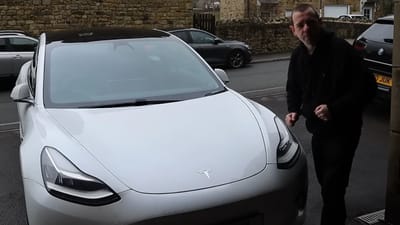
This American man did an investigation into Tesla’s new Austin assembly line to see if it was meeting its goal of building a car every five seconds.
Some may call this goal ambitious, while others may say it’s unrealistic.
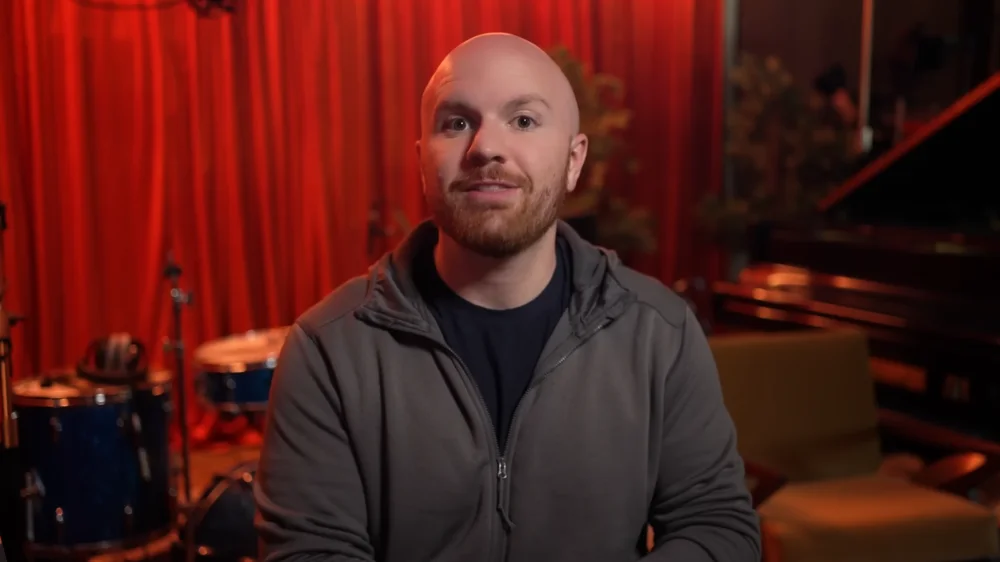
Whatever the case may be, YouTuber Ryan Shaw wanted to see if it could be done.
So he did a deep dive to crunch the numbers and see what was plausible.
Why Tesla’s pushing itself so hard to build a car every five seconds
Ryan Shaw’s content covers Tesla and Tech, so he’s in a perfect position to assess whether Tesla’s new target is reasonable.
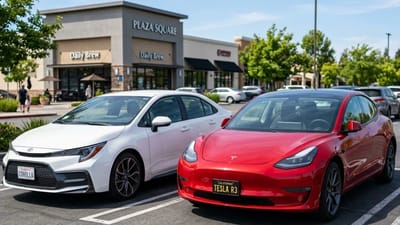
As it currently stands, Tesla’s production capacity of more than 2.25 million vehicles is spread across four factories – Shanghai, Freemont, Berlin, and Austin.
If all four factories were working at capacity, the company would be producing a car every 14 seconds on a global scale.
However, due to fluctuations in demand and battery pack capacity, it was more like one car every 19 seconds in 2025.
If Tesla wanted to achieve its future goal of one car every five seconds, it would need to quadruple its output.
Could that be done?
Was it possible to build a car every five seconds?
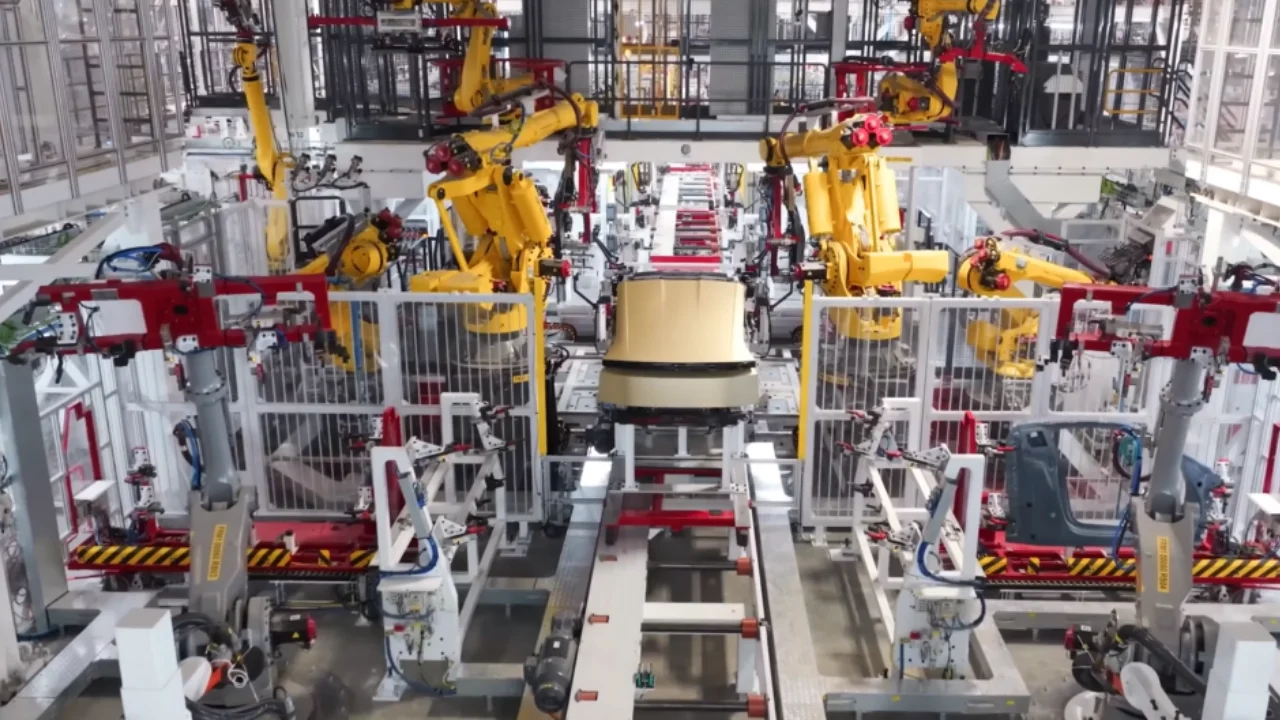
In order to boost its speed limits, Tesla’s doing away with the traditional assembly line in favor of the ‘Unboxed Process’ at its Austin factory.
What is the Unboxed Process?
“It splits the car into large subassemblies,” Shaw explained.
“The front, the rear, the sides, and the floor each get built in parallel as open modules with people and robots work on every surface at once instead of crawling in and out of a closed body,” he said.
“And then one final marriage step snaps everything together into a finished vehicle.”
This has several benefits – allowing more people and robots to work on a vehicle at the same time, reducing assembly footprint by 40 percent, and cutting production costs in half.
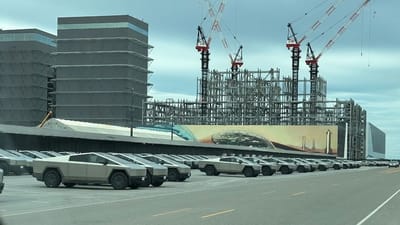
And all of this is going down at Giga Texas, currently the only factory running the Unboxed Process assembly line.
It all sounds very promising, but would this get Tesla to its stated goal?
The reality of Tesla’s situation
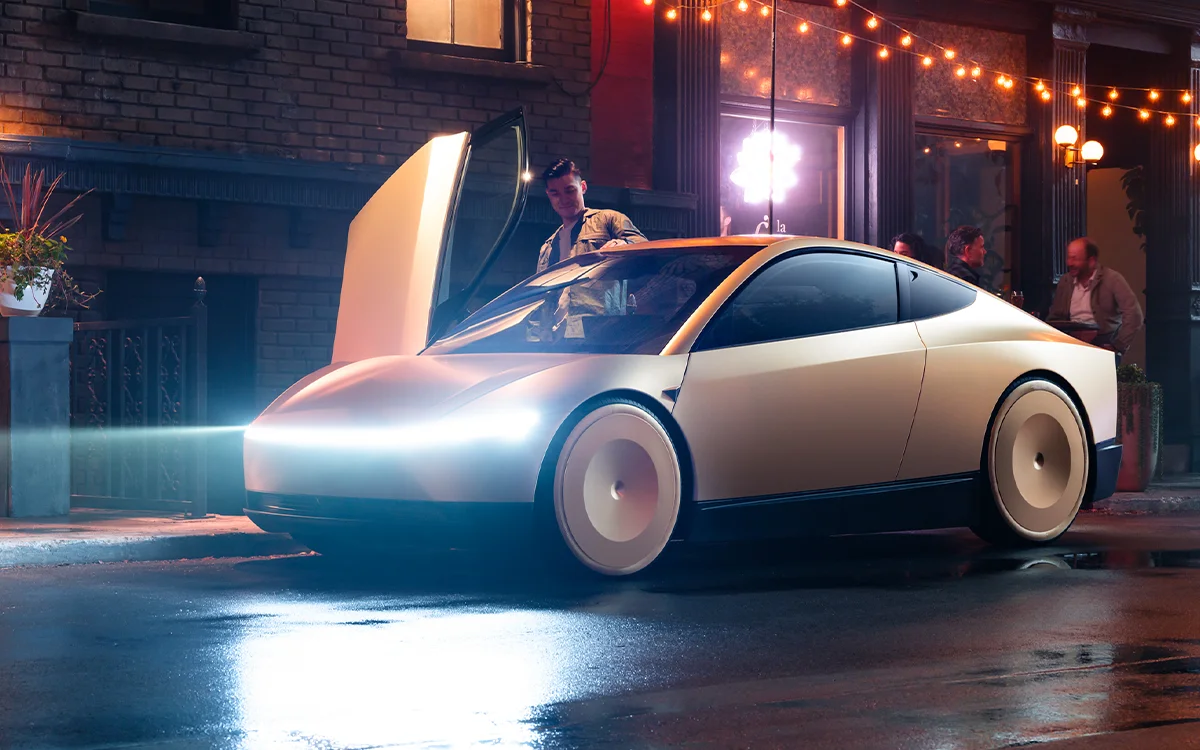
Elon Musk claimed the Unboxed process was currently resulting in one Cybercab every 10 seconds across all factories, and said a few years of ramping would bump this up to one every five seconds.
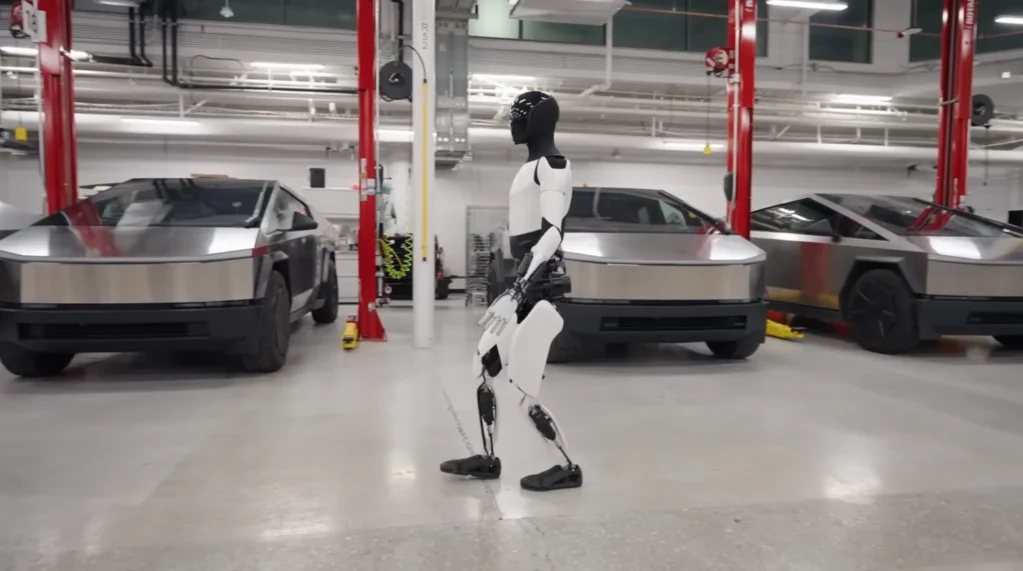
Multiple strategies would need to be rolled out to get to this lofty target – introducing a robot workforce to run the lines around the clock, and opening up another factory, for example.

And then there’s the biggest catch of all – battery cell production.
Unless the automaker scales its battery manufacturing to provide enough power packs, all else won’t matter.
Evidently, there’s a lot of work that needs to be done.
Tesla innovations by year
2008: First Roadster delivery marks Tesla’s entry into mass EV production
2012: Model S premieres with revolutionary long-range battery tech
2014: Autopilot hardware introduced in all new Tesla vehicles
2016: Model X becomes the first electric SUV with Falcon-wing doors
2017: Semi and Roadster 2.0 revealed—shockwaves across automotive industry
2019: Cybertruck announcement draws global attention
2022: Tesla introduces Full Self-Driving (Beta) to a wider audience
Ben joined Supercar Blondie in February 2025 after being published by international organizations including LADbible, The Sun, the New York Post, and the Daily Mail. He covers supercars, rare and collectible vehicles, aviation, luxury assets, and the fascinating people behind them. His reporting has explored everything from seven-figure supercars and historic Ferrari collections to unusual aircraft adventures and extraordinary automotive discoveries from around the world. Ben has also gained first-hand insight into vehicle craftsmanship and customization, including visiting specialist workshops to see bespoke vehicles up close.