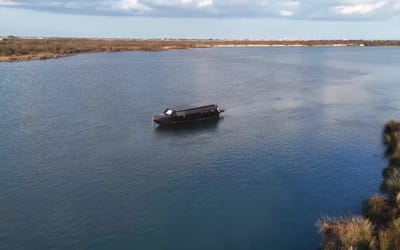
Stepping inside a vintage seaplane from 1943 is like having a time machine and traveling back to the 1940s
Published on Apr 06, 2026 at 6:28 AM (UTC+4)
by Callum Tokody
Last updated on Apr 02, 2026 at 2:08 PM (UTC+4)
Edited by
Emma Matthews

Stepping inside this 1943 Consolidated PBY Catalina seaplane reveals the gritty reality of 1940s aviation and the endurance of a true patrol aircraft.
The cabin smelled of oil and aged metal, reflecting an era when crews spent 20 hours straight monitoring the empty horizons of the Pacific.
These machines did not rely on speed to survive, using a heavy boat hull design to stay airworthy in environments that would destroy most modern planes.
The physical layout of the flight deck revealed the manual effort required to keep this massive aircraft in the sky during its most dangerous missions.
Click the star icon next to supercarblondie.com in Google Search to stay ahead of the curve on the latest and greatest supercars, hypercars, and ground-breaking technology
The heavy metal geometry of this seaplane
The PBY Catalina functioned because it ignored the traditional rules of aircraft design.
Instead of a standard fuselage, the seaplane used a reinforced hull that allowed it to sit in the water like a ship.
This specific seaplane carried fuel in its wings to keep it away from the crew in case of a fire.
Most missions for this patrol aircraft involved slow, steady flights over convoys to spot submarines.
The PBY Catalina moved at a modest 117mph, which felt even slower during a long shift over the ocean.
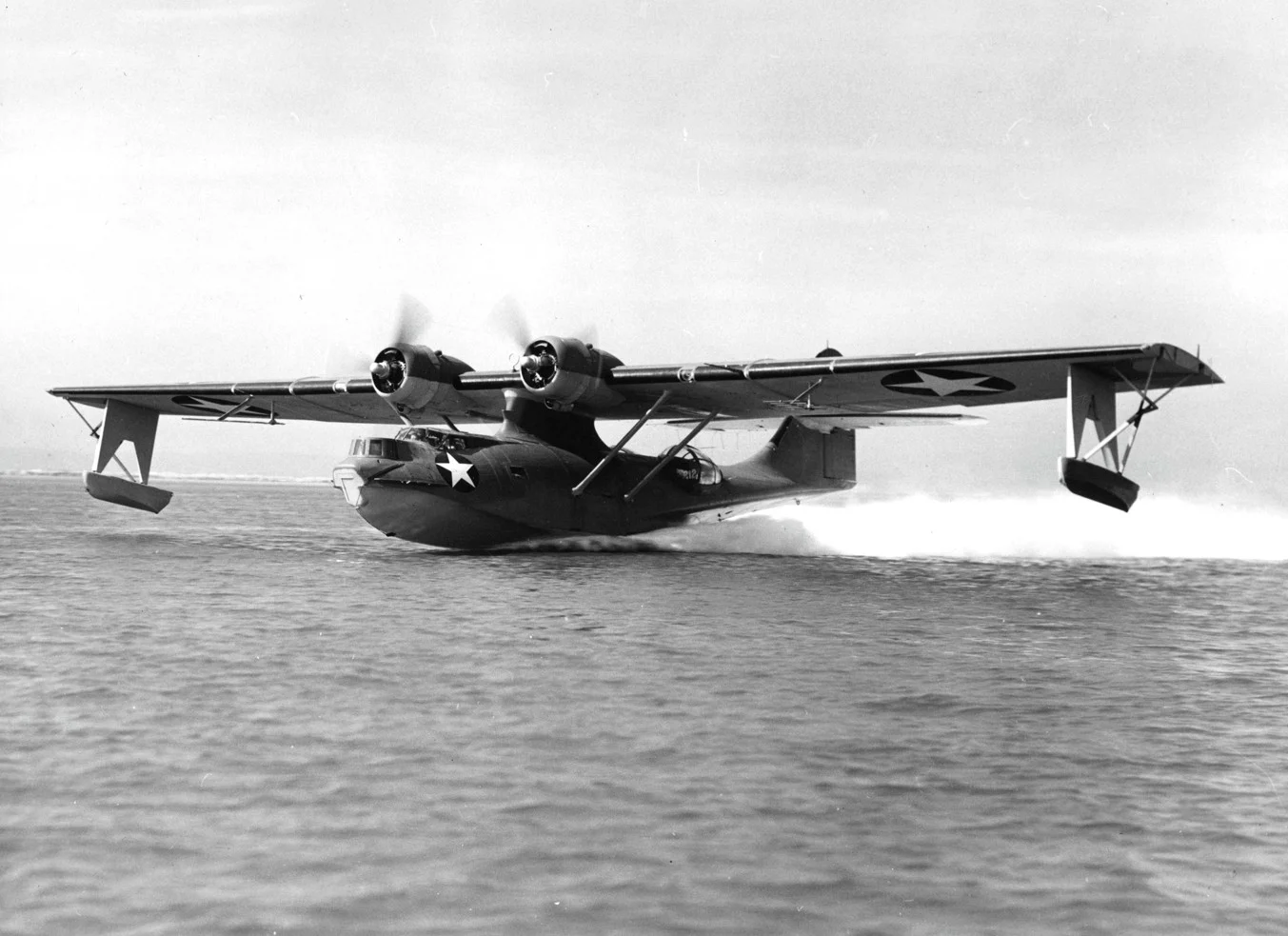
Pilots physically wrestled with the controls of the seaplane because there were no power steering systems in 1940. Every movement required constant attention to the wind and the waves.
The crew lived in cramped quarters near the back of the plane, surrounded by radio gear and emergency supplies.
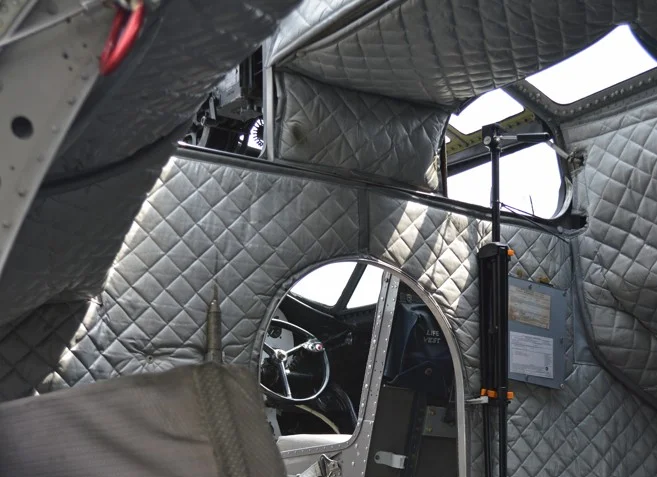
Large glass blisters on the side of the craft gave observers a clear view of the water below.
This patrol aircraft became a lifeline for pilots who crashed at sea, as it could land in rough swells to pick up survivors and then take off again.
Thousands of people owe their lives to the durability of the 1943 Consolidated PBY Catalina.
After the war, many versions of the plane found work as water bombers for fighting forest fires.
Surviving the brutal era of patrol aircraft
Owning a 1943 Consolidated PBY Catalina today is a massive logistical project for any museum.
Parts for this seaplane are difficult to find and often require custom manufacturing to meet safety rules.
In addition, mechanics who understand 1940s aviation engines are becoming increasingly rare.
Which is why, these days, most people see the plane at major airshows where it performs low flyovers for the crowd.
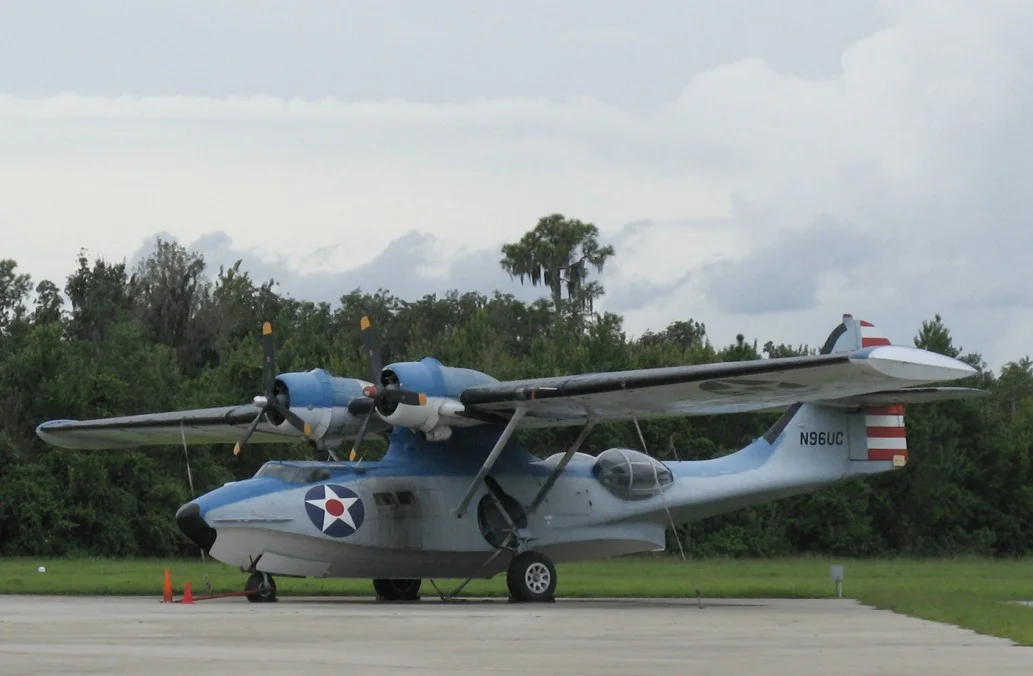
This patrol aircraft remains a favorite because it looks unlike anything else in the sky.
The sheer size of the seaplane makes it a dominant presence on any runway or harbor.
Historians study the Catalina to understand how maritime strategy changed during the war.
Each seaplane serves as a record of the industrial effort required to build thousands of long-range planes.
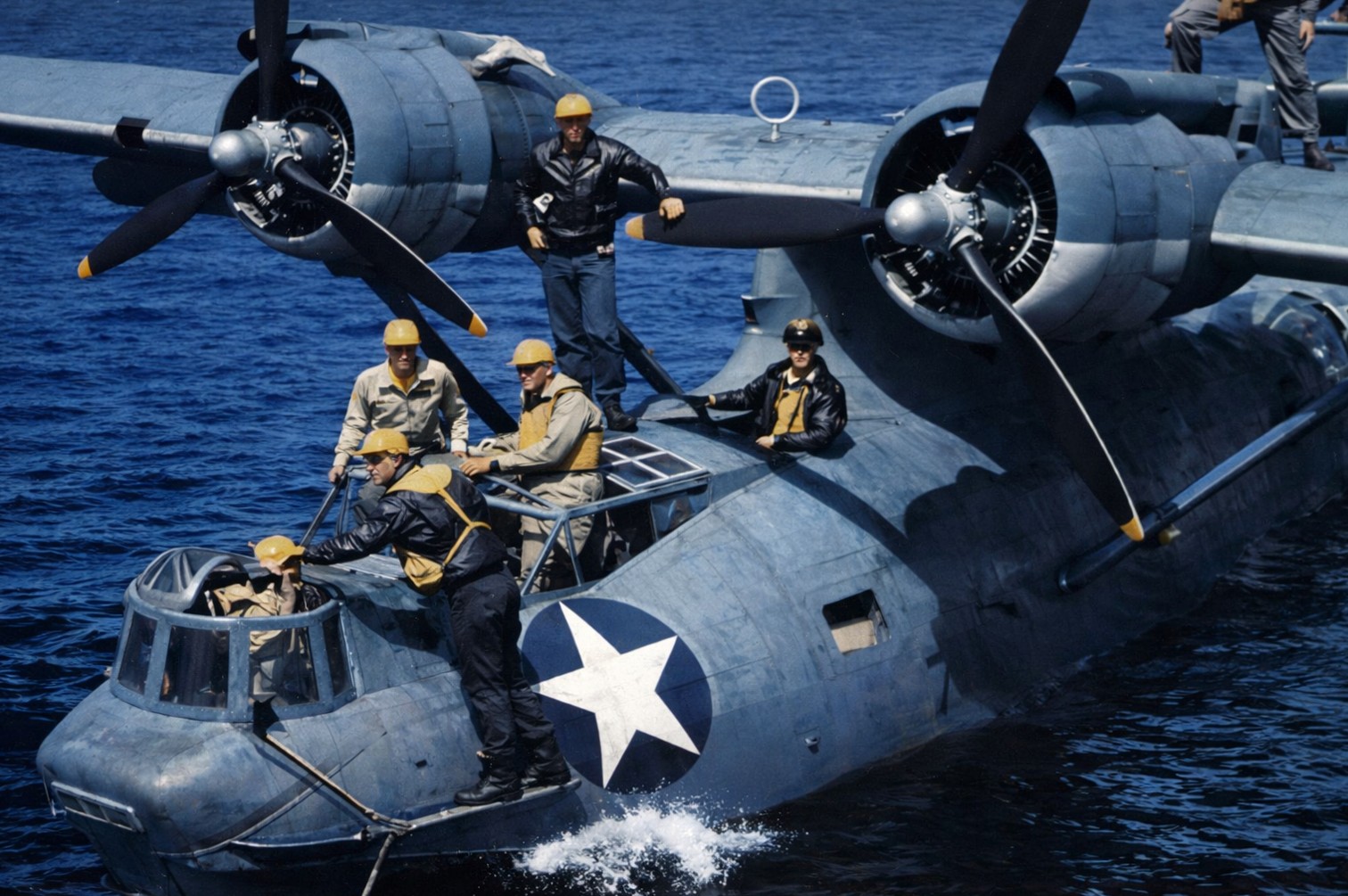
The Catalina survived because it was built to be simple and tough.
Modern pilots who fly the seaplane describe it as a heavy and honest machine.
The seaplane continues to fly as a testament to the crews who spent days at a time in its metal shell, meaning that this patrol aircraft is a living piece of history that refuses to stay on the ground.
DISCOVER SBX CARS: The global premium car auction platform powered by Supercar Blondie