A Tesla Model X was put to the test on the world's hottest day in Death Valley, California to see if it could still perform
- This YouTuber put his Tesla Model X to the test on the world’s hottest day
- He also decided to drive to the world’s hottest place-Death Valley, California
- How does his car’s battery handle the extreme heat?
Published on Feb 06, 2025 at 1:03 PM (UTC-5)
by Daisy Edwards
Last updated on Feb 06, 2025 at 1:03 PM (UTC-5)
Edited by
Tom Wood
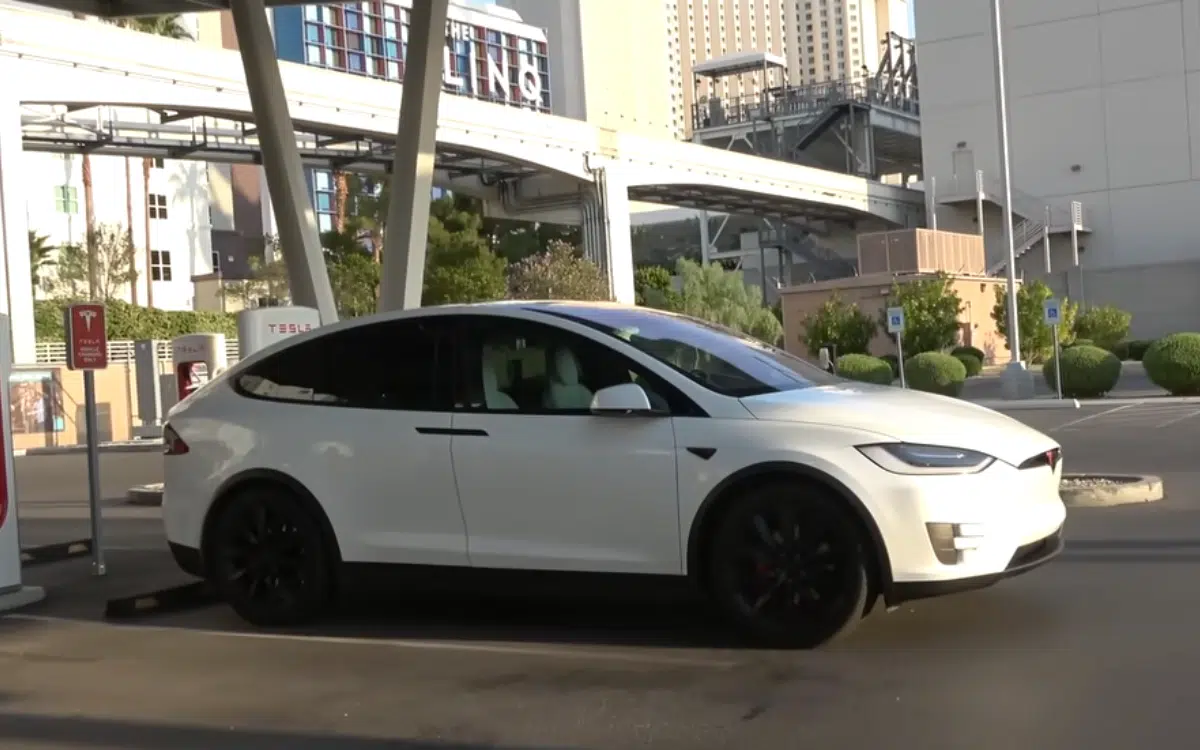

This YouTuber put his Tesla Model X to the test on the world’s hottest day.
Not only was it the hottest day, but it happened in the world’s hottest place-Death Valley.
As he approached, even at 9am in the morning the temperatures were soaring at 111°F and only getting hotter.
Can his car’s battery survive the intense heat or will it give out?
DISCOVER SBX CARS: The global premium car auction platform powered by Supercar Blondie
Can the Tesla Model X survive the world’s hottest day?
An American YouTuber went viral and attracted a lot of onlookers by putting his 2017 Tesla Model X to the test in Furnace Creek, Death Valley.
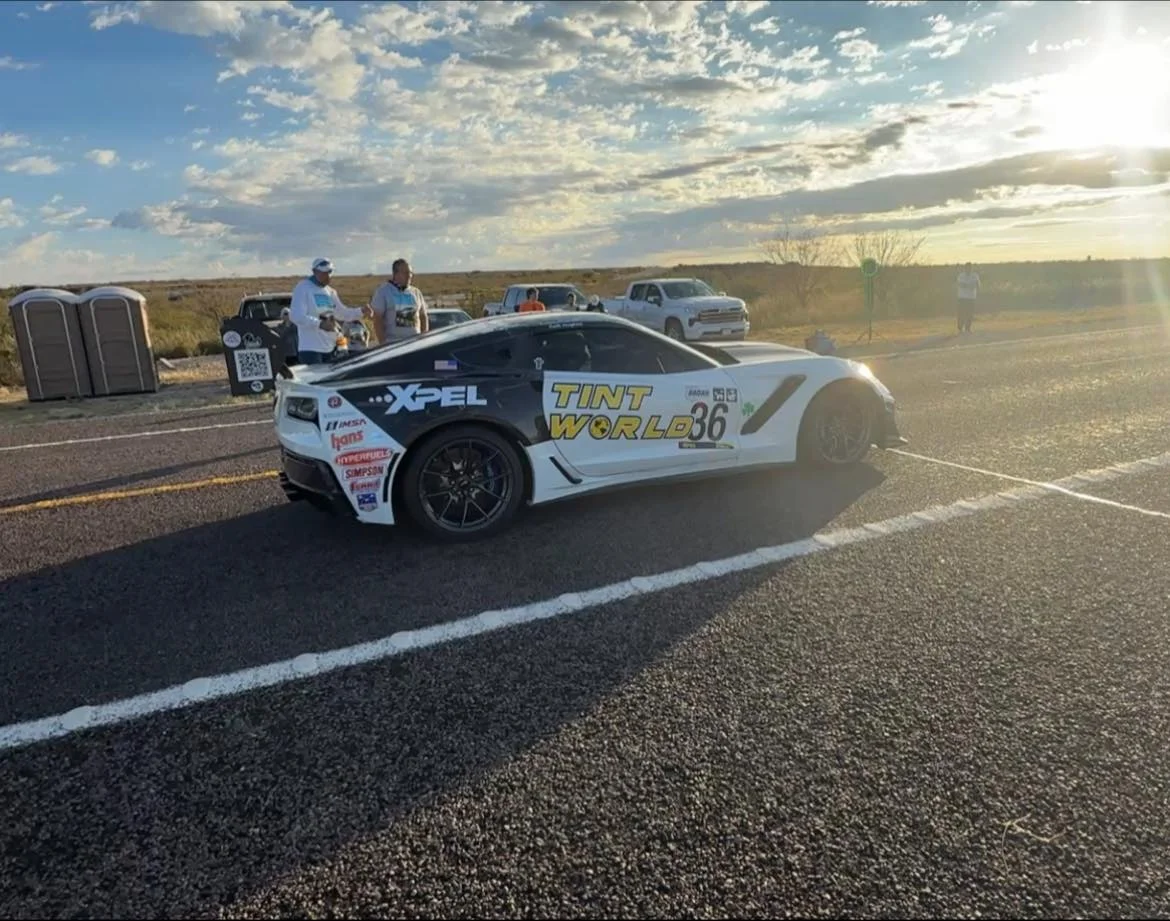
In the morning even before he reached the town, the temperature at 9am had reached 111°F, similar to the surface of Mars.
A large thermometer in Furnace Creek for visitors in the middle of the town briefly hit 137°F, marking the hottest point of the day.
The effect of the heat was not looking good for the Tesla and the battery started to show its struggle.

What were the effects of the extreme heat?
The sun was so baking hot that the Tesla‘s door handle reached 183°F, completely impossible to touch and also incredibly dangerous.
Even parked, the car’s battery stopped cooling properly and when he put his hand up into the air inside the vehicle, it felt like he was ‘in an oven’.
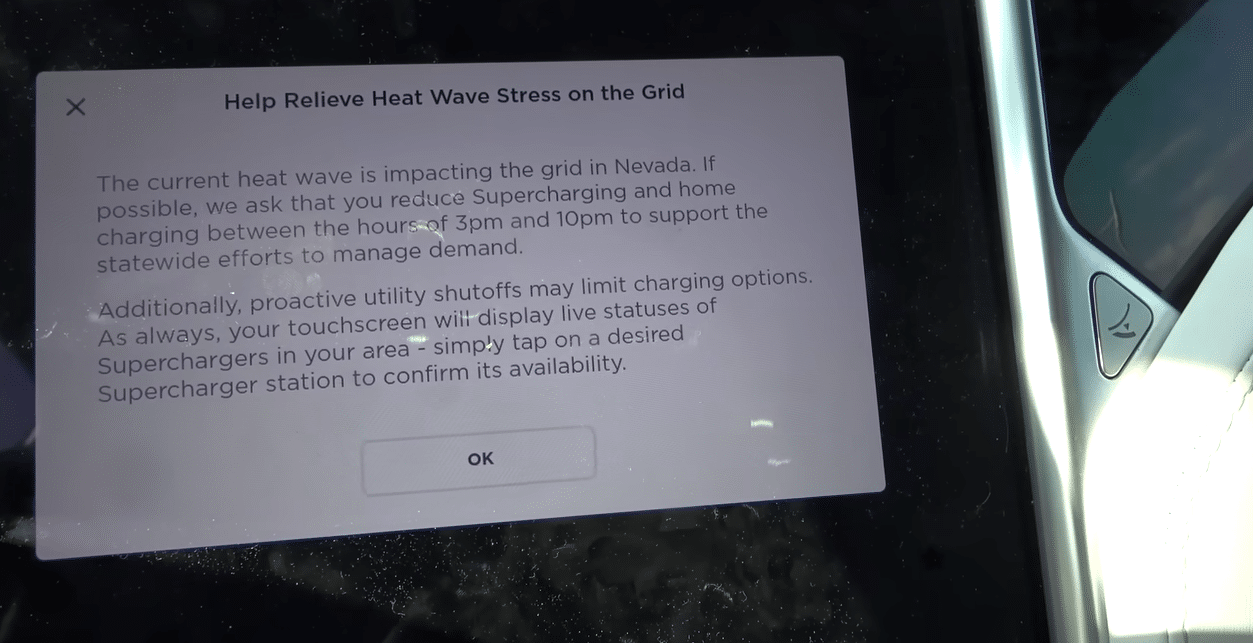
Without even moving, the battery’s range dropped from 183 miles to 169 miles and a heat wave stress alert appeared practically pleading with him to stop supercharging between 3pm and 10pm.
It’s clear that Tesla batteries survive cold conditions better than extremely hot ones, but it’s probably best to not put EVs like this through extreme temperatures too often.
Daisy is a technology and automotive journalist covering artificial intelligence, consumer tech, Apple news, cryptocurrency, emerging technologies, and transportation innovation. Since joining the team in 2025, she has reported on everything from AI-powered startups and major iOS updates to viral car stories and the latest developments shaping transportation and the digital economy. Drawing on her background in automotive journalism and a degree in History and Journalism from Goldsmiths, University of London, Daisy specializes in breaking down complex topics into clear, engaging reporting for a global audience. Her work spans cutting-edge technology, innovative vehicles, and the people driving change across both industries. Daisy has gained first-hand access to some of the world's most talked-about technologies and innovators, including meeting Tesla's Optimus humanoid robot during its first European appearance in London. She has also discussed the future of space exploration with an astronaut, bringing unique insights and real-world perspectives to her coverage of emerging technology.