Two driverless cars crashed going 155 mph on a Formula 1 track and experts explain why it might actually be a good thing
Published on Oct 05, 2026 at 5:37 AM (UTC-4)
by Alessandro Renesis
Last updated on Oct 07, 2026 at 11:14 AM (UTC-4)
Edited by
Mason Jones
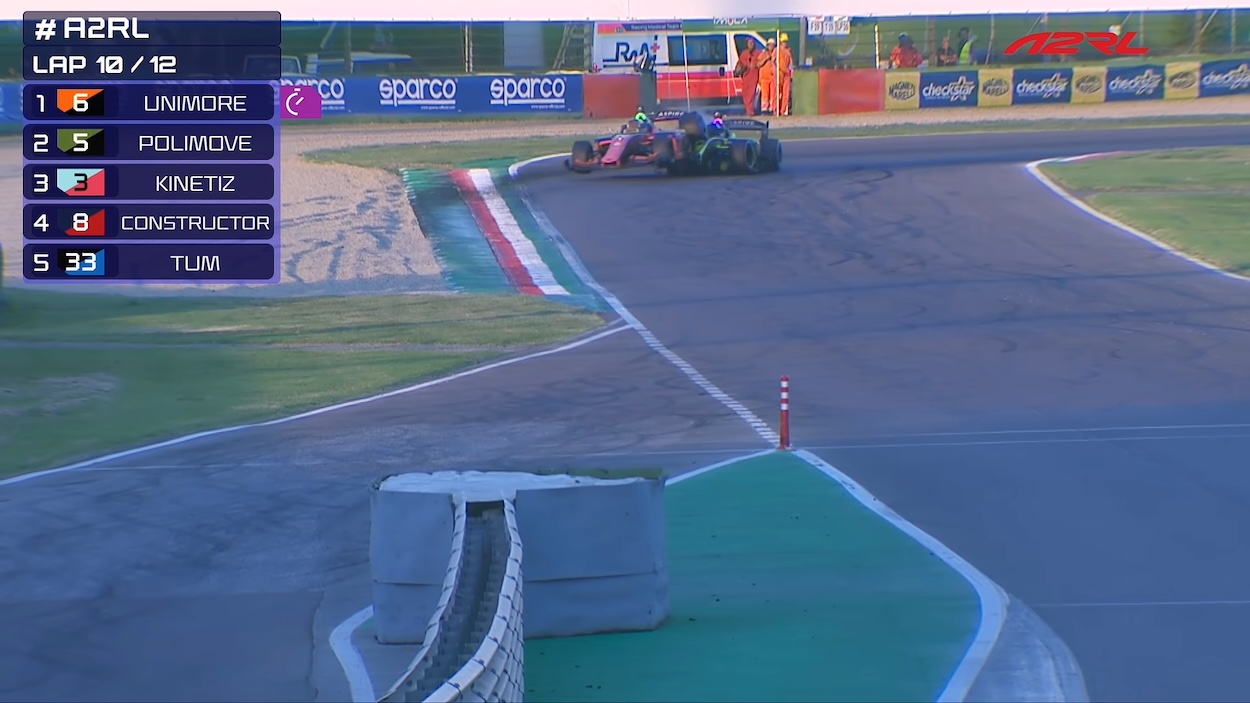

Abu Dhabi pioneered the world’s first ‘Formula 1’ for autonomous cars and now, inevitably, we have to talk about the first crash between driverless cars around a Formula 1 track.
At the Abu Dhabi Autonomous Racing League (A2RL) event held at the historic Imola circuit in Italy, autonomous race cars were put to the test on a grand scale.
Racing at around 155MPH, two driverless vehicles crashed at the famous Rivazza turn.
But there’s a reason why this can be a good thing.
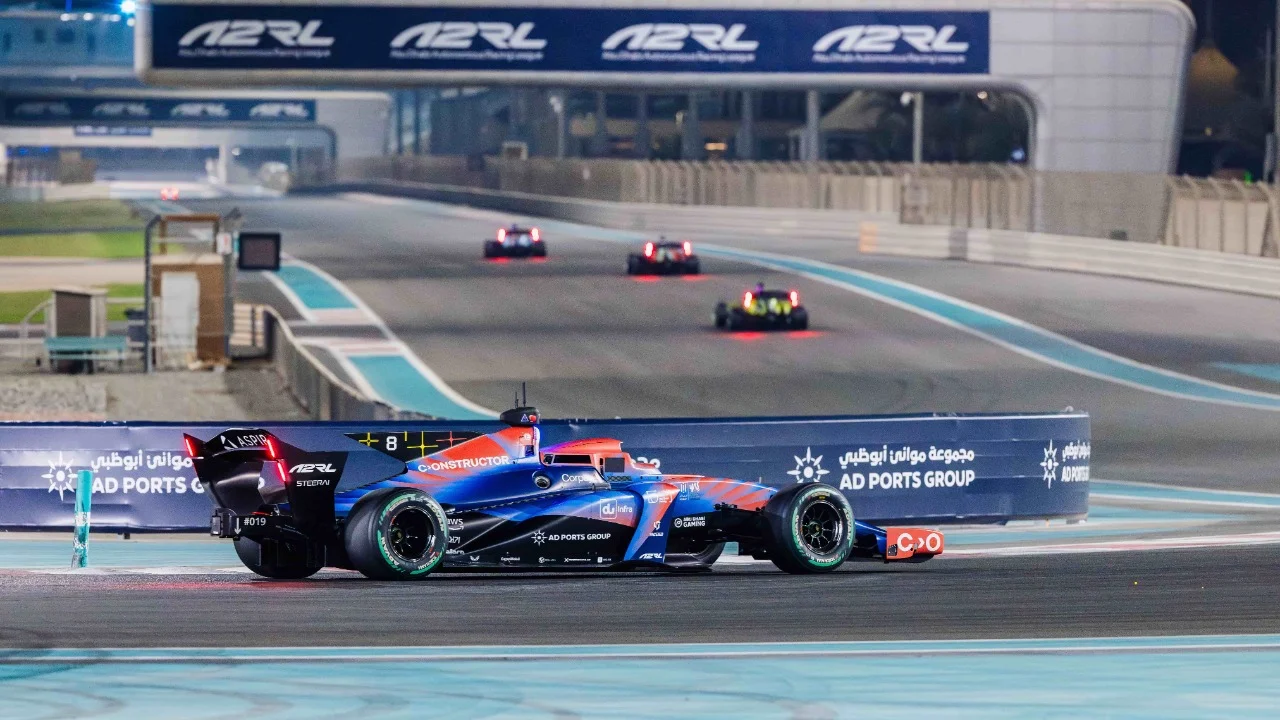
Driverless cars can race
The UAE pioneered autonomous racing with the Abu Dhabi Autonomous Racing League – or A2RL.
The premise is simple: self-driving cars race around the track, and may the best machine win.
Some people aren’t loving this, because they believe that the whole point of a race is to find the best driver.
However, others claim that cars are already 90 percent of the equation.
As in, the best driver would still finish way off the podium with a bad car.
So we might as well just race the cars.
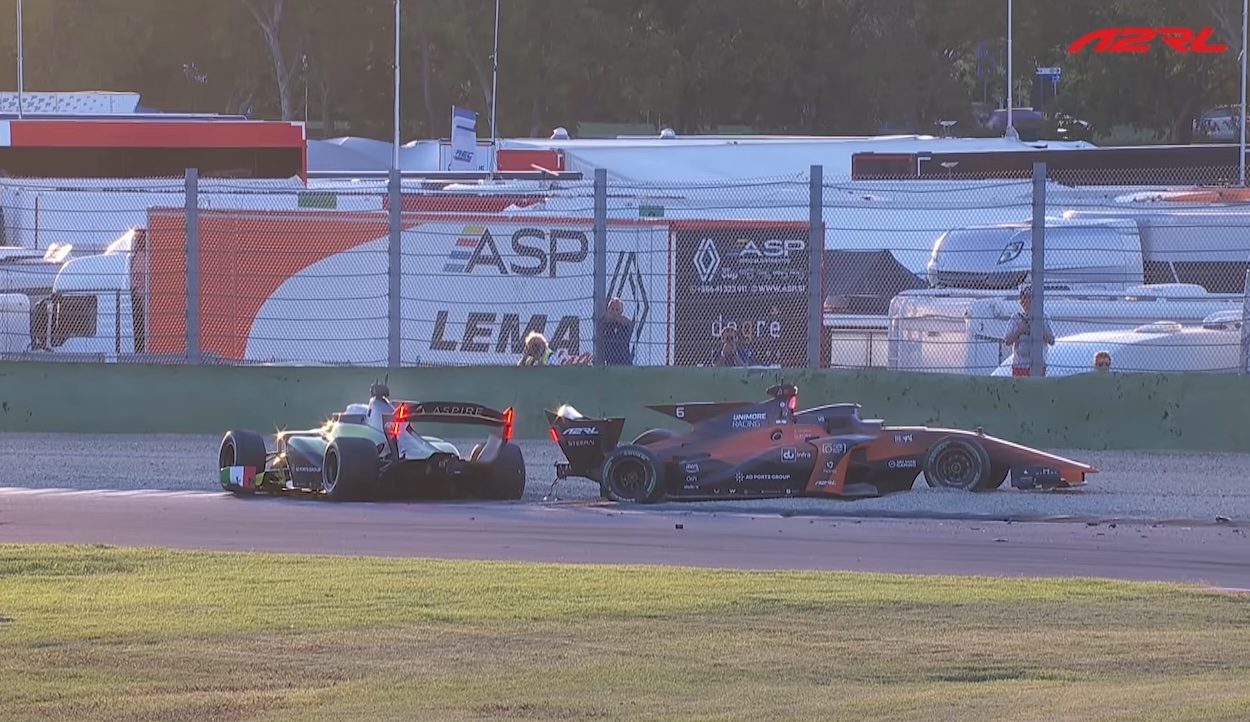
Here’s what happened at Imola
At the famous racing track in Imola, Italy, two cars crashed in the Rivazza section.
This is the circuit’s final section, made up of corners that are notoriously difficult to navigate.
The crashes were triggered by a combination of extreme conditions – including rain and hail – which led to sensor failures, and therefore a crash.
But some people say this is actually a good thing.

Why It’s Actually a Good Thing
Street-legal autonomous cars like Cybercab and Waymo operate cautiously under ultra-strict safety margins.
Statistically, at least for now, self-driving cars are safer than human drivers.
So when two autonomous cars crash on a track, it accellerates research.
High-speed racing forces software and sensors to act at the absolute edge of physics, almost ‘forcing’ things to go wrong.
If they don’t, then it means the technology is sound.
If they do – that’s the case – then engineers where to intervene to make things better.
And, last but not least, crashing a $1 million tech-packed race car without a driver inside allows engineers to fail… safely.
Alessandro is an automotive journalist with 10 years of experience covering supercars, automotive history, emerging vehicle technology, and luxury transportation. He wrote the first article published on SupercarBlondie.com when the website launched in 2022 and has since built a reputation for insightful reporting across the automotive and transportation industries. His expertise is grounded in hands-on experience. Alessandro has driven every Tesla model ever produced, from the original Roadster to the Cybertruck, and regularly covers the latest developments in electric vehicles and automotive innovation. His passion for transportation extends beyond cars, he has even flown a Boeing 787 Dreamliner simulator in Addis Ababa, Ethiopia. His reporting spans everything from classic American muscle cars and rare automotive discoveries to luxury yachts, private aircraft, high-end watches, and cutting-edge vehicle technology. Known for his deep knowledge of automotive history and ability to uncover the stories behind iconic vehicles, Alessandro brings readers a blend of historical context, technical expertise, and first-hand experience.