The world’s most peculiar plane took to the skies for ‘once-in-a-lifetime’ stunt
- Airbus Beluga is one the world’s largest cargo planes
- It is 56 feet tall
- It is designed to transport up to 150,000 kg of cargo
Published on Jul 16, 2024 at 7:30 AM (UTC-4)
by Alessandro Renesis
Last updated on Jul 16, 2024 at 11:05 AM (UTC-4)
Edited by
Tom Wood
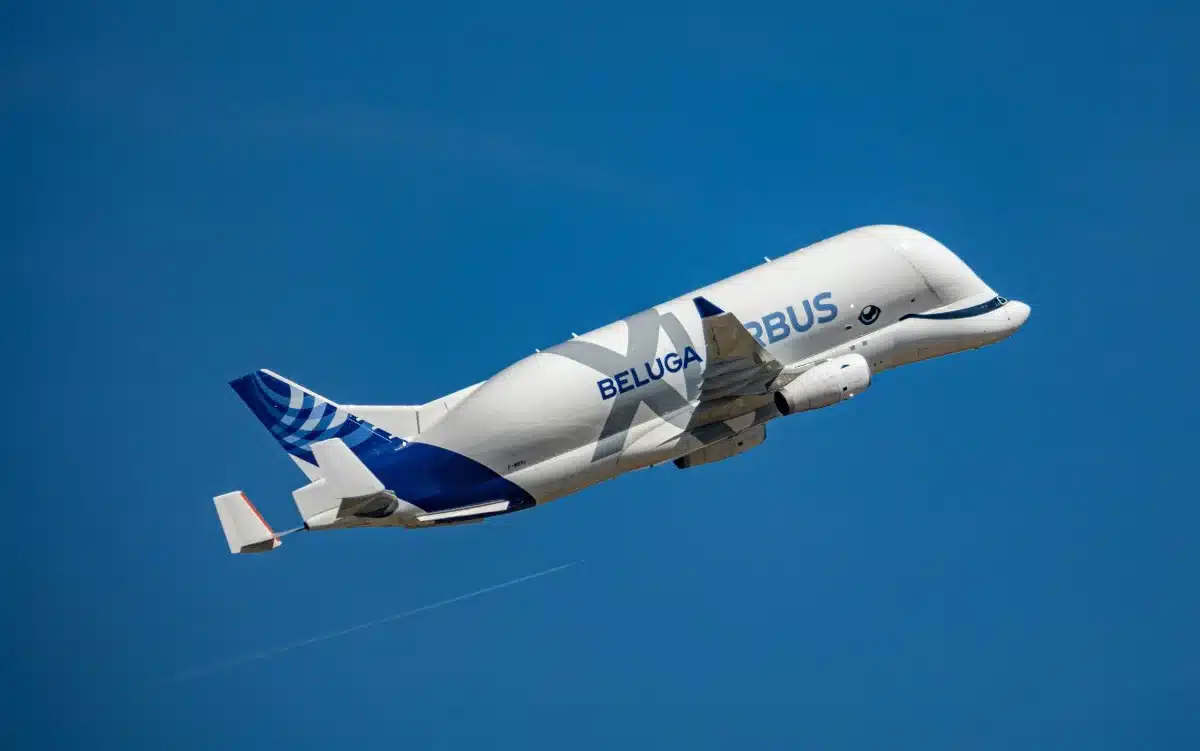

Due to its unique shape, the Airbus Beluga is one of the world’s most interesting and peculiar planes.
But the thing is, despite looking a bit weird and being massive, the Beluga is actually a lot more dynamic and agile than some might think.
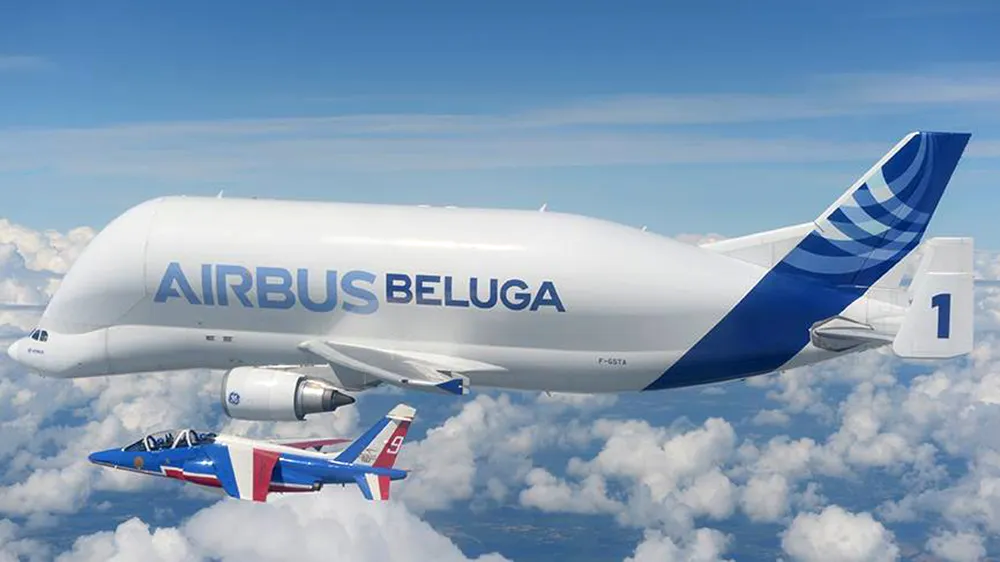
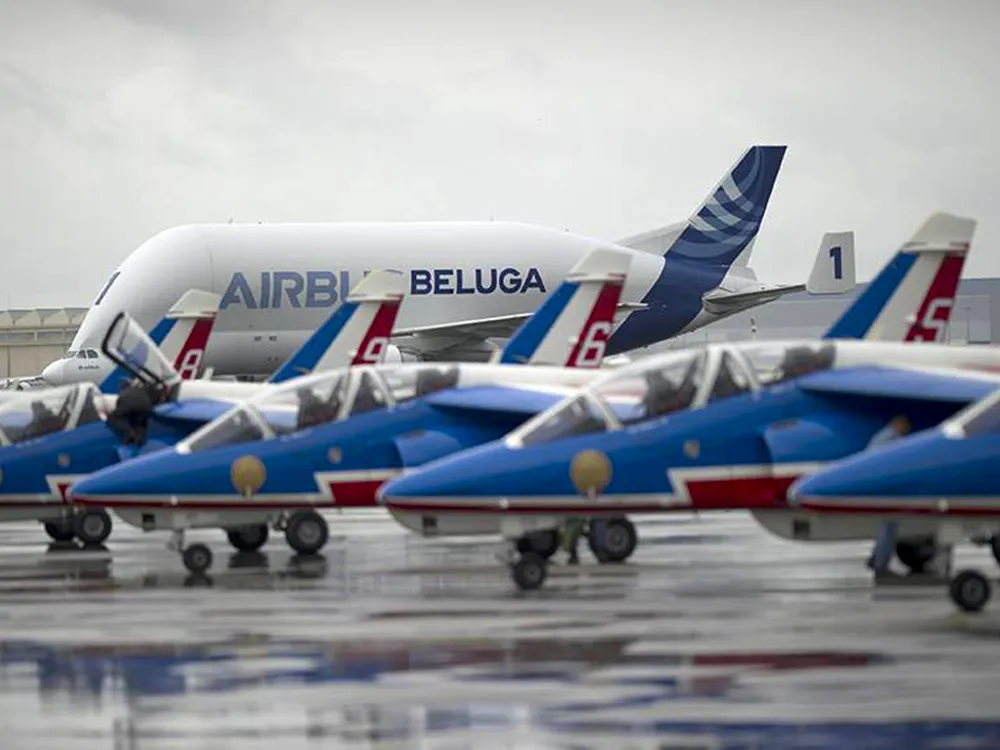
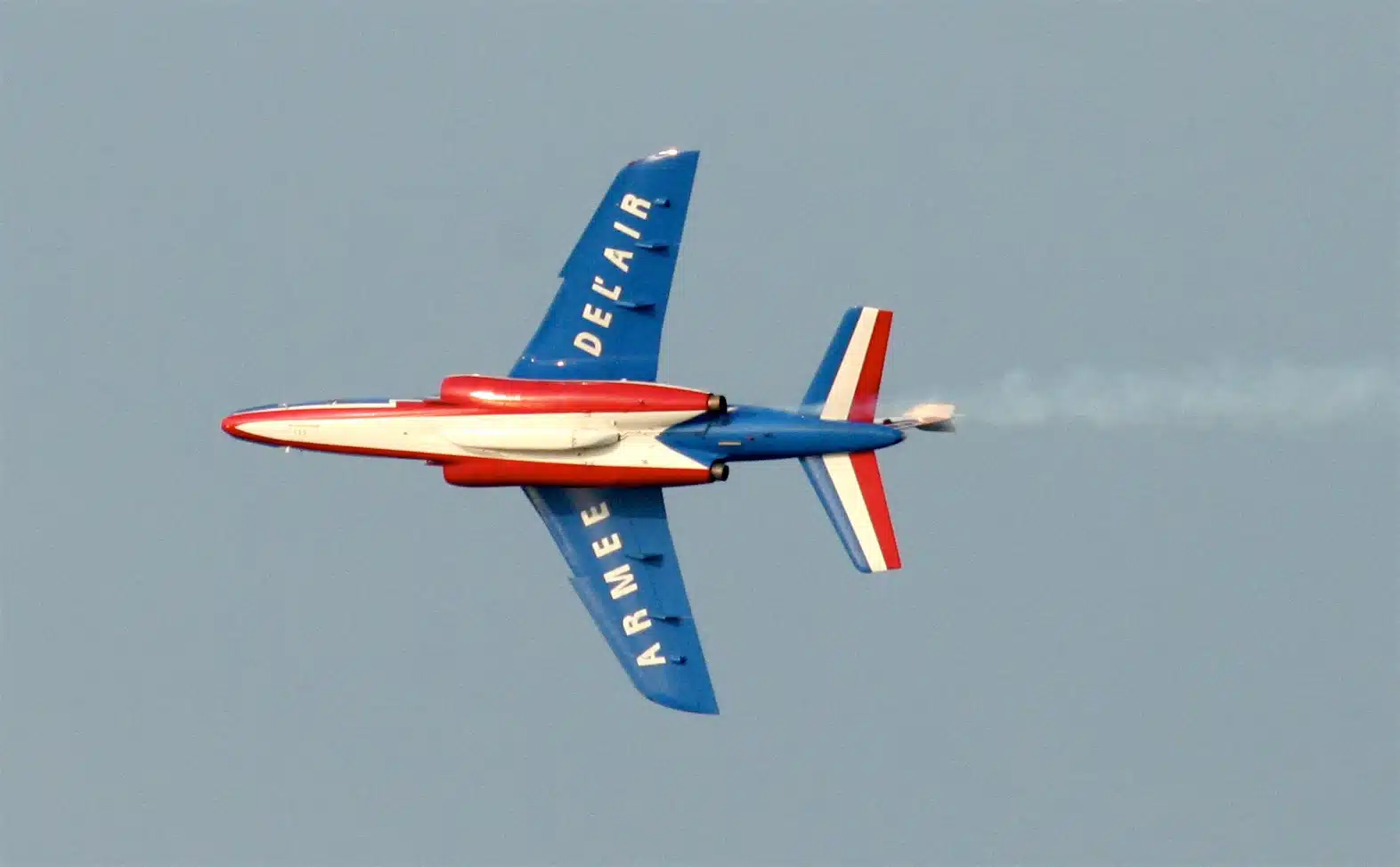
Airbus proved that by having the Beluga fly in formation with the French Air Force acrobatic team.
Almost every country in the world has its own flight demonstration squadron, the US has the Blue Angels for example, and Airbus has proved its planes can be agile, regardless of how big they are.
The A380, for example, is capable of performing surprising stunts for a plane so big.
Even so, seeing a giant of the skies such as the Beluga keep up with the blue, white, and red Alpha Jets of the Armée de l’Air, the French Air and Space Force squadron, is an impressive sight to behold.
The Airbus Beluga has a counterintuitive name
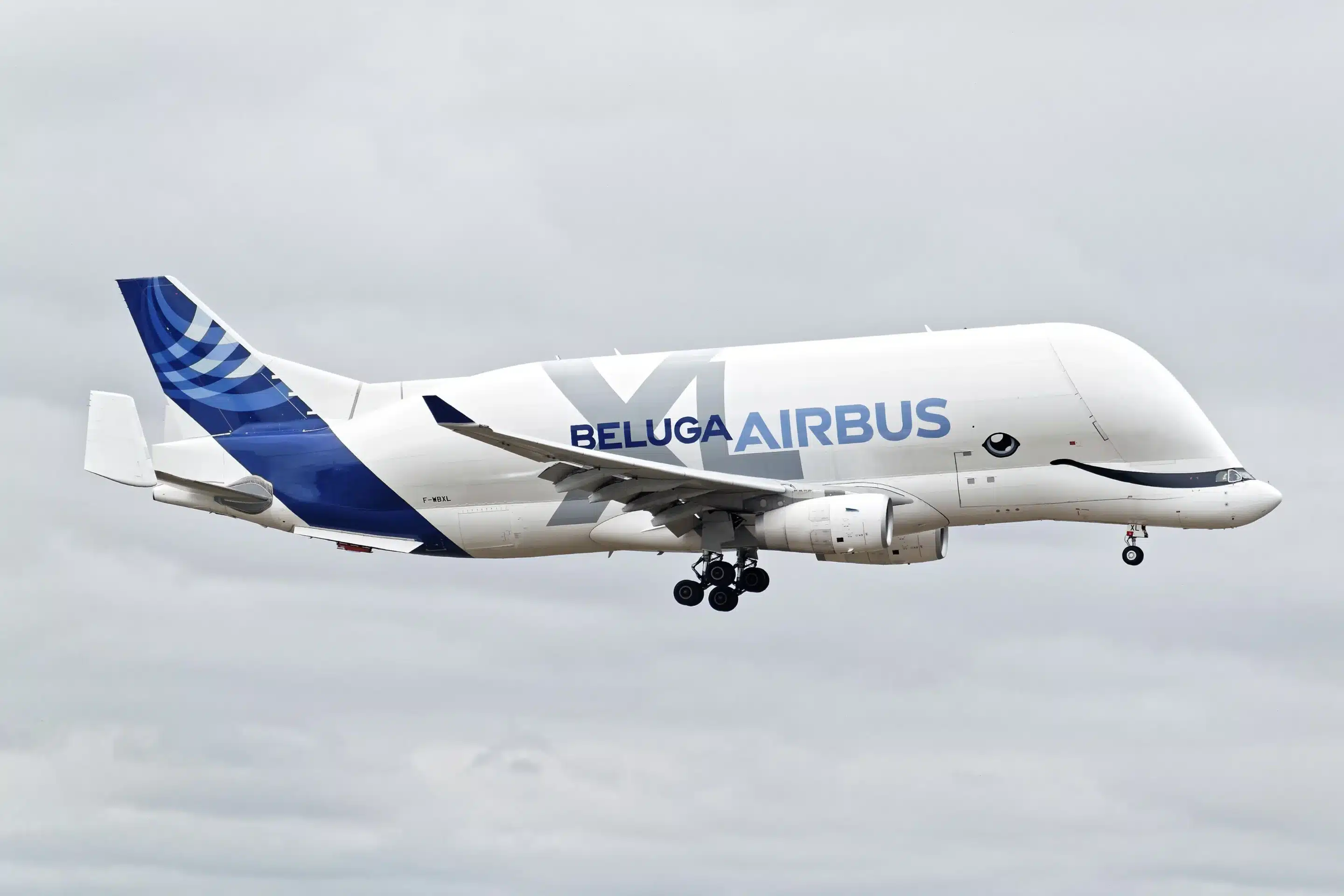
The Airbus Beluga is inspired by the beluga whale, which is actually one of the smallest species of whales in the world.
This is somewhat ironic, considering this aircraft – by contrast – is one of the largest in the world.
Still, the beluga name definitely justifies the funny face, which indeed resembles that of a beluga whale.
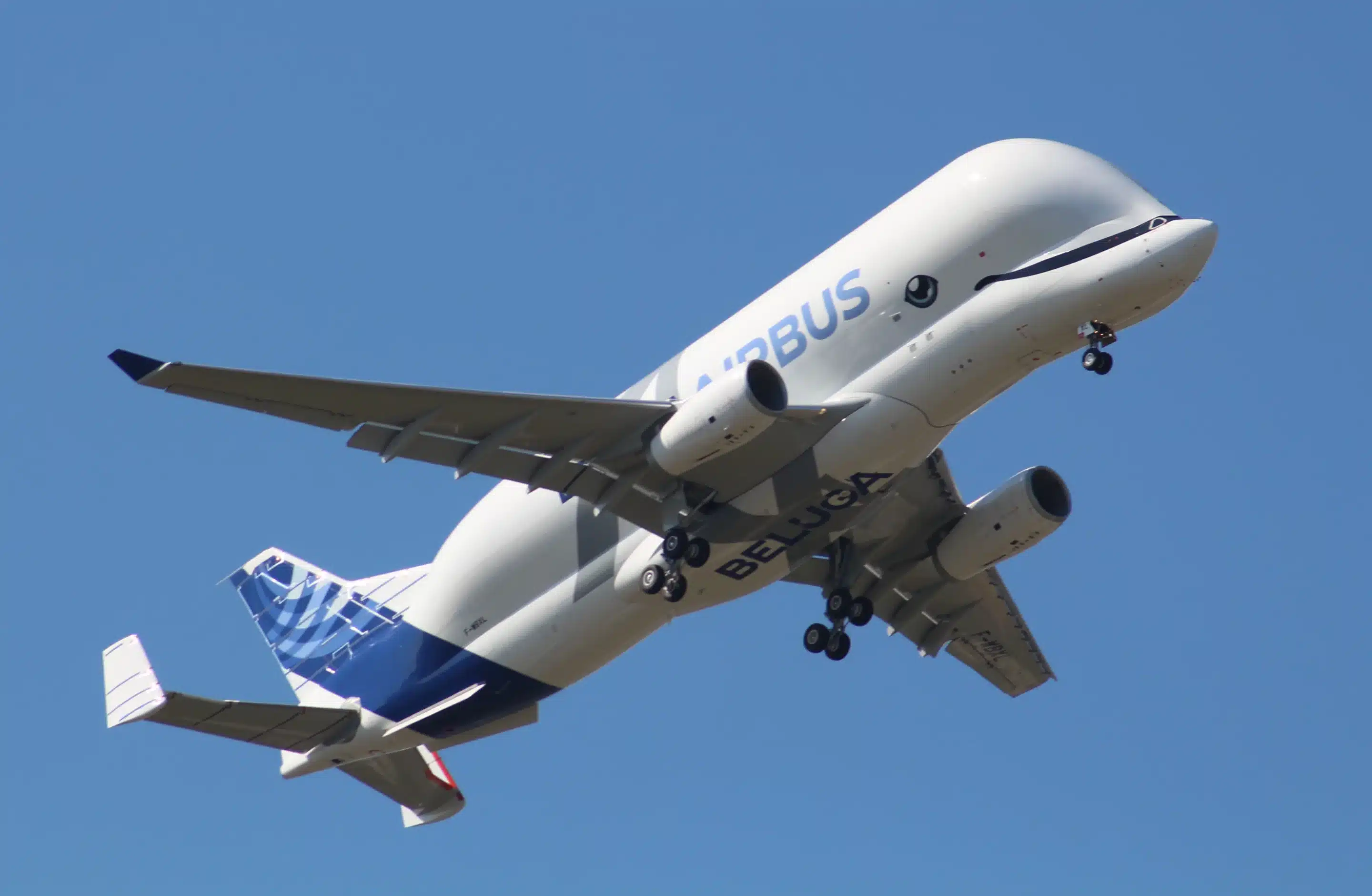
At 56 feet (17 meters), this is one of the tallest planes in the world.
The interior is a bit strange, but this is because the plane is designed to carry cargo, not people.
Inside, the plane offers up to 1,400 square meters of cargo space, and it is designed to take off carrying up to 340,000 pounds, equivalent to over 150,000 kilograms.
And it can do that at 625mph – or a hair over 1,000km/h, which is why it could keep up with the Alpha Jets.
What aircraft does the French Air Force us?
All kinds of aircraft are available to French Air Force pilots.
From fighter jets to cargo planes, it is a very long list.
Five different planes are available for combat, recon, early warning, and control.
Three are made by Dassault, but there’s also a Boeing, the E-3 Sentry, which is an airplane that other air forces uses, for example the Royal Air Force.
Pictured below: left, Royal Air Force Boeing E-3 Sentry – right, Boeing E-3 Sentry of the French Air Force
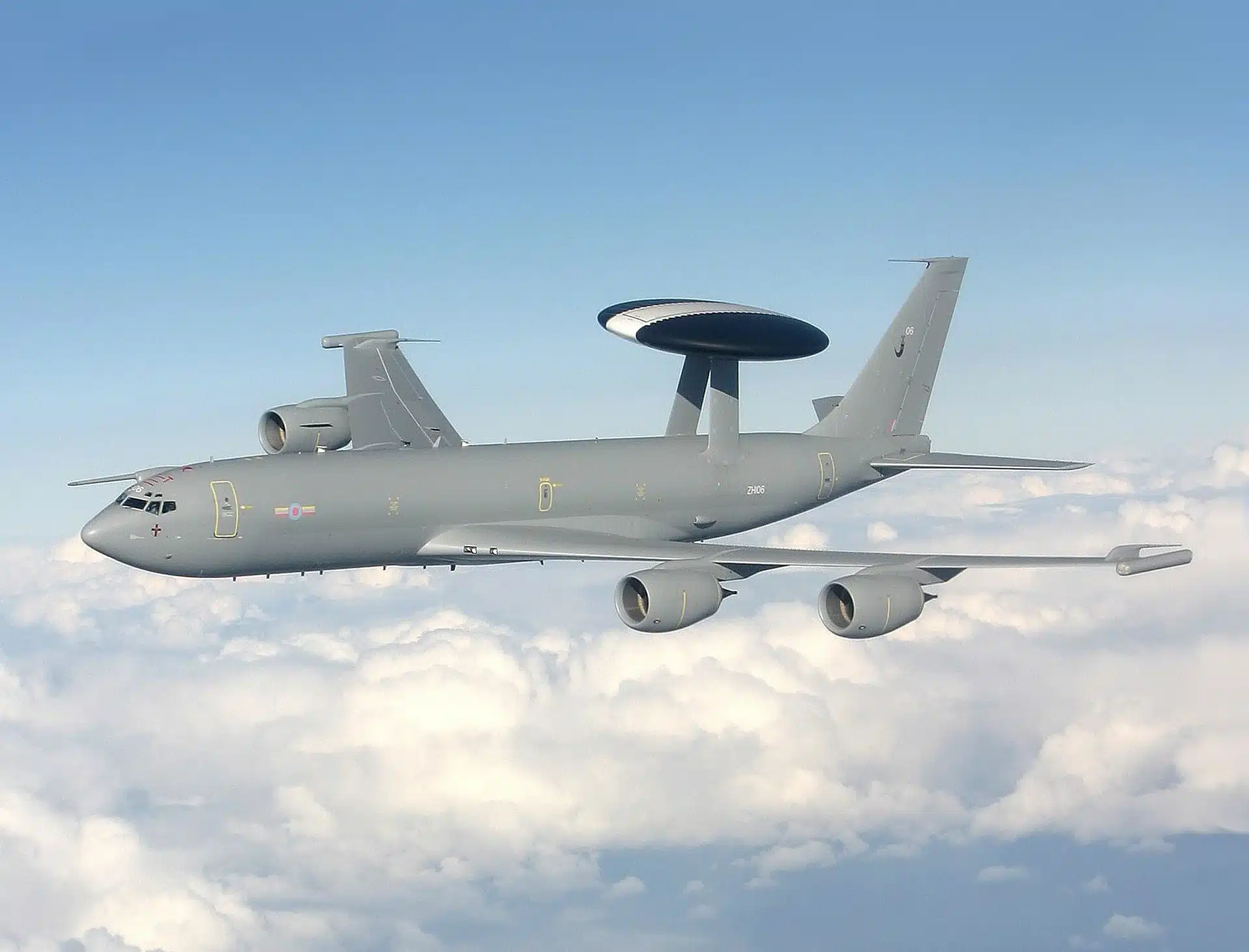
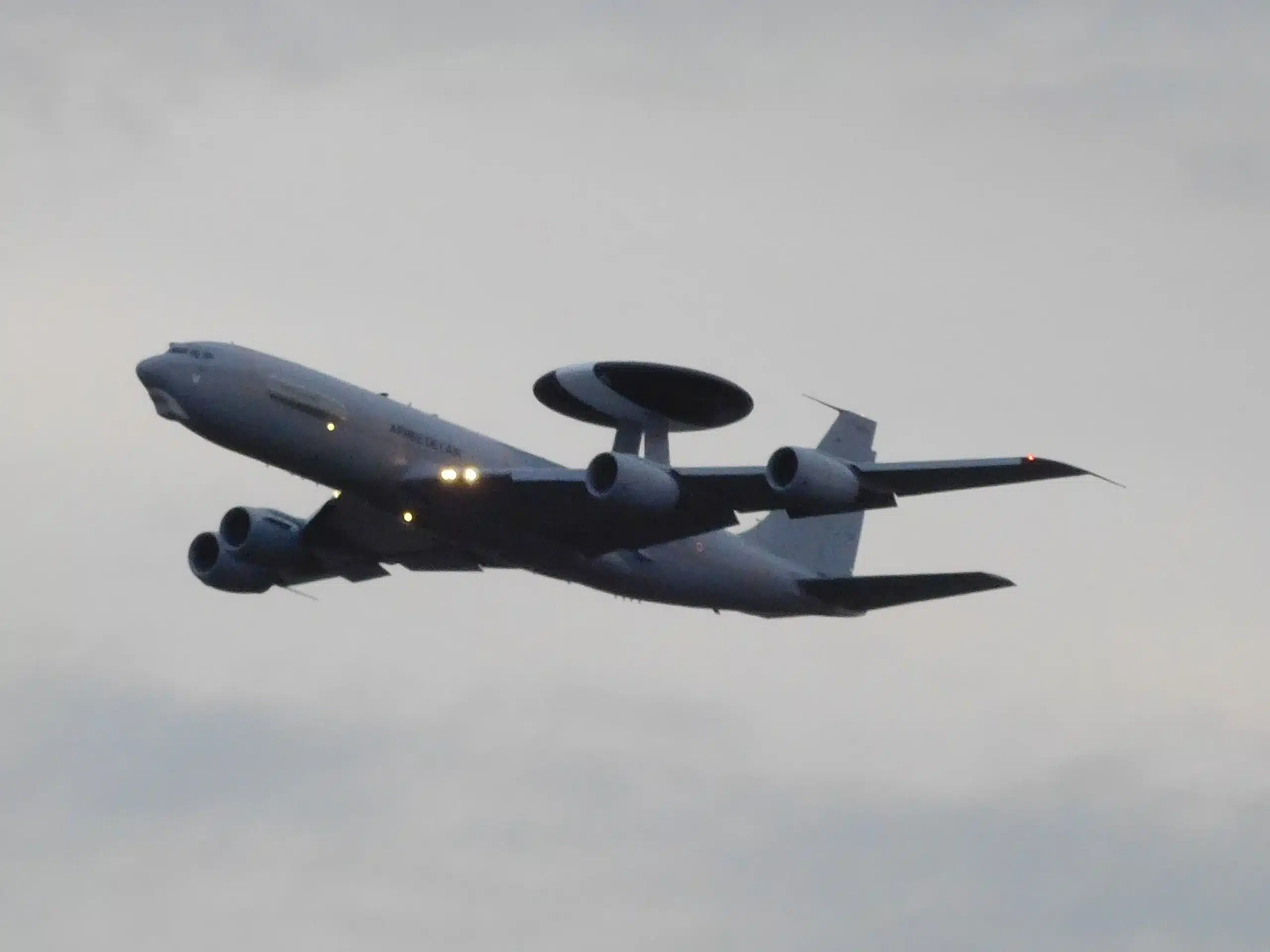
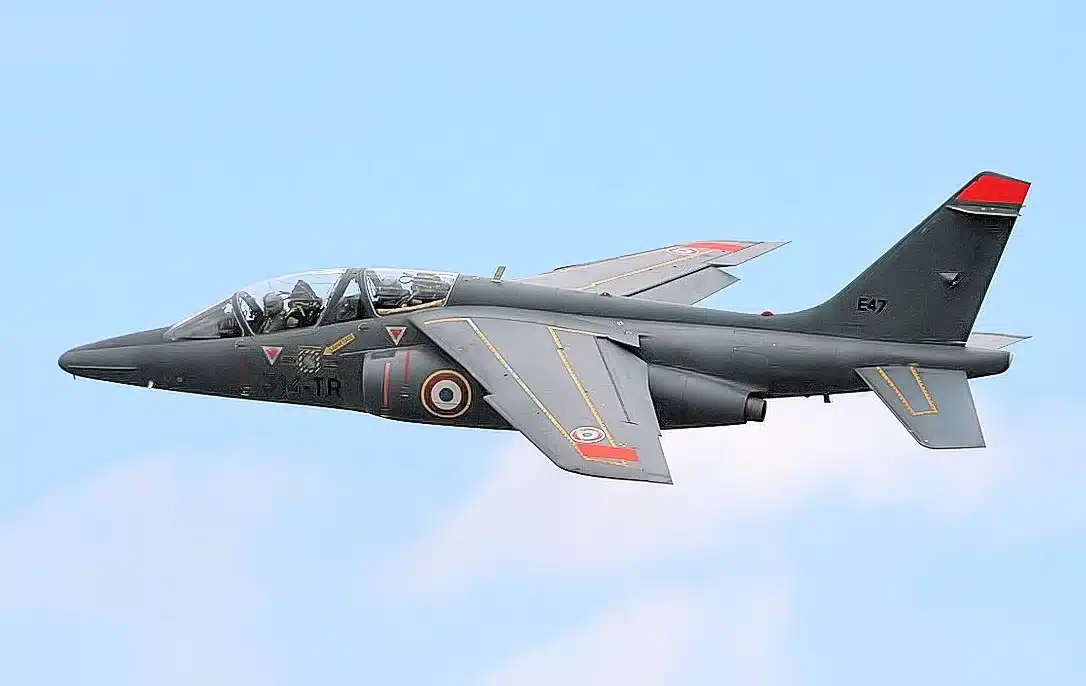
In addition, several transport planes and helicopters made by Airbus are present, and then—of course—there’s the Dassault/Dornier Alpha Jet, which the demonstration flight squadron uses.
The Alpha Jet is lightweight, tipping the scales at just over 3.5 tons, and it’s quite fast, with a top speed of 995km/h, which means it is actually a tiny bit slower than the Beluga itself.
Bigger doesn’t always equal slower, in this case.
Alessandro is an automotive journalist with 10 years of experience covering supercars, automotive history, emerging vehicle technology, and luxury transportation. He wrote the first article published on SupercarBlondie.com when the website launched in 2022 and has since built a reputation for insightful reporting across the automotive and transportation industries. His expertise is grounded in hands-on experience. Alessandro has driven every Tesla model ever produced, from the original Roadster to the Cybertruck, and regularly covers the latest developments in electric vehicles and automotive innovation. His passion for transportation extends beyond cars, he has even flown a Boeing 787 Dreamliner simulator in Addis Ababa, Ethiopia. His reporting spans everything from classic American muscle cars and rare automotive discoveries to luxury yachts, private aircraft, high-end watches, and cutting-edge vehicle technology. Known for his deep knowledge of automotive history and ability to uncover the stories behind iconic vehicles, Alessandro brings readers a blend of historical context, technical expertise, and first-hand experience.