People stunned after seeing how fast the International Space Station actually moves as wild simulation shows it at ground level
Published on Jul 14, 2026 at 8:04 PM (UTC-4)
by Ben Thompson
Last updated on Jul 24, 2026 at 6:18 AM (UTC-4)
Edited by
Mason Jones
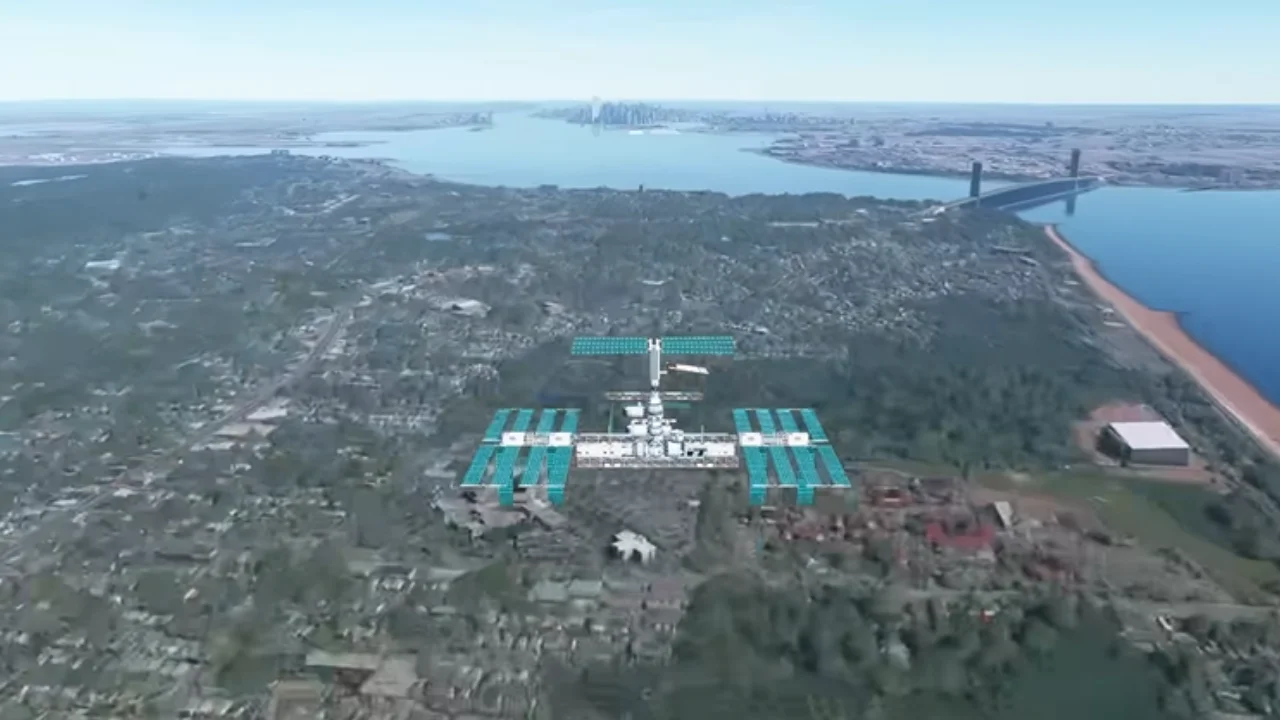

This wild simulation shows the International Space Station moving at ground level, and it’s leaving people with their jaws on the floor.
The International Space Station is so far above us that it’s difficult to appreciate how fast it actually moves.
When we see it above Earth, it looks like it’s almost floating in the one spot.
Fortunately, this simulation puts its speed into clear focus.
Simulations have really been blowing our minds recently
Simulations are handy tools in helping us imagine what may otherwise be impossible.
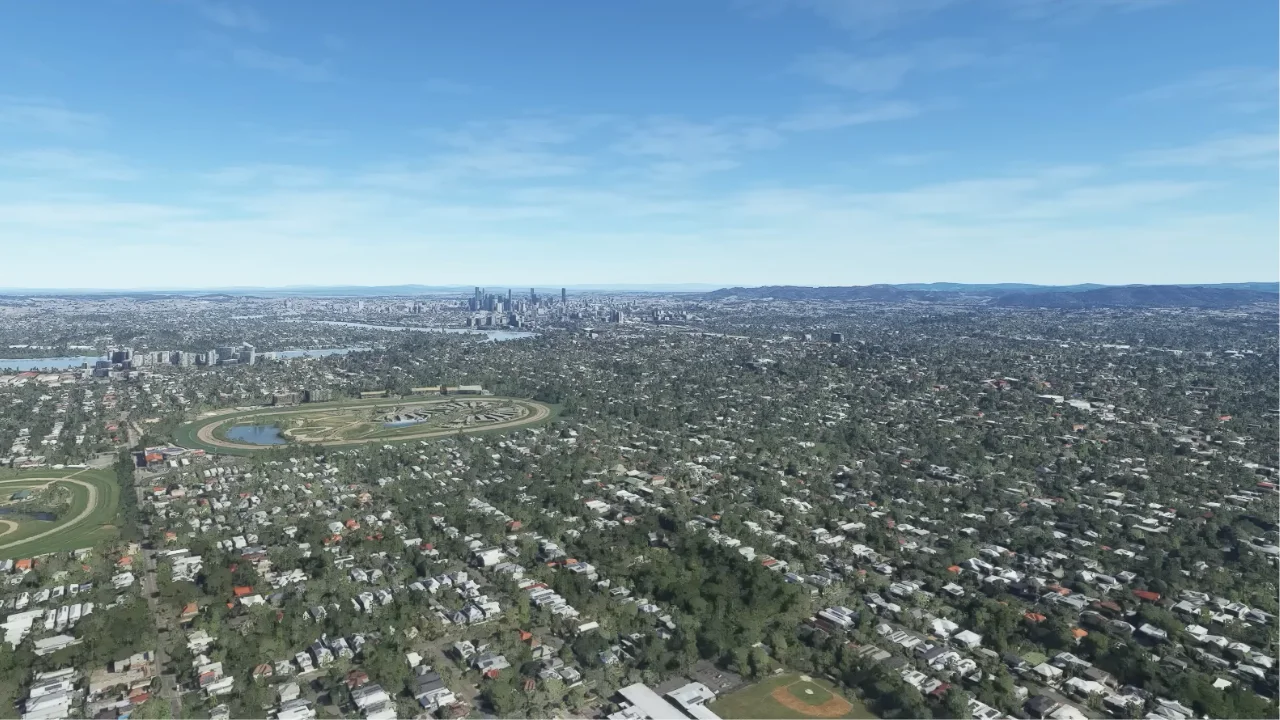
For example, one simulation doing the rounds recently showed what flying at Mach 50 speed looked like.
Then there was the one showing what it would look like to travel around Earth at the speed of light.
Again, you don’t need to suspend your disbelief to visualize how quick that would look.
This time around, a new simulation allowed people to visualize what it would look like if the International Space Station was flying at ground level.
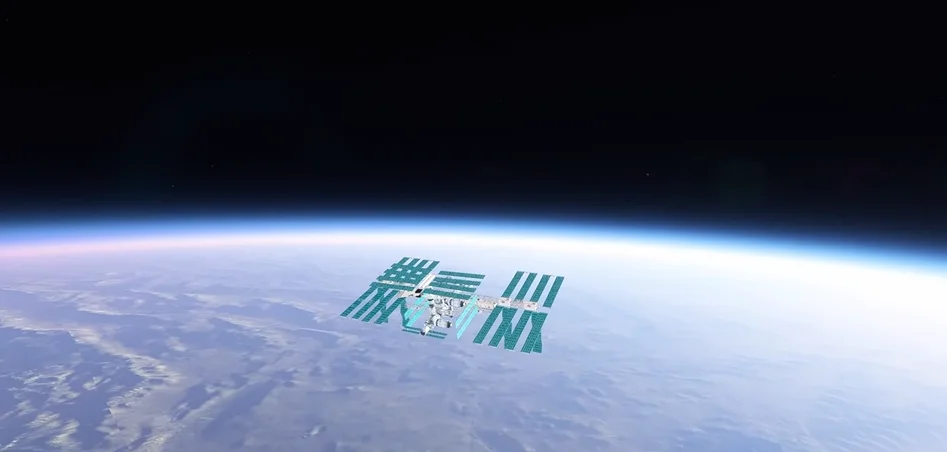
How fast is the International Space Station?
If the ISS travelled so low to the ground in real life, it would take the space station just 90 minutes to travel the full length of the globe.
Let that sink in.
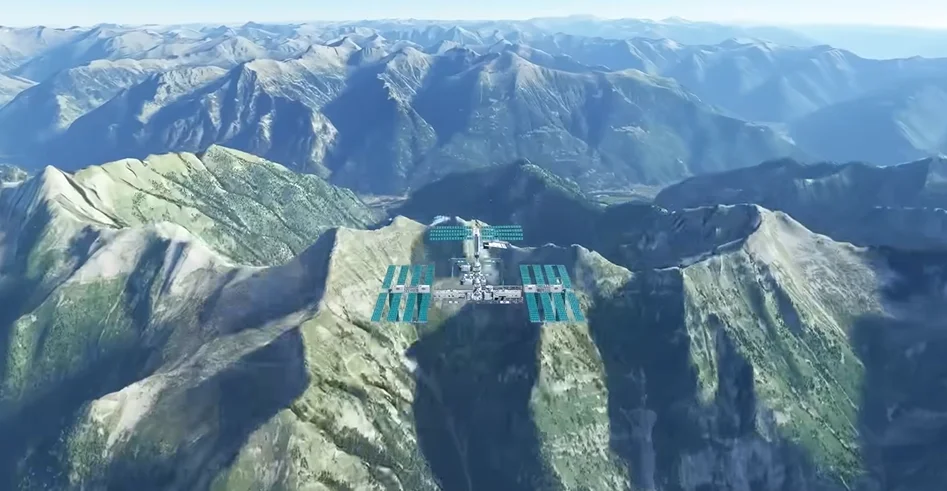
Moving at just 10,000 feet above the ground, the simulation showed the space station moving at quite a pace.
That’ll happen when you have an average speed of 17,150 miles per hour.
Commenters were left shocked by the awesome display they saw.
“This really puts into perspective how slow sound actually is, this is crazy stuff!” one wrote.

“I think it’s crazy that we as humans made an object go that fast. I bet Newton would be pretty shocked to hear we actually went fast enough to orbit Earth like he theorized back when the fastest vehicles were sailing ships,” another said.

Timeline of the International Space Station
November 1998: Russia launches the Zarya Control Module, providing the initial electric power and fuel storage for the infant station.
December 1998: The US-built Unity Node 1 is delivered, mating to Zarya in orbit.
July 2000: The Russian Zvezda Service Module launched, bringing sleeping quarters and vital life support systems.
November 2000: Humans board the station – NASA astronaut Bill Shepherd and cosmonauts Yuri Gidzenko and Sergei Krikalev.
April 2001: Canada contributes Canadarm2, a robotic arm which proves essential for docking incoming spacecraft and moving heavy cargo.
2000 – 2009: A series of space shuttle flights progressively install the Integrated Truss Structure and its massive solar panels.
2020: SpaceX’s Demo-2 mission docks at the ISS.
2021 – present: Russia replaces older infrastructure with the Nauka Laboratory Module.
Ben joined Supercar Blondie in February 2025 after being published by international organizations including LADbible, The Sun, the New York Post, and the Daily Mail. He covers supercars, rare and collectible vehicles, aviation, luxury assets, and the fascinating people behind them. His reporting has explored everything from seven-figure supercars and historic Ferrari collections to unusual aircraft adventures and extraordinary automotive discoveries from around the world. Ben has also gained first-hand insight into vehicle craftsmanship and customization, including visiting specialist workshops to see bespoke vehicles up close.