Revolutionary Airbus concept planes are a glimpse into aviation’s future
- The ZEROe program comprises three concept planes
- There’s a turbofan one, a turboprop one, and a blended-wing design
- The blended-wing concept is capable of 2,000 nautical miles of range
Published on Jul 19, 2024 at 9:09 AM (UTC-4)
by Alessandro Renesis
Last updated on Jul 21, 2024 at 8:32 PM (UTC-4)
Edited by
Tom Wood
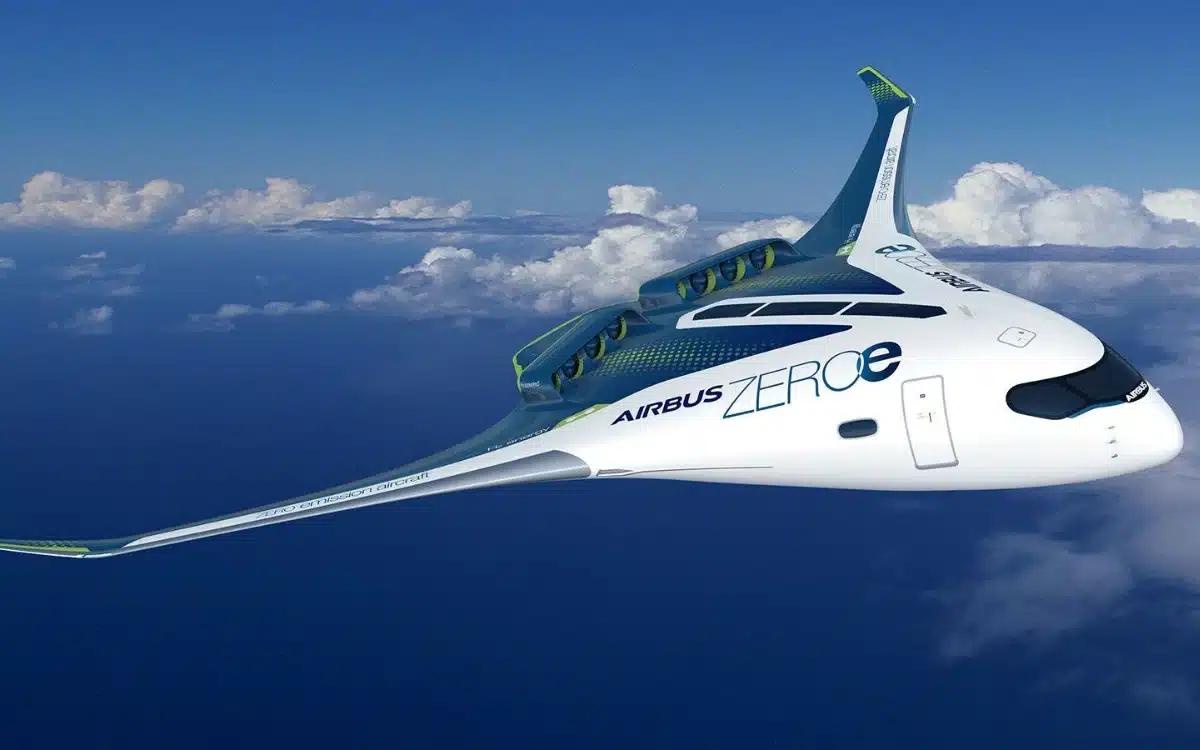

A while back, Airbus unveiled three concepts that could serve as a platform for the next generation of airliners.
All three concepts are called ZEROe, but they’re actually quite different from one another.
These concepts may take a while to transition into an actual production aircraft, but it might just be worth the wait.
READ MORE: Huge Airbus A400M does a full loop just after takeoff to the delight of viewers
The main goal is to maximize efficiency.
Aerospace manufacturers are constantly trying to bring their emissions down and their efficiency up.
And ZEROe is designed to do exactly that.
Zero-emission aircraft with a respectable range
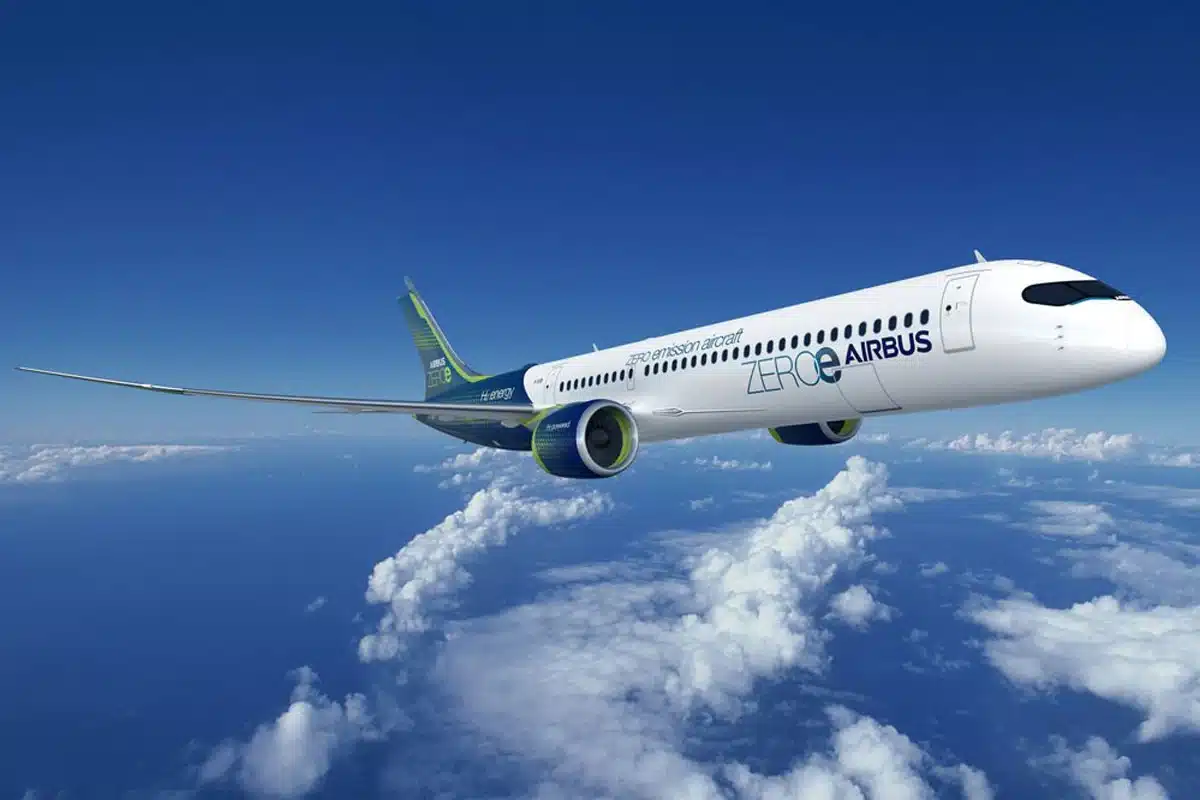
The ZEROe program comprises three aircraft designs.
First, there’s a turbofan design powered by a hydrogen turbine and capable of accommodating up to 200 passengers for journeys of 2,000+ nautical miles.
Second, there’s a turboprop design, also powered by hydrogen but with turboprops, capable of flying for up to 1,000 nautical miles with 100 passengers on board.
Last but definitely not least, there’s the futuristic-looking blended-wing design, which is capable of carrying up to 200 passengers.
The reason why Airbus ZEROe has a familiar ‘face’
The blended-wing version of the Airbus ZEROe program is probably the most striking out of the three.
Blended-wing design is clearly something aerospace manufacturers are heavily focused on at the moment.
There’s the JetZero concept, and there’s also another Airbus concept that looks a lot like the ZEROe, the ‘Maverick‘.
Pictured below: left, Airbus Maverick – right, Airbus ZEROe
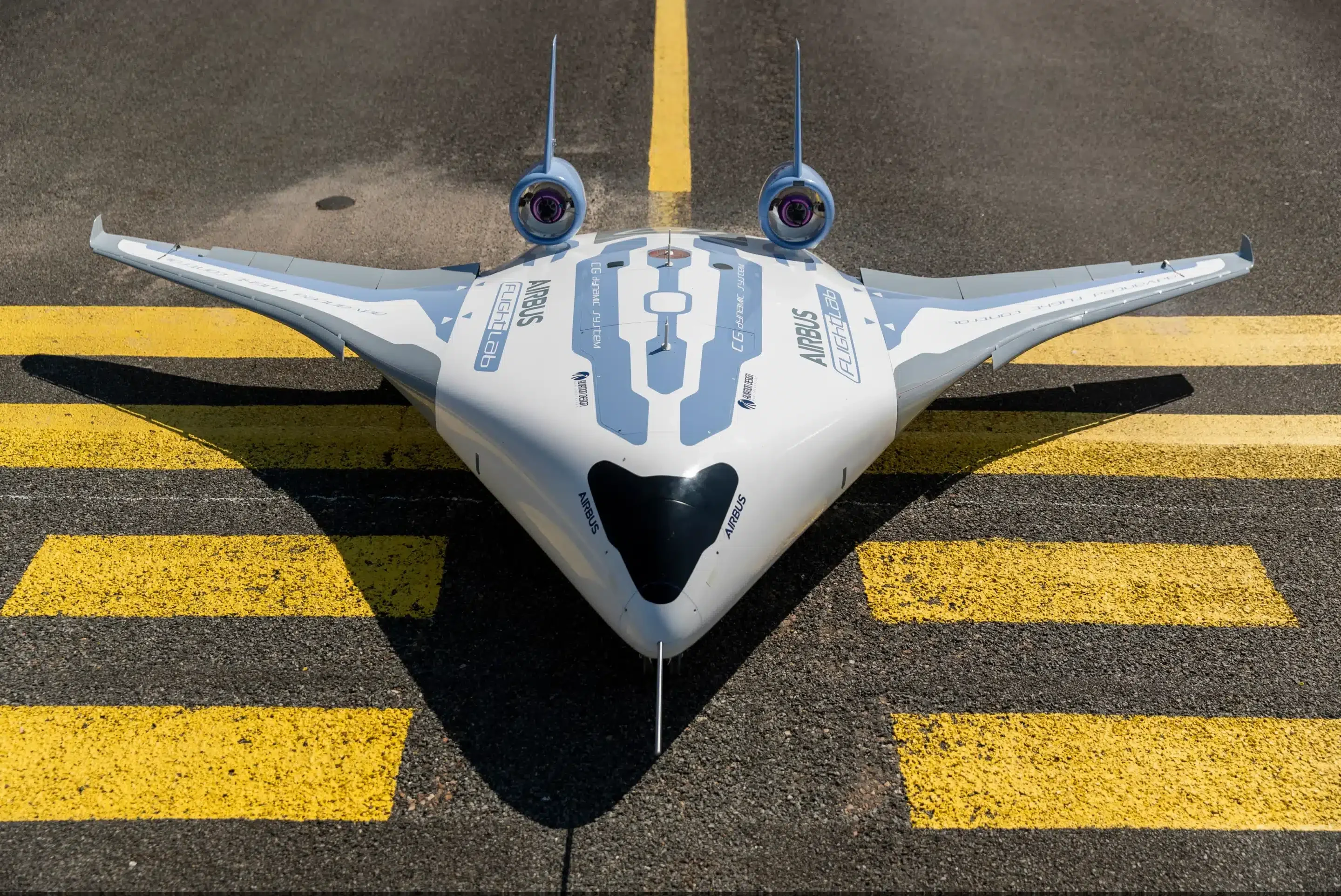
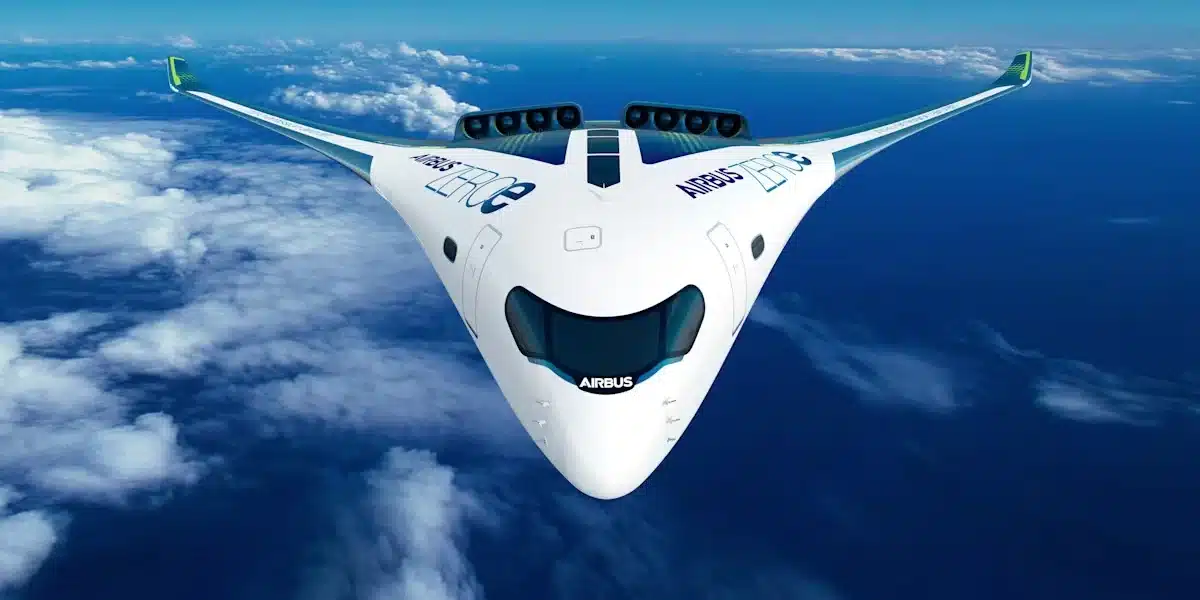
But, there’s a reason for this.
Manufacturers believe that using blended-wing planes might be the best option to maximize efficiency by reducing drag.
And aerodynamics is at the center of everything, because a more aerodynamically efficient aircraft can fly faster while consuming less fuel.
All that remains to be seen is whether they can pull it off for a commercial aircraft.
Alessandro is an automotive journalist with 10 years of experience covering supercars, automotive history, emerging vehicle technology, and luxury transportation. He wrote the first article published on SupercarBlondie.com when the website launched in 2022 and has since built a reputation for insightful reporting across the automotive and transportation industries. His expertise is grounded in hands-on experience. Alessandro has driven every Tesla model ever produced, from the original Roadster to the Cybertruck, and regularly covers the latest developments in electric vehicles and automotive innovation. His passion for transportation extends beyond cars, he has even flown a Boeing 787 Dreamliner simulator in Addis Ababa, Ethiopia. His reporting spans everything from classic American muscle cars and rare automotive discoveries to luxury yachts, private aircraft, high-end watches, and cutting-edge vehicle technology. Known for his deep knowledge of automotive history and ability to uncover the stories behind iconic vehicles, Alessandro brings readers a blend of historical context, technical expertise, and first-hand experience.