Aston Martin reveals Valhalla Spider with 1,064HP and it's the fastest convertible it's ever built
Published on Oct 29, 2026 at 9:16 AM (UTC-4)
by Alessandro Renesis
Last updated on Oct 29, 2026 at 9:16 AM (UTC-4)
Edited by
Daisy Edwards
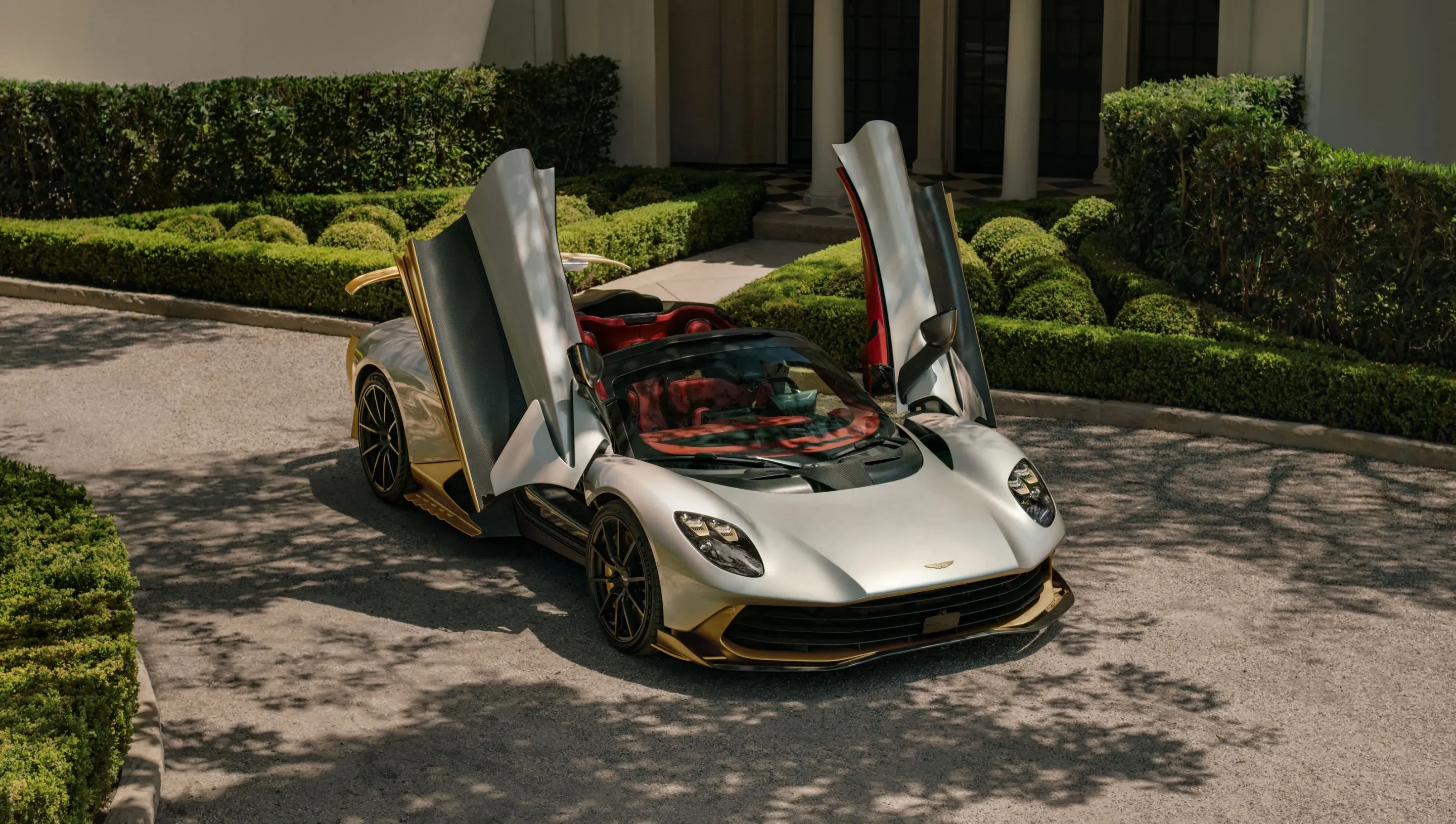

Aston Martin just unveiled the Valhalla Spider, the fastest Aston convertible ever built.
Despite being a convertible, the British automaker managed to keep the weight in check, which is part of the reason why it’s so fast.
Deliveries for the mid-engined Valhalla Spider are slated to begin in late 2027.
And the price tag, as you can imagine, isn’t low.
The latest addition to the ‘V-collection’
Aston Martin is on fire with these V-cars.
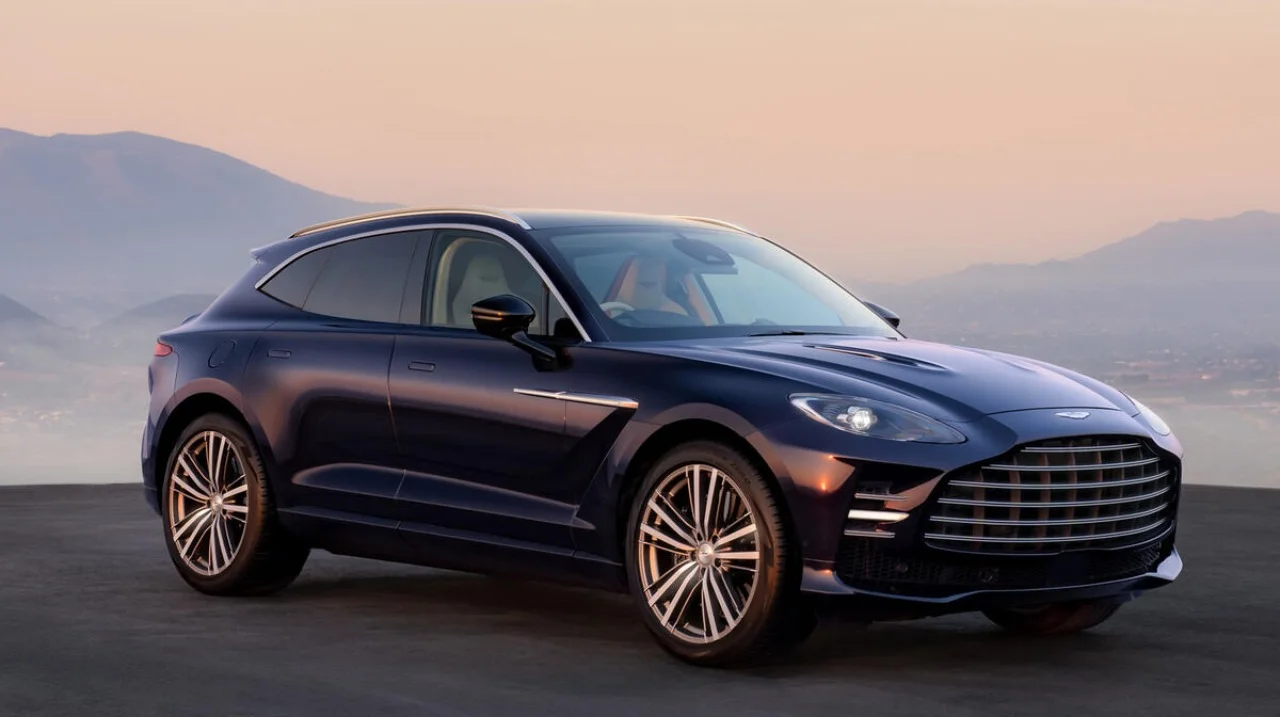
Over the last few years, Aston Martin has unveiled several cars with a name that begins the letter V.
You have the Valen, Valiant, Valhalla, Valkyrie, and so on.
Aside from the extra power – all of these cars are faster and more powerful than ‘regular’ Astons – they tend to be limited in terms of production, and the price tag is much higher.
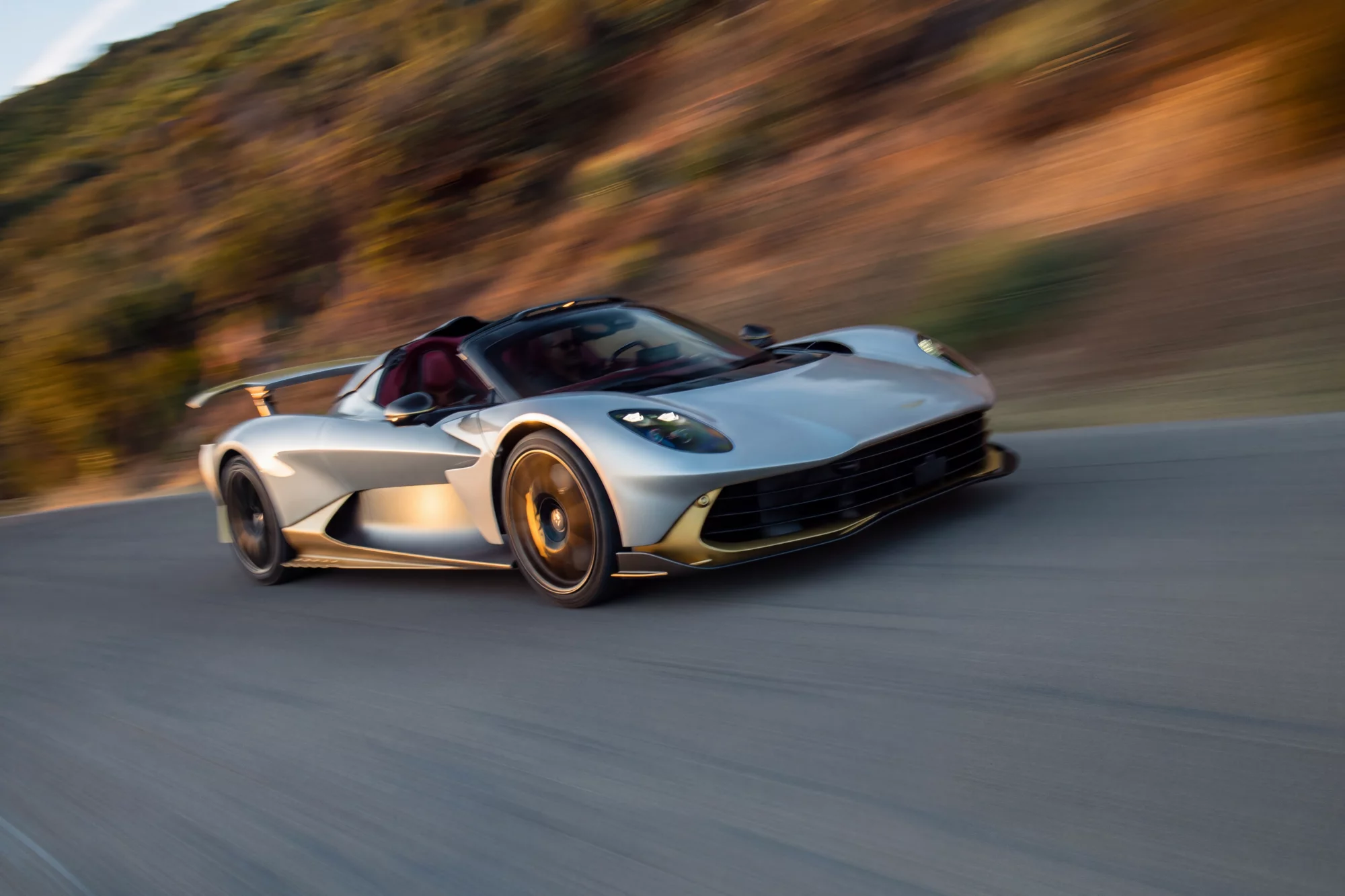
The Valhalla Spider you see here is a great example.
The British automaker has not officially confirmed the base price for the Valhalla Spider yet, but it is expected to start at approximately $1.6 million.
For comparison, the fixed-roof Valhalla Coupe starts around $1.05 million to $1.1 million, and supercar convertibles typically command a 20 percent to 30 percent premium over their coupe counterparts.
The Aston Martin Valhalla Spider’s top speed is actually limited
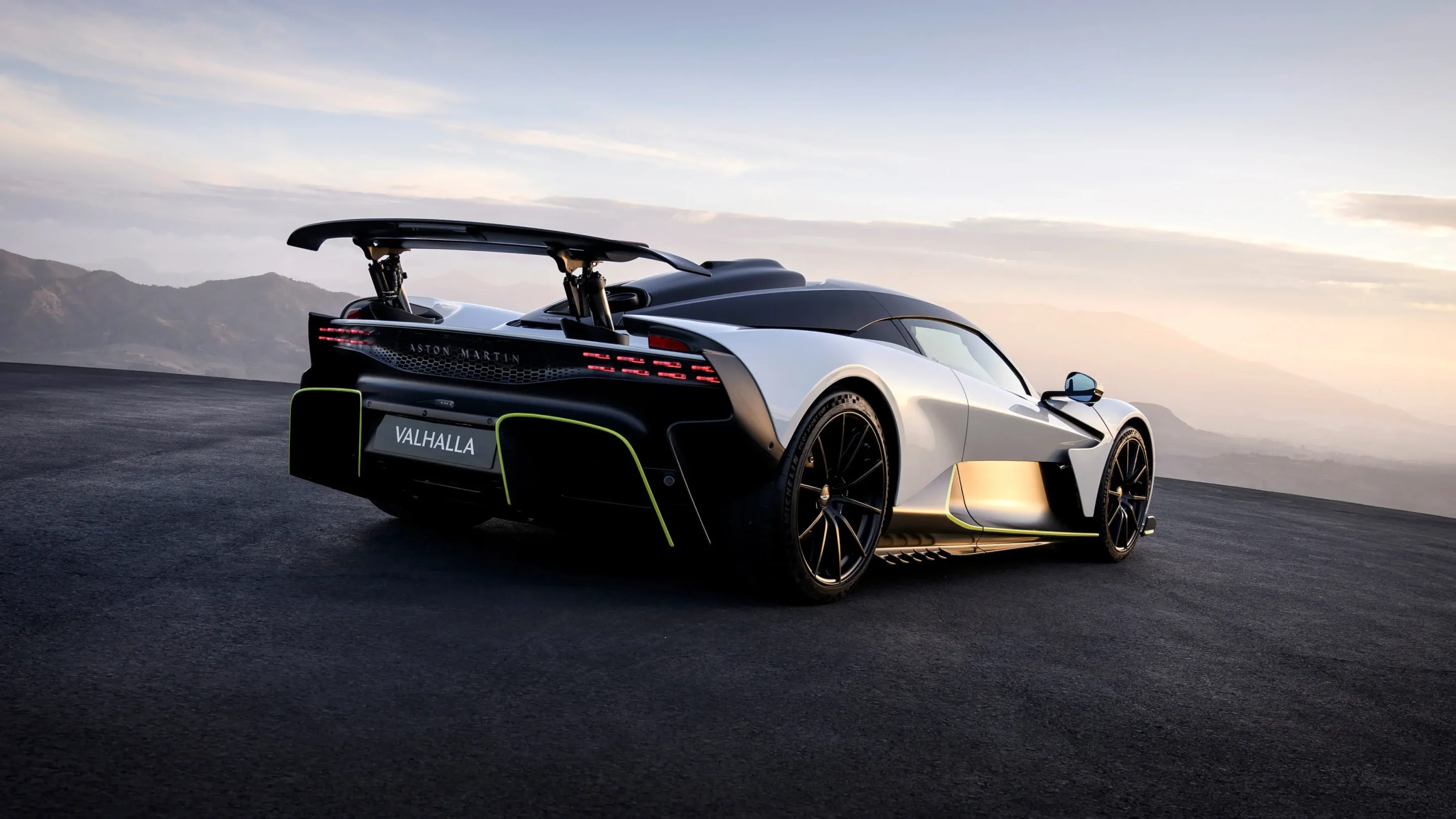
At the core of the Valhalla Spider lies the plug-in hybrid powertrain that powers the coupe.
It’s a 4.0-liter twin-turbo V8 paired with three electric motors – two driving the front axle and one integrated directly into the eight-speed dual-clutch transmission.
Together with a 6.1kWh battery, this setup churns out 1,064hp and 811lb-ft of torque.
The open-top hypercar sprints from 0 to 62mph in just 2.5 seconds.
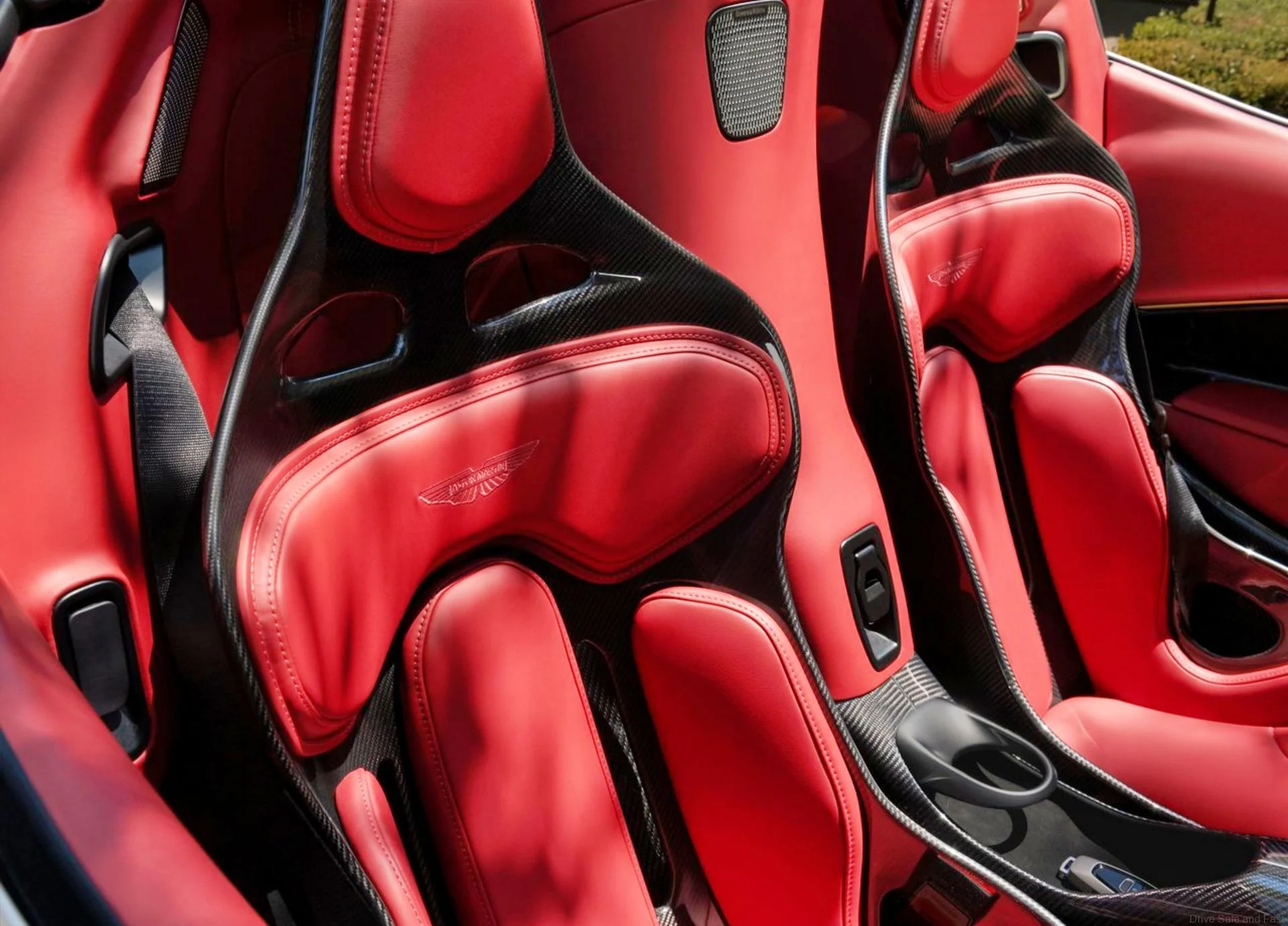
Even more remarkable is its top speed: the Spider matches its coupe sibling by reaching 217mph – 350km/h.
Amazingly, the top speed is actually electronically limited.
This is how Aston managed to keep it lightweight
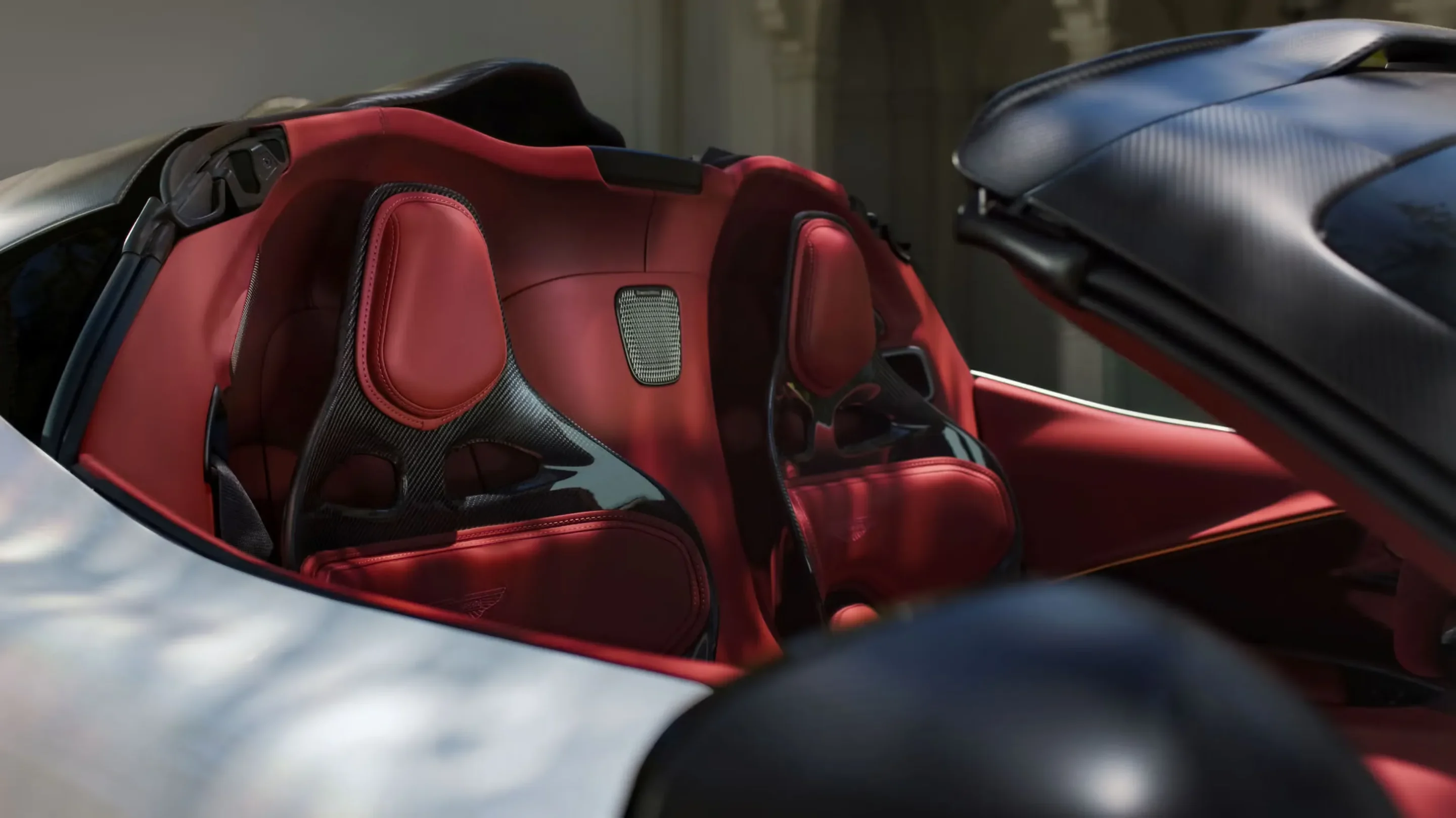
Cutting off the roof of a car, counterintuitively, means making it heavier.
That’s because removing a significant portion of the frame means you have to make some changes to make sure the car is structurally sound.
And that generally adds weight.
But the British automaker did a great job, considering the Valhalla Spider gained only 25kg (55lb) over the fixed-roof coupe: 1,680kg (3,704lb) versus 1,655kg (3,648lb).
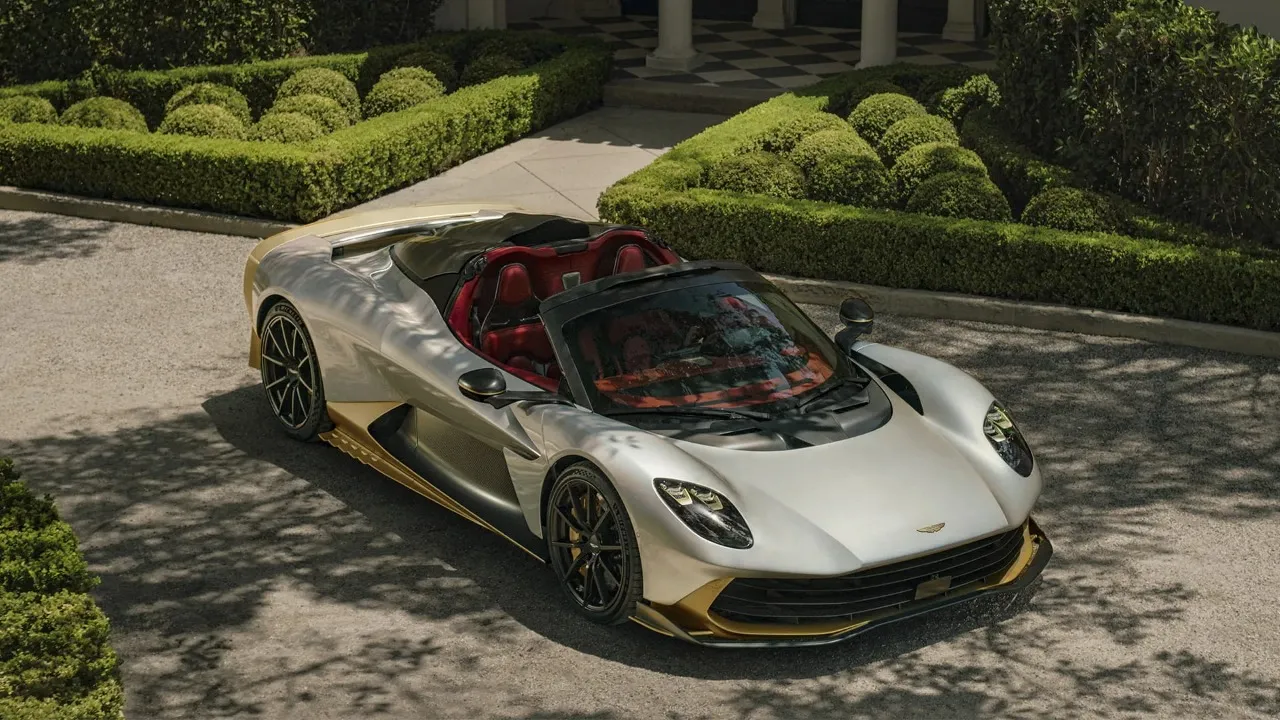
Because the Valhalla was engineered from the beginning around an ultra-stiff carbon-fiber monocoque tub, Aston Martin avoided having to add heavy structural bracing when removing the roof.
The small 25kg increase primarily stems from the roof mechanisms, new dedicated 15-liter sill storage compartments, and slight modifications to accommodate the removable top options.
So, here’s to another classic ride!
Alessandro is an automotive journalist with 10 years of experience covering supercars, automotive history, emerging vehicle technology, and luxury transportation. He wrote the first article published on SupercarBlondie.com when the website launched in 2022 and has since built a reputation for insightful reporting across the automotive and transportation industries. His expertise is grounded in hands-on experience. Alessandro has driven every Tesla model ever produced, from the original Roadster to the Cybertruck, and regularly covers the latest developments in electric vehicles and automotive innovation. His passion for transportation extends beyond cars, he has even flown a Boeing 787 Dreamliner simulator in Addis Ababa, Ethiopia. His reporting spans everything from classic American muscle cars and rare automotive discoveries to luxury yachts, private aircraft, high-end watches, and cutting-edge vehicle technology. Known for his deep knowledge of automotive history and ability to uncover the stories behind iconic vehicles, Alessandro brings readers a blend of historical context, technical expertise, and first-hand experience.




