Atlanta woman who drove the only Chinese EV allowed in America at the time came to a verdict that makes its subsequent US ban less surprising
Published on Aug 27, 2026 at 11:02 AM (UTC-4)
by Alessandro Renesis
Last updated on Aug 28, 2026 at 11:32 AM (UTC-4)
Edited by
Mason Jones
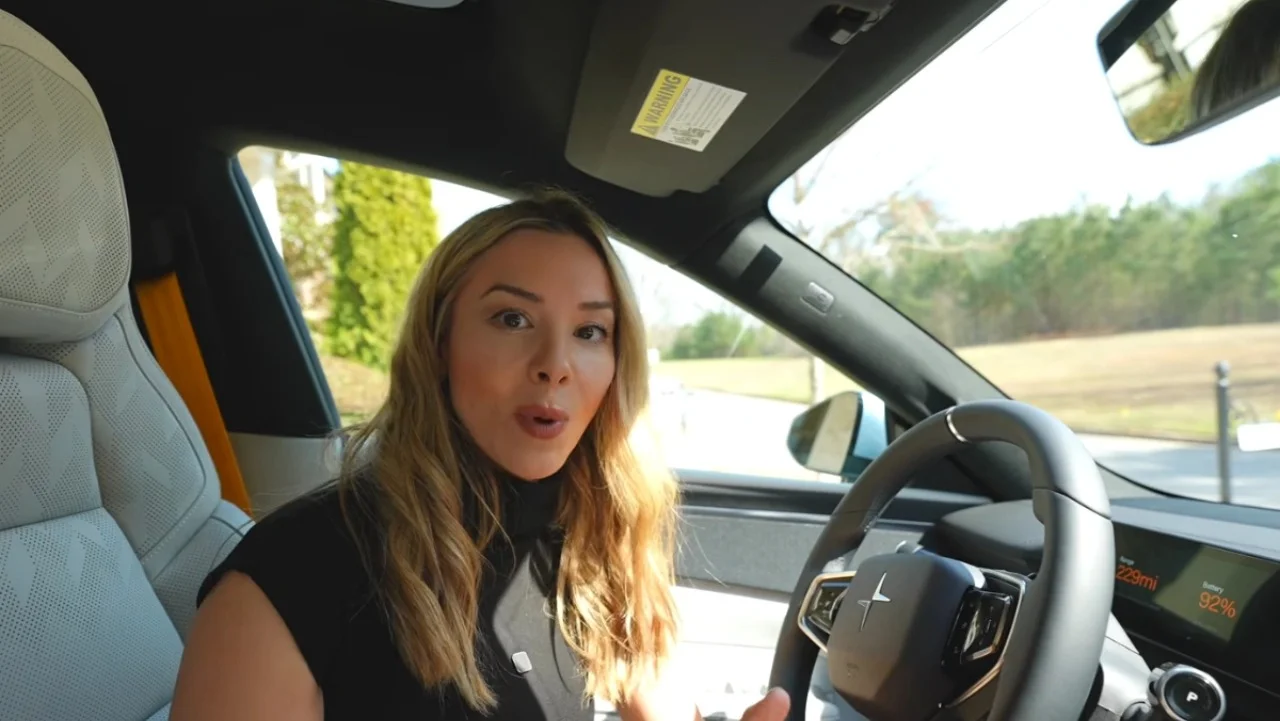

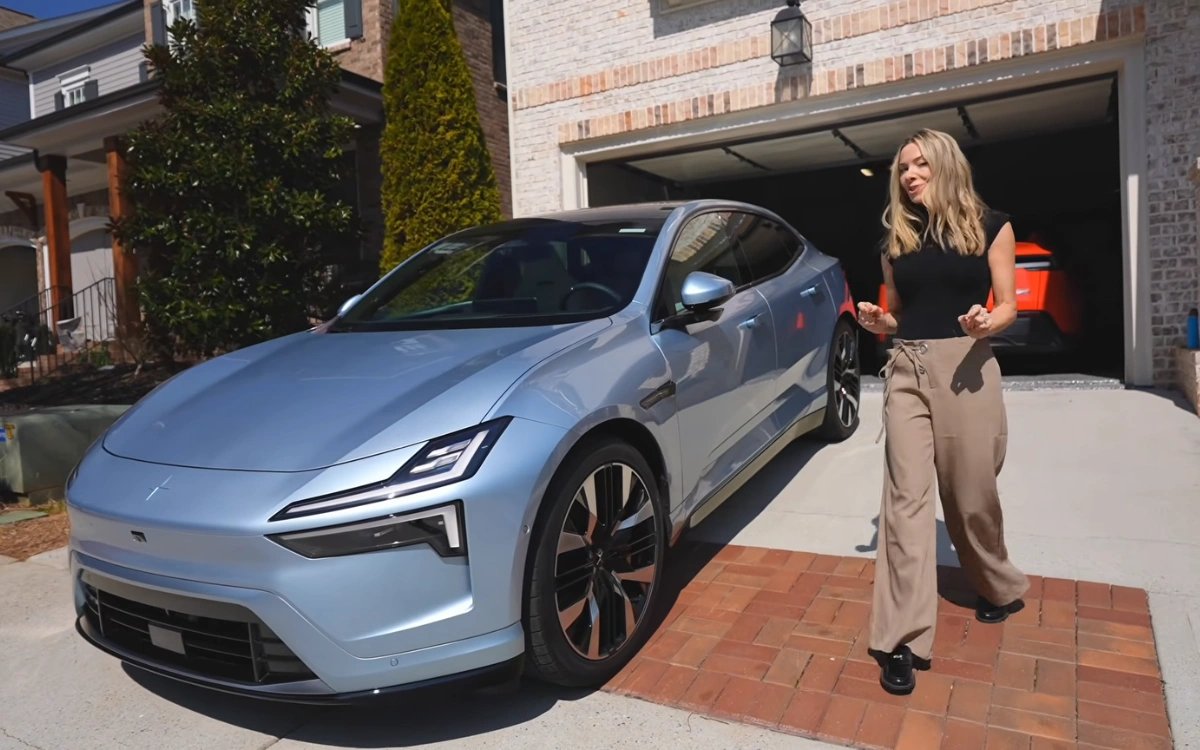
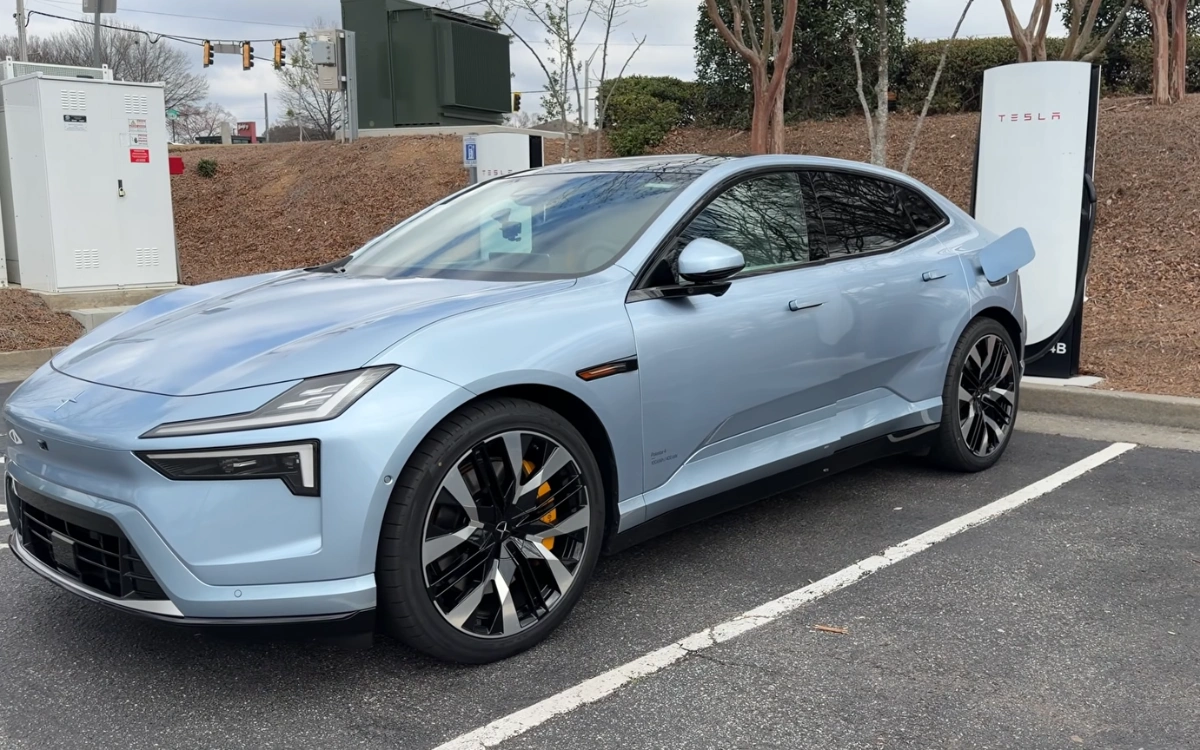
This woman drove the Chinese EV Polestar 4 in Atlanta, which feels even more special right now because this car is about to be banned.
After spending a week behind the wheel, YouTuber Kim Java said the experience completely changed her expectations.
Polestar has been banned from selling cars in the US after a major government ruling that will stop the EV brand from offering new models from 2027.
They had been steadily growing their presence in America, with one of its SUVs even being built there.
This Chinese EV has something in common with both Volvo and Lotus
Originally used as a sub-division for Volvo, the name Polestar is now under the same umbrella as Volvo, Smart, and even Lotus.
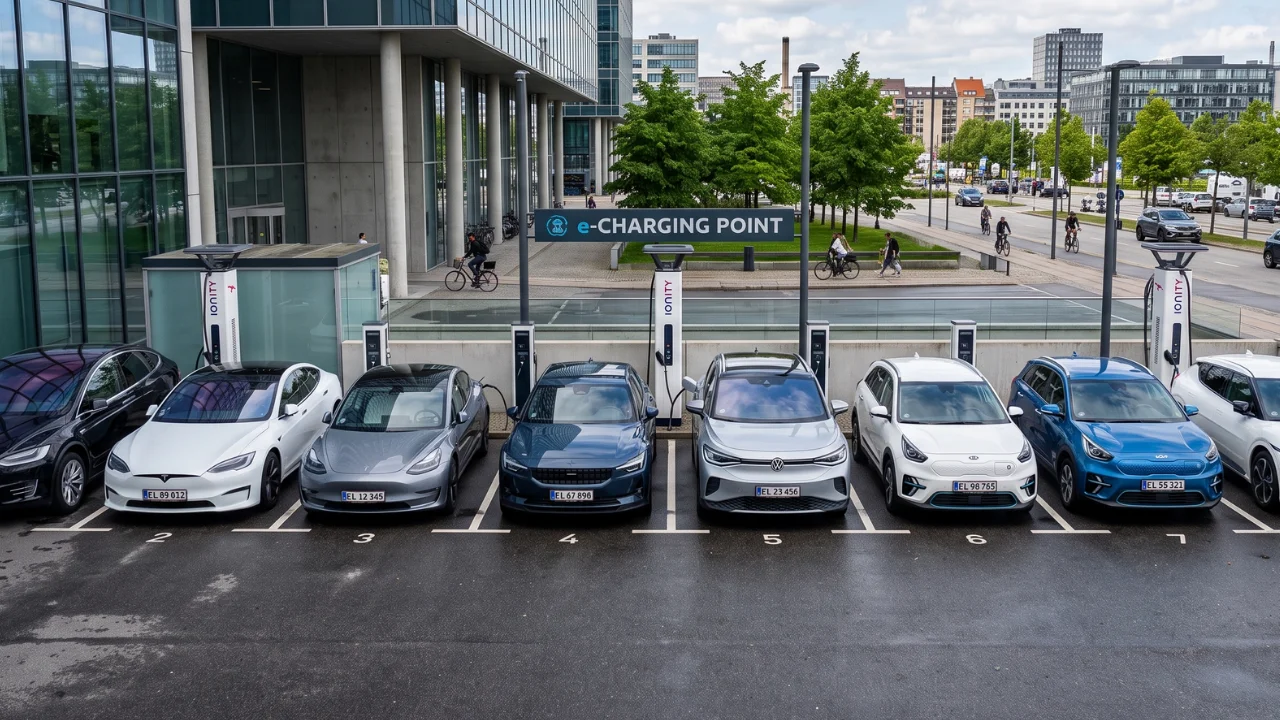
They’re all part of Geely, a massive Chinese conglomerate.
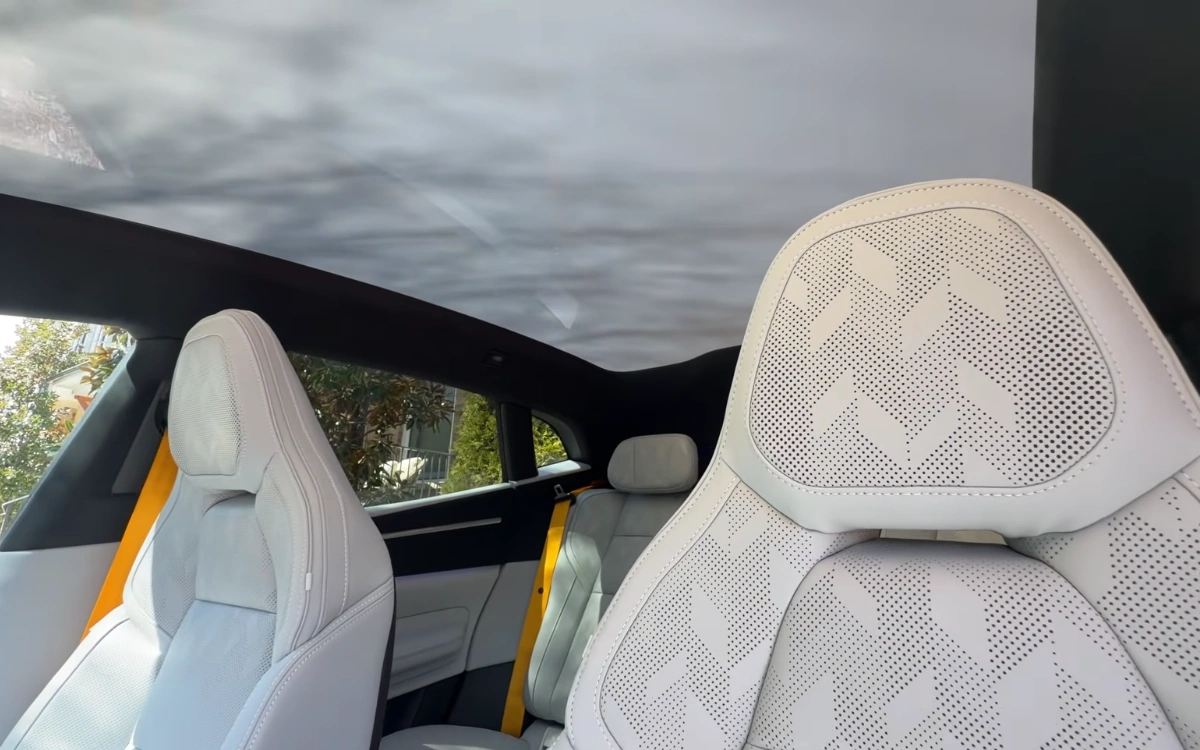
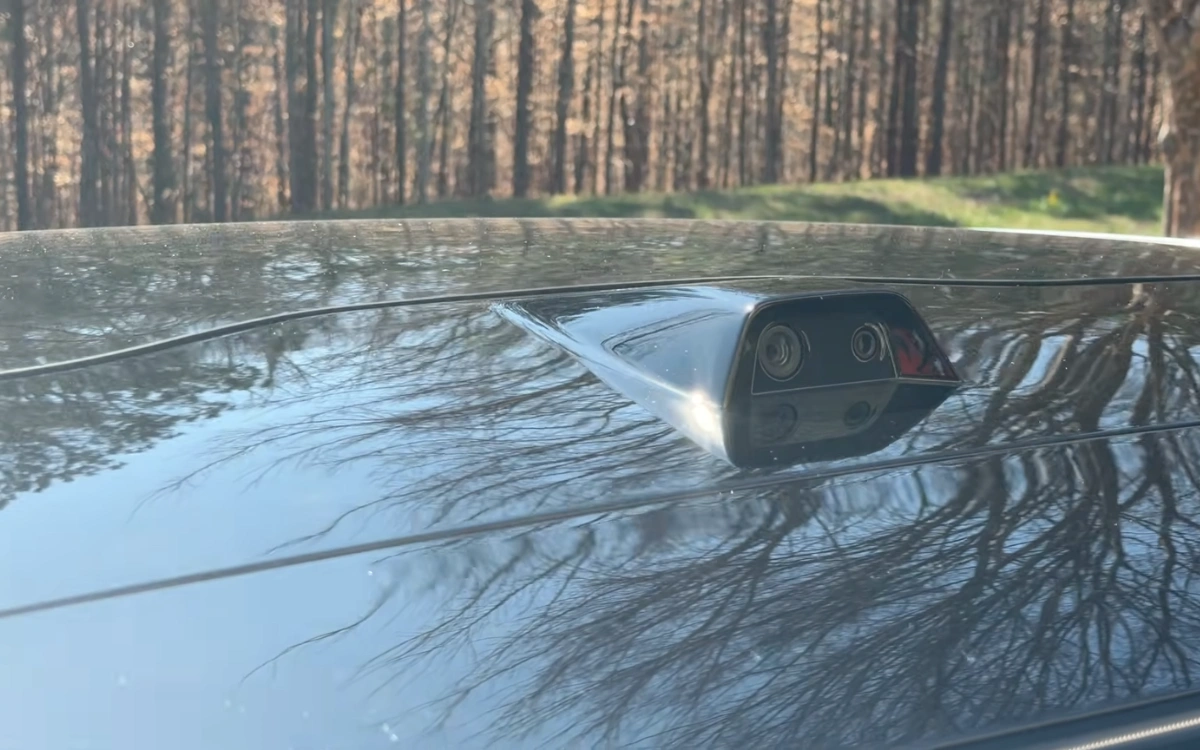
With the Polestar 4, the automaker did something radical: unlike nearly every modern vehicle, it has no rear window at all.
Instead, the view behind the car came from a roof-mounted HD camera that fed directly into a digital rear-view mirror.
According to YouTuber Kim Java, this feels very strange first, but you get used to it quite quickly.
Under the hood, the Polestar 4 packed a sizable 100kWh battery, which gives it 310 miles of range for the rearl-wheel-drive version, and 280 miles for the dual-motor, all-wheel-drive variant.
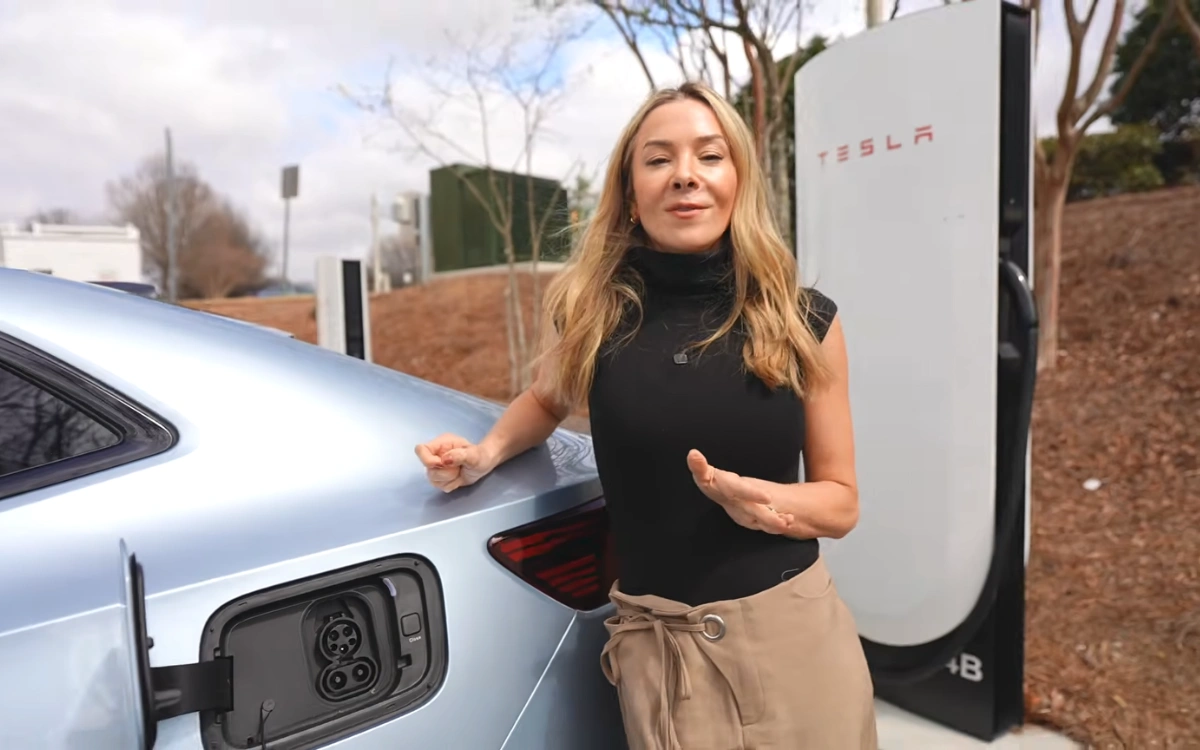
Fast charging peaked at roughly 200kW, allowing the battery to go from 10 percent to 80 percent in about 30 minutes, which placed it squarely in the middle of the EV charging pack.
Where the vehicle really shone, however, was the interior.
Kim said: “The build quality feels absolutely amazing and I love how modern and kind of has that Scandinavian style design inside of it.”
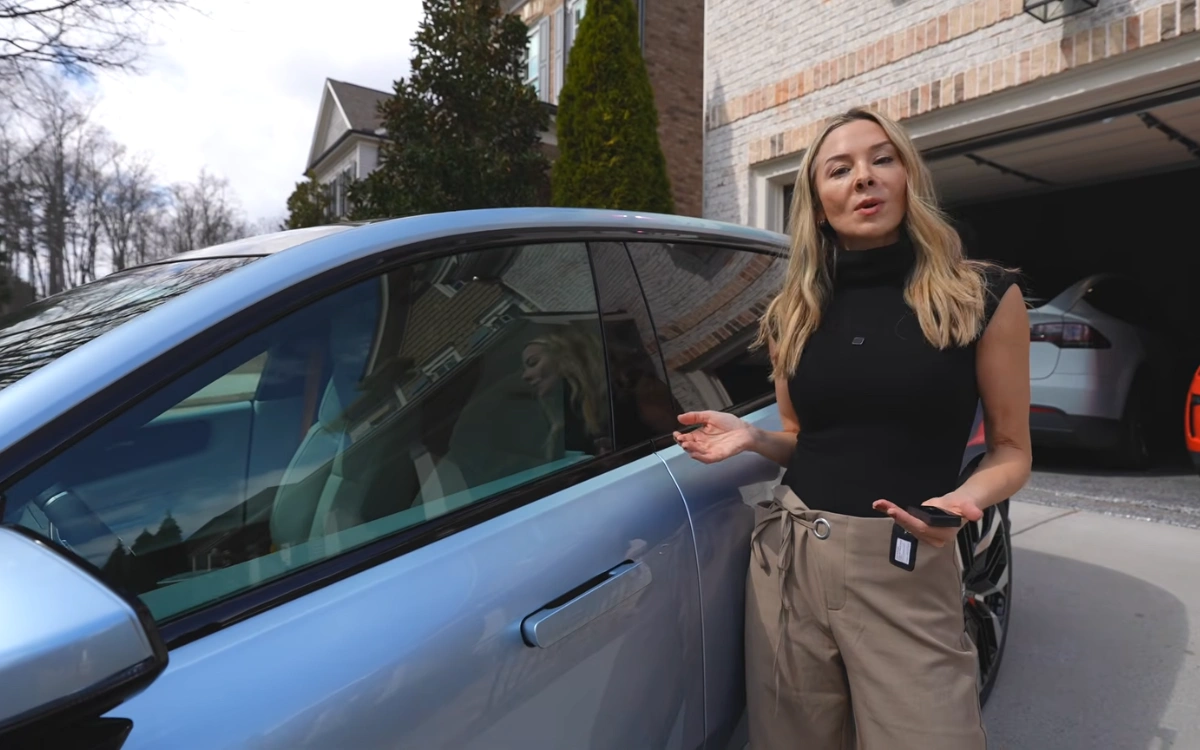
You also get features like massaging seats, customizable ambient lighting, and an electrochromic glass roof added to the upscale experience.
Even the audio system was high-end, with a 16-speaker setup that included speakers built directly into the headrests.
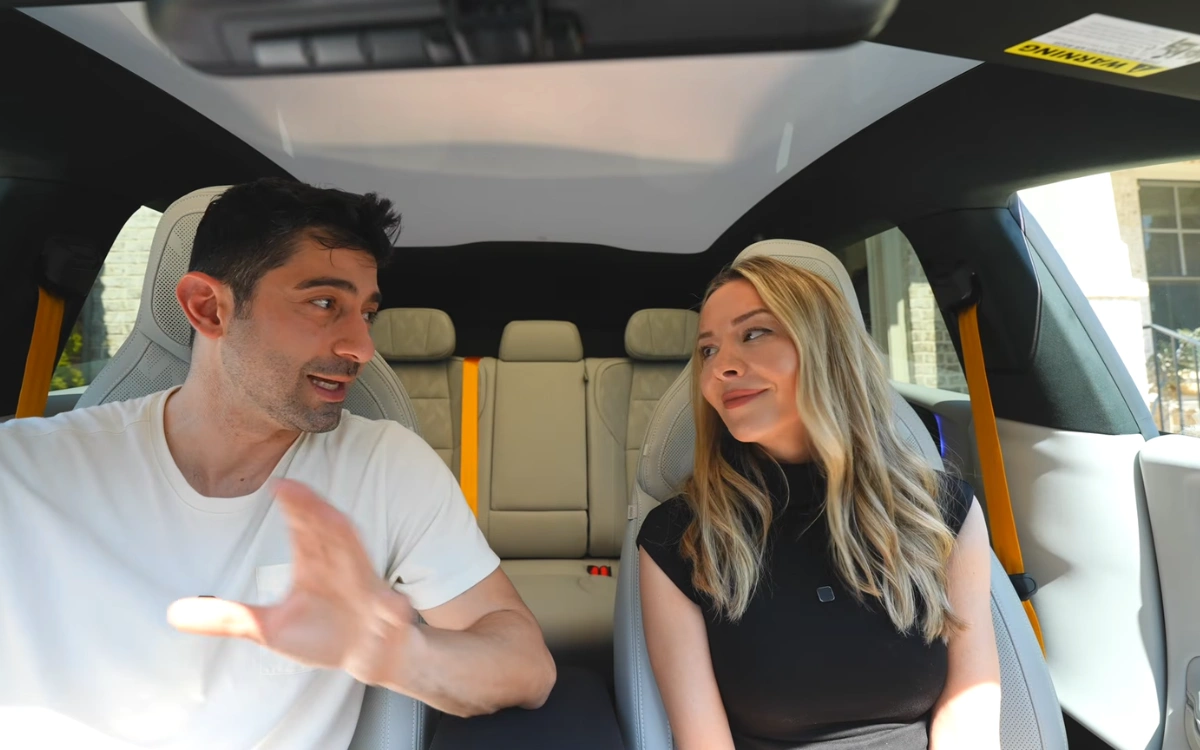
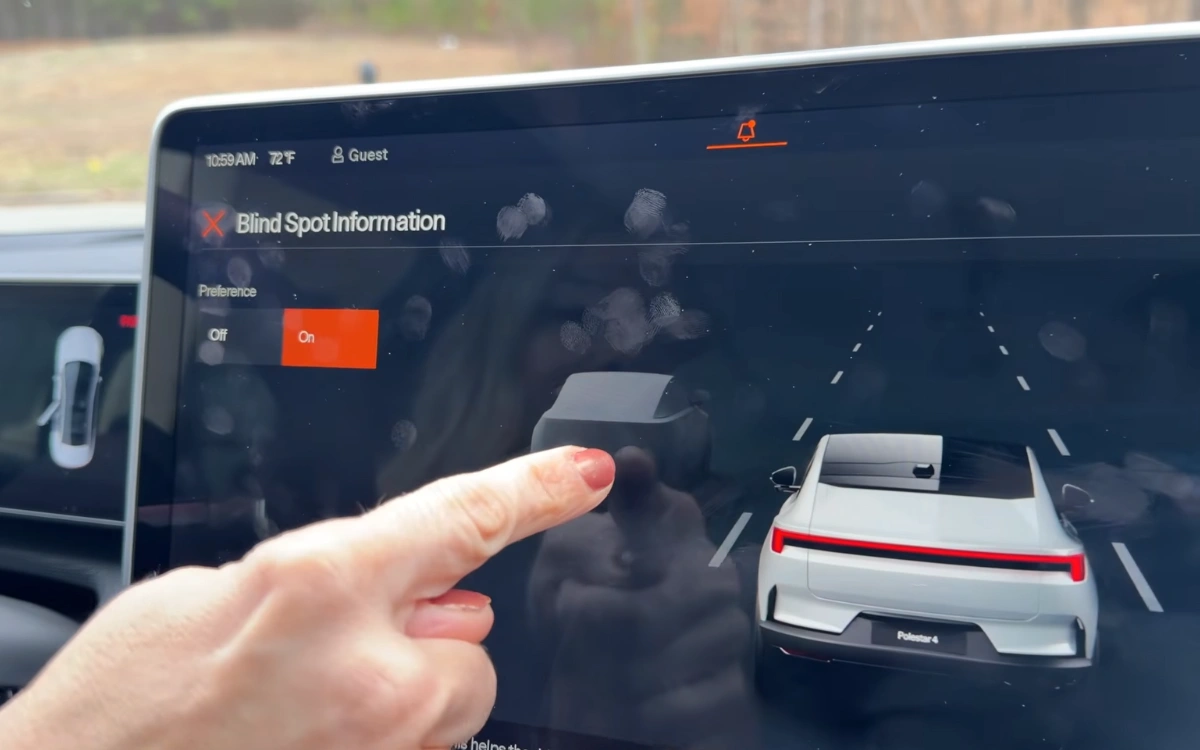
Driver assistance included lane centering and adaptive cruise control similar to early versions of Tesla Autopilot.
However, Java noted that the system felt nowhere near as good as Tesla’s FSD, particularly during lane changes and complex road situations.
However, Java’s co-host, PJ, did say that Polestar had created something more luxurious than US rival Tesla.
He said: “To me, Tesla’s premium. This is luxury.”
The Polestar 4 is actually produced in South Korea
When the US introduced a 100 percent tariff on Chinese-built EVs, the original China-built version of the car would have instantly doubled in price.
To avoid that problem, Geely shifted production to South Korea, which had a free trade agreement with the US.
As a result, this Chinese EV still made its way to the US, albeit with a significantly higher price tag.
It started around $56,000, though heavily optioned versions could climb past $80,000.
This workaround didn’t last long, though.
This Chinese EV, along with all Polestar models, is now facing a sales ban in the United States starting with the 2027 model year due to national security regulations targeting connected vehicle technology linked to China.
The Polestar 3 is assembled in South Carolina, and even though the SUV is built in the US, the ownership structure means it is still caught by the new rules.
Countries are beginning to realize that, when it comes to software, what matters is the location of the servers.
Denmark, Norway, and the UK learned one after the other – the hard way – that the Chinese buses they’d bought could indeed be controlled remotely by the manufacturer.
To be clear, remote kill-switches or foreign control capabilities are mostly raised as potential security vulnerabilities and there haven’t been proven widespread incidents where manufacturers actively drove or shut down European municipal fleets remotely.
But some governments don’t want to take any chances.
That’s the reason why all foreign automakers, including Tesla, are required to store all data collected in China within China.

Alessandro is an automotive journalist with 10 years of experience covering supercars, automotive history, emerging vehicle technology, and luxury transportation. He wrote the first article published on SupercarBlondie.com when the website launched in 2022 and has since built a reputation for insightful reporting across the automotive and transportation industries. His expertise is grounded in hands-on experience. Alessandro has driven every Tesla model ever produced, from the original Roadster to the Cybertruck, and regularly covers the latest developments in electric vehicles and automotive innovation. His passion for transportation extends beyond cars, he has even flown a Boeing 787 Dreamliner simulator in Addis Ababa, Ethiopia. His reporting spans everything from classic American muscle cars and rare automotive discoveries to luxury yachts, private aircraft, high-end watches, and cutting-edge vehicle technology. Known for his deep knowledge of automotive history and ability to uncover the stories behind iconic vehicles, Alessandro brings readers a blend of historical context, technical expertise, and first-hand experience.