AI-powered autonomous Cessna Caravan plane flies 3,199 miles across the US with no pilot input for the first time ever
Published on Sep 23, 2026 at 8:02 AM (UTC-4)
by Daisy Edwards
Last updated on Sep 24, 2026 at 2:06 AM (UTC-4)
Edited by
Kate Bain
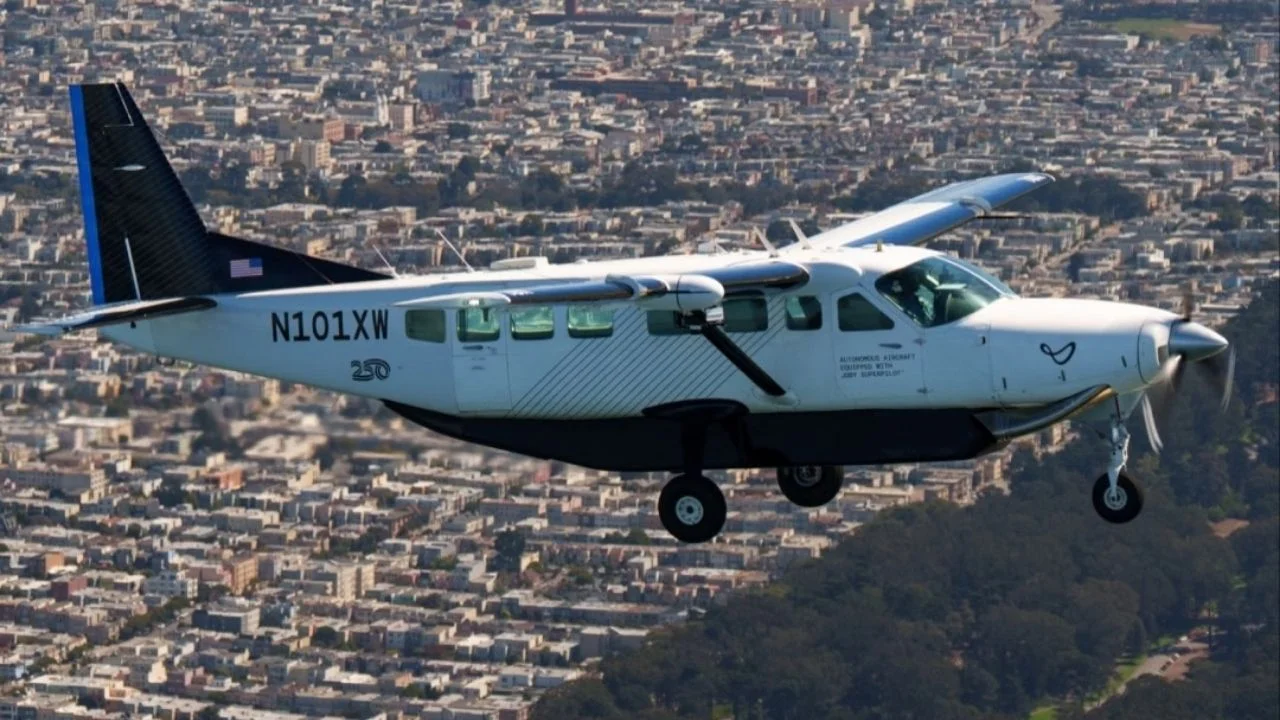

The idea of an autonomous Cessna Caravan plane flying itself with no pilot across the country sounds like something from the distant future, but it has already happened.
Joby Aviation has completed a 3,199-mile journey across the US using an autonomous Cessna Caravan equipped with its AI-powered flight technology.
The aircraft flew from California to North Carolina while a safety pilot remained onboard but made no control inputs during the flight.
Instead, the aircraft handled everything from taxiing and takeoff to navigation and landing while being supervised remotely from thousands of miles away.
The Cessna Caravan flew itself across the US
Joby’s autonomous Cessna Caravan airplane completed the journey from California to North Carolina without the safety pilot physically controlling the aircraft.
Although they were there, there was no pilot interaction during the whole cross-country flight, with the autonomous system handling the aircraft’s movements throughout the journey.
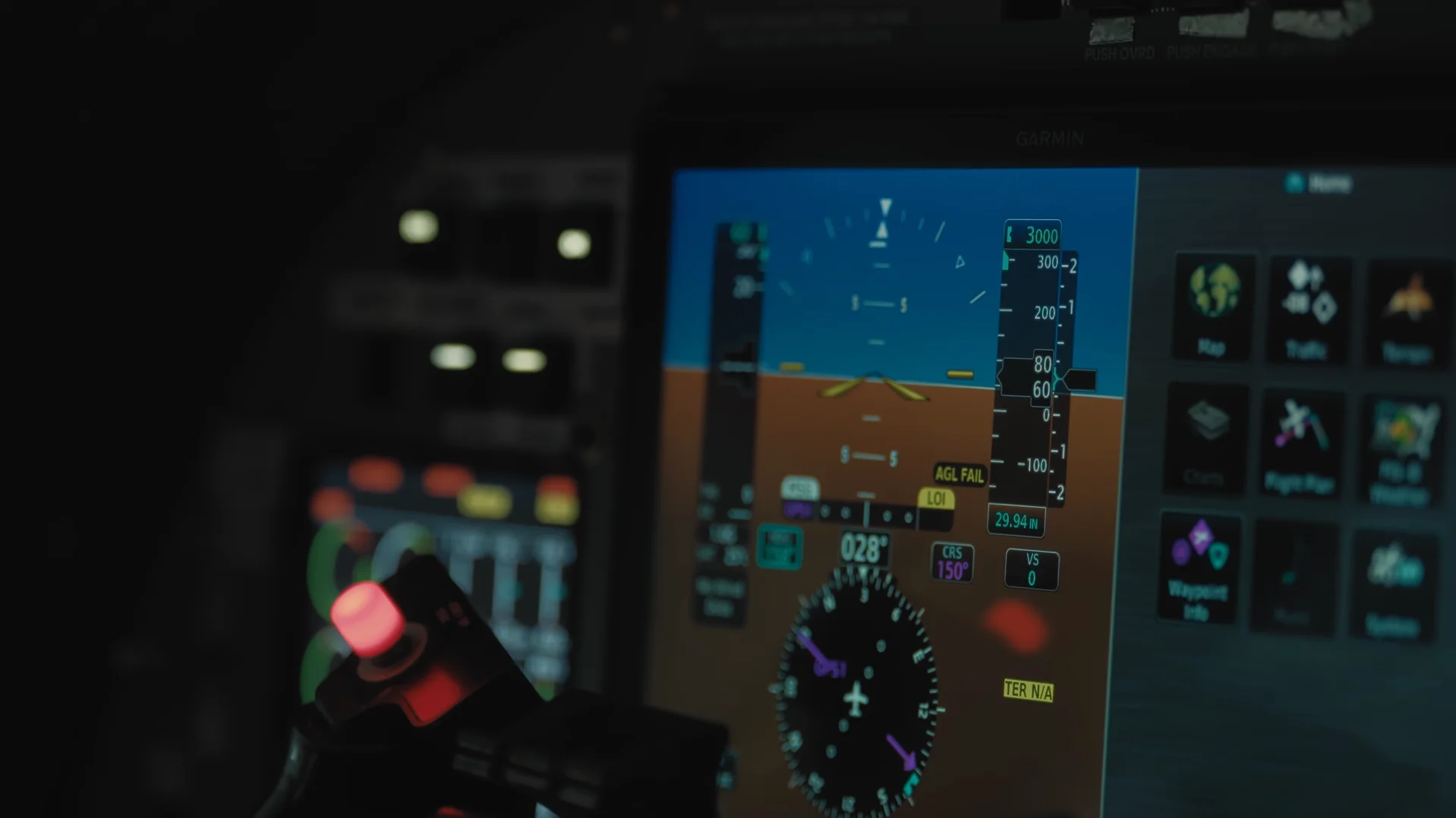
The technology uses cameras, lidar and radar to understand what is happening around the airplane.
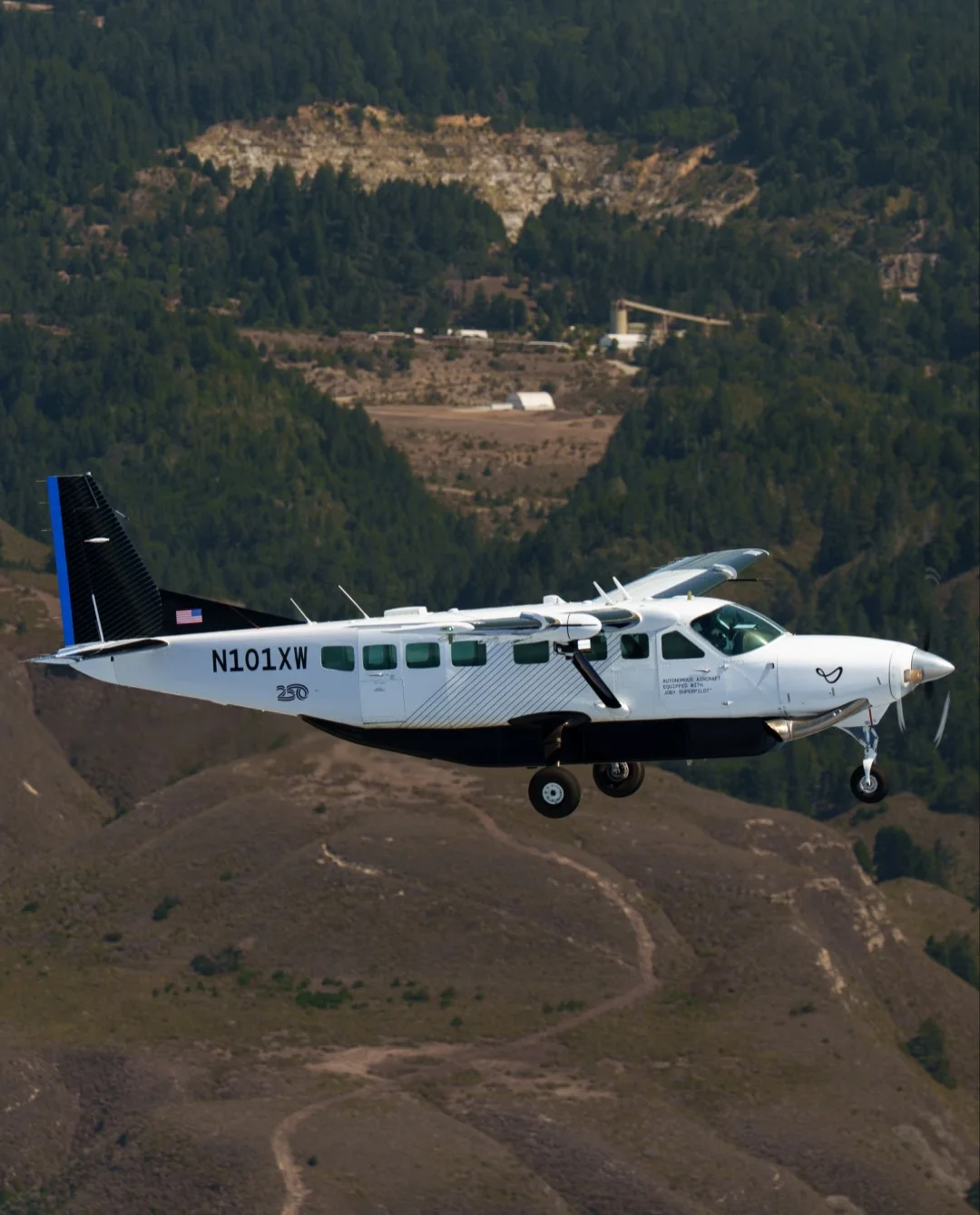
The machine vision can identify objects and runways, while an onboard detect-and-avoid radar can detect other aircraft from up to around four miles away.
All of that information is processed onboard, allowing the aircraft to make decisions about its surroundings and respond accordingly.
The system can also operate the Cessna plane from gate to gate, including starting the engine, taxiing, taking off, flying the planned route, landing, and shutting down.
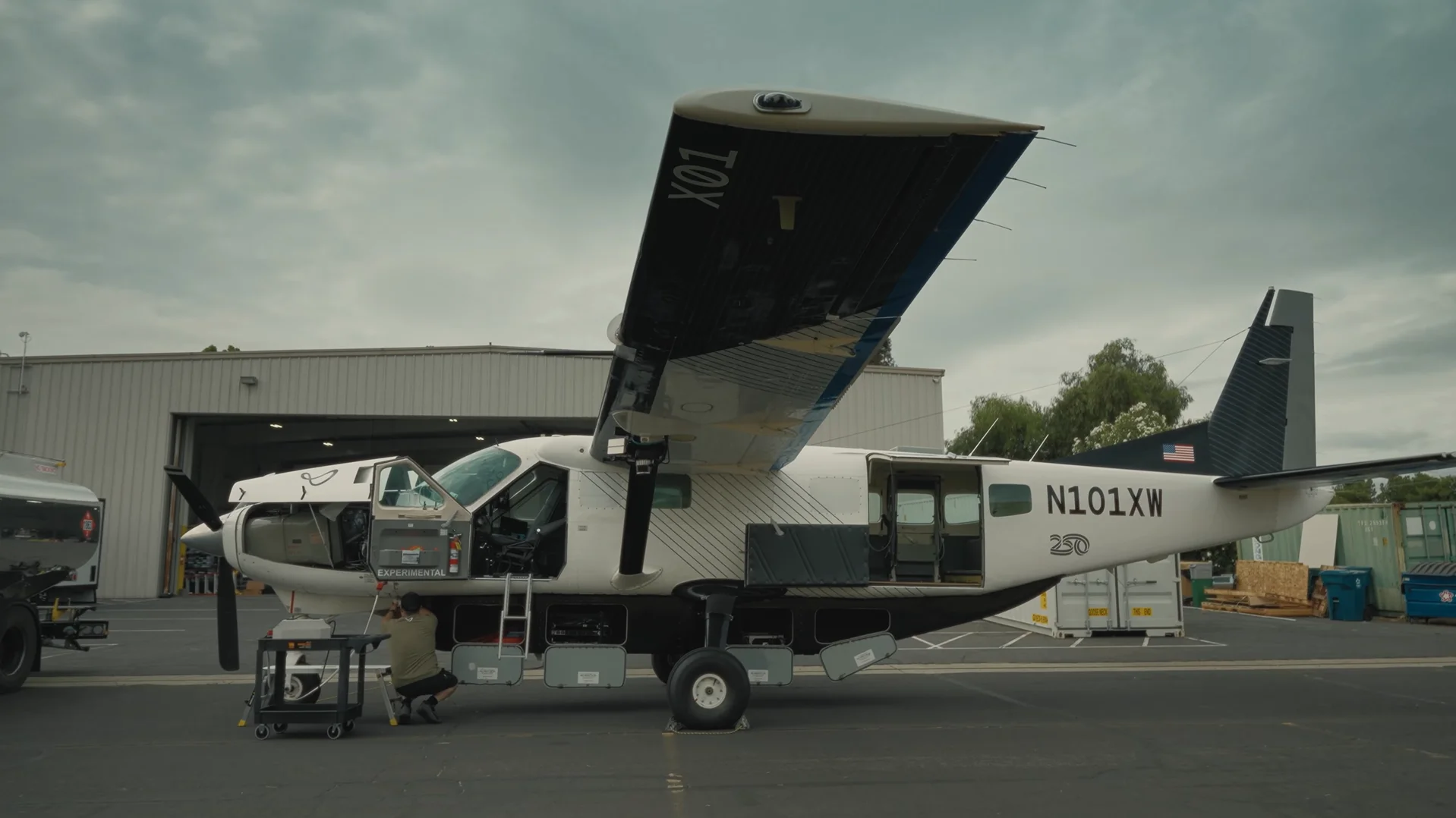
But this wasn’t quite a completely pilotless flight.
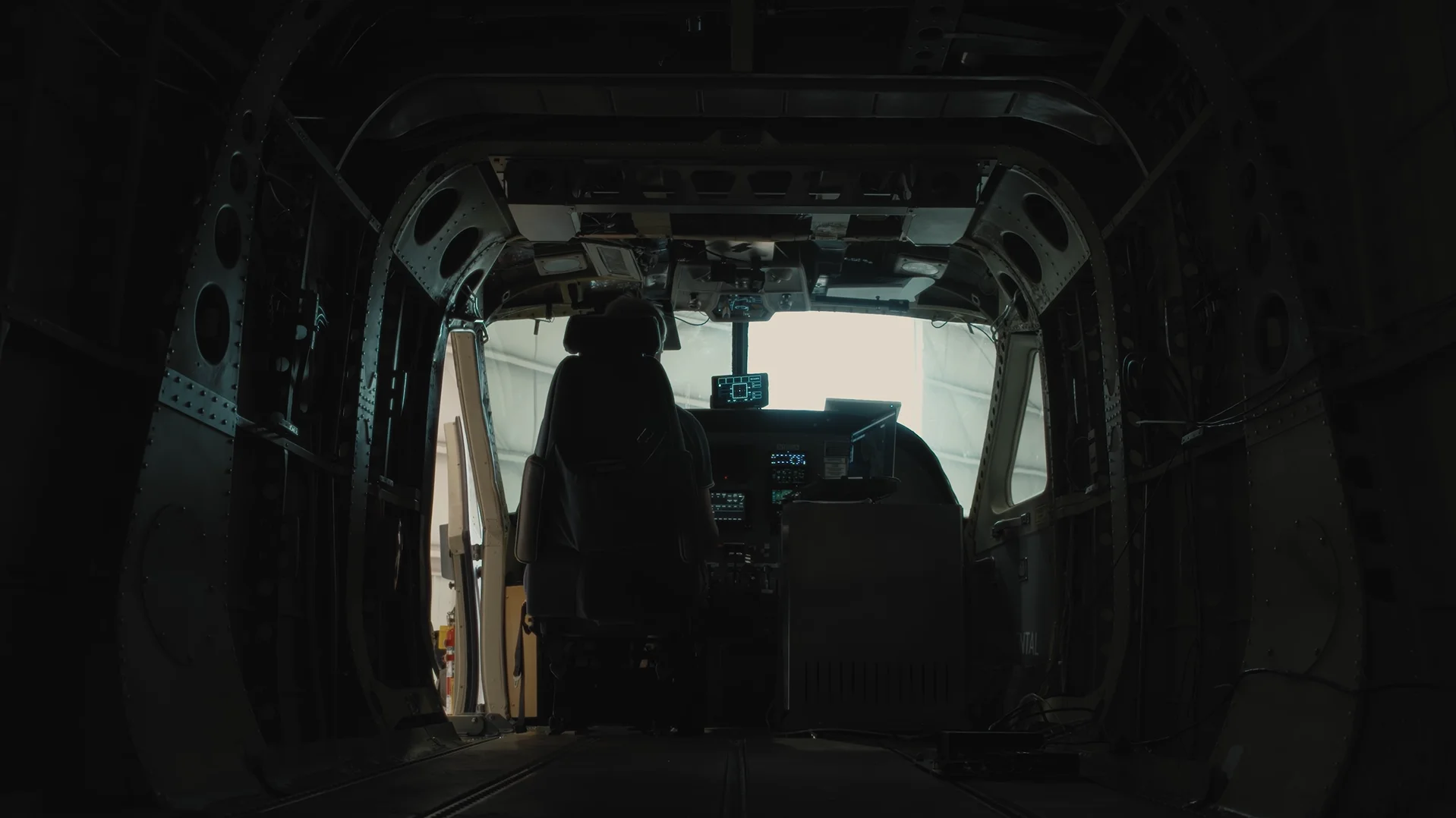
A safety pilot was still sitting inside the Caravan as a backup, meaning a human was available to intervene if something went wrong.
However, the important part is that they didn’t need to take control during the 3,199-mile journey.
A pilot can control the plane from thousands of miles away
Joby’s approach isn’t about getting rid of pilots completely.
Instead, the company sees autonomy as a way of changing what pilots actually do for better efficiency.
Rather than sitting inside the aircraft and physically flying it, a pilot can monitor the flight remotely and make higher-level decisions.
The ground operator can communicate with air traffic control, modify the flight plan and respond to changing conditions using a keyboard, mouse, and microphone.
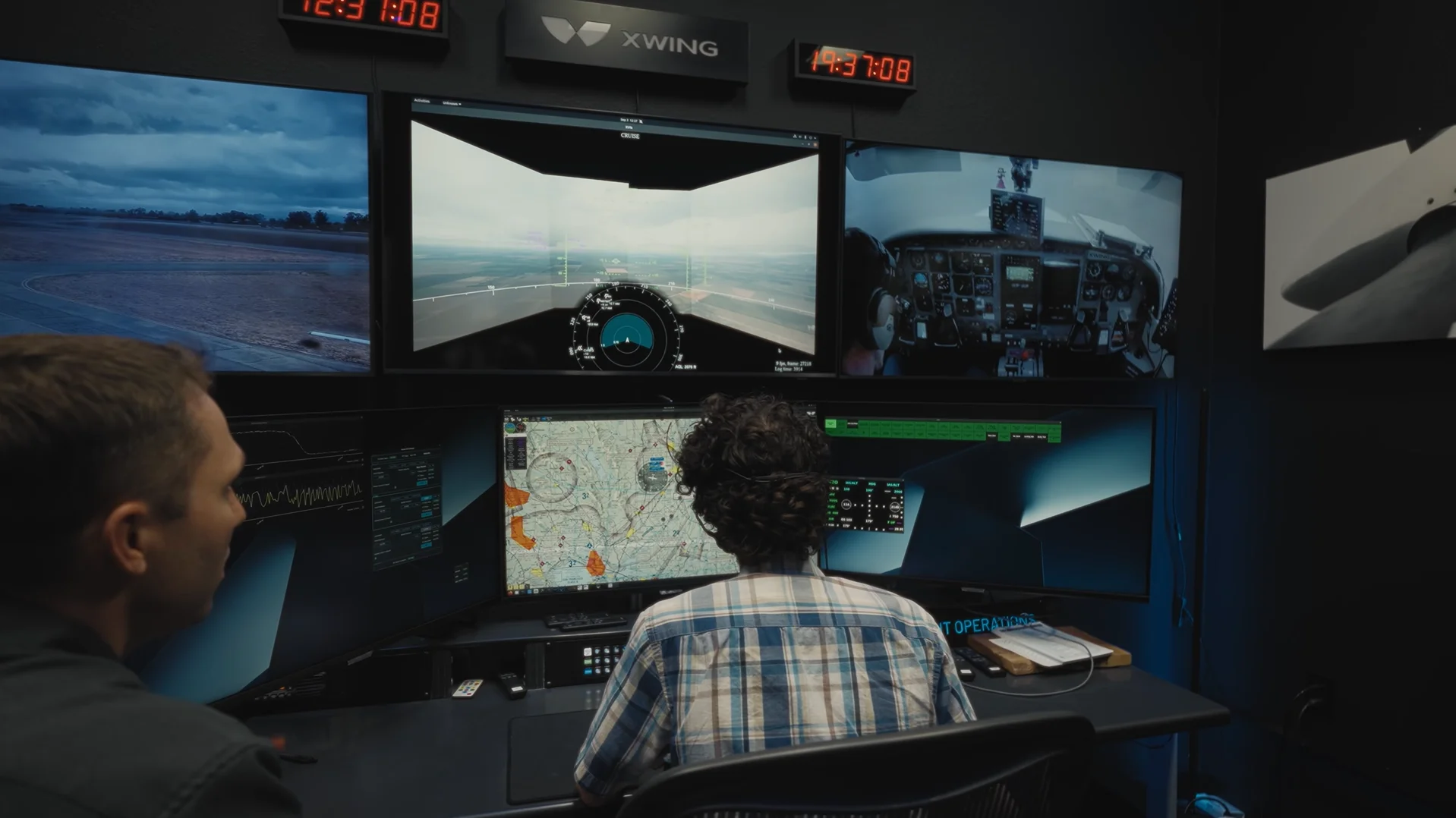
If the aircraft loses its connection to the ground operator, it’s also designed to continue following its flight plan and return home autonomously.
Joby believes this could eventually make cargo aviation much more flexible, allowing one pilot to oversee multiple aircraft in different locations instead of being tied to a single plane.
The company has also highlighted potential military applications, where a smaller autonomous aircraft could quickly transport critical parts without needing to wait for enough cargo to fill a much larger aircraft.
The technology is still being tested and certified, so autonomous aircraft aren’t about to replace conventional planes overnight.
But a 3,199-mile flight with no pilot intervention is a pretty major step toward a future where planes can fly themselves.
Daisy is a technology and automotive journalist covering artificial intelligence, consumer tech, Apple news, cryptocurrency, emerging technologies, and transportation innovation. Since joining the team in 2025, she has reported on everything from AI-powered startups and major iOS updates to viral car stories and the latest developments shaping transportation and the digital economy. Drawing on her background in automotive journalism and a degree in History and Journalism from Goldsmiths, University of London, Daisy specializes in breaking down complex topics into clear, engaging reporting for a global audience. Her work spans cutting-edge technology, innovative vehicles, and the people driving change across both industries. Daisy has gained first-hand access to some of the world's most talked-about technologies and innovators, including meeting Tesla's Optimus humanoid robot during its first European appearance in London. She has also discussed the future of space exploration with an astronaut, bringing unique insights and real-world perspectives to her coverage of emerging technology.