How the BMW vs Mercedes DTM rivalry made the E30 M3 and 190 more than just standard sedans
Published on Jun 07, 2026 at 3:51 AM (UTC-4)
by Alessandro Renesis
Last updated on Jun 07, 2026 at 3:51 AM (UTC-4)
Edited by
Emma Matthews

The BMW E30 M3 and the Mercedes 190 E weren’t created because the two brands were bored or trying to drive sales.
They were created to win races on the track.
This is a recurring theme in automotive.
But there’s one thing about the two high-performance sedans that sets them apart.
Why so many icons are the result of fierce rivalries on the track
So many automotive icons are the direct result of clashes on the track.

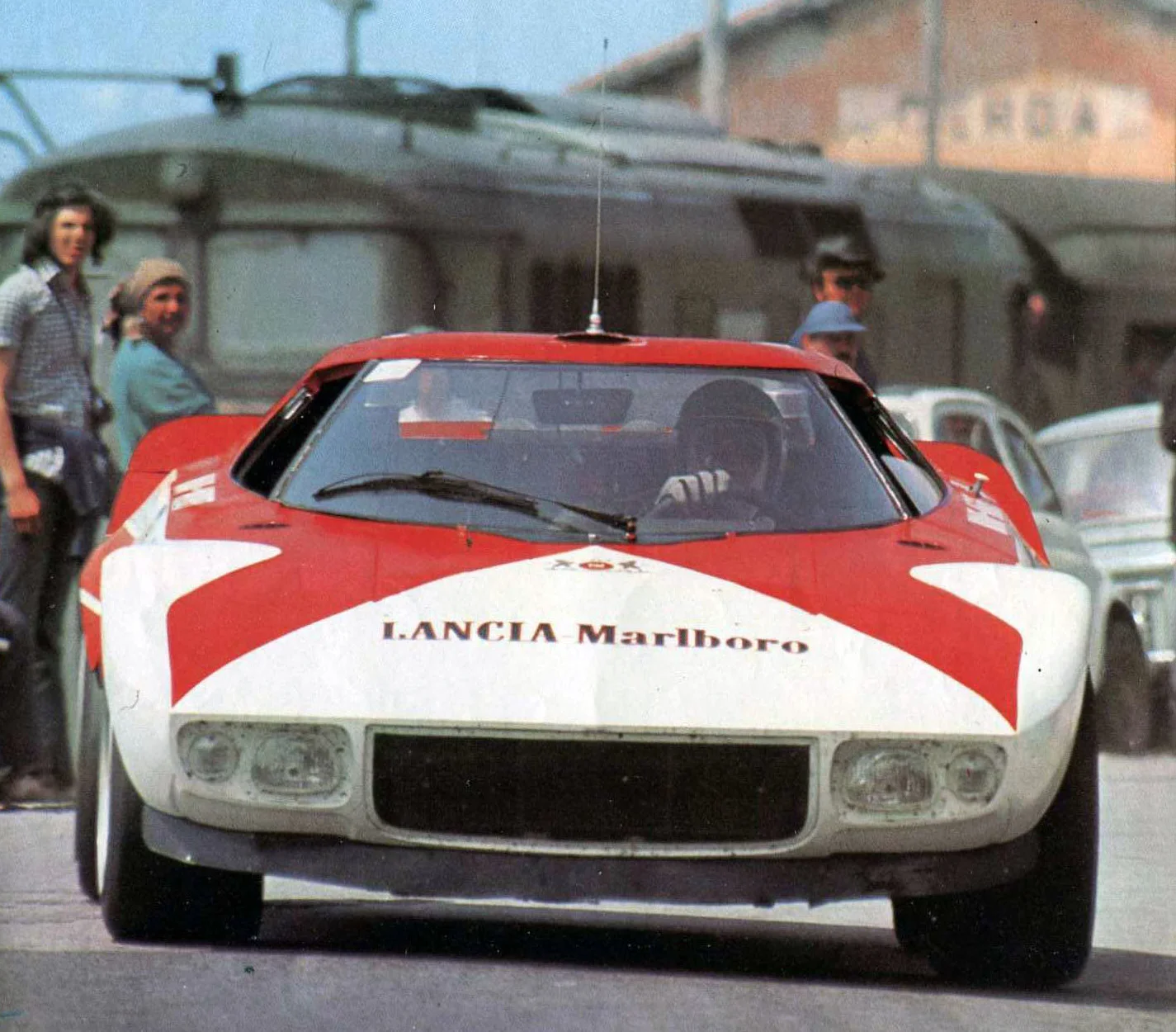
The Ford GT40 was created to beat Ferrari, as was the Lancia Stratos, pictured below, which was created to win rallies in France, not hearts in Monaco.
Enzo Ferrari famously only sold cars to finance his racing; he couldn’t care less about road cars, he just wanted to win races.
The dynamic has changed a little, but not that much.
Not every automaker is involved in motorsport, but those who are still following the same sequence.
Sell road cars, make money, invest that money to build a race car, win races and make headlines, boost your profile to sell more road cars.
Rinse and repeat.
How these two cars went from ‘homologation’ specials to road legends
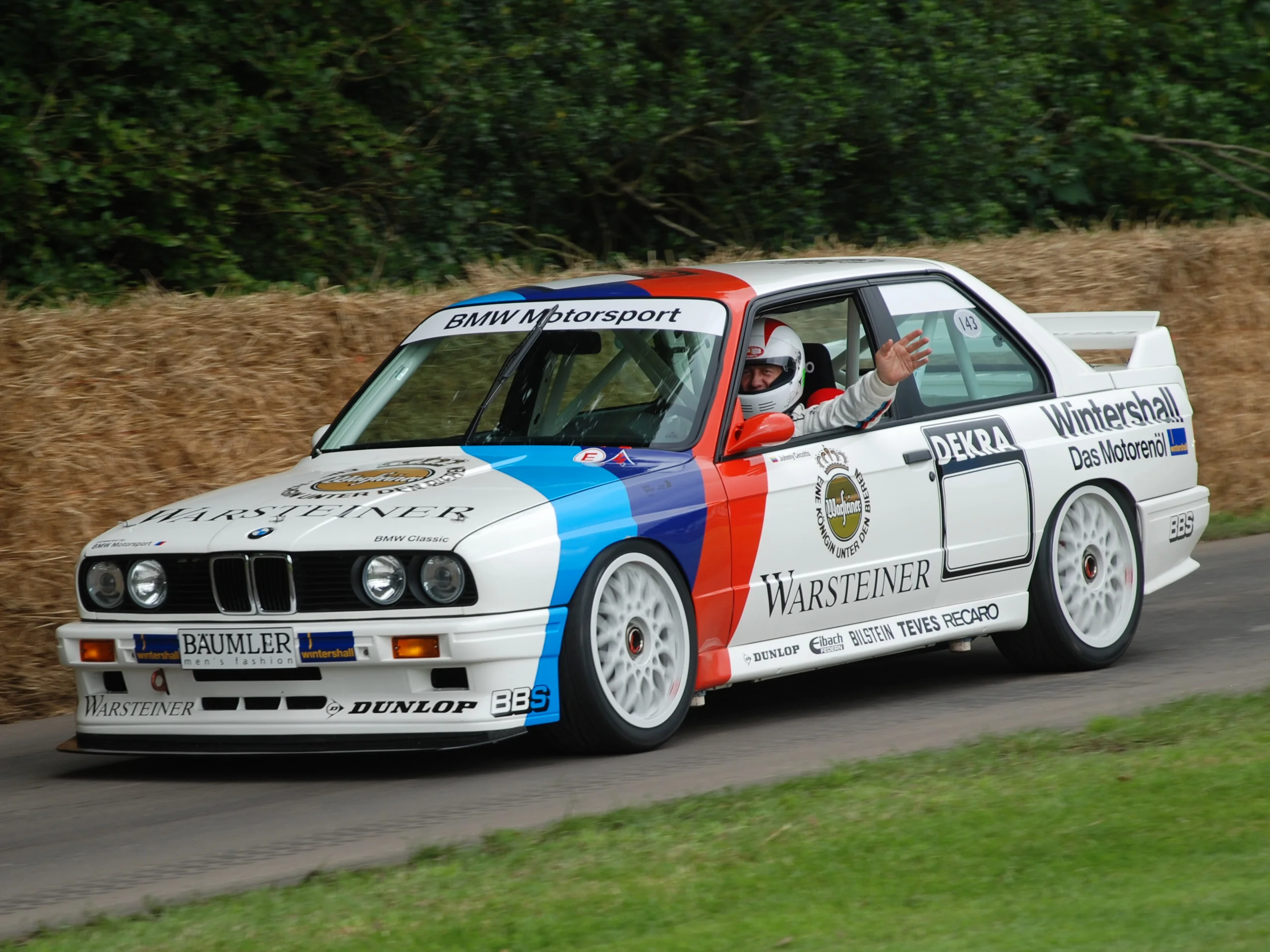
The first BMW M3 was based on the E30 3 Series and was initially intended to be a homologation special for the DTM (Deutsche Tourenwagen Meisterschaft).
In order to take part in DTM’s Group A races, BMW had to build at least road-going 5,000 units within 12 months, which they did.
But the car was so spectacularly successful that BMW decided to keep producing it.
Around 40 years and six generations later, the M3 is still here.
Still alive and kicking, and still appreciated by a wide pool of people who love cars – including rapper DJ Khaled, by the way.
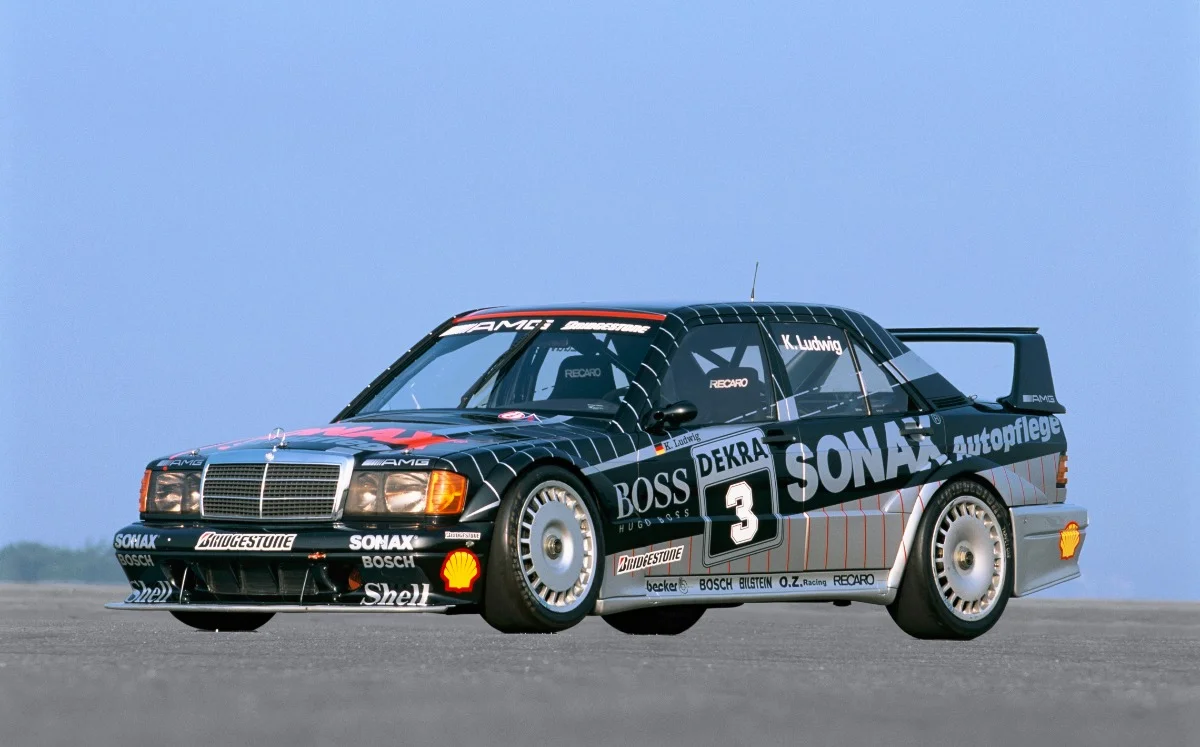
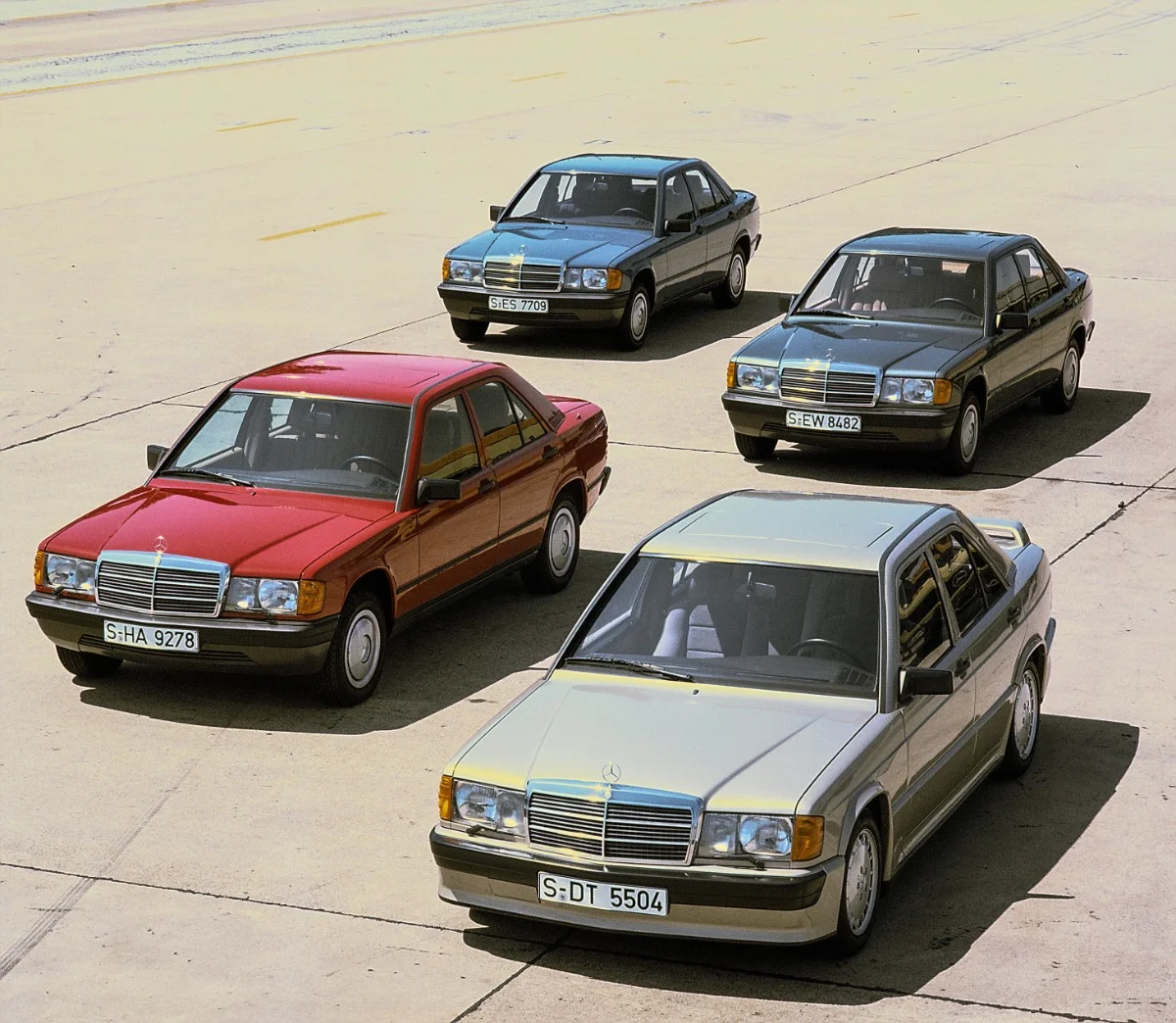
The Mercedes 190 E, pictured below in the Sonax livery that won the DTM in 1992, had a slightly different trajectory.
The M3 was a race car adapted for the road, whereas the 190 was a luxury car adapted for racing.
Also, unlike the BMW M3, it wasn’t created for the DTM because it already existed.
The 190 was a mildly successful sedan that Mercedes decided to use to compete in both rallying and the DTM.
In the late 1970s, Mercedes began working on a DTM-spec sedan, which eventually resulted in the 190 E 2.3-16.
Between 1988 and 1993, the 190 E 2.3-16 recorded 50 DTM victories.
More importantly, the 190 E 2.3-16 helped cement the success of its street-legal twin.
In 1993, having sold over 1.8 million units, Mercedes decided to discontinue the 190 and replace it with the C-Class.
What makes the BMW E30 M3 and Mercedes 190 E special
Automotive history is packed with epic stories that saw race-winning cars become road icons.
The only problem is that those icons are now impossible to buy.
The aforementioned Ford GT40, for example, costs seven figures to buy in today’s market.
The Lancia Stratos – one of the rarest Lancias in the world – is cheaper, but not by much.
You can’t find one for less than six figures, and mint examples often end up costing $300,000 or more.
But the BMW E30 M3, pictured below, and the Mercedes 190 E are not that expensive.
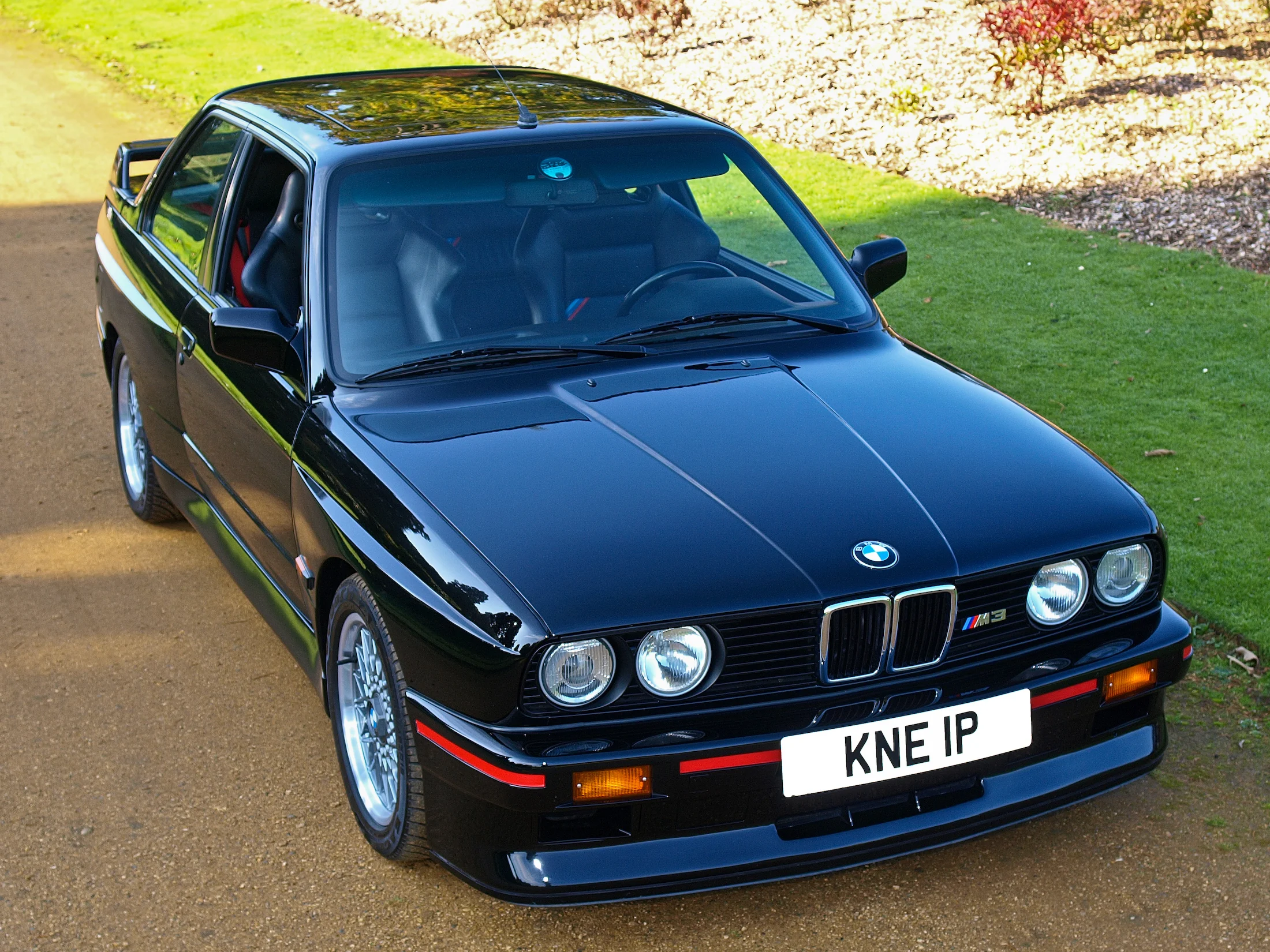
They’re not cheap, but attainable.
The average market price for a BMW E30 M3 is still below the $100,000 mark, and the Mercedes 190E is even ‘cheaper’.
You can find one for $40,000-$50,000.
Obviously, that doesn’t apply to rare examples such as the Mercedes 190 Evolution II, but, broadly speaking, they’re still within reach for most people.
And that’s more than we can say about the Stratos, the GT40, the Porsche 935, and so many other icons.
Alessandro is an automotive journalist with 10 years of experience covering supercars, automotive history, emerging vehicle technology, and luxury transportation. He wrote the first article published on SupercarBlondie.com when the website launched in 2022 and has since built a reputation for insightful reporting across the automotive and transportation industries. His expertise is grounded in hands-on experience. Alessandro has driven every Tesla model ever produced, from the original Roadster to the Cybertruck, and regularly covers the latest developments in electric vehicles and automotive innovation. His passion for transportation extends beyond cars, he has even flown a Boeing 787 Dreamliner simulator in Addis Ababa, Ethiopia. His reporting spans everything from classic American muscle cars and rare automotive discoveries to luxury yachts, private aircraft, high-end watches, and cutting-edge vehicle technology. Known for his deep knowledge of automotive history and ability to uncover the stories behind iconic vehicles, Alessandro brings readers a blend of historical context, technical expertise, and first-hand experience.