The intense process it took to get $400M Boeing 747 gifted to the US by Qatar ready in 8 months to become Air Force One
Published on Jun 25, 2026 at 5:23 AM (UTC-4)
by Ben Thompson
Last updated on Jun 30, 2026 at 7:17 AM (UTC-4)
Edited by
Kate Bain
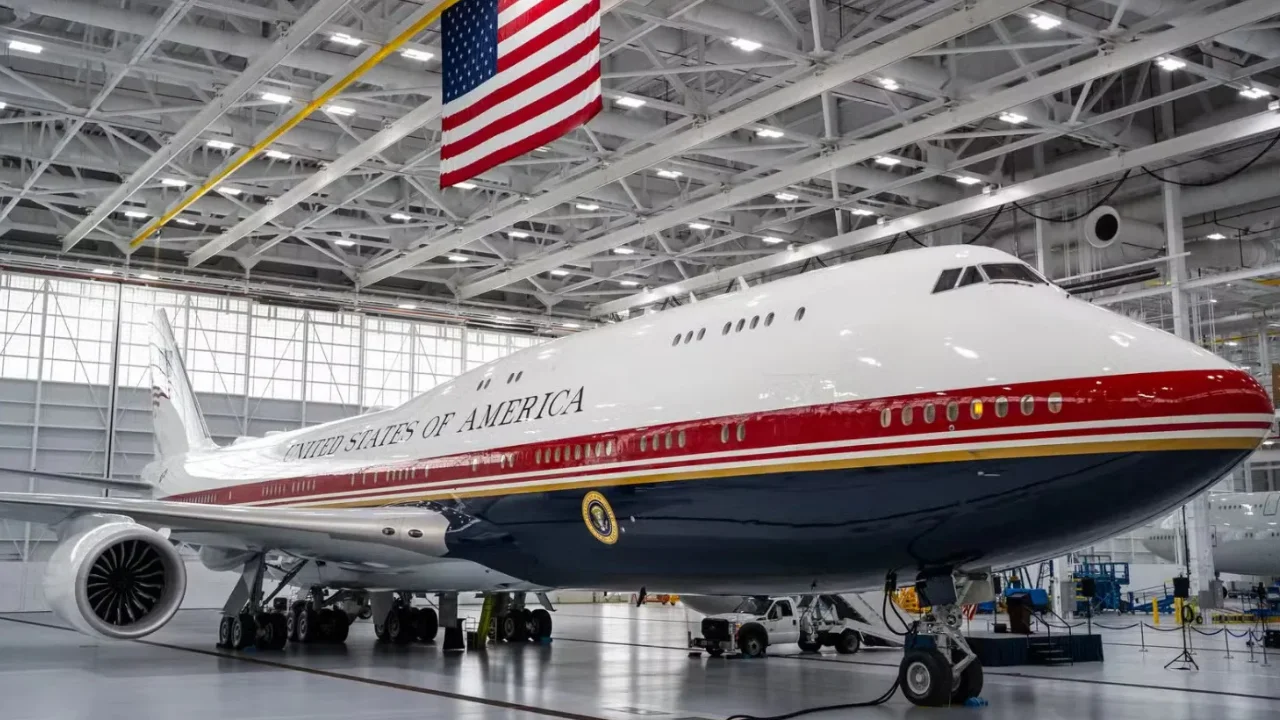

As you might expect, getting a Boeing 747 ready to be Air Force One in 8 months is an intense process.
The Qatar-gifted jet has been dominating headlines for the better part of a year now.
And now it has now finally been unveiled, defying all expectations.
But getting this plane ready on time was no easy feat, with a dedicated team working around the clock on the overhaul.
The Boeing 747 was gifted to the US by Qatar
Cast your minds back to the summer of 2025, and you’ll remember the headlines about Qatar gifting a Boeing 747 to the US.
It caused a whole heap of political controversy, but also generated a lot of interest.
Virtually every aspect of the plane was put under scrutiny, from its lavish interior to its unusual call sign.
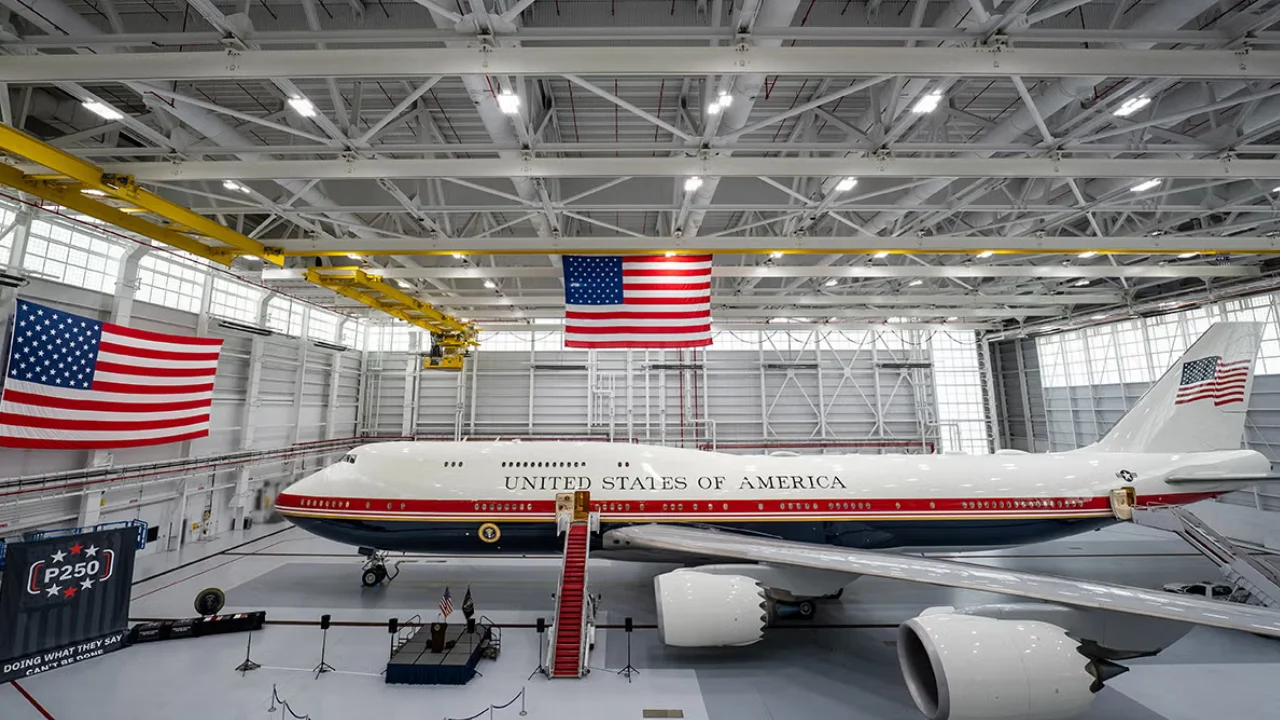
And then came the most shocking news of all – that the US government intended for this plane to be ready by the summer of 2026.
With the amount of work that would be required to get the jet Air Force One ready, there were plenty of naysayers.
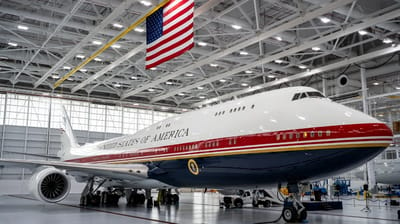
But inexplicably, the job was done, and the plane had its big debut on June 19.
In a speech at Joint Base Andrews, President Donald Trump unveiled the new Air Force One.
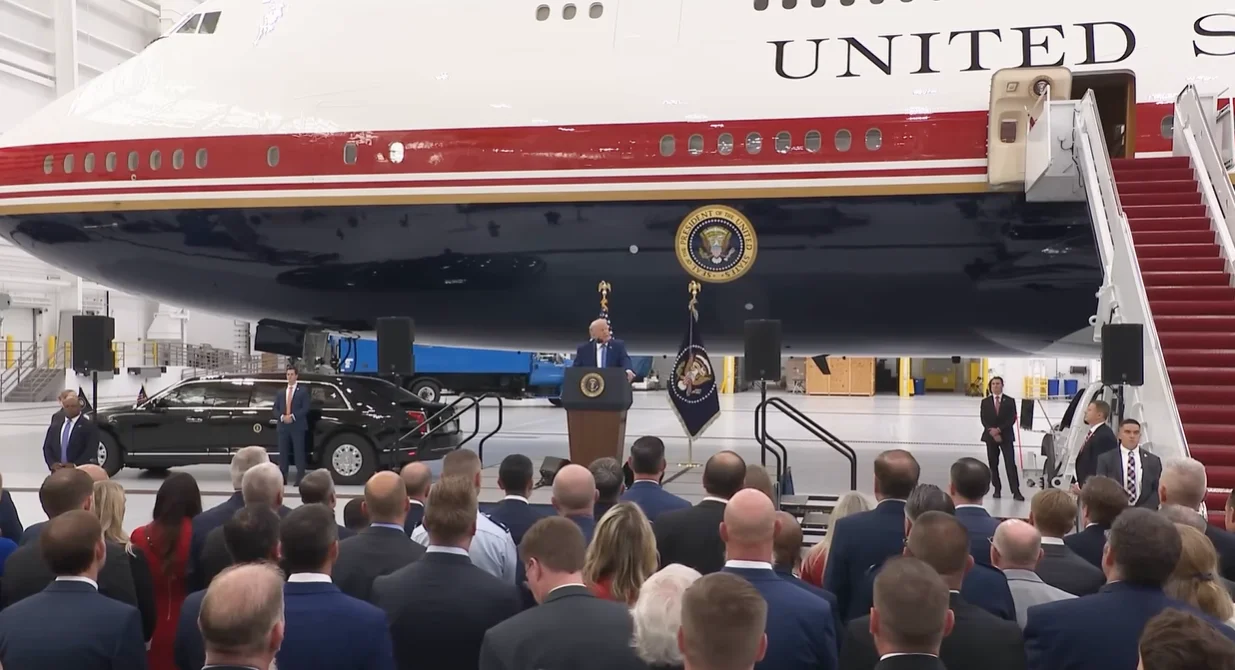
“This plane was transformed into a flying White House at a level of luxury that nobody’s ever seen before,” he told the press.
The jet certainly looked the part – but how was this quick turnaround pulled off?
Getting a plane Air Force One ready is no picnic
Assembled by defense contractor L3Harris, the plane is intended to serve as a ‘bridge’ between the current VC-25A planes and the next generation VC-25B.
While airplane modifications would usually take years to complete, L3Harris got the job done in 10 months.
To get this plane prepped, a team of around 400 technicians, security specialists, engineers, and certification experts had to work around the clock.
That meant three shifts a day over seven days a week at the heavily secured facility in Waco, Texas.
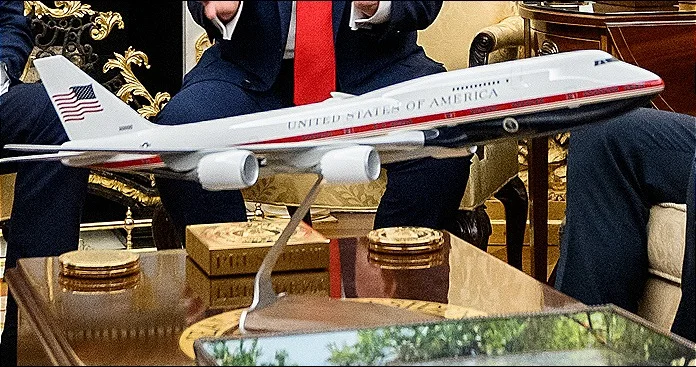
New GE engines were installed, requiring extensive integration, testing, and certification work.
An encrypted communications suite was installed too, which will allow the President to securely communicate with military leaders, advisers, and other world leaders.
The interior also received an upgrade; a self-deploying airstair was added, and several mission-specific systems had to be integrated.
So, a lot of work went into it.
And as you might expect, a lot of details were kept under wraps due to the security-sensitive nature of the project.
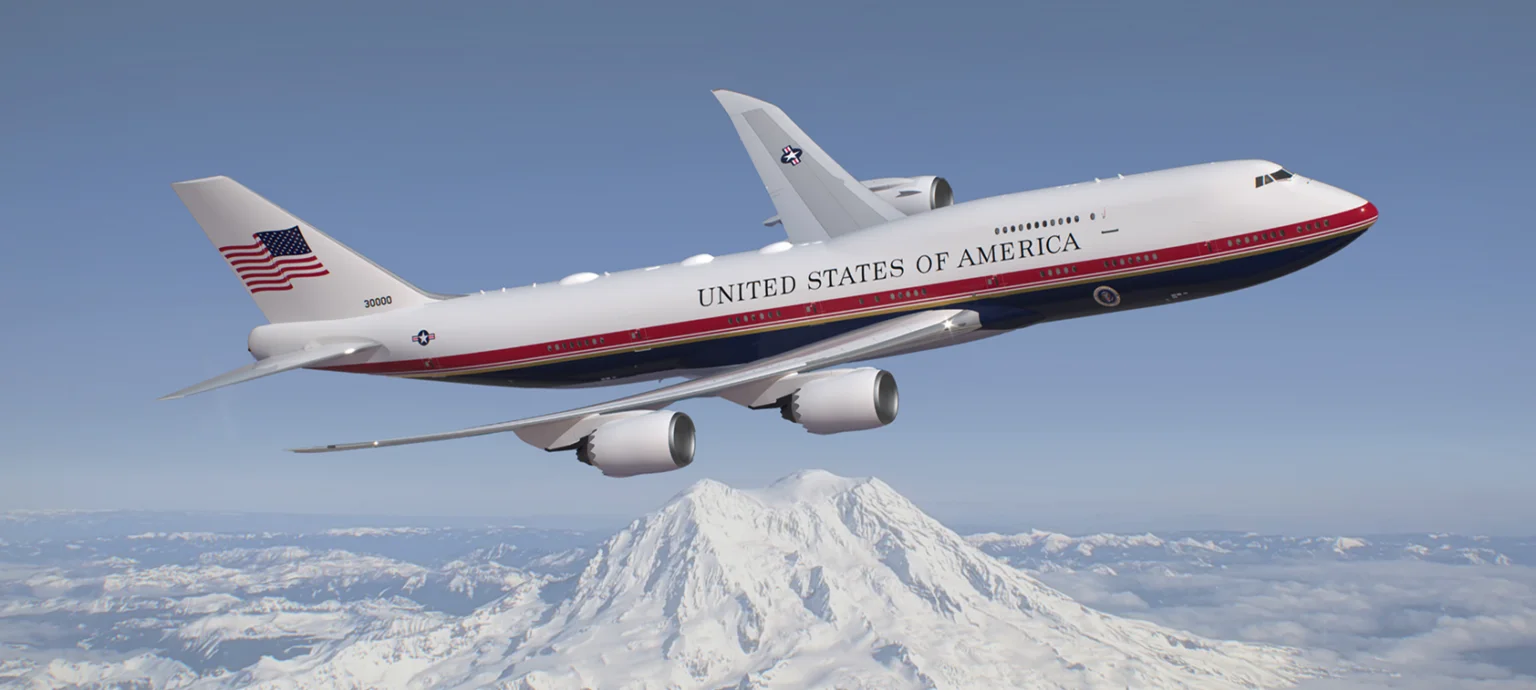
Timeline of Air Force One
1943: Franklin D. Roosevelt becomes the first sitting President to fly as he takes a Boeing 314 out to Casablanca.
1945: A Douglas C-54 is commissioned as the first aircraft built for presidential use, featuring an elevator to accommodate Roosevelt’s wheelchair.
1953: The call sign ‘Air Force One’ is created for the first time.
1959: Dwight Eisenhower flies in the first jet-powered presidential aircraft, a modified Boeing 707.
1962: A Boeing 707 VC-137C becomes the first plane specifically designed to be a ‘Presidential Jet’.
1987: Ronald Reagan orders two Boeing 747s to replace the 707 fleet.
1990: First Boeing 747-200B delivered to George H.W. Bush.
2018: Donald Trump begins the process of the replacing the fleet with two new Boeing 747-8 planes.
2023: The proposed dark-red-and-blue color scheme is rejected over thermal engineering concerns.
2028: Expected delivery date for the fully customized VC-25B aircraft to be delivered.
Ben joined Supercar Blondie in February 2025 after being published by international organizations including LADbible, The Sun, the New York Post, and the Daily Mail. He covers supercars, rare and collectible vehicles, aviation, luxury assets, and the fascinating people behind them. His reporting has explored everything from seven-figure supercars and historic Ferrari collections to unusual aircraft adventures and extraordinary automotive discoveries from around the world. Ben has also gained first-hand insight into vehicle craftsmanship and customization, including visiting specialist workshops to see bespoke vehicles up close.