This Boeing 777X is going through a fatigue test of 120,000 simulated flights and this is why it's so important
Published on Jul 26, 2026 at 2:01 PM (UTC-4)
by Ben Thompson
Last updated on Jul 26, 2026 at 2:01 PM (UTC-4)
Edited by
Mason Jones
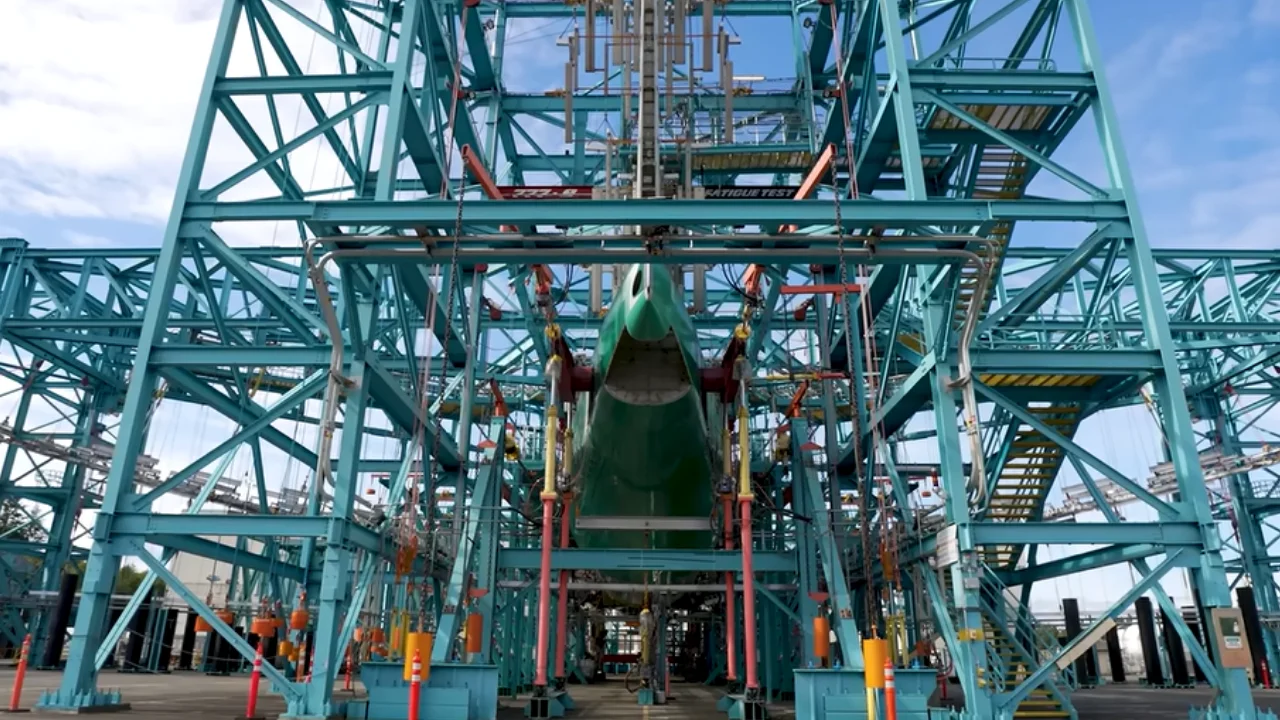

This Boeing 777X is being put through its paces through a fatigue test of 120,000 simulated flights.
So far, 63,000 have been logged, whether that be long hauls or quick trips.
Achieving all of this without leaving the ground is pretty remarkable stuff.
But why is it necessary to put the Boeing 777X through so many simulated flights?
The Boeing 777X has been impressing aviation fans for a long while
This long-range plane has been in development since 2017, with an intended introduction date in 2027.
As the successor to the 777-300ER, it’ll hold the distinction of being the world’s longest twin-engine passenger jet.
While it hasn’t gotten its official debut in service yet, it’s had plenty of chances to dazzle plane watchers.
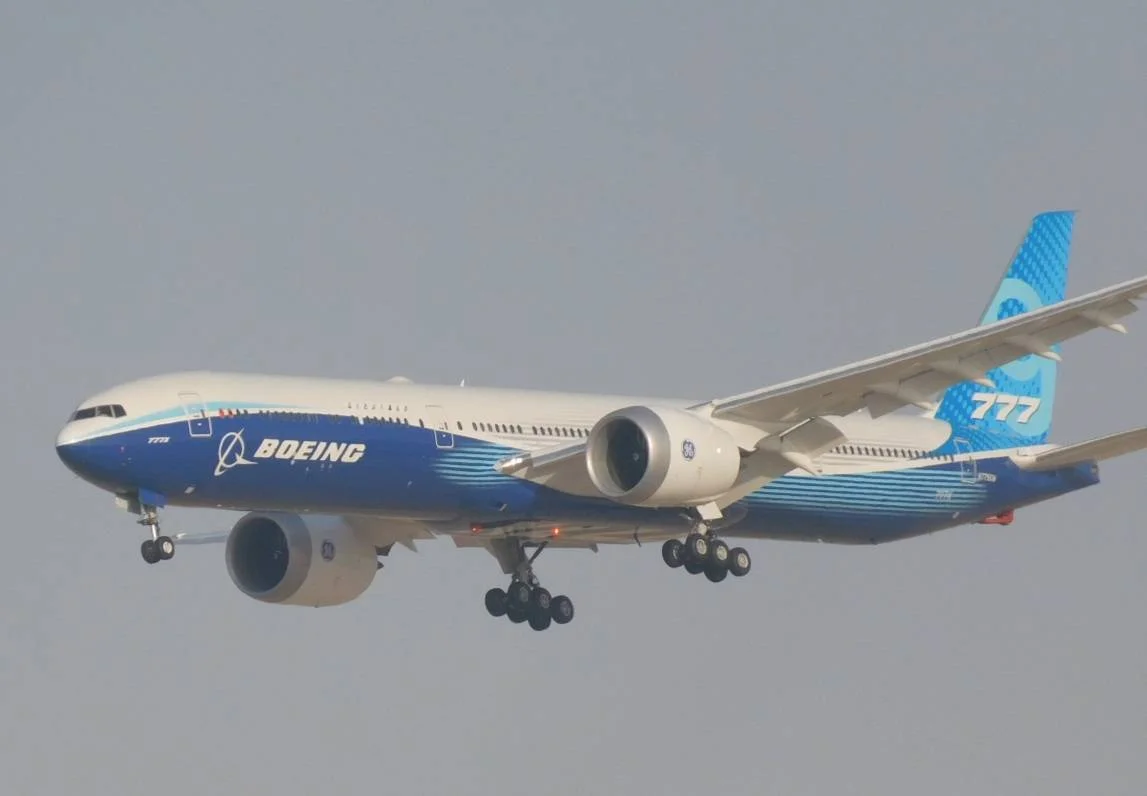
It certainly wowed at the Farnborough Air Show in 2022.
This time around, it wasn’t quite the same level of spectacle.
At least not in a visual sense.
Related
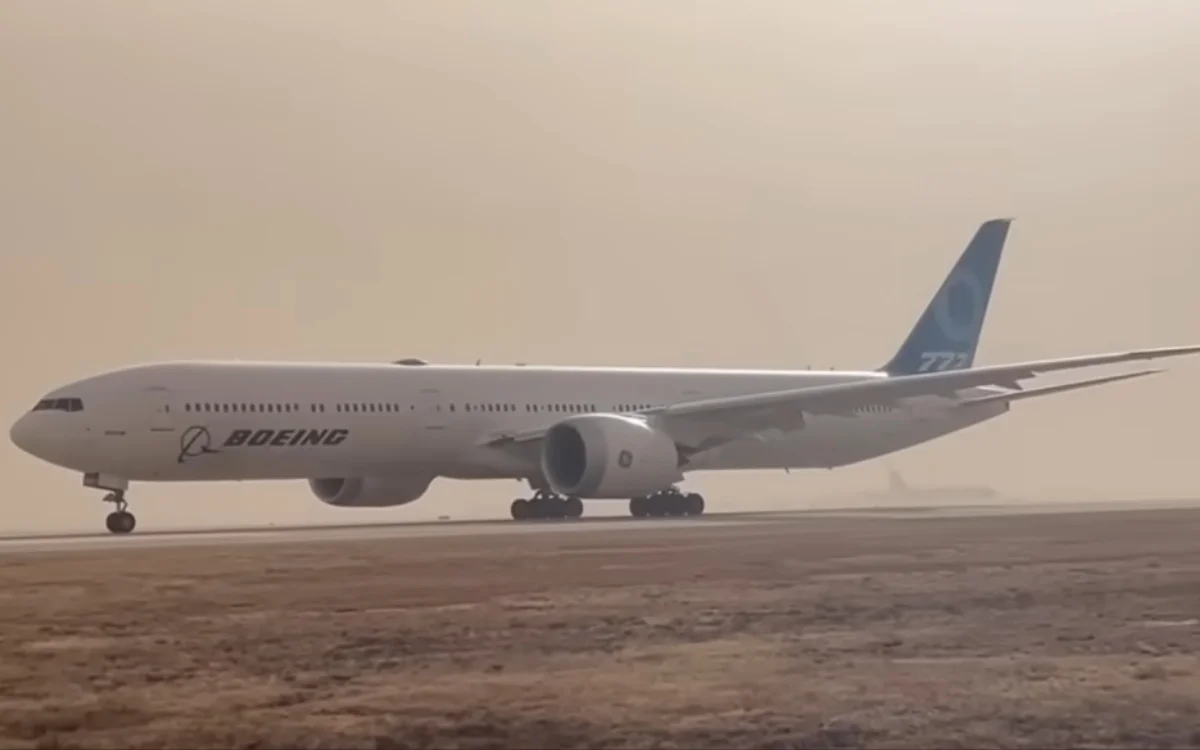
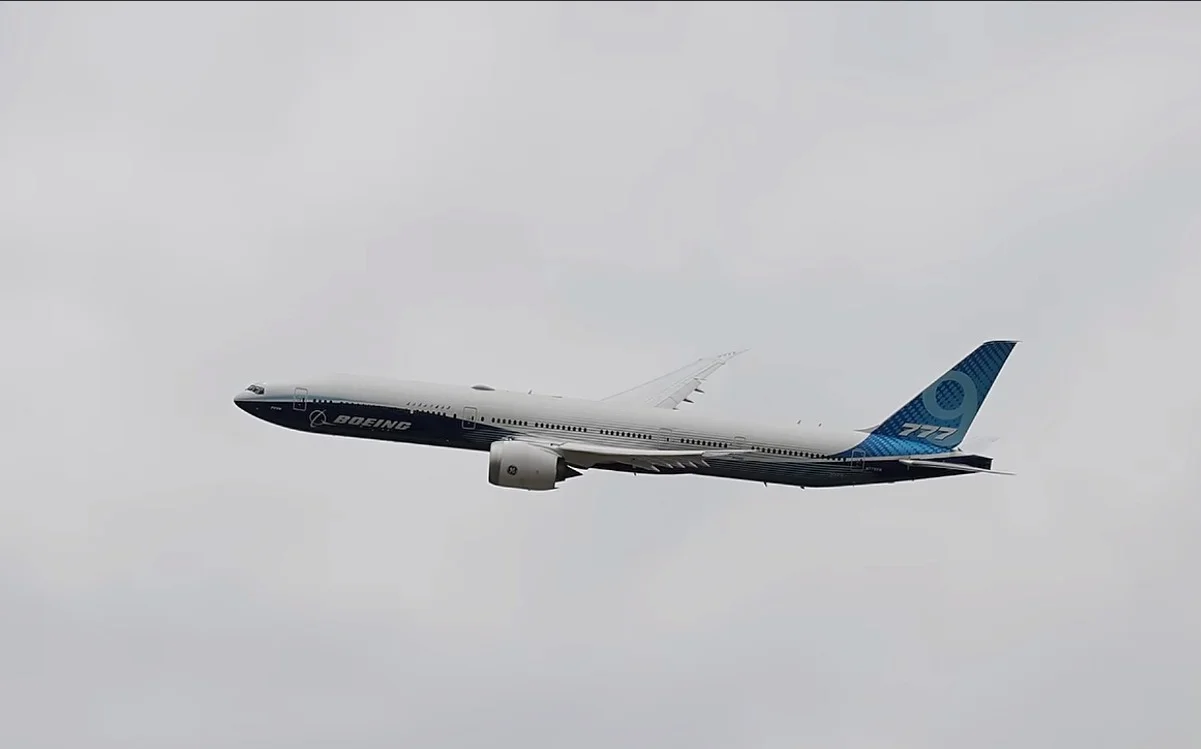

This Boeing 777-9 was demonstrating its endurance
The plane being put through its paces in this recent Boeing video was a 777-9.
This is a variant of the 777X, measuring out at 251 ft long, making it the longest commercial airliner.
It’s capable of carrying up to 450 passengers and has a range of 8,000 nautical miles.
It’s set to be used by airlines like Emirates, Qatar Airways, Lufthansa, and British Airways, among others.
In this recent video on the Boeing YouTube channel, it was revealed that the Boeing 777-9 had been undergoing thousands of flights.
Well, not quite.
Rather than taking to the skies, a full-scale fatigue test rig was doing the work.
With 63,000 out of a planned 120,000 completed flight cycles logged so far, the aim was to ensure this plane was meeting ‘rigorous safety and performance standards’.
Hundreds of sensors were on-hand to ensure that these planes would be built to last.
“We’re applying loads to the wings, to the fuselage,” David Pocasangre, a 777-9 Fatigue Tester, said.
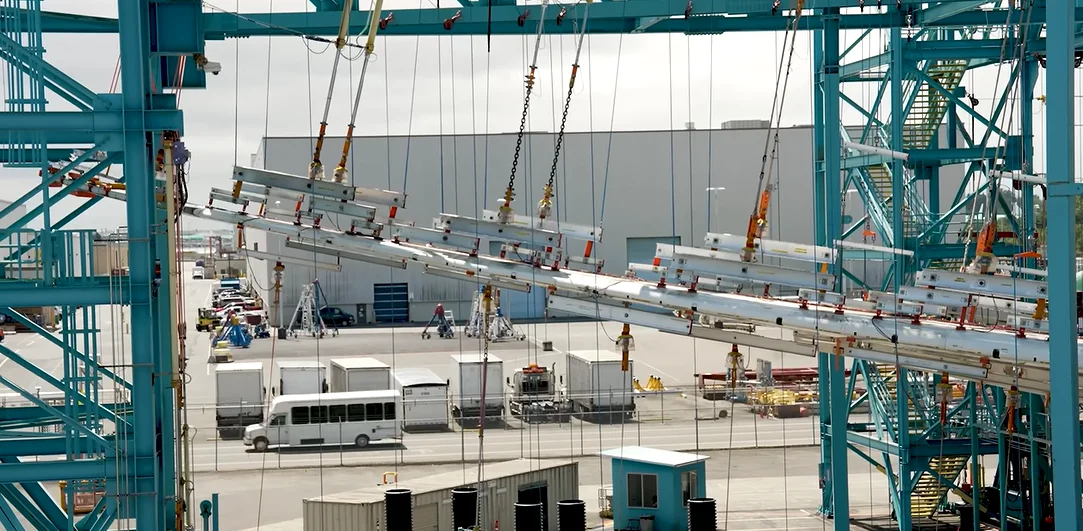
“We’re doing it in such a way to simulate a flight to get ourselves through the equivalent of more than three lifetimes on an airframe.”
This is called ‘spectrum loading’, in which a plane is run through a complete ground-air-ground flight profile.
191 actuated load systems apply loads to the airframe.
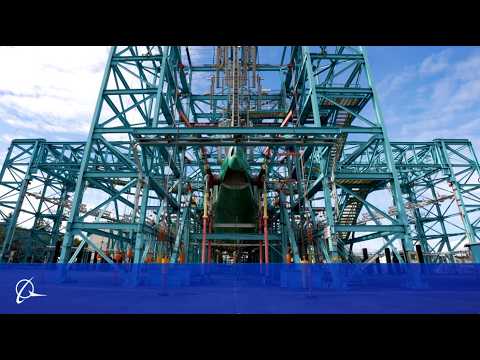
“The airframe thinks it’s actually in flight,” Lee McNeil, a Structures Technical Fellow, explained.
“All Boeing aircraft since the 707 have undergone full-scale fatigue testing. And we do this testing to ensure that we’re meeting our rigorous safety and performance standards for the aircraft.
“This work is really validating the structural maintenance program that we recommend.
“We’re essentially trying everything out before the customer ever gets there.”
“Fatigue testing really helps us show that the design is really robust, it’s a safe airplane,” Daniele Hovington, another Fatigue Tester, said.
“I’m looking forward to flying on it myself.”
These sentiments were widely echoed in the comments section on YouTube.
“I am also demonstrating endurance by still waiting for the 777X to enter production,” one commenter said.
“Best plane I’ve never seen,” another wrote.
Ben joined Supercar Blondie in February 2025 after being published by international organizations including LADbible, The Sun, the New York Post, and the Daily Mail. He covers supercars, rare and collectible vehicles, aviation, luxury assets, and the fascinating people behind them. His reporting has explored everything from seven-figure supercars and historic Ferrari collections to unusual aircraft adventures and extraordinary automotive discoveries from around the world. Ben has also gained first-hand insight into vehicle craftsmanship and customization, including visiting specialist workshops to see bespoke vehicles up close.