Boeing C-17 Globemaster III shows off its sheer power to awestruck crowd as it launches into take-off
Published on Mar 21, 2026 at 8:44 PM (UTC+4)
by Callum Tokody
Last updated on Mar 20, 2026 at 6:57 PM (UTC+4)
Edited by
Emma Matthews

The sheer acoustic violence of a Boeing C-17 aircraft takeoff proves exactly why this heavy lifter remains the ultimate aviation icon of the modern era.
This specific departure was recorded at a public event where the plane demonstrated its high-performance climb from takeoff.
Engineers designed the plane to transport oversized cargo to remote locations under various weather conditions.
The physics behind getting a machine this massive off the ground so quickly reveals the true genius of its engineering.
Click the star icon next to supercarblondie.com in Google Search to stay ahead of the curve on the latest and greatest supercars, hypercars, and ground-breaking technology
A defiant Boeing C-17 climb
The Boeing C-17 uses four Pratt & Whitney engines that generate enough thrust to move 200 tons of metal.
These powerplants allow the Boeing C-17 to reach cruising altitude quickly, even with a full cargo hold.
During this aircraft takeoff, the pilot retracted the landing gear immediately after the wheels left the runway.
The heavy lifter maintained a steep angle to demonstrate its ability to operate from short airfields – this maneuver is a standard requirement for a Boeing C-17 when operating in tactical environments.
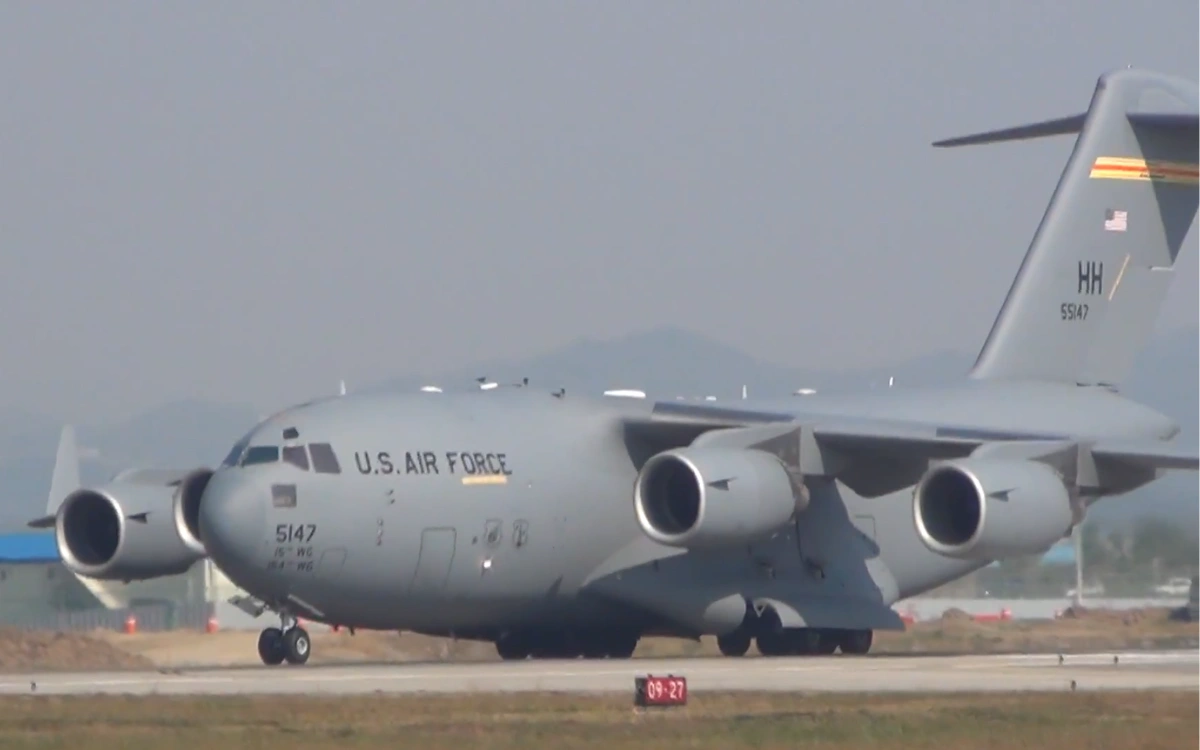
The video captured the aircraft from a distance using a long lens to maintain a steady view of the fuselage, as this perspective showed the scale of the Boeing C-17 as it cleared the airfield boundaries.
An aviation icon of this size requires a precise balance to remain stable during the transition from ground to air, and the footage shows the mechanical adjustments of the wing flaps during the aircraft’s takeoff sequence.
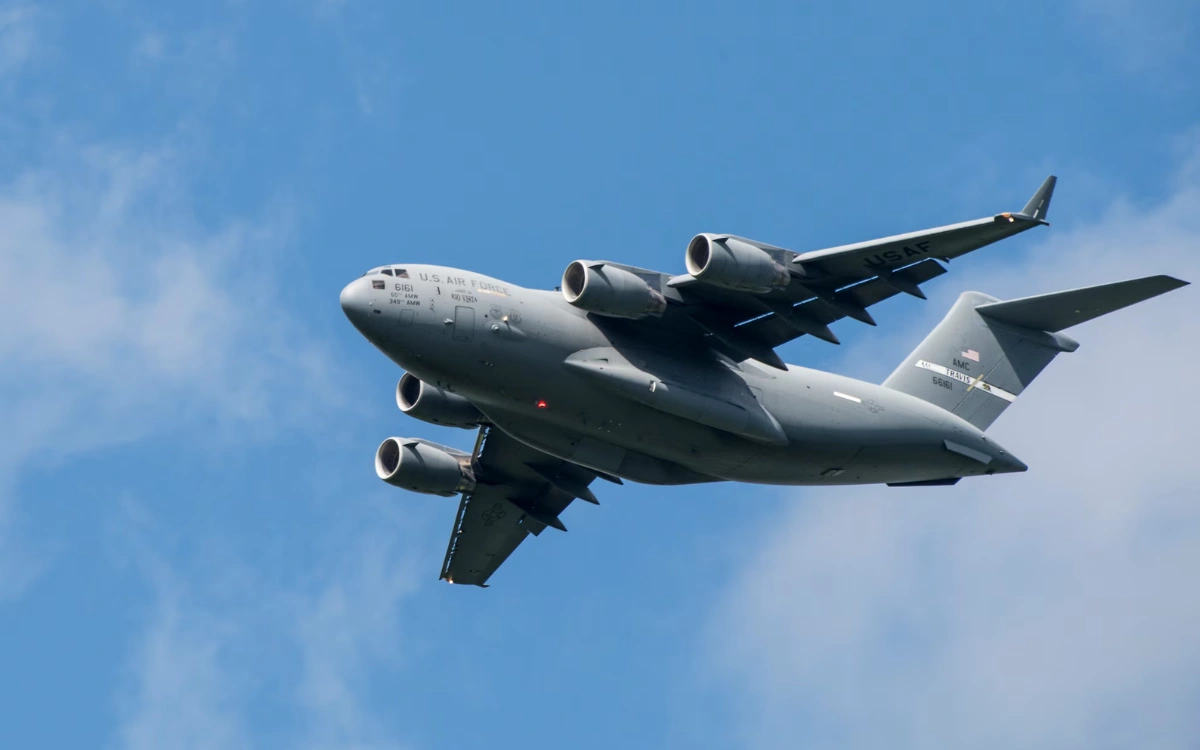
This heavy lifter is a frequent subject of study because of its unique winglets that can reduce drag and increase overall range, allowing the Boeing C-17 to fly at high speeds.
Most aircraft of this size lack agility, but the Boeing C-17 uses digital flight controls to assist the pilot, helping the craft perform smooth maneuvers shortly after it takes off.
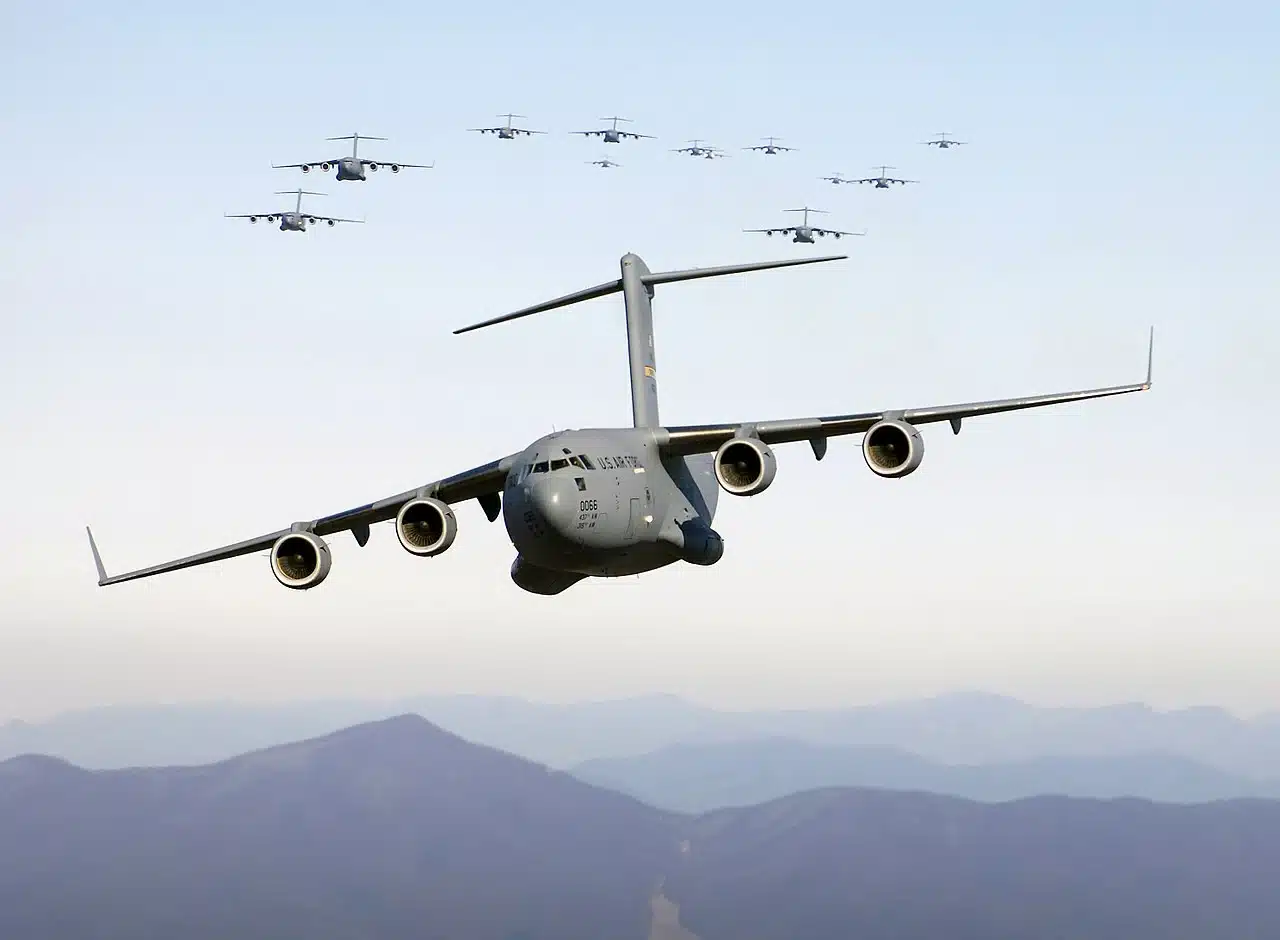
The cargo area is large enough to carry a Chinook helicopter or an M1 Abrams tank, and it’s this versatility that makes the Boeing C-17 a primary asset for global response teams.
As a heavy lifter, the Boeing C-17 has few rivals in terms of payload and speed.
Life beyond the heavy lifter
The air forces that operate the Boeing C-17 continue to invest in fleet modernization.
Maintenance crews use new sensors to monitor the mechanical health of every Boeing C-17 in real time, ensuring the heavy lifter will stay in service for several more decades.
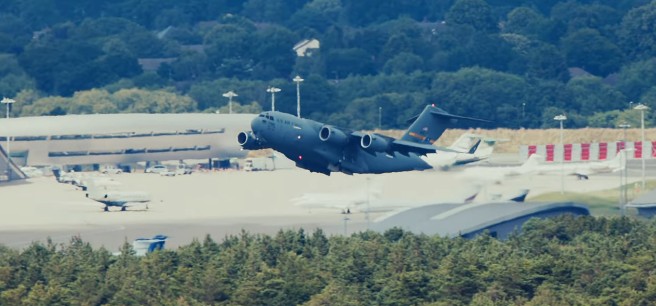
Future updates for the Boeing C-17 may include new cockpit displays and more efficient cooling systems, which will help the aviation icon meet modern standards while retaining its tactical advantages.
As such, the Boeing C-17 is expected to remain the primary choice for heavy-lift missions through the 2040s.
And its appearances at airshows not only provide data on how the aircraft handles high-stress flight profiles, but they also show the public just how incredible this plane really is.
DISCOVER SBX CARS: The global premium car auction platform powered by Supercar Blondie