This is who actually makes the emergency service vehicles with some massive companies you've never heard of dominating the field
Published on Nov 04, 2026 at 6:50 AM (UTC-5)
by Alessandro Renesis
Last updated on Nov 04, 2026 at 6:50 AM (UTC-5)
Edited by
Mason Jones
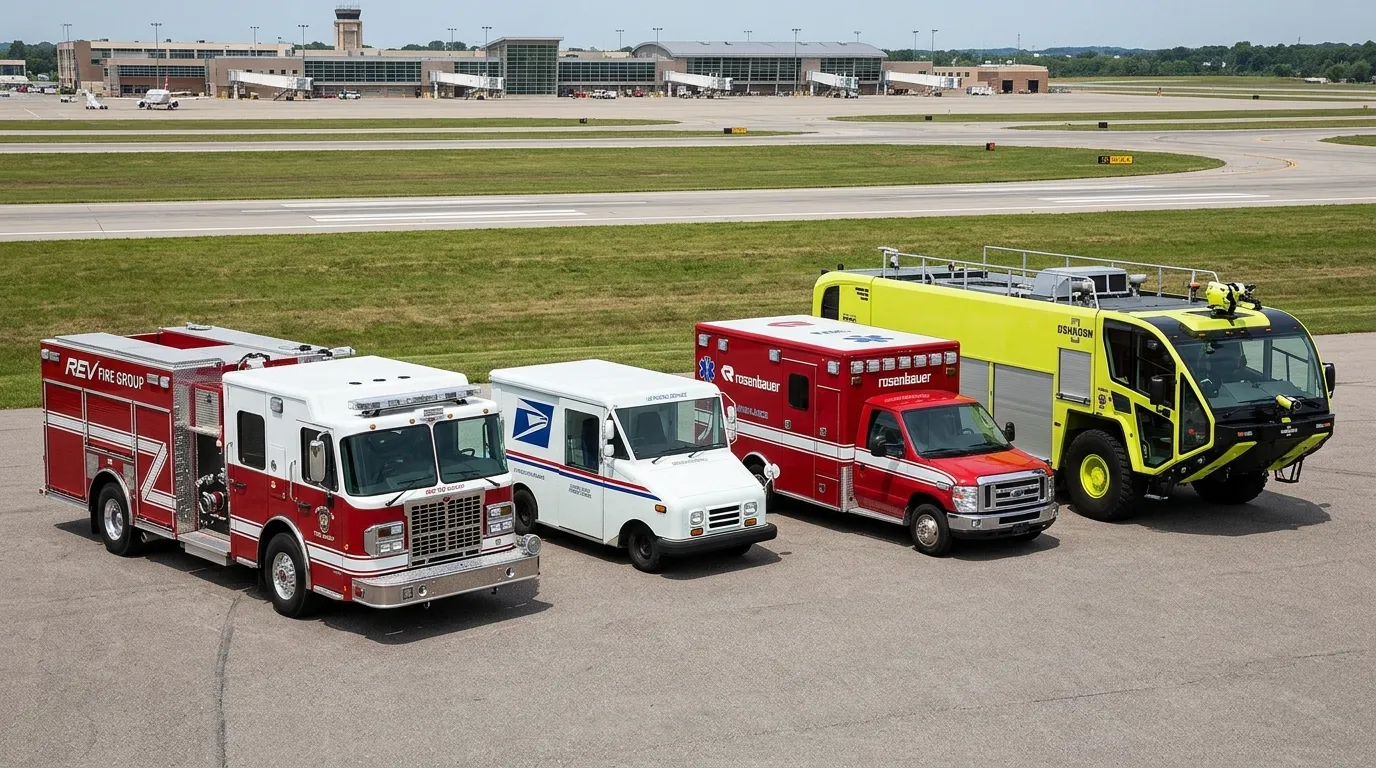

Unlike passenger cars, emergency service vehicles are generally built by a handful of companies.
It’s practically a monopoly.
But it isn’t a monopoly for the reasons you think.
And it’s the same on the other side of the Pond as well, by the way.
Who builds America’s emergency service vehicles?
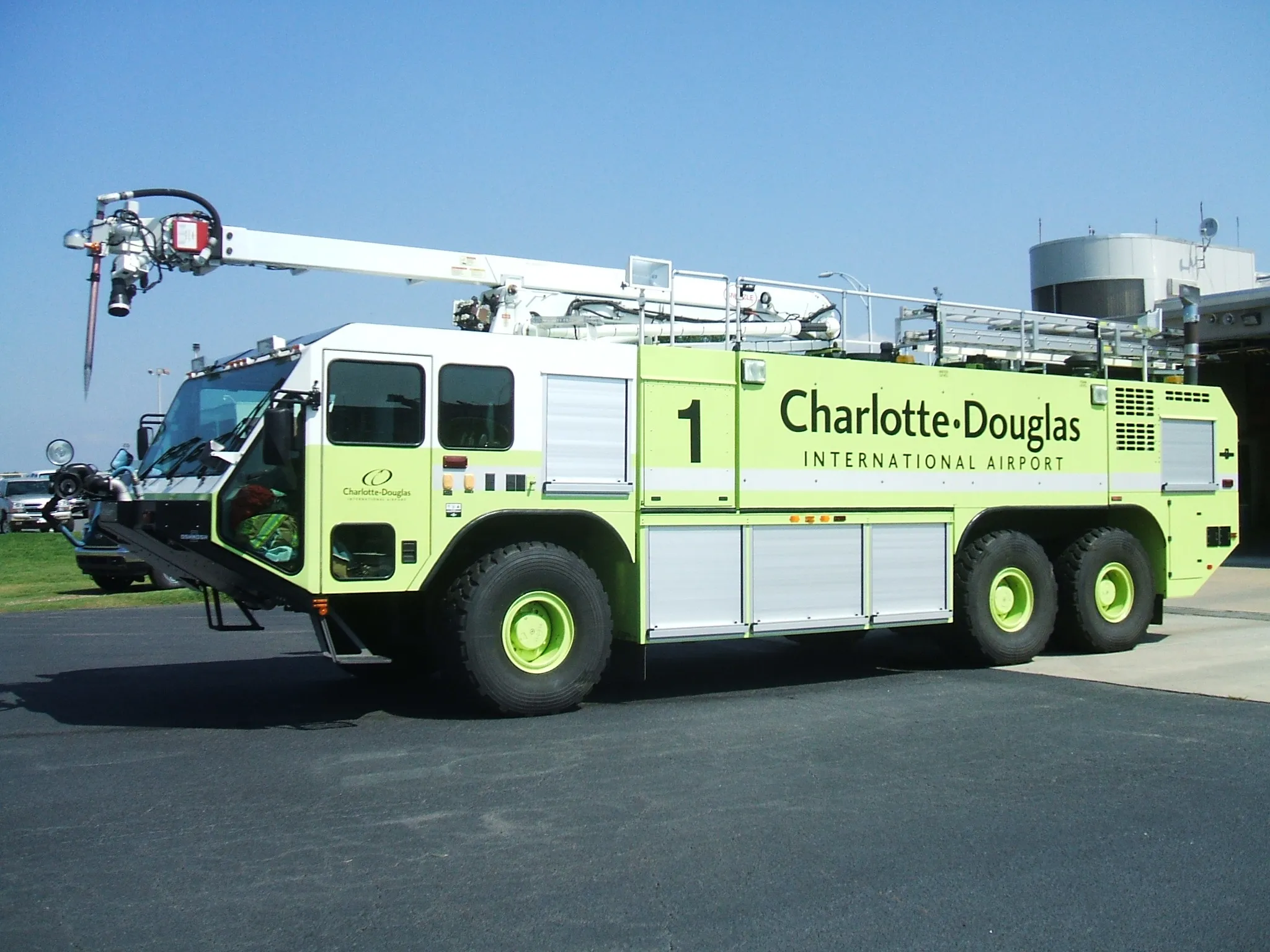
While mainstream automakers supply base vehicles for police fleets, three giant corporations control over 70 percent of the US fire truck and ambulance market: REV Group, Oshkosh Corporation, and Rosenbauer.

You may have never heard of them, but next time you hear a siren and watch a fire truck or ambulance rush past, it’s likely a product from one of these three.
REV Group captures around 33 percent of the market, Oshkosh holds 25 percent, and Rosenbauer claims the remaining 8 percent.
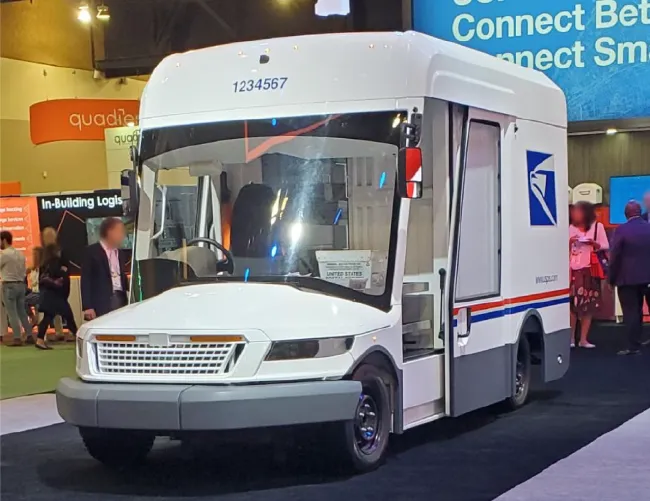
How did we get to this point?
Much of the consolidation is hidden behind legacy badge names that departments have trusted for generations.
These three parent giants directly or indirectly control a long list of subsidiary brands that build specialized apparatus.
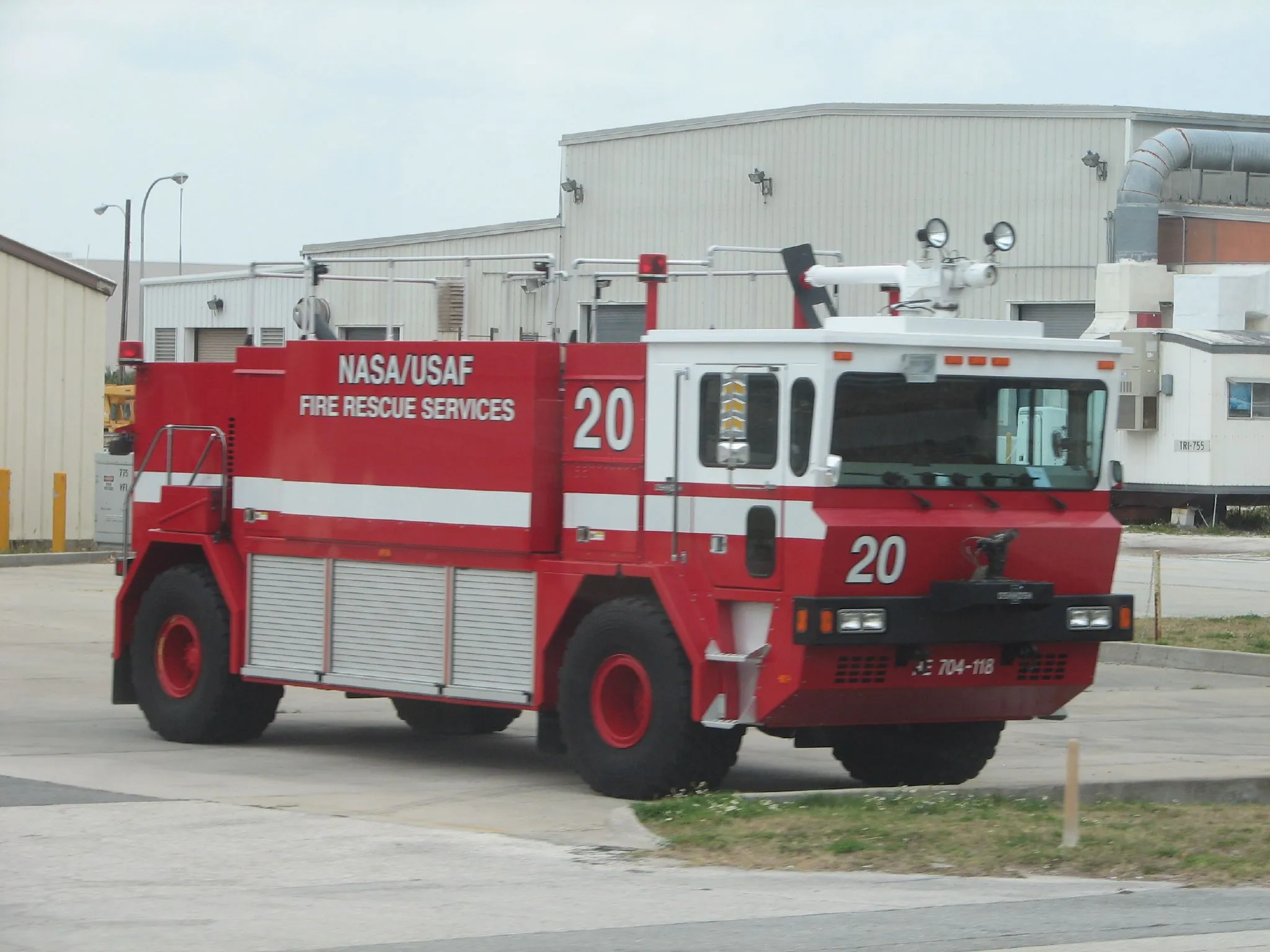
No one likes to hear it, but it’s almost in the nature of business for markets to consolidate into near-monopolies.
Over time, companies that are simply better at manufacturing or generating capital emerge and begin buying up the competition.
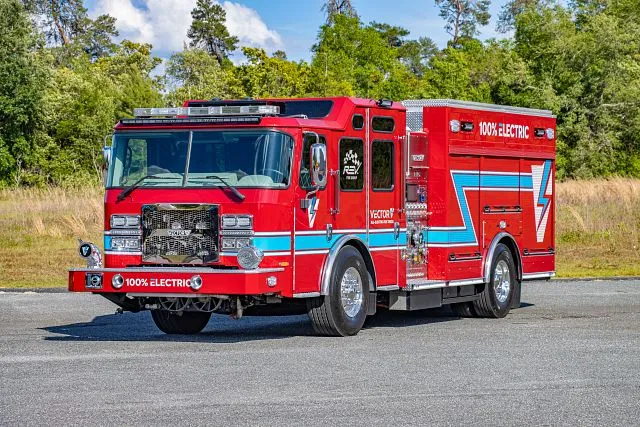
That’s how the Volkswagen Group grew into a global juggernaut – and it’s the same reason these three emergency vehicle giants keep absorbing smaller regional builders today.
The reason why ‘standard’ manufacturers also build emergency service vehicles
Legacy automakers are still deeply involved.
When it comes to police cars, for example, major manufacturers build patrol interceptors on assembly lines running parallel to their standard passenger vehicles.
The process is a bit different for ambulances.
Unlike custom fire apparatus, ambulance builders typically manufacture the rear ‘patient box’ and mount it onto a commercial heavy-duty truck chassis supplied by Detroit automakers like Ford, Ram, or Chevrolet.
It’s the same in parts of Europe
The truth is, building passenger cars is glamorous, but building utility vehicles isn’t.
That’s why these niche markets are often cornered by just one or two companies: the mainstream competition is simply too busy chasing fancy consumer trends.
With a few caveats, this pattern holds true across the board.
London’s iconic Black Cab is a great example because virtually every new electric taxi on the street is built by a single company, LEVC.
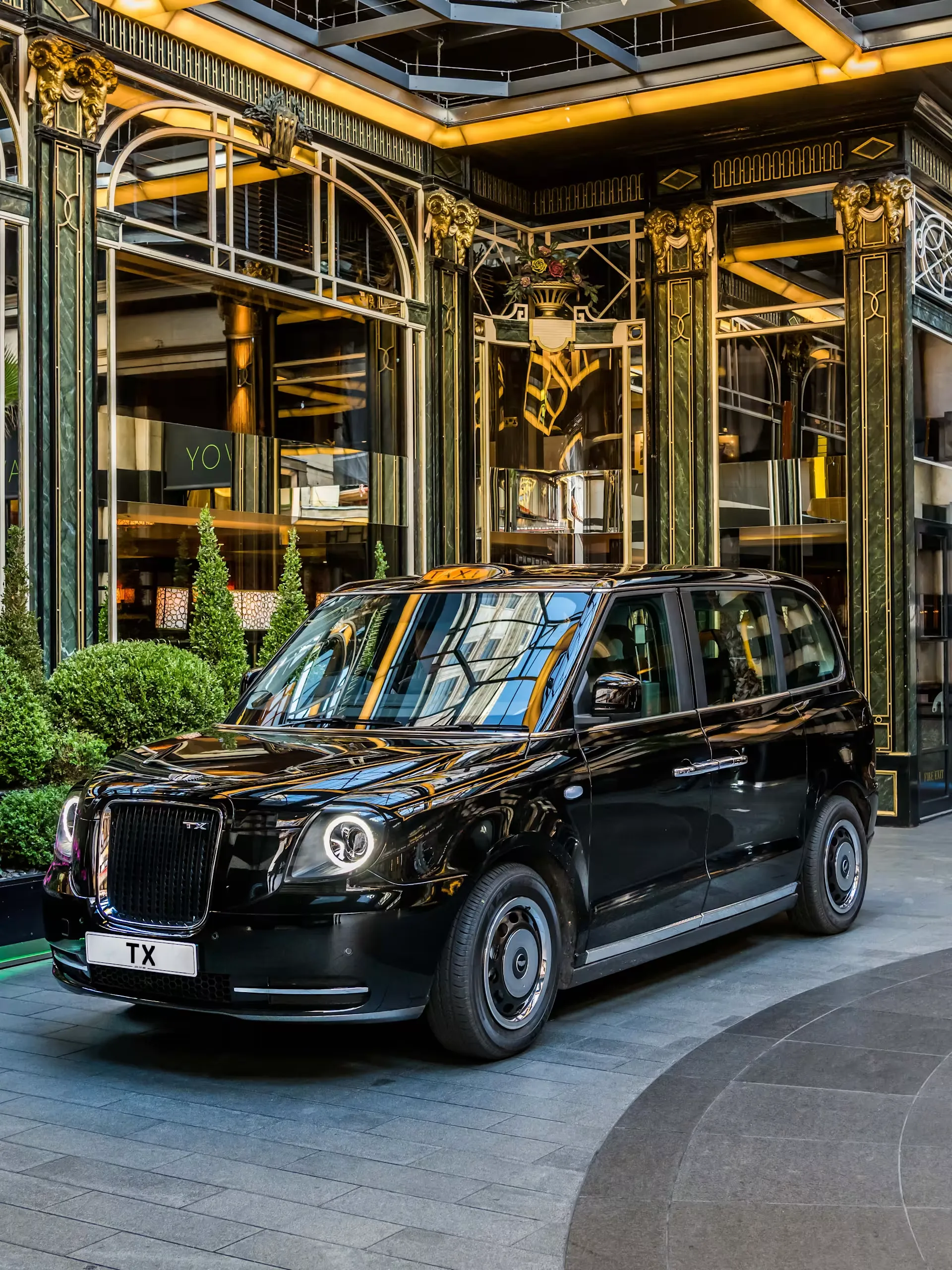
London currently has around 16,800 active black cabs, and as the city rapidly phases out old diesel models, electric cabs are taking over the fleet.
That means thousands of specialized commercial vehicles – all built by one firm, all relying on proprietary components – monopolize an entire world capital.
Not a bad gig if you can get it.
The best of Supercar Blondie, every Sunday
The week's best car stories, straight to your inbox. Free.
Alessandro is an automotive journalist with 10 years of experience covering supercars, automotive history, emerging vehicle technology, and luxury transportation. He wrote the first article published on SupercarBlondie.com when the website launched in 2022 and has since built a reputation for insightful reporting across the automotive and transportation industries. His expertise is grounded in hands-on experience. Alessandro has driven every Tesla model ever produced, from the original Roadster to the Cybertruck, and regularly covers the latest developments in electric vehicles and automotive innovation. His passion for transportation extends beyond cars, he has even flown a Boeing 787 Dreamliner simulator in Addis Ababa, Ethiopia. His reporting spans everything from classic American muscle cars and rare automotive discoveries to luxury yachts, private aircraft, high-end watches, and cutting-edge vehicle technology. Known for his deep knowledge of automotive history and ability to uncover the stories behind iconic vehicles, Alessandro brings readers a blend of historical context, technical expertise, and first-hand experience.




