More and more high-tech Chinese cars have started showing up in California despite ban due to loophole
Published on Aug 30, 2026 at 1:55 AM (UTC-4)
by Daisy Edwards
Last updated on Aug 30, 2026 at 1:55 AM (UTC-4)
Edited by
Mason Jones
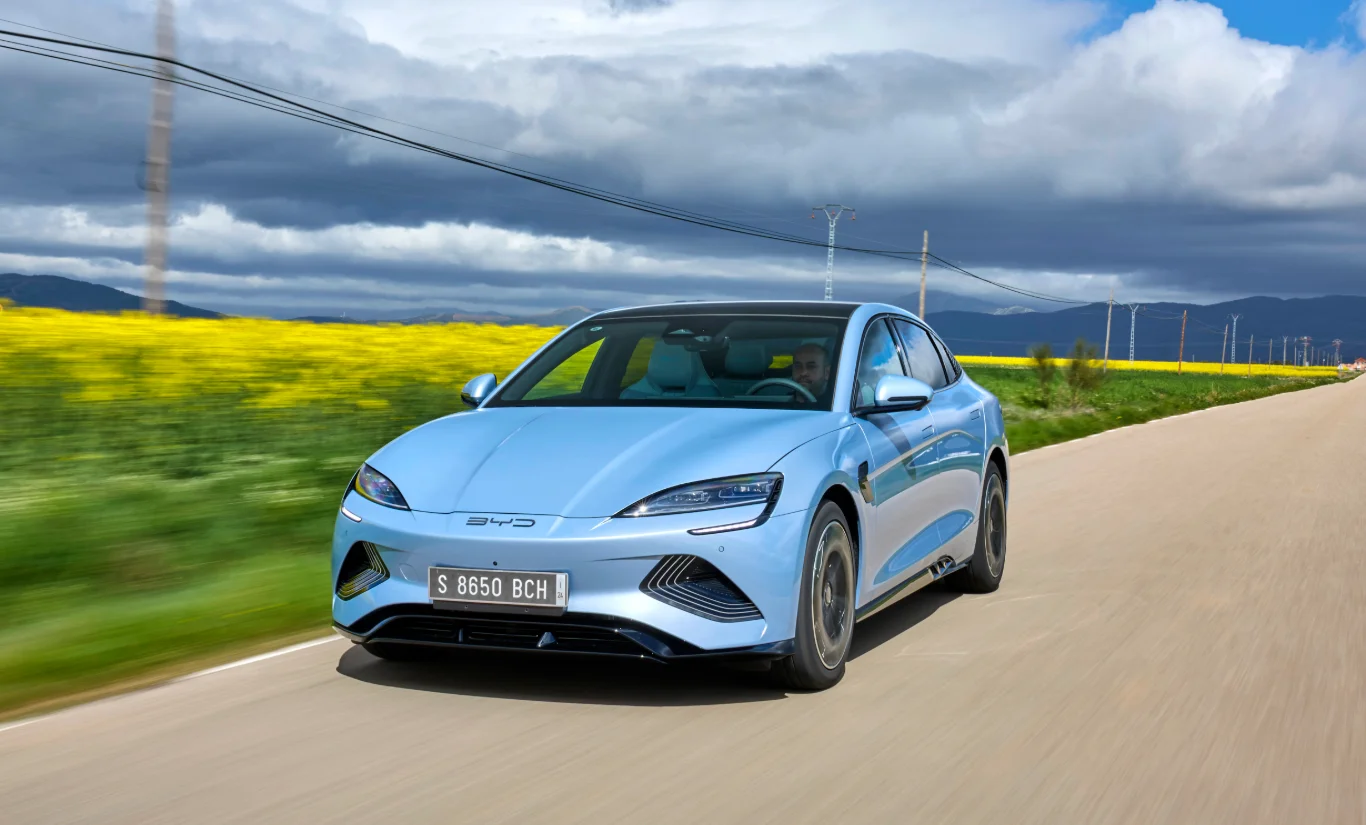

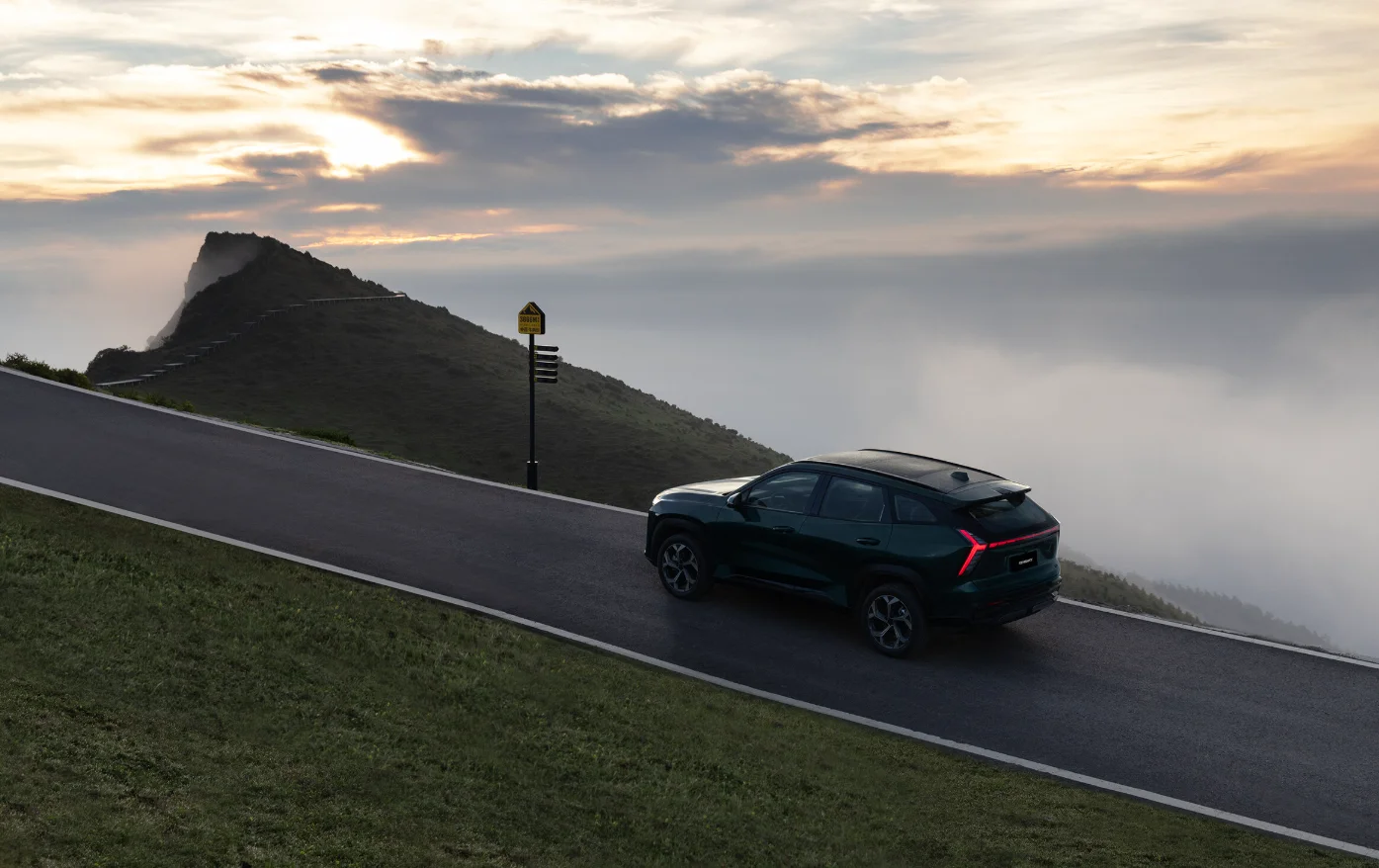
California has become an unlikely place to spot some of the newest and most high-tech Chinese cars, despite the US having put up major barriers to keep them out.
The vehicles are not being sold through American dealerships, but a legal loophole is allowing some of them to appear on the roads.
So technically it’s all above board.
How high-tech Chinese cars are making it into California
The loophole for high-tech Chinese EVs comes down to who owns the vehicle and how it enters the country.
Chinese-made cars are effectively locked out of the US market by a combination of steep tariffs, safety requirements and increasingly strict rules around connected-vehicle technology.
The Biden administration finalized rules restricting Chinese and Russian connected-vehicle software and hardware, while lawmakers have since pushed for even tougher restrictions.
But those rules don’t necessarily prevent a Mexican resident from temporarily driving their own foreign-registered vehicle across the border.
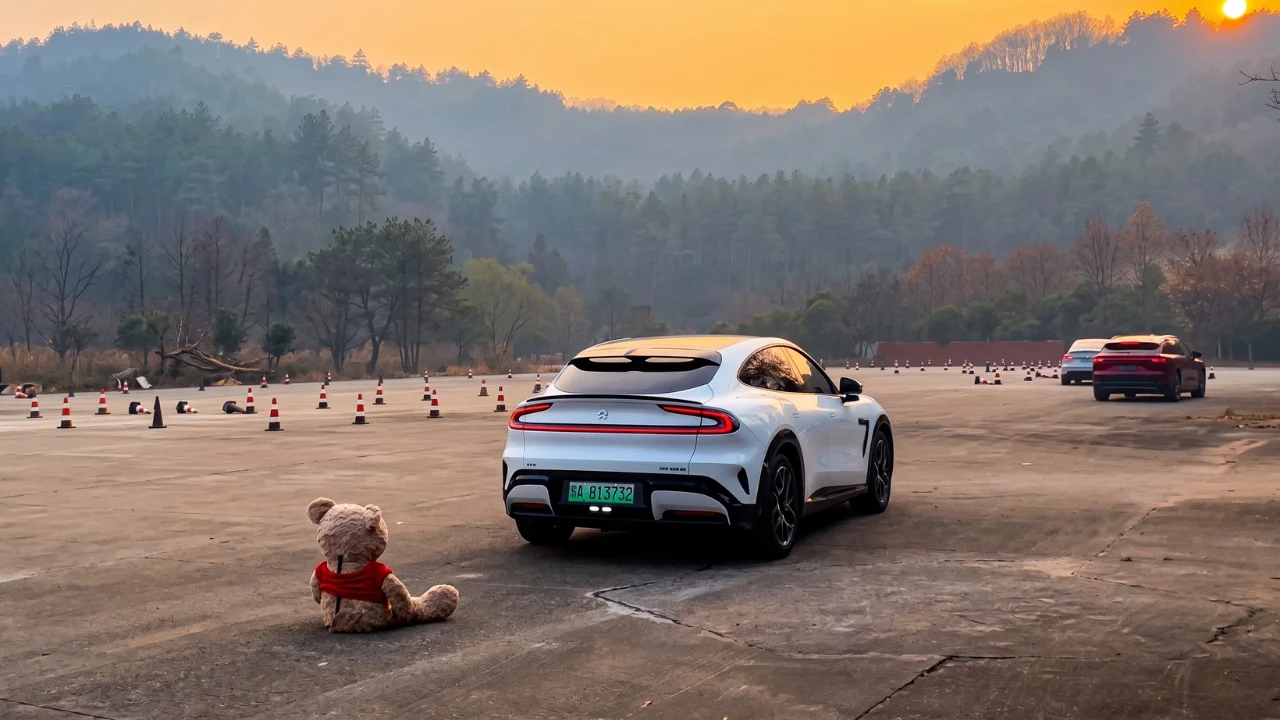
That is why EVs from China and other vehicles have already been spotted in California.
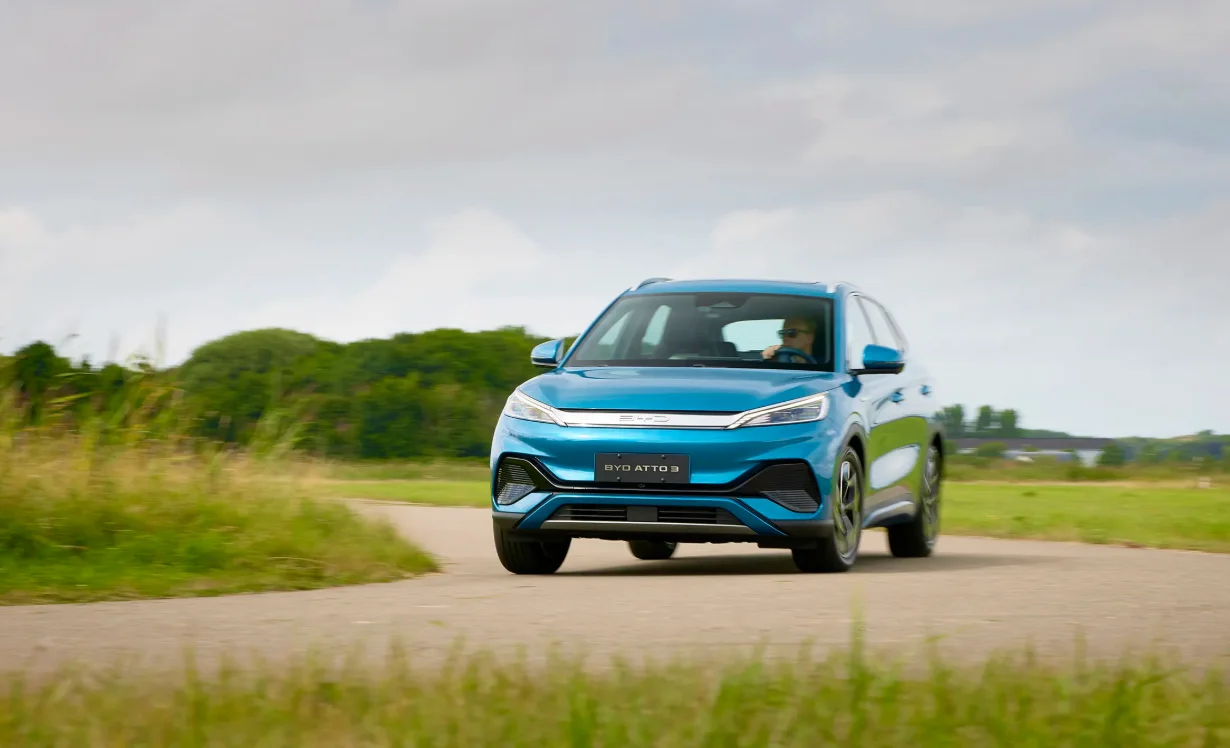
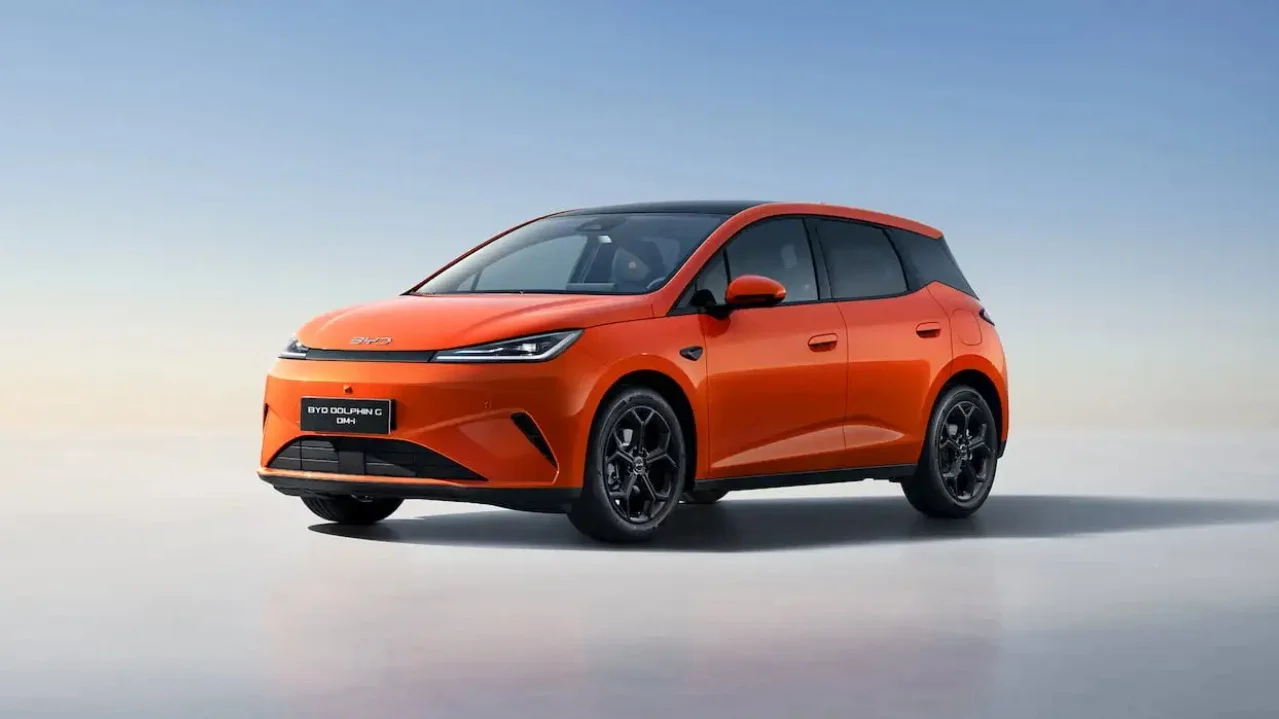
A BYD dealership in Tijuana’s Zona Río reportedly confirmed that vehicles were being purchased by Mexican residents and driven into San Diego, but buyers reportedly needed Mexican residency or a Mexican driver’s license.
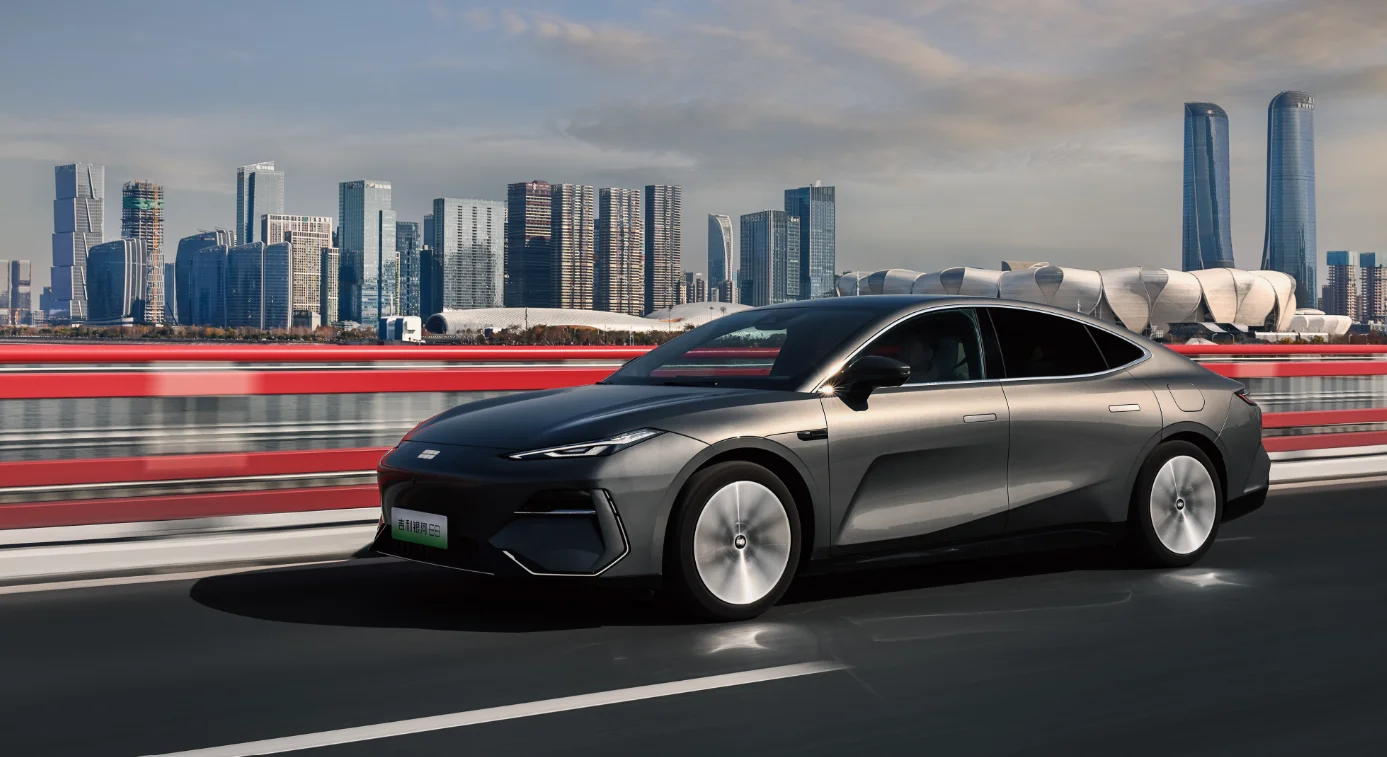
The cars can enter temporarily without being treated as normal U.S. imports.
They cannot simply be sold to an American buyer, permanently registered in the U.S., or placed on sale at a U.S. dealership, but their owners can still drive them across the border.
That has created the strange sight of Chinese vehicles that Americans cannot legally buy appearing on California roads.
Related

These vehicles could become even more common
There is plenty of incentive for people to take notice.
Dealerships in Mexican border cities are already selling Chinese-made EVs, hybrids and gas-powered SUVs at prices that can be dramatically lower than comparable vehicles in the US.
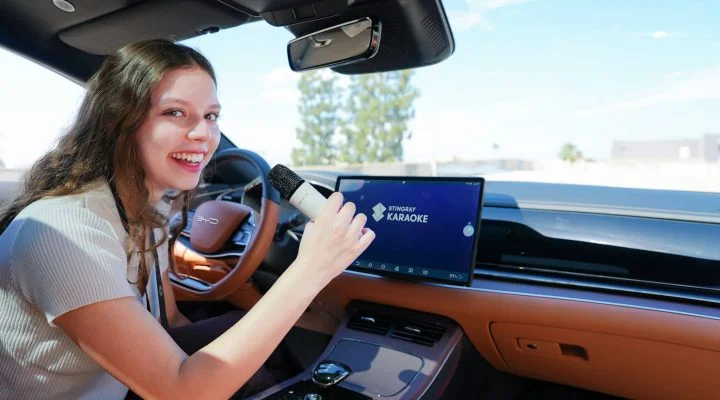
Some models start at around $20,000, while offering technology such as large infotainment systems, advanced driver assistance, and even built-in karaoke features.
BYD has been particularly successful in Mexico.
The company reportedly controlled around 70% of Mexico’s EV and plug-in hybrid market, while Chinese brands collectively accounted for roughly a quarter of vehicle sales there.
That means the cars are increasingly difficult to avoid for Americans living near the southern border.
For now, however, the loophole remains.
So while Americans cannot walk into a California dealership and buy the latest BYD, Geely or other Chinese-market model, they may not have to travel far to see one in the wild.
Daisy is a technology and automotive journalist covering artificial intelligence, consumer tech, Apple news, cryptocurrency, emerging technologies, and transportation innovation. Since joining the team in 2025, she has reported on everything from AI-powered startups and major iOS updates to viral car stories and the latest developments shaping transportation and the digital economy. Drawing on her background in automotive journalism and a degree in History and Journalism from Goldsmiths, University of London, Daisy specializes in breaking down complex topics into clear, engaging reporting for a global audience. Her work spans cutting-edge technology, innovative vehicles, and the people driving change across both industries. Daisy has gained first-hand access to some of the world's most talked-about technologies and innovators, including meeting Tesla's Optimus humanoid robot during its first European appearance in London. She has also discussed the future of space exploration with an astronaut, bringing unique insights and real-world perspectives to her coverage of emerging technology.